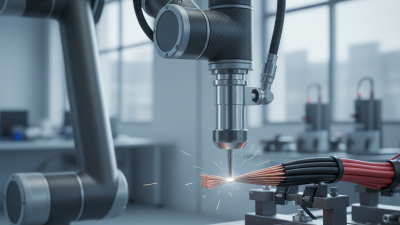
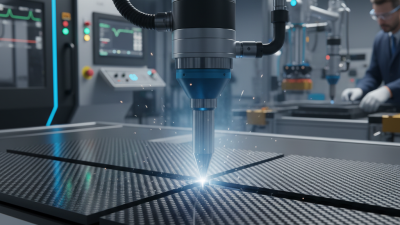
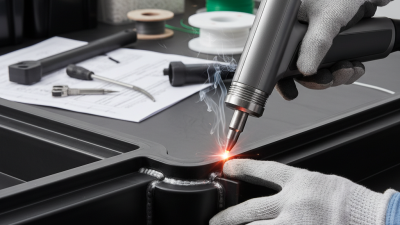
Hey, if you’re into metalwork, you probably know that Metal Foil Welding is kind of a tricky skill to get just right. It’s one of those techniques that honestly takes a lot of precision and practice. For industries where even tiny details matter, getting good at this is pretty much essential. But let’s be real—lots of folks find it tough to get those results to turn out consistently. Things like controlling the heat just right and making sure the metals play nice together are super important if you want your welds to hold up.
Knowing the ins and outs of metal foils is also a big deal. These thin sheets can warp or even melt away if you’re not careful. A small mistake in the process can lead to weak joints or unsightly flaws, which nobody wants. Usually, it’s all about finding that sweet spot between applying enough heat and moving fast enough, but not too fast, you know?
The good news? Every mistake you make is just another lesson learned. Every bump in the road is a chance to get better. With some patience and the right tips, a lot of folks have managed to master Metal Foil Welding. It definitely takes some adapting and practice—no way around that. And honestly, embracing those little imperfections can really lead to some serious growth in this pretty intricate craft.
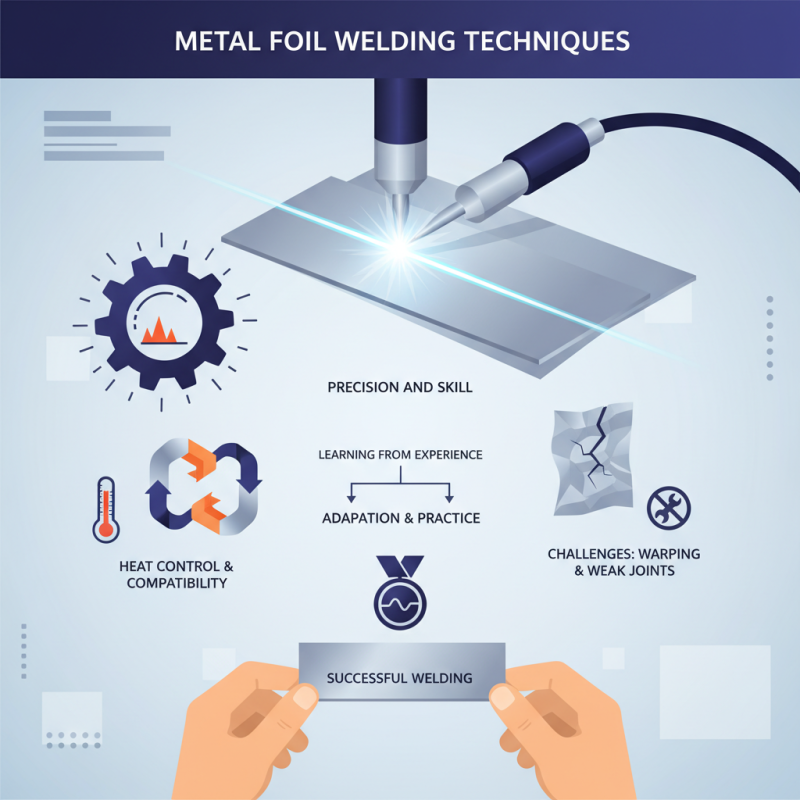
Understanding Metal Foil Welding: An Overview of Techniques
Metal foil welding is a specialized process essential for different industries. This technique enables connections between thin metal sheets, crucial for electronics and aerospace. According to industry reports, the demand for efficient metal working is expected to rise by 6.2% annually. However, the challenges remain.
Ultrasonic Metal Spot Welding is a popular method used for joining foil. It employs high-frequency vibrations to create localized heat. This approach minimizes thermal impact on surrounding materials. Some manufacturers have reported inconsistencies with weld strength. This issue often stems from improper maintenance of equipment or variations in foil thickness. Attaching sensors for real-time monitoring may address these discrepancies.
Another technique to explore is laser welding. While it offers precision, it can be cost-prohibitive for smaller projects. Industry data indicates that operators need extensive training. Mistakes here can lead to significant waste. Continuous learning and adaptation are necessary in this evolving field. Time and resource investment is essential for mastering these methods.
Essential Equipment for Metal Foil Welding: A Comprehensive Guide
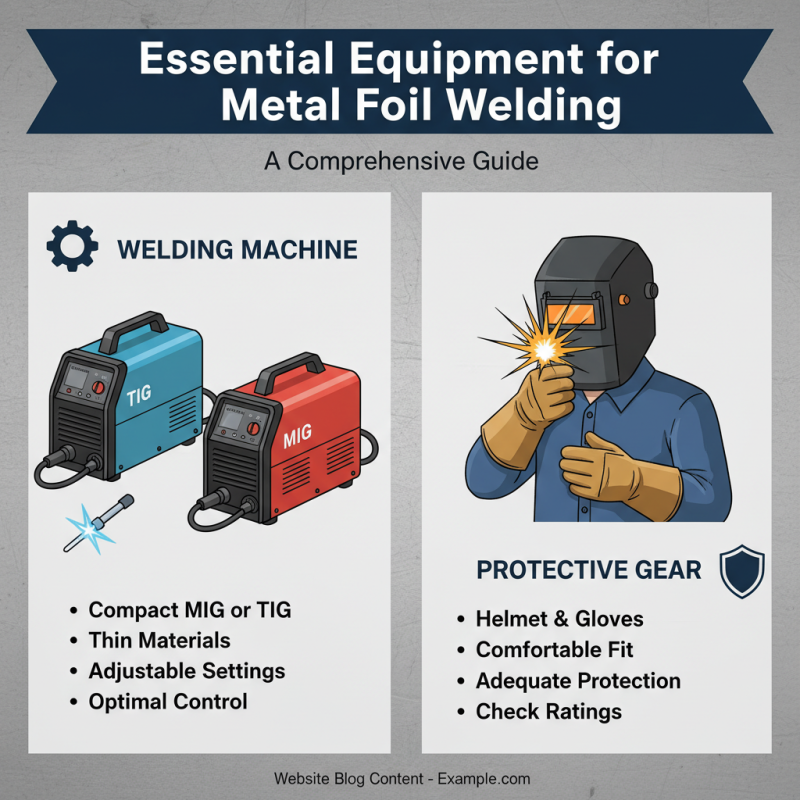
When it comes to metal foil welding, having the right equipment is crucial. You need a solid welding machine that can handle thin materials effectively. A compact MIG or TIG welder works well for most projects. Remember to choose one with adjustable settings for optimal control. Protective gear is also essential. A welding helmet and gloves should fit comfortably. Check the ratings and ensure they offer adequate protection.
Another indispensable piece is the welding table. A flat surface helps maintain stability while working. Look for models that can absorb heat well. Clamps can hold the metal foil in place. Using them ensures precision and prevents any unwanted movement during the process. Also, don’t forget about the filler material. It can enhance your welds, but selecting the right type for your specific project is vital.
Some challenges may arise in your welding process. Poor technique can lead to weak joints. It’s common for beginners to struggle with controlling the heat. Sometimes, welds may look clean but lack strength. Take the time to practice on scrap materials. Reflecting on your mistakes can guide you in perfecting your skills. The right equipment, coupled with thoughtful practice, leads to better results.
Key Techniques for Successful Metal Foil Welding
Metal foil welding is a precise technique that requires a clear understanding of key methods for success. One critical aspect is the selection of the right equipment. Using an Ultrasonic Metal Welding Machine can significantly enhance the welding process. According to industry reports, efficiency can improve by over 30% with ultrasonic technology compared to traditional methods. This machine utilizes high-frequency vibrations to create localized heat, ensuring a strong bond with minimal material distortion.
Preparation of the metal surface is also vital. Clean surfaces free from contaminants ensure optimal fusion. Studies indicate that contaminants can reduce weld strength by up to 40%. A visual inspection before welding helps identify potential issues. Additionally, adjusting parameters like amplitude and pressure can lead to better results. However, achieving the perfect balance can sometimes be challenging. Many welders must experiment to find the right settings for different materials.
Not all trials yield success initially. Common mistakes include using excessive pressure or incorrect frequency settings. These can lead to weak welds or even damage to the materials involved. Continuous improvement through reflection on each weld's performance is essential. Learning from these setbacks can provide valuable insights for future projects, ultimately honing one’s skills in metal foil welding.
Common Challenges in Metal Foil Welding and Their Solutions
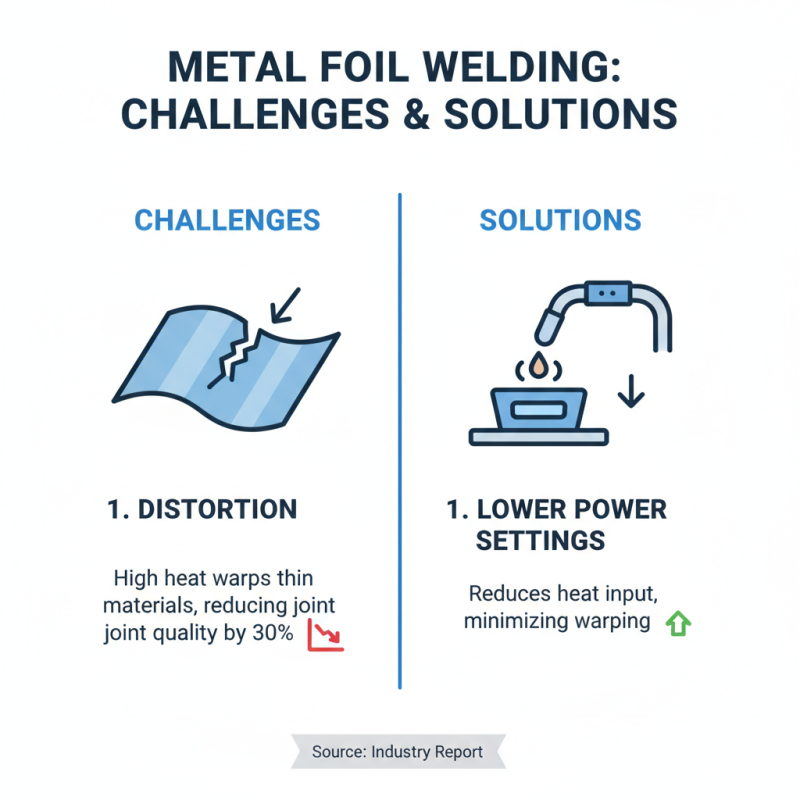
Metal foil welding presents unique challenges. One common issue is distortion. The heat input can warp thin materials. This often results in poor joint quality. According to a recent industry report, distortion can reduce the effectiveness of welds by up to 30%. A solution includes using lower power settings. This reduces heat input and minimizes warping.
Another challenge is achieving a strong bond in Metal-Plastic Joining. The differences in materials can complicate the welding process. Inconsistent melting points create weak seams. Reports indicate that a significant percentage of failures stem from inadequate fusion. To combat this, pre-heating the metal foil can be beneficial. It helps in achieving a better fusion by aligning the melting points more closely.
Consistency is crucial. For the best results, maintain a steady speed during the welding process. If the speed fluctuates, the quality may suffer. Regular inspections can help catch issues early. Remember, success in metal foil welding requires diligence. Adjusting parameters based on material types is essential for optimal results.
Tips for Achieving Optimal Weld Quality in Metal Foil Welding
Metal foil welding requires precision and skill. Achieving optimal weld quality involves several important techniques. The unique properties of metal foil demand careful attention. Research indicates that improper settings can lead to significant weaknesses, reducing the overall integrity of the Metal Weld.
One key tip is to control the heat input carefully. Too much heat can cause warping or burn-through. Adjusting the speed of the weld can also affect the quality. A slower pace may provide a stronger bond, but too slow can lead to overexposure. Aim for a consistent speed that matches the thickness of the foil.
Another tip is to ensure proper cleanliness. Any contaminants on the metal surface can compromise the weld. Use degreasers or lint-free wipes before beginning work. Even minor residues can lead to defects. Regular inspections during the process can be helpful too. Remember, the outcome is often only as good as your preparation. Pay attention to every detail for the best Metal Weld result.
Safety Precautions When Welding Metal Foils
Welding metal foils requires careful attention to safety. Always wear protective gear, including gloves and masks. These items help shield your body from heat and sparks. The thin nature of metal foils makes them more likely to warp. This can lead to unexpected accidents. Ensure your workspace is well-ventilated. Toxic fumes can be emitted during the welding process.
When setting up, check for any flammable materials nearby. If your workspace is cluttered, tidy it up. It’s easy to overlook small hazards. A clean area can prevent major incidents. Additionally, ensure your equipment is functioning properly. Faulty tools increase the risk of accidents.
Even the most experienced welders face challenges. Practice makes perfect, but mistakes happen. Be open to learning from them. Ensure you understand the process before starting. This includes knowing the right techniques and settings for your specific materials. Each project may require adjustments. Don't rush. Always prioritize safety alongside quality in your work.
Best Practices for Post-Welding Inspection and Maintenance
After welding metal foil, thorough inspection is critical. Look for visible imperfections like cracks, gap inconsistencies, or misalignments. These flaws can compromise the integrity of the weld. A keen eye during this stage ensures that potential issues are identified early.
Post-welding maintenance is equally vital. Regular cleaning prevents contamination of the weld joint. Additionally, handle the welded area with care to avoid distortions. Documenting each inspection can help in spotting recurring issues.
This practice provides insight into welding habits that may need improvement. Reflecting on past projects can lead to better techniques in the future. Every welder makes mistakes, but learning from them is key.
FAQS
: Metal foil welding is a precise process for joining thin metal sheets, essential in industries like electronics and aerospace.
Challenges include inconsistencies in weld strength due to equipment maintenance issues or variations in foil thickness.
Attaching sensors for real-time monitoring can help address discrepancies and enhance overall weld quality.
Laser welding requires significant training and investment, making it less feasible for smaller projects or inexperienced operators.
Selecting the right equipment and ensuring clean surfaces before welding are critical for achieving optimal results.
Contaminants can reduce weld strength by up to 40%. Clean surfaces are crucial for effective fusions.
Excessive pressure or incorrect frequency settings can lead to weak welds. Reflection and learning from failures are vital.
Too much heat can cause warping. Carefully controlling heat and weld speed is important for a strong bond.
Proper preparation can prevent defects. Attention to detail during cleaning contributes significantly to weld outcome quality.
Conclusion
Metal Foil Welding is a specialized technique that plays a crucial role in various industries, requiring a thorough understanding of its methods and challenges. The overview of metal foil welding techniques highlights the importance of selecting the right equipment, which is essential for achieving precise and strong welds. Key techniques such as proper alignment, temperature control, and appropriate filler materials are emphasized for successful outcomes.
Furthermore, common challenges like distortion and incomplete fusion can often be resolved with targeted solutions. To achieve optimal weld quality, operators are encouraged to follow best practices and safety precautions throughout the welding process. Post-welding inspection and maintenance are also critical to ensure lasting durability and performance of the welded joints. By adhering to these guidelines, professionals can enhance their expertise in Metal Foil Welding and ensure successful project results.

 1Durch die gruppenweite Einführung und Harmonisierung unseres integrierten Managementsystems (IMS) werden alle bestehenden Unternehmens-, Qualitäts-, Umwelt- und Energiepolitiken durch diese Unternehmenspolitik ersetzt. Der Slogan „Textil hat Zukunft – auch in De