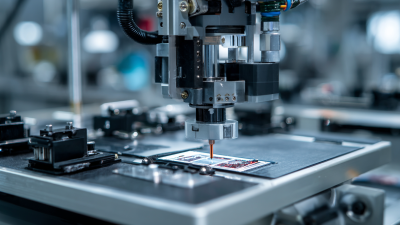
Hey, have you ever heard of Metal Foil Welding? It’s actually a pretty crucial process across a bunch of industries—think aerospace, automotive, electronics, you name it. I came across a report from MarketsandMarkets that says the global market for welding materials is expected to jump from around $18.9 billion in 2022 to a whopping $27.9 billion by 2027. Crazy, right? This upswing is mainly because there’s a bigger demand for lightweight materials and all these advanced manufacturing techs.
Now, when it comes to Metal Foil Welding, using the right methods can really boost productivity. Techniques like laser welding and Ultrasonic Welding have become quite popular lately. Each has its perks — laser welding, for example, is super precise, but sometimes it can cause thermal distortion, especially with sensitive materials. Ultrasonic welding is another option, but if it's not set up just right, results can be a bit hit or miss.
Even with all these tech advances, there are still some hurdles. Many companies find it challenging to get consistent, high-quality welds. Factors like controlling temperature and avoiding contamination can really throw things off. That’s why there’s a constant need to improve and refine these welding processes. By staying on top of new tech and tackling those ongoing issues, manufacturers can ultimately produce better quality products more efficiently.
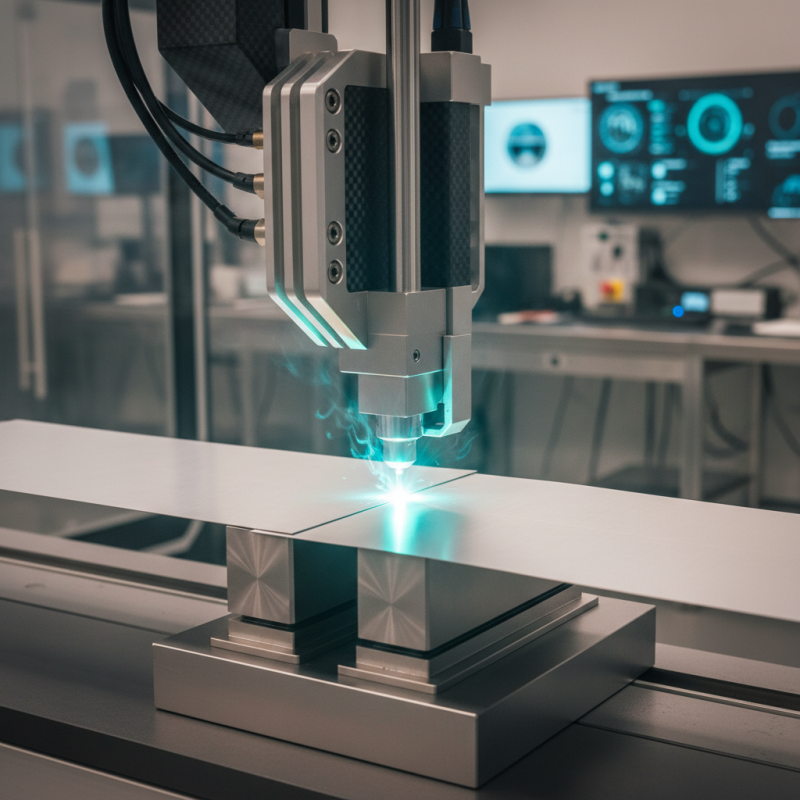
Understanding Metal Foil Welding: Key Concepts and Benefits
Metal foil welding is a specialized technique that brings unique benefits to various applications. It involves fusing thin sheets of metal using heat and pressure. This process is useful in sectors like electronics, aerospace, and automotive. Understanding its key concepts is essential for effective implementation.
The precision of metal foil welding can yield clean and strong joints. Minimal heat input reduces thermal distortion, making it ideal for delicate components. However, achieving the perfect weld can be tricky. Inconsistent parameters can lead to weak joints or overheating. It's vital to refine techniques through practice and experimentation. Learning from mistakes is part of the process.
The main advantage of metal foil welding lies in its efficiency. It allows for high-speed production while maintaining material integrity. Still, not all welding methods adhere to the same standards. Each setup may require adjustments based on the materials used. Key factors like pressure and temperature must be monitored closely. Developing these skills takes time and patience, but the results can be rewarding.
Best Metal Foil Welding Techniques for Efficient Results
| Technique | Description | Advantages | Applications |
| Laser Welding | Uses a laser beam to melt and join metal foils. | High precision, minimal thermal distortion. | Electronics, medical devices. |
| TIG Welding | Tungsten Inert Gas welding for strong, clean welds. | Versatile, clean finish, good for thin materials. | Aerospace, automotive components. |
| Resistance Welding | Uses electrical resistance to generate heat and join metals. | Fast, good for mass production. | Automotive assembly, industrial manufacturing. |
| Electron Beam Welding | Utilizes a beam of high-energy electrons to weld. | Deep penetration, minimal heat affected zone. | Nuclear industry, aerospace. |
Types of Metal Foil and Their Specific Welding Techniques
In the realm of metal foil welding, different materials require specific techniques to achieve optimal results. Common metal foils include aluminum, copper, and nickel. Each type presents unique challenges during the welding process. For instance, aluminum is known for its low melting point, which can lead to burn-through if not carefully managed. The use of techniques such as Ultrasonic Metal Spot Welding can help mitigate this risk by ensuring a quick, clean fusion without excessive heat input.
Copper, on the other hand, poses its own set of difficulties due to its high thermal conductivity. This can result in poor weld quality if not properly addressed. A recent industry report indicated that 45% of defects in copper foil assemblies stem from inadequate welding methods. Adopting optimized techniques, such as laser welding or ultrasonic methods, significantly reduces these defects. However, even these advanced methods can fall short if the parameters are not carefully controlled.
Nickel foils often require specialized approaches due to their toughness and propensity for oxidation. Proper surface preparation is crucial here. Inadequate cleaning can lead to contamination, compromising weld integrity. Experts suggest that nearly 30% of all welding failures in nickel applications are traceable back to surface issues. Therefore, regardless of the chosen method, diligence in preparation and execution can markedly enhance the effectiveness of metal foil welding.
Essential Tools and Equipment for Metal Foil Welding
When it comes to effective metal foil welding, the right tools can make a big difference. One essential tool is the Ultrasonic Metal Welding Machine. This equipment uses high-frequency vibrations to create strong, durable joints. It is particularly effective for thin metal foils. Proper setup of the machine is crucial for optimal results. A simple mistake can lead to weak welds or even damaged materials.
In addition to the welding machine, ensure you have appropriate safety gear. Gloves, goggles, and protective clothing are essential. They protect you from sparks and metal fragments during the welding process. Additionally, keep your workspace organized. Clutter can lead to accidents or mistakes.
Tips: Regular maintenance of your Ultrasonic Metal Welding Machine is vital. Check the ultrasonic stack for wear and tear. Replace any damaged parts promptly to avoid issues. Always practice on scrap materials before starting on your actual project. This will help you refine your technique and identify areas for improvement. Remember, even small adjustments can lead to vastly improved results.
Step-by-Step Guide to Preparing Metal Foil for Welding
Preparing metal foil for welding requires careful attention to detail. Start by selecting the right type of metal foil. Thinner materials can be more challenging to weld, but they allow for more intricate designs. Clean the surfaces thoroughly to remove any contamination. Use solvent or abrasive pads for optimal results. A clean surface ensures a strong bond during welding.
Tips: Consider using a band saw or shear for cutting metal foil. This provides cleaner cuts and minimizes burrs. Avoid bending the foil too much; it may weaken the area. When handling metal foil, use gloves to prevent oils from your hands from transferring to the surface. Proper handling can save time and reduce the need for additional cleaning steps later.
After preparation, focus on your welding technique. Control your heat input carefully to prevent distortion. Metal-Plastic Joining processes can provide more efficient results. Experiment with different welding speeds and angles to find what works best for your material. Before starting a project, practice on scrap pieces. This helps to refine your skills and avoid costly mistakes in your final piece. Remember, every attempt is an opportunity to learn.
Techniques to Ensure Strong and Clean Welds in Metal Foil
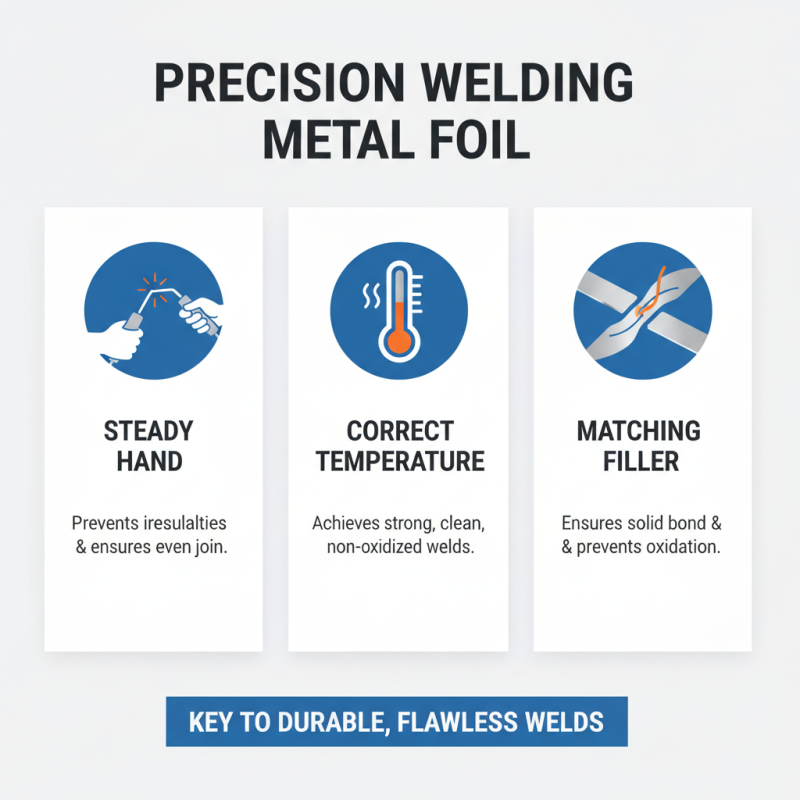
When welding metal foil, precision is key. Maintaining a steady hand and ensuring the correct temperature are crucial for achieving strong, clean welds. The choice of filler material matters too. Thin materials like metal foil can be challenging. Using a filler that matches the foil's composition helps prevent oxidation and ensures a solid bond.
Technique plays a significant role in the outcome. Tacking the corners before proceeding with full welds can stabilize the foil. This practice allows you to adjust more easily without warping the material. Remember, too much heat can create unsightly burn marks. It's often better to work in shorter bursts, allowing the metal foil time to cool between passes.
Reflection on past projects reveals room for improvement. Some welds may have inconsistencies, showing where a steadier hand would have better served the task. Perhaps experimenting with different angles or torch settings will yield better results. Consistently focusing on these small details can enhance your Metal Weld techniques and lead to more satisfying outcomes.
Common Challenges in Metal Foil Welding and How to Overcome Them
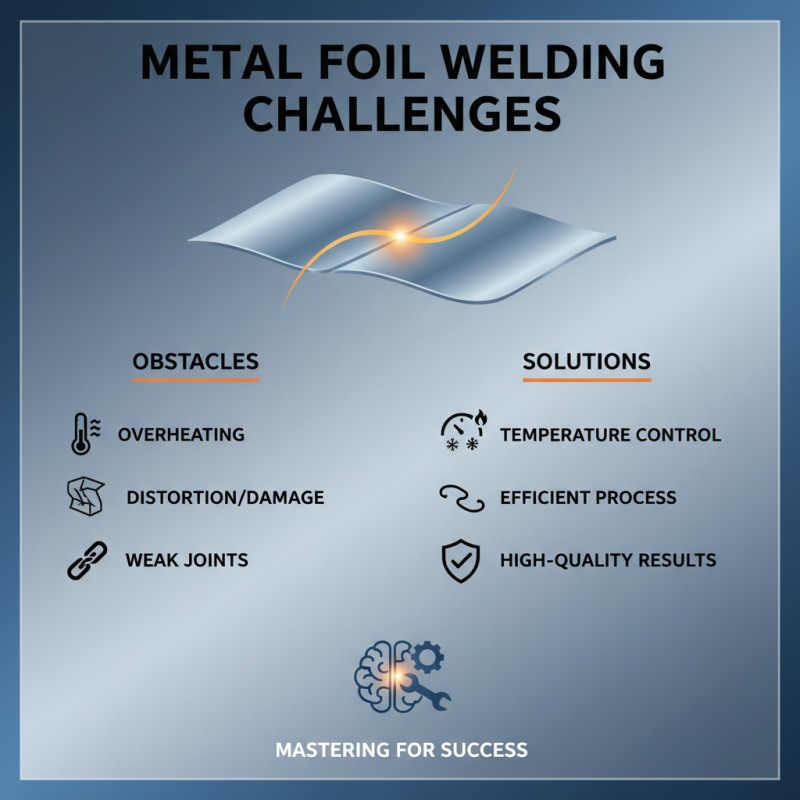
Metal foil welding presents unique challenges. Mastering these obstacles can lead to efficient and high-quality results. One frequent issue is overheating. Excessive heat can distort or damage the thin foil. This can lead to weak joints. Controlling the temperature is crucial during the welding process.
Another challenge is alignment. Misalignment can cause improper welds. Ensuring each piece fits correctly is vital for success. Using jigs or fixtures can help maintain alignment throughout the welding.
**Tips:** Use a precise heat source. This minimizes the risk of overheating. Regularly check your equipment for accuracy. Ensure a consistent weld speed for better results.
Cleanliness also plays a substantial role. Contaminants on the metal foil can compromise weld quality. Always clean surfaces before the welding process. This simple step can prevent many issues.
**Tips:** Implement a cleaning routine. Simple wipes can remove debris easily. Consider using solvent-based cleaners for stubborn contaminants.
Experimenting with different techniques can reveal better approaches. Don't hesitate to reflect on your results. Not all attempts will yield the desired outcome, so learning from mistakes is essential.
Best Practices for Post-Welding Inspection and Finishing Touches
Post-welding inspection is crucial for a successful project. After completing the welds, taking time to examine the joints ensures quality. Look for cracks, porosity, or inconsistent weld beads. These flaws can affect the structural integrity of the metal. A detailed inspection can save you from future complications and costly repairs.
Tips: Use a magnifying glass to catch small defects. A second pair of eyes can also be valuable. Sometimes, we become too accustomed to our work. An outsider's perspective can highlight unnoticed issues.
Finishing touches matter. Clean the weld area to remove slag and discoloration. This enhances the appearance and longevity of the weld. Achieving a smooth finish may require grinding or polishing. Do not rush this step; it is essential for overall quality.
Tips: Experiment with different cleaning methods to find what works best for your project. Remember, a job well done includes these final details. A rushed finish can lead to regret later on. Always take pride in your work.
Best Metal Foil Welding Techniques for Efficient Results
FAQS
: It enhances convenience and efficiency. Users report improved daily routines with minimal effort involved.
Regular use is recommended. However, some users find occasional use also provides benefits.
Some users experience mild discomfort initially. It’s important to listen to your body's response.
Generally, it is safe for most age groups. However, older adults may need to consult a professional.
Document your experience and reach out for support. Feedback helps improve future iterations.
It can supplement but not completely replace them. Each user’s needs vary significantly.
Performance is usually based on user feedback and testing. Results can differ among individuals.
Consider tracking your usage and experiences. Reflect on what aspects didn't meet your expectations.
Online resources and community forums provide insights. Engaging with others can offer diverse perspectives.
Experiences differ widely based on personal usage. Some may not meet the product's intended purpose.
Conclusion
Metal Foil Welding is a specialized process that requires a deep understanding of key concepts and techniques to achieve efficient results. This technique involves various types of metal foils, each necessitating unique welding methods tailored to their specific properties. Essential tools and equipment play a crucial role in ensuring precision and quality, while a step-by-step preparation guide is vital for setting up the materials correctly.
To achieve strong and clean welds, it is important to implement specific techniques and be aware of common challenges faced in metal foil welding, such as warping or contamination. Effectively addressing these challenges will lead to successful outcomes. Finally, adopting best practices for post-welding inspection and finishing touches is essential to ensure the durability and aesthetic quality of the welds, reinforcing the importance of every step in the metal foil welding process.


 1Durch die gruppenweite Einführung und Harmonisierung unseres integrierten Managementsystems (IMS) werden alle bestehenden Unternehmens-, Qualitäts-, Umwelt- und Energiepolitiken durch diese Unternehmenspolitik ersetzt. Der Slogan „Textil hat Zukunft – auch in De