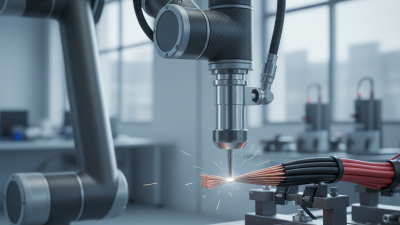
In today’s super competitive market, picking the right manufacturing partner can make all the difference. When it comes to electronics, Wire Harness Welding is a pretty critical part — it’s all about those vital connections. If you’ve seen reports lately, you’ll notice that the global wire harness market is expected to hit around $47.5 billion by 2026, growing at about 6.2% annually. That kinda growth tells you just how much demand there is for reliable, efficient connections across different applications.
A guy like Dr. James Lang, an industry expert and well-known figure in this field, really emphasizes how important quality is when it comes to manufacturing. He’s quoted saying, ‘Picking the right manufacturer for wire harness welding can seriously impact how your products perform.’ Basically, making smart choices about ODM and OEM manufacturers can lead to better quality and smoother operational performance.
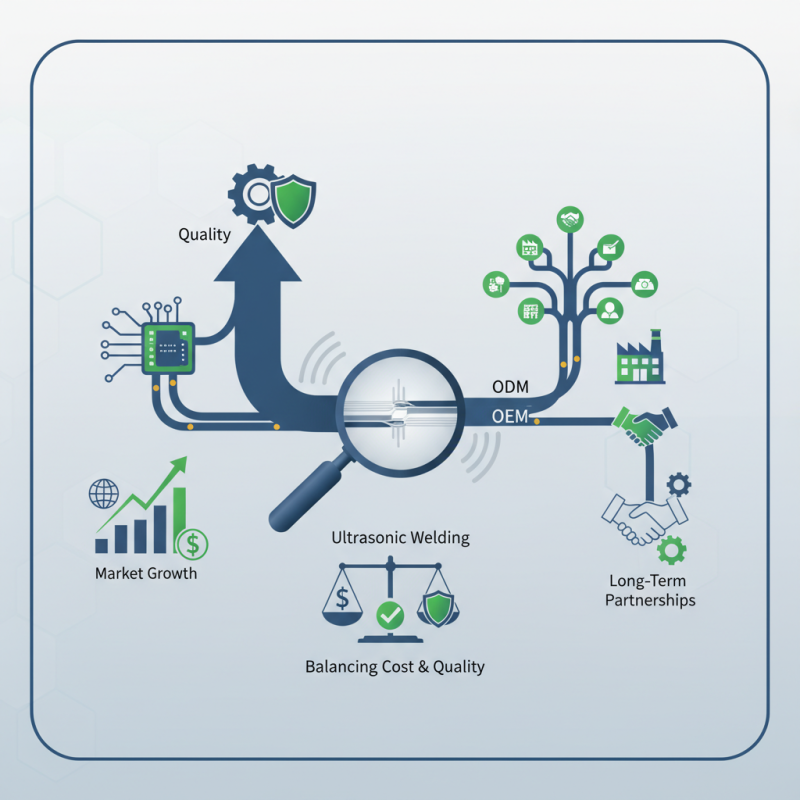
There’s this cool tech called Ultrasonic Wire Harness Welding — it’s really shaken things up in this space. It helps create solid joints without messing up the materials with too much heat. But here’s a question businesses should ask themselves: are they focusing enough on quality, or just chasing lower costs? Because if everyone’s just after saving a buck, it might end up hurting long-term relationships with trustworthy manufacturers. Finding that sweet spot between cost and quality is key when you’re making decisions about wire harness welding.
Understanding ODM and OEM: Definitions and Key Differences
When considering ODM and OEM wire harness welding manufacturers, understanding their definitions and differences is crucial. ODM stands for Original Design Manufacturer, while OEM means Original Equipment Manufacturer. Both play vital roles in the production process, but they cater to different business needs. According to recent industry reports, ODMs typically handle design and production, while OEMs focus entirely on production based on a provided design.
Choosing the right manufacturer can impact product quality and delivery speed. For example, ODMs often offer more creative input, which can enhance innovation. In contrast, OEMs are usually less involved in design, relying on your specifications. Understanding these nuances allows businesses to align their strategic goals with the right manufacturing partner.
Tips: Consider your product vision. If you want more flexibility in design, ODM may suit you better. If you have a clear design plan, an OEM can streamline production. Investing in equipment like the Ultrasonic Wire Harness Welding Machine can improve efficiency, but does it match your specific production needs? Explore your options carefully to find the best fit for your project.
Market Growth Trends in the Wire Harness Manufacturing Industry
The wire harness manufacturing industry is experiencing robust growth. As technology advances, the demand for efficient and reliable connections increases. The market for wire harnesses is projected to rise significantly in the coming years. With expanding sectors like automotive and electronics, businesses are seeking quality products.
Many companies opt for ODM and OEM Wire Harness Welding manufacturers. These manufacturers provide tailored solutions that meet specific needs. They focus on innovation and precision, ensuring the highest quality in production. Tips for selecting a reliable manufacturer include assessing their experience and client feedback. A company with a strong reputation is often a safer choice.
Additionally, consider the technological capabilities of the manufacturer. A modern facility with advanced equipment can enhance production efficiency. However, it’s essential to evaluate their flexibility in adapting to changes. A rigid approach may lead to challenges down the line. The choice of manufacturer can impact product delivery and overall performance in wire harness welding. Take the time to weigh options and find the best fit for your business needs.
Market Growth Trends in the Wire Harness Manufacturing Industry
The Advantages of Partnering with ODM and OEM Manufacturers
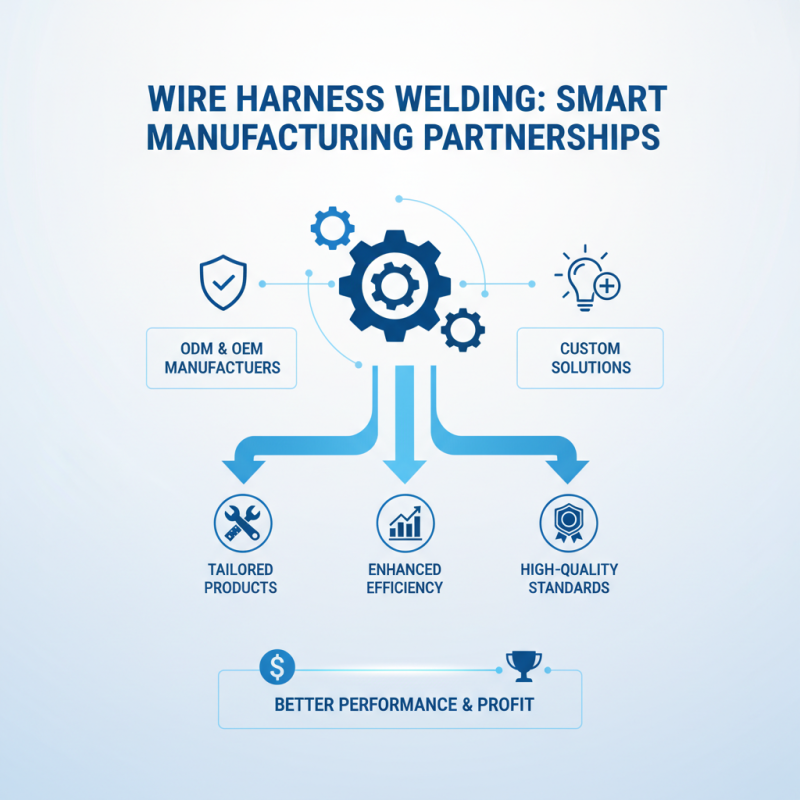
Partnering with ODM and OEM wire harness welding manufacturers can significantly benefit your business. These manufacturers offer excellent options for custom solutions. They understand the unique needs of different industries. By collaborating with them, you gain access to tailored products that enhance efficiency. Moreover, their expertise ensures high-quality standards, which can lead to better performance of your products.
Cost-effectiveness is another advantage of working with ODM and OEM manufacturers. They often have streamlined processes that reduce production costs. This means you can allocate resources more effectively, improving your bottom line. However, it's important to consider the potential for miscommunication. Ensuring clear specifications is key to avoid setbacks.
Incorporating new technologies and innovations is easier with these manufacturers. They often stay ahead of market trends, offering advanced solutions. Yet, rapid changes can pose challenges in adaptation. Businesses must reflect upon their flexibility and readiness to change. Finding the right balance between tradition and innovation is crucial for success in this partnership.
Quality Assurance Practices in Wire Harness Production
Quality assurance is critical in wired harness production. According to a 2021 market report, defects in wire harnesses can increase operational costs by up to 30%. Manufacturers must implement stringent quality control measures to avoid such issues. This includes regular inspections and testing at multiple stages of production.
One common practice is performing Electrical Continuity Tests (ECT) after assembly. These tests ensure that all connections are intact and functioning as intended. A report from the Institute of Electrical and Electronics Engineers states that 25% of wire harness failures occur due to improper connections. Regular training for technicians also plays a crucial role in maintaining quality standards. Skilled workers are less likely to make mistakes during the welding process.
Despite these practices, challenges remain in the industry. Variability in raw materials can lead to inconsistent quality. A study highlighted that 15% of manufacturers struggle with supply chain reliability. This inconsistency can affect the final product's performance. Thus, continuous improvement and adaptation are necessary for achieving high-quality wire harnesses.
Cost Efficiency Analysis: ODM vs. OEM Manufacturing
When considering ODM and OEM wire harness welding manufacturers, cost efficiency is a primary factor. A recent industry report indicated that companies can save up to 30% by choosing an ODM approach over traditional manufacturing methods. This cost reduction stems from the streamlined processes and shared resources typical in ODM setups. Companies often find that initial investment in ODM can yield long-term savings through reduced labor costs and lower material expenses.
However, the cost efficiency of OEM solutions can also be significant. Many businesses report a 20% increase in production quality with OEM manufacturers. The precision of OEM processes often leads to fewer defects, reducing waste and rework expenses. Note that while ODM can seem cheaper upfront, hidden costs may arise from less control over design specifications. In sectors like Automobile Wiring Harness Welding, this could mean compromised safety and performance standards.
Ultimately, each manufacturer's strategy should reflect its needs and market demands. Balancing cost with quality can be challenging, requiring careful analysis and reflection. Many companies find themselves revisiting their manufacturing choices after initial partnerships, seeking that elusive mix of efficiency and reliability in their production chains.
Case Studies: Successful Partnerships with ODM and OEM Providers
ODM and OEM wire harness manufacturers provide tailored solutions for various industries. Their expertise can lead to successful partnerships. For example, a recent collaboration involved upgrading a production line. The client needed to improve efficiency while ensuring product quality. By implementing an Ultrasonic welding machine for copper wire, the manufacturer reduced assembly time by 30%. This upgrade not only enhanced productivity but also cut costs in the long run.
Another partnership demonstrates the flexibility of ODM and OEM manufacturers. A startup sought rapid production of a new product. They faced challenges in sourcing components and managing timelines. The manufacturer stepped in, streamlining the process and utilizing ultraSonic Welding technology. In this case, every stage required precise coordination. Miscommunication led to a delay, stressing the importance of clear expectations. However, once aligned, the project progressed smoothly, highlighting the value of a strong collaboration.
Working with ODM and OEM providers can be a game-changer. Their ability to adapt and innovate is critical. Yet, businesses must remain aware of the potential pitfalls. Misunderstandings can arise, and the cost of delays is high. Regular feedback is essential for keeping projects on track. Each case shows that successful partnerships are built on trust and clear communication, ultimately leading to effective solutions.
Why Choose ODM and OEM Wire Harness Welding Manufacturers for Your Business? - Case Studies: Successful Partnerships with ODM and OEM Providers
| Case Study | Industry | Partnership Type | Outcome | Benefits Realized |
| Case Study 1 | Automotive | ODM | Increased efficiency | Reduction in production costs, improved product quality |
| Case Study 2 | Consumer Electronics | OEM | Faster time to market | Enhanced flexibility in design, shorter lead times |
| Case Study 3 | Telecommunications | ODM | Streamlined production | Increased reliability, cost savings in bulk manufacturing |
| Case Study 4 | Industrial Equipment | OEM | Enhanced product performance | Improved operational efficiency, reduced downtime |
Future Considerations: Innovations in Wire Harness Welding Technology
In the evolving landscape of manufacturing, wire harness welding technology is witnessing significant advancements. The integration of automation is enhancing precision in the process. Automated systems can perform tasks faster than human operators. This not only improves efficiency but also reduces the likelihood of human error. However, such systems may lack the adaptability that human welders possess.
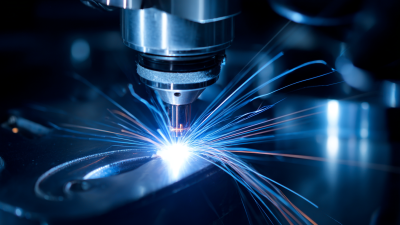
Moreover, innovations like laser welding are gaining traction. This technique provides cleaner and more efficient joins. It minimizes the heat affected zone, improving the integrity of the wires. However, the initial setup costs can be a barrier for some businesses. Many manufacturers are exploring hybrid approaches, combining automation with skilled labor. This strategy could balance efficiency with flexibility.
As these technologies evolve, companies must stay informed. The rapid pace of innovation challenges businesses to assess their current capabilities continually. They need to invest wisely, considering both immediate needs and future trends. Finding the right balance between new technology and traditional skills could define success in wire harness manufacturing.
The Impact of Ultrasonic Welding Technology on Plastic Manufacturing: Insights from the 2023 Global Plastics Industry Report
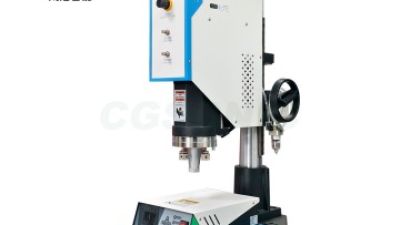
Ultrasonic welding technology is revolutionizing plastic manufacturing, as highlighted in the 2023 Global Plastics Industry Report. This innovative method utilizes high-frequency sound waves to join materials, ensuring excellent bonding strength while minimizing the risk of thermal deformation. The improved design of ultrasonic welding systems has led to significant advancements in the stability and precision of the welding process. With a thickened steel body and a concentric straight axis design, these systems provide a more stable framework, which is crucial for achieving accurate welds in various plastic components.
The adaptability of the ultrasonic welding technology is underscored by the upgraded titanium alloy through-rod transducer, which effectively works with diverse materials such as steel, aluminum, and titanium molds. This compatibility broadens the range of applications, making it easier for manufacturers to tailor the technology for specific projects. The horizontal four-point adjustment feature further enhances the convenience of mold setup, enabling users to make quick and precise modifications to suit their production needs.
Additionally, advancements in the digital landscape of ultrasonic welding systems, such as capacitance digital matching and support for communication protocols, are improving operational efficiency. The new operating system allows for intuitive digital operation, streamlining the weld process while ensuring compatibility with modern manufacturing environments. As the plastics industry continues to evolve, these technological enhancements are poised to play a pivotal role in optimizing production efficiency and product quality.
FAQS
: The product is designed to improve user experience. It provides essential features for daily tasks.
Always follow the user guide. Regular maintenance is advised for optimal performance.
Troubleshoot using the provided steps. If the problem persists, consult customer support.
Yes, there is a limited warranty. Check the details in the documentation for coverage specifics.
It is suitable for most users. However, some features may require prior knowledge.
Software updates should be done regularly. Staying current helps maintain security and efficiency.
Additional resources are available online. User forums can also provide helpful insights and solutions.
Feel free to seek clarification. It’s okay not to know everything at first. Discovering features takes time.
Yes, follow safety instructions carefully. Misuse could lead to unintended consequences.
Unique features and user-friendly design set it apart. Yet, individual experiences may vary.
Conclusion
The article "Why Choose ODM and OEM Wire Harness Welding Manufacturers for Your Business?" explores the critical distinctions between Original Design Manufacturers (ODM) and Original Equipment Manufacturers (OEM) within the wire harness welding sector. As the market for wire harnesses grows, understanding these differences becomes essential for businesses looking to optimize their production processes. The piece highlights the advantages of partnering with ODM and OEM manufacturers, such as enhanced flexibility and access to innovative technologies that can streamline operations and reduce costs.
Additionally, the article emphasizes the importance of quality assurance practices in wire harness production, ensuring that products meet industry standards. A cost efficiency analysis reveals the financial benefits of choosing either ODM or OEM manufacturers, tailored to specific business needs. Through case studies, successful partnerships are illustrated, showcasing the impact of these collaborations. Finally, the article discusses future innovations in wire harness welding technology, signaling a promising direction for manufacturers and their business partners.

 1Durch die gruppenweite Einführung und Harmonisierung unseres integrierten Managementsystems (IMS) werden alle bestehenden Unternehmens-, Qualitäts-, Umwelt- und Energiepolitiken durch diese Unternehmenspolitik ersetzt. Der Slogan „Textil hat Zukunft – auch in De