When you're looking into OEM wholesale Battery Tab Welding solutions, it's pretty important to really understand the industry first. Dr. Emily Carter, who's pretty much an authority in Battery Tab Welding, points out that "quality welding is absolutely key to how well a battery performs." That really highlights how crucial it is to pick the right solutions that suit your needs.
Battery tab welding plays a big role in making lithium-ion batteries. You want a solid weld because it’s what ensures your battery lasts longer and works more efficiently. But here’s the tricky part—when you're choosing which solution to go with, you gotta think about how fast it welds, how precise it is, and if it works well with different battery types. Honestly, figuring all this out can get confusing really quick if you're not clear on what you’ll need now and down the line.
The options out there for Battery Tab Welding solutions are pretty much endless. You'll find some manufacturers offering cheap options that, honestly, can cut corners on quality. It’s super important to tell the difference between saving some bucks and investing in something reliable. Take your time, do some homework on potential suppliers, check out their track records—don’t just go for the cheapest choice. Investing in good quality welding solutions can really boost your battery’s performance and lifespan, which ultimately makes your customers happier and your business grow.

Understanding OEM vs. ODM Battery Tab Welding Solutions
When considering Battery Tab Welding solutions, it's essential to understand the difference between OEM and ODM providers. OEM (Original Equipment Manufacturer) focuses on producing components according to clients' specifications. They maintain strict quality control and often offer more reliable products due to established production processes. This reliability can be a significant advantage when choosing battery tab welding solutions for your projects.
On the other hand, ODM (Original Design Manufacturer) companies provide complete solutions, including product design. They can adapt to specific needs but may not always guarantee the same quality as OEM options. This approach can lead to innovative designs, but it might come with risks regarding consistency in battery tab welding quality. Evaluating these options requires careful consideration of your project's unique demands.
Understanding your requirements is vital. If customization is needed, ODM may suit you better. However, if you need reliability and standardized solutions, consider OEM. Balancing these factors ensures that your chosen battery tab welding solution aligns with your goals. Reflect on what aspects matter most for your production and be prepared to adjust your choice based on evolving needs.
Key Factors to Consider When Selecting Battery Tab Welding Equipment
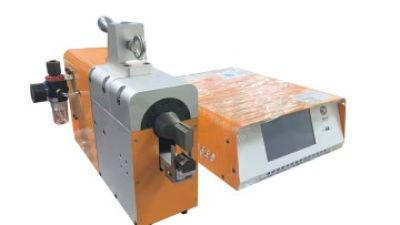
When selecting battery tab Welding Equipment, several key factors come into play. The type of welding technology is crucial. Options include ultrasonic, laser, and resistance welding. Each method has unique advantages suited for different battery types and production scales. Understanding the requirements of your battery design will guide you toward the most effective option.
Another critical factor is the equipment's compatibility with Battery Shell Sealing Welding processes. Compatibility ensures that your production line remains efficient. It’s worth evaluating how seamlessly the welding machine will integrate with other manufacturing processes. Don't overlook the importance of training and support from the manufacturer. Having reliable assistance can significantly impact your operational efficiency.
Price is often a major consideration but should not overshadow the need for quality and reliability. Cheaper options may lead to compromises in performance. Consider long-term costs over initial investment. Lastly, seek out user reviews and expert opinions. This research can help you avoid pitfalls and make a well-informed decision. Reflecting on past experiences can also help you choose wisely.
Evaluating the Quality and Safety Standards in Battery Tab Welding
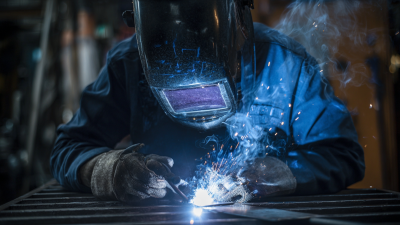
When selecting OEM wholesale battery tab welding solutions, quality and safety standards are crucial. A reliable welding process ensures the longevity and performance of battery products. High-quality materials are important; weak connections can lead to failure. Look for apparatus that meets established safety norms. This includes inspecting the construction of the welding equipment and the credentials of the manufacturers.
Inspecting the process used is critical. A good process minimizes defects and improves consistency. Pay attention to the temperature control during welding; overheating can compromise integrity. Consider certifications from recognized standards organizations. This ensures that the equipment has undergone rigorous testing.
Despite these guidelines, complexities can arise. Sometimes, manufacturers may offer solutions that seem satisfactory at first glance. However, a deeper dive may reveal lurking issues. Are these solutions genuinely effective? Are they tailored for your specific needs? Balancing cost and quality is often a challenging task. You must weigh your options carefully, as the wrong choice can have lasting consequences.
Cost Analysis of OEM Wholesale Battery Tab Welding Solutions
When selecting OEM wholesale battery tab welding solutions, cost analysis is crucial. Companies often overlook hidden expenses while focusing on initial prices. Price per unit may seem attractive, but quality and durability should also factor in. Cheap options may lead to higher failure rates, resulting in replacements and repairs. This cycle increases overall costs significantly.
It’s important to evaluate the specifications of the welding solutions. Understanding the materials used and the technology employed can provide insights into long-term reliability. High-quality Electronic Component Welding can ensure robust connections, which are essential for performance. Paying attention to the supplier's reputation can help mitigate risks.
Additionally, consider the scalability of the solution. A system that works for small production runs may not be ideal for larger operations. This can lead to operational disruptions and increased costs down the line. Reflecting on your current and future needs will guide you in making sensible investments in battery tab welding solutions. Finding the right balance between cost and quality can be challenging, but it is necessary for sustainable growth.
Comparative Review of Welding Technologies for Battery Tabs
When selecting OEM wholesale battery tab welding solutions, understanding the various welding technologies is crucial. Each method has unique advantages. Resistance welding is popular due to its speed and efficiency. It creates strong, reliable bonds quickly. However, it may not work well with all battery types. Some users find it less adaptable.
Laser welding offers precision. It minimizes heat affect on surrounding materials. This method is ideal for delicate battery designs. However, the initial setup cost can be high. Users must weigh the cost against potential long-term benefits. Many opt for laser welding for high-performance applications.
UltraSonic Welding is another option. It uses high-frequency vibrations to join materials. This technology is effective for thin metals and provides a clean weld. However, it may not deliver the same strength as resistance welding. Users should consider the specific requirements of their projects. In choosing a welding solution, assessing the material and end-use is essential. Each technology presents unique challenges and benefits that affect overall performance.
How to Choose OEM Wholesale Battery Tab Welding Solutions for Your Needs?
| Welding Technology | Efficiency | Cost | Precision | Ideal Applications |
| Laser Welding | High | $$$ | Very High | Precision Battery Manufacturing |
| Ultrasonic Welding | Medium | $$ | High | Thin Materials |
| Resistance Welding | High | $ | Medium | Automotive Batteries |
| Arc Welding | Medium | $$ | Medium | Heavy-Duty Applications |
| TIG Welding | Medium | $$$ | High | High-Performance Batteries |
Assessing Supplier Reliability and Industry Reputation
Choosing the right OEM wholesale battery tab welding solution hinges significantly on supplier reliability and industry reputation. Suppliers should have a proven track record in the market. According to a recent industry report, 75% of businesses prioritize supplier reliability when selecting partners. This focus ensures they receive quality products consistently, which is crucial for maintaining production schedules.
Assessing a supplier’s reputation involves evaluating their experience and customer feedback. Look for reviews and case studies that illustrate their success with similar projects. For example, companies that specialize in Dissimilar Materials Welding have been recognized for their innovative approaches. Reports show that these suppliers often achieve weld strength improvements of up to 30% compared to conventional methods.
Additionally, consider the supplier’s certifications and industry standards compliance. This adds a layer of credibility. However, be aware that not all suppliers meet these standards, and some may overstate their capabilities. Thorough research and validation of claims can help mitigate risks. Ask for references and assess the level of support provided during the selection process. Reliable suppliers often demonstrate a commitment to customer service and quality assurance.
Trends and Innovations in Battery Tab Welding Solutions for Businesses
The landscape of battery tab welding solutions is rapidly evolving. Businesses now witness significant trends such as automation and improved precision. These innovations enhance productivity and reduce error rates. Advanced welding machines employ sophisticated algorithms for optimal performance. Many seek these high-tech options to boost their manufacturing efficiency.
Sustainability is another key trend shaping the industry. Companies are increasingly prioritizing eco-friendly materials and processes. This shift not only meets regulatory standards but also appeals to environmentally conscious consumers. Businesses must stay informed about these developments. Failure to adapt could result in a loss of competitive edge.
Moreover, integrating smart technologies into welding processes is gaining traction. Real-time monitoring and analytics allow for more informed decision-making. Yet, adopting such technologies can be daunting. Many companies still grapple with training their workforce and addressing potential tech issues. This reflects the need for ongoing evaluation and adaptation in an ever-changing industry.
Innovative Solutions for Efficient Copper Wire Welding and Cutting with Ultrasonic Technology
Ultrasonic technology is transforming the landscape of copper wire welding and cutting, offering innovative solutions that greatly enhance efficiency. This advanced method allows for rapid operations, such as bending, sealing, and cutting, to be completed in as little as one second. By minimizing production times, manufacturers can achieve significant improvements in overall efficiency and productivity, meeting the increasing demands of the market.
In addition to speed, ultrasonic welding technology ensures a high level of reliability and quality. The resulting seals exhibit strong bonding strength, preventing any leaks of air or liquid, which is critical for many applications. With excellent process control, this method adheres to the rigorous standards required for modern welding processes, thus providing a dependable solution for various industries.
Moreover, the environmental benefits associated with ultrasonic welding cannot be overlooked. This method negates the need for additional welding materials, thereby eliminating the introduction of impurities and ensuring cleaner outputs. Its low energy consumption aligns perfectly with the contemporary emphasis on energy conservation and sustainability, making it a forward-thinking choice for manufacturers committed to environmental protection.
FAQS
: Quality and safety standards are crucial. They ensure product longevity and performance.
Inspect the construction and check manufacturer credentials. Look for established safety certifications.
Overheating can compromise the integrity of the weld. Proper control minimizes defects in the process.
Some solutions may seem satisfactory initially but can hide deeper issues. Always assess their effectiveness.
Resistance welding is favored for its speed and efficiency, creating strong bonds quickly.
Yes, it may not work well with all battery types and can lack adaptability in some cases.
Precision and minimal heat affect on surrounding materials, making it ideal for delicate designs.
The initial setup cost is high, but long-term benefits may justify the expense.
It works well for thin metals and provides clean welds, but may lack strength compared to other methods.
Assess material and end-use requirements first. Each technology has unique challenges and benefits.
Conclusion
Choosing the right OEM wholesale battery tab welding solutions is crucial for ensuring efficiency and safety in battery manufacturing. This involves understanding the difference between OEM and ODM solutions and considering key factors such as equipment specifications, quality, safety standards, and cost implications. Evaluating the reliability of suppliers and their reputation in the industry is also essential to ensure long-term partnership and product reliability.
Furthermore, advancements in welding technologies are transforming how battery tabs are welded, making it vital for businesses to stay informed about the latest trends and innovations. By thoroughly assessing these aspects, companies can select a battery tab welding solution that aligns with their operational needs and production goals, ultimately enhancing their overall business efficacy.


 1Durch die gruppenweite Einführung und Harmonisierung unseres integrierten Managementsystems (IMS) werden alle bestehenden Unternehmens-, Qualitäts-, Umwelt- und Energiepolitiken durch diese Unternehmenspolitik ersetzt. Der Slogan „Textil hat Zukunft – auch in De