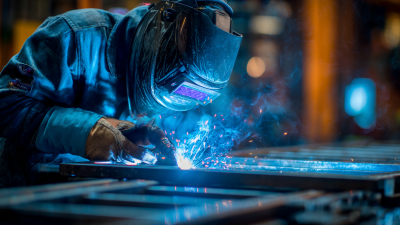



In the world of manufacturing, you really can't underestimate the importance of Non-Woven Fabric Welding when it comes to making sure products are durable and of good quality. I was chatting with David Smith from WeldTech Industries the other day, and he told me, "Good welding techniques are basically the backbone of reliable non-woven products." His insights actually help explain just how tricky this process can be and why it's so specialized.
Welding non-woven fabrics isn't just about pressing some heat together; it takes a lot of precision and the right equipment. How you apply heat and pressure really affects how tough the final product ends up being. A lot of companies struggle to get consistent results — which often means wasted materials and lost time. Honestly, paying attention to the little details can make all the difference, because sometimes flaws only show up after everything's assembled, leading to major delays and rework.
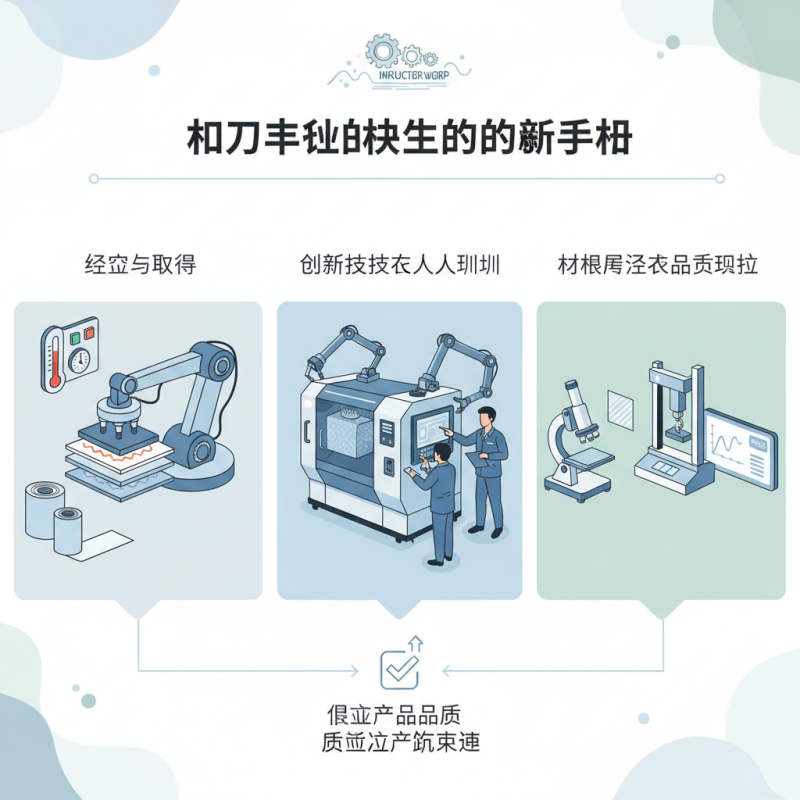
So, finding new and better ways to do non-woven fabric welding can really help out. Using advanced machinery and properly training staff can seriously boost efficiency. But, surprisingly, many still overlook the importance of testing materials thoroughly before diving into large projects. Keeping these things in mind can definitely lead to better quality products and speed up production overall.
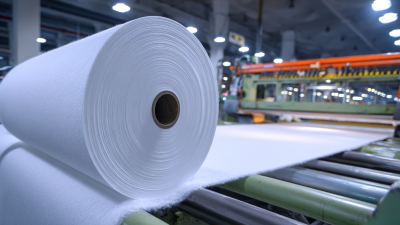
Non-woven fabrics are versatile materials made from fibers bonded together through mechanical, thermal, or chemical processes. Their unique composition gives them various characteristics, such as breathability, durability, and flexibility. These qualities make them suitable for many applications, including medical supplies and home textiles. Understanding these characteristics is key in utilizing non-woven fabrics effectively.
When welding non-woven fabrics, proper technique is crucial. The right temperature and pressure must be applied to achieve strong bonds. Temperatures that are too high can damage the fabric, while too low may leave weak seams. It’s essential to perform tests on sample pieces to determine the ideal settings.
Tips: Always start with small samples. This helps in adjusting settings without wasting materials. A clean working area can also prevent contamination. Additionally, consider the fabric type; some may require special treatment before welding. Understanding the specific needs of different non-woven fabrics can make a significant difference in the welding process.
Welding non-woven fabrics requires precision and the right technique. There are several methods to explore. Ultrasonic Welding is popular for its efficiency. It uses high-frequency vibrations to bond fabric layers. This method ensures quick results and minimizes thermal damage.
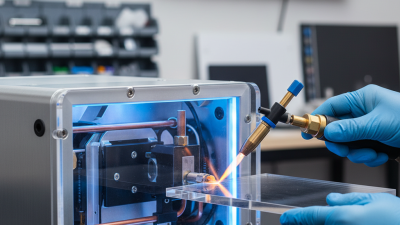
Another technique is hot air welding. It involves applying heat through a nozzle. This method is versatile but can be tricky. It’s easy to overheat the fabric, leading to distortion. Practicing with different temperature settings can help achieve better outcomes. It is vital to monitor the speed to avoid weak seams.
Thermal bonding is also a choice. It uses heat and pressure to fuse materials. While effective, achieving the right balance is crucial. Too much pressure can crush the fabric. Experimenting with various materials can yield insights into improving the process. Mistakes can lead to scrapped projects, but they are valuable learning opportunities. Each technique has its benefits and drawbacks, inviting continuous exploration and refinement in the welding process.
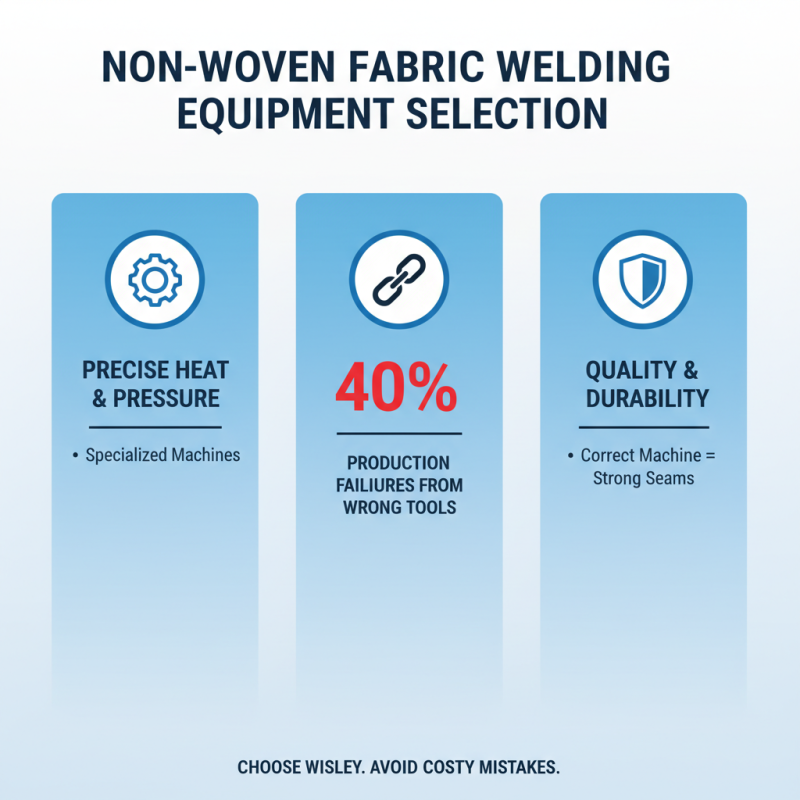
When choosing the right equipment for welding non-woven fabrics, careful consideration is crucial. The welding process often requires specialized machines that produce precise heat and pressure. According to industry reports, nearly 40% of production failures stem from using inappropriate tools. The selection of the right welding machine directly affects the quality and durability of the seams.
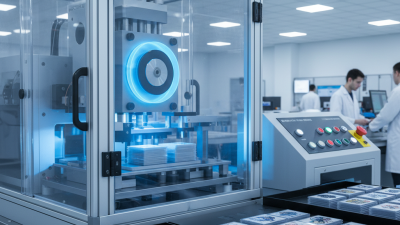
One should consider ultrasonic or thermal welding options. Ultrasonic welding is efficient and minimizes material damage. It uses high-frequency vibrations to create strong bonds. In contrast, thermal welding applies heat through an external source, offering flexibility. Each method has its own merits and challenges, making careful evaluation important.
Tips: Always test welding methods on sample materials first. This practice helps avoid costly mistakes. Additionally, ensure that the machine settings are tailored for specific non-woven fabric types. Different fabrics may require distinct temperature controls. Poor settings could lead to weak seals or melted areas. The aim should always be to achieve quality Non Woven Fabric Stitching while maintaining efficiency.
Preparing to weld non-woven fabric requires careful thought. Start by assessing the fabric type. Each variant has unique properties. Some may be thicker or more textured. Understanding these characteristics is crucial. Gathering the right tools in advance is also important. This includes a suitable welding machine and compatible settings.
Next, prepare the workspace. A clean and flat surface helps prevent errors. It’s also wise to ensure proper ventilation while working. Non-woven fabrics can emit fumes when heated. Experimenting with small sample pieces can save time. Understanding how different temperatures affect the fabric is essential. Sometimes, the desired result isn’t achieved on the first attempt. That’s part of the learning process.
Lastly, review safety protocols. Protective gear is often overlooked. Wearing gloves, goggles, and masks can prevent accidents. Reflect on any unexpected issues during the welding process. This allows for improvements in future projects. Achieving effective results may require adjustments. Every experience helps refine techniques over time.
Welding non-woven fabric requires careful attention to three key parameters: temperature, pressure, and timing. The temperature must be precise. Studies show optimal thermal ranges vary from 120°C to 200°C. Too high of a temperature can damage fibers, while too low results in poor bonding.
Pressure applications are critical. A recommended range is 1.5 to 3.0 MPa. Insufficient pressure can lead to inadequate fusion. Conversely, excessive pressure may crush the fabric, resulting in weak seams. It's a delicate balance that often requires trial and error.
Timing also plays a vital role. The recommended weld time typically falls between 0.5 to 3 seconds, depending on fabric thickness. Long exposures can cause overheating. Shortened durations may not allow complete bonding. Each fabric type can react differently, making it essential to adjust parameters carefully. Experimentation and reflection on the results can lead to improved techniques over time.
| Welding Method | Temperature (°C) | Pressure (N/mm²) | Time (Seconds) | Material Compatibility |
|---|---|---|---|---|
| Ultrasonic Welding | 160 - 200 | 0.5 - 1.5 | 1 - 3 | PP, PE |
| Hot Air Welding | 220 - 280 | 0.3 - 1.0 | 5 - 10 | PET, PVC |
| RF Welding | 150 - 190 | 0.4 - 1.0 | 2 - 6 | Nylon, PU |
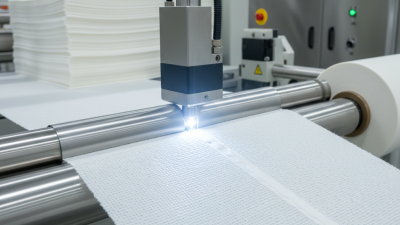
| Laser Welding | 180 - 220 | 0.2 - 0.8 | 1 - 4 | PET, PP |
When welding non-woven fabric, inspection is critical. After the welding process, it is essential to assess the seams visually and physically. Checking for gaps or misalignments can help identify potential weaknesses. Inspect the integrity of each joint thoroughly. Small flaws can lead to significant issues later on.
Using a Non Woven Sewing Machine can enhance the precision during the welding process. However, no machine is flawless. It’s vital to periodically maintain and calibrate the machine. Regular checks can prevent unwanted surprises in the final product. Pay attention to stitch consistency. Variations can indicate problems that need addressing.
In post-welding inspection, test the fabric’s strength. A simple tug can reveal weak areas. If seams easily separate, there’s work to do. Document any deficiencies you find. Reflection on these observations is key to improvement. Analyze the data to refine processes. Effective welding and quality checks can significantly enhance the final product’s reliability.
Welding non-woven fabrics presents unique challenges. One major issue is achieving a strong bond without damaging the material. Often, excessive heat can lead to melting or warping. Finding the right temperature is crucial. Mistakes can result in fabric that falls apart or has unsightly seams.
Another common problem is inconsistent weld quality. Variations in fabric thickness can cause uneven pressure during welding. This inconsistency affects the final product. Using an Ultrasonic Welding Machine Fabric can help mitigate this issue. It applies controlled ultrasonic energy, creating precise welds. However, operators must be trained to adjust settings for different materials.
Finally, contamination can be a hidden enemy. Dirt or oils on the fabric can weaken welds. It’s a simple oversight but can lead to significant failures. Regular cleaning of both the fabric and the machine is essential. Creating an effective welding environment requires attention to detail and ongoing evaluation. Each project could reveal new challenges, demanding flexibility in approach.
: Stress can come from work, relationships, or financial issues. Busy schedules often add to it.
Try using calendars or apps. Break tasks into smaller parts. Set reminders for important deadlines.
Exercise boosts your mood and energy. It helps reduce stress and improves overall health. Even short walks matter.
Take deep breaths. Step away for a moment. Sometimes, talking to someone helps clear your mind.
What you eat influences your mood. Fruits and vegetables can enhance brain function. Junk food often does the opposite.
Yes, many find meditation and deep breathing helpful. Practicing these regularly can lead to long-term benefits.
Establish a bedtime routine. Avoid screens before sleeping. A dark, quiet room can promote better rest.
Friends and family provide comfort. Their presence can ease anxiety. However, not everyone feels supported sometimes.
If feelings of sadness or anxiety persist, seeking help is wise. Ignoring issues may lead to bigger problems.
Writing down thoughts can clarify feelings. Journaling helps track progress. It may reveal patterns in behavior and emotions.
Non Woven Fabric Welding is a specialized technique that requires a thorough understanding of the fabric's composition and characteristics. The process involves selecting appropriate welding methods such as ultrasonic, thermal, or adhesive bonding. To achieve optimal results, it is crucial to choose the right equipment and prepare adequately before welding, which includes ensuring proper alignment and cleanliness of the materials.
Moreover, attention to welding parameters including temperature, pressure, and timing is essential to ensure quality and durability. After the welding process, performing a meticulous inspection helps confirm the integrity of the welds. Common challenges in Non Woven Fabric Welding, such as material compatibility and precision issues, can be addressed through careful planning and technique adjustments, ensuring successful outcomes in various applications.