
Request a Quote
asdsd3
Leave Your Message
0%

Picking the right welder for plastic work can honestly feel pretty overwhelming. I mean, the market’s packed with options, like that Plastic Welder Welding Machine. Did you know? A recent report from Grand View Research says the Plastic Welding equipment market is expected to hit around $8.5 billion by 2025—talk about a booming industry! That kinda growth tells you there’s definitely a big demand for newer, better welding tools.

But here’s the thing—choosing the right device isn’t just about the price tag. You’ve gotta consider compatibility with the materials you’re working with and how the joints are designed. A lot of folks overlook these details, only to end up with less-than-great results. So, it’s really worth focusing on stuff like efficiency and how durable the equipment is. Not every model does what it promises, either—some might have issues staying consistent, or they might overheat halfway through a job.

Using the correct welder can make a massive difference. An inefficient tool wastes your time and resources, and poor welds can cause bigger problems down the line—like product failures. Since accuracy matters so much in this industry, making smart choices is pretty much essential. Getting to know the specs of models like the Plastic Welder Welding Machine can really help ensure your projects turn out successful. Trust me, taking the time to pick the right one is totally worth it when you’re aiming for top-quality results in your plastic welding projects.

2026 How to Choose the Best Welder for Plastic?

Understanding the Basics of Plastic Welding Technology

2026 How to Choose the Best Welder for Plastic?

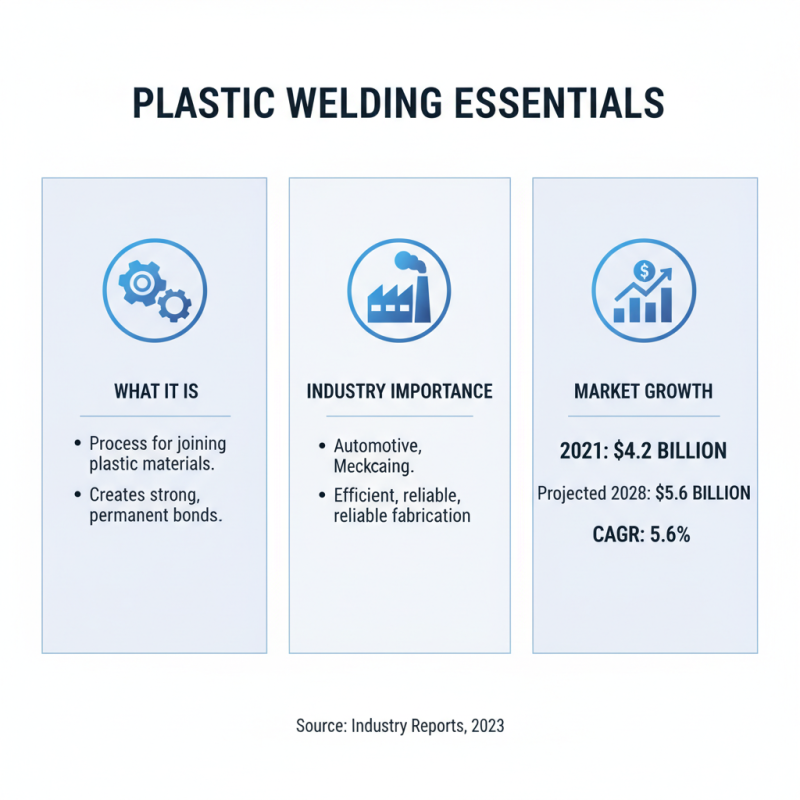
Plastic welding is an essential process in many industries. The technology enables the joining of plastic materials efficiently. Understanding the basics is crucial for making informed decisions about equipment. Reports show that the global plastic welding market was valued at $4.2 billion in 2021. It is projected to grow at a CAGR of 5.6% through 2028.

Different methods exist for plastic welding, including hot plate welding, vibration welding, and Ultrasonic Plastic Welder systems. Each method has unique advantages and disadvantages. For instance, ultrasonic welding is known for being fast and energy-efficient. However, it requires precise control, which can be challenging without proper training. Industry research highlights that improper setup can lead to poor weld quality, affecting overall product durability.

When selecting a welder, consider your specific needs. Factors like material type and thickness play significant roles. Not all welders handle every type of plastic effectively. Observing common industry pitfalls can guide better decisions. Equipment may be costly, yet selecting the wrong type can lead to increased expenses in the long run. Make sure to weigh all options carefully.

Types of Plastic Welding Techniques and Their Applications

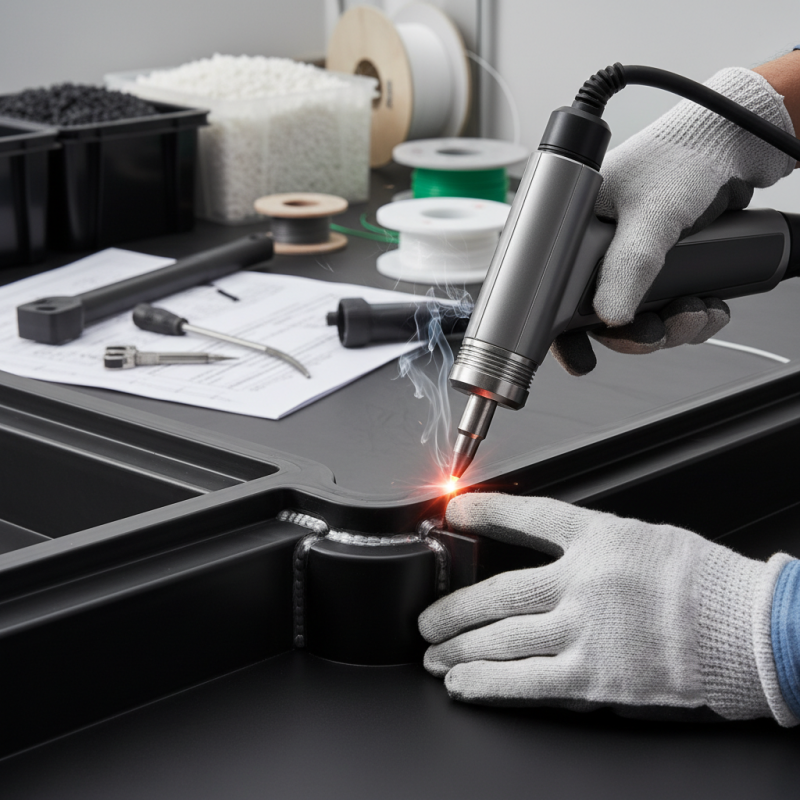
Plastic welding offers various techniques suited for different applications. Each method has unique strengths and ideal uses. For instance, hot air welding is popular for thermoplastics. It involves using hot air to soften the plastic edges before joining them. This technique is versatile and can be used in automotive repairs or manufacturing parts.

Ultrasonic welding, on the other hand, is effective for thin materials. It employs high-frequency sound waves to melt the surfaces together. This method is often used in electronics and medical device production. However, it may not work well with thicker plastics. Not every technique fits all situations; choosing the wrong method can lead to weak joints or failed projects.

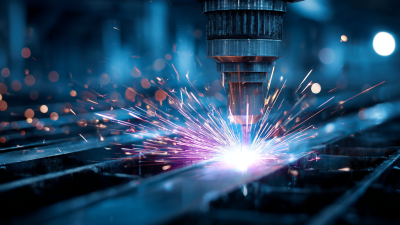
Another technique is laser welding, which offers precision and control. A focused laser beam melts the plastic, producing strong, clean seams. It's suitable for applications requiring tight tolerances. However, setup costs and safety considerations can be challenging. Each technique has pros and cons, requiring careful reflection on project needs before making a choice.

Key Factors to Consider When Choosing a Welder

When selecting a welder for plastic, there are crucial factors to evaluate. One must consider the type of plastic being used. Different plastics, such as polyethylene and polypropylene, require specific welding techniques. The right method ensures a strong bond, reducing the likelihood of failure. According to industry reports, misaligned welding parameters can decrease joint strength by up to 70%.

The versatility of the Plastic Welder Machine is another important aspect. Some machines can handle various materials and thicknesses. A more adaptable machine often leads to greater efficiency. However, it can also introduce challenges. Understanding the specific settings for different materials is critical. Data indicates that incorrect settings result in increased waste and higher costs.

Weld quality is paramount. Factors like temperature and pressure directly impact the final product's integrity. Many users overlook the importance of calibration. An uncalibrated machine might work but will yield inconsistent results. Regular checks and adjustments are vital to maintaining optimal performance. A 2023 survey highlighted that 40% of operators experienced issues due to neglected maintenance.

2026 How to Choose the Best Welder for Plastic?

Evaluating the Performance and Efficiency of Welders

When evaluating the performance and efficiency of welders for plastic, several factors come into play. The right machine should create strong, durable seams without overheating the material. Temperature control is crucial. Too high a setting can warp the plastic, while too low may lead to weak joints. Users often overlook this balance, leading to unsatisfactory results.

The speed of operation also matters. A Welder Plastic that works quickly can enhance productivity, but this should not sacrifice quality. Some models promise rapid welding but may not deliver clean finishes. User experiences often reflect this contradiction. A good welder should allow for adjustments based on the specific plastic type and thickness.

Efficiency can also be measured in energy consumption. Some machines operate with lesser power, yet still produce excellent results. This efficiency often means lower operating costs for users. Therefore, buyers must ensure they assess both performance and energy needs. Not every welder plastic may be ideal for all projects, requiring careful consideration and, at times, experimentation.

2026 How to Choose the Best Welder for Plastic? - Evaluating the Performance and Efficiency of Welders

Welder Type Welding Method Max Temp (°C) Power (W) Weight (kg) Efficiency (%)
Hot Air Welder Hot Air Welding 600 1600 2.5 85
Ultrasonic Welder Ultrasonic Welding 250 3000 4.0 95
Laser Welder Laser Welding 300 2000 5.0 90
Spin Welder Spin Welding 350 1800 3.5 88

Safety Features and Standards in Plastic Welding Equipment

2026 How to Choose the Best Welder for Plastic?

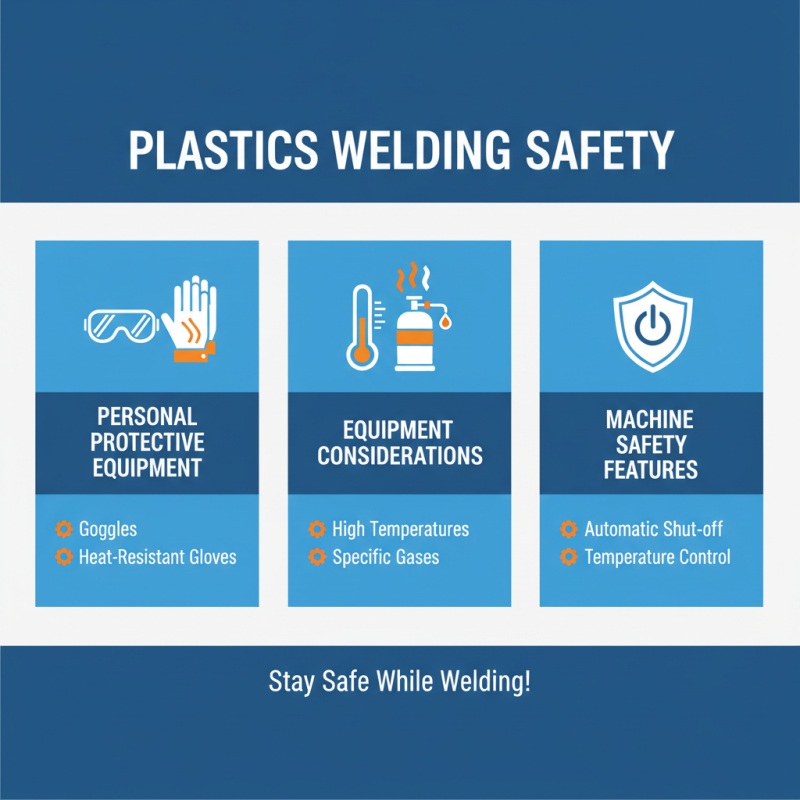
When selecting welding equipment for plastics, safety features are crucial. Plastic welding can involve high temperatures and specific gases. Personal protective equipment, like goggles and gloves, is essential. Ensure the machine has built-in safety mechanisms. These might include automatic shut-off and temperature control.

Standards in plastic welding equipment vary by region. Familiarizing yourself with local regulations is beneficial. Look for equipment that meets recognized safety standards. It should indicate compliance with safety certifications. Having a well-structured training process is also valuable. It prepares users to operate safely and efficiently.

Choosing equipment with clear instructions is key. Complex machines can lead to confusion and accidents. Moreover, consider maintenance requirements. Regular checks prevent unforeseen issues. Safety is not just about features; it’s about creating a culture of awareness and responsibility. Creating an environment that values these aspects can go a long way in ensuring safety in plastic welding.

Cost Considerations for Plastic Welders

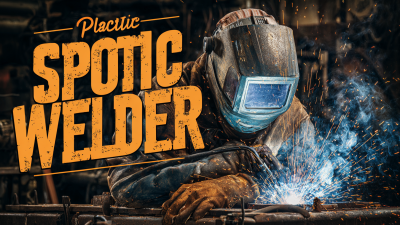
When choosing the best welder for plastic, cost is a significant consideration. The market reveals that prices for plastic welders can vary greatly, from a few hundred to several thousand dollars. Factors influencing these costs typically include the technology used, the size of the machine, and its overall capabilities. For example, a basic Plastic Spot Welder can start as low as $500, while advanced models can exceed $3,000.

Investing in a quality welder can save money in the long run. Better machines provide more consistent results and reduce material waste. However, users should also consider maintenance costs. Regular upkeep is essential for optimal performance. Neglect can lead to higher repair costs down the line. It’s worth weighing these recurring expenses against the initial price.

Also, purchasing decisions should include training expenses. Understanding how to operate the plastic spot welder efficiently is crucial. Poor technique can lead to flawed welds, wasting both time and material. A low-cost welder might seem attractive now but could result in higher costs later due to inefficiencies. Users must evaluate all facets of ownership to make the best financial choice.

Maintenance and Support for Plastic Welding Equipment

Maintaining plastic welding equipment is crucial for optimal performance. Regular maintenance ensures longevity and efficiency. According to a recent industry report, over 25% of equipment failures stem from inadequate upkeep. Routine checks on pressure systems and heating elements help prevent breakdowns.

It’s also essential to have access to support services. Many manufacturers offer technical assistance to resolve issues quickly. A report indicated that 30% of welders face challenges with equipment setup. Proper guidance can drastically reduce these setbacks. Detailed user manuals and training can empower users, enhancing the overall welding experience.

Yet, users often overlook these aspects. Some welders may underestimate the impact of regular maintenance. A missed inspection can lead to costly repairs. Taking time to understand and implement proper maintenance practices is vital, but it requires discipline. Balancing workflow and equipment care remains a common struggle in the industry.

FAQS

: What is the main purpose of this product?

: The product aims to enhance daily convenience. It simplifies tasks and saves time in daily life.

How should I use this product effectively?

Follow the instructions carefully. Ensure proper setup for optimal performance. Ask for clarification if needed.

Can this product be used in different environments?

Yes, it is versatile. However, performance may vary in extreme conditions. Adapt its use based on your surroundings.

Are there any common issues with this product?

Some users report connectivity problems. Regular updates may improve performance, but difficulties can still occur.

How do I maintain this product?

Regular cleaning and software updates are essential. Neglecting maintenance can lead to decreased efficiency over time.

What should I do if the product malfunctions?

Troubleshoot common issues first. If problems persist, consult the user manual or customer support for assistance.

Is there a warranty or return policy?

Yes, a warranty is typically offered. Understand the terms before purchase. Return policies may vary; read the details.

How can I maximize the lifespan of this product?

Proper usage is key. Avoid overloading and ensure adequate storage conditions. Regular checks can prevent unexpected failures.

Can I use this product for professional purposes?

Many users find it useful for work tasks. However, consider its limitations for professional demands. Assess your specific needs.

What feedback do users commonly provide?

Users appreciate its convenience but sometimes mention the learning curve. Continuous improvement could enhance user experience.

Conclusion

When choosing a welder for plastic, it is essential to understand the fundamentals of plastic welding technology and the various techniques available. Each technique offers unique applications depending on the type of plastic being used. Key factors like the welder's performance, efficiency, and safety features play a crucial role in ensuring successful welding operations.

Additionally, it is important to consider maintenance and support requirements for the welding equipment, as well as cost implications, to make a well-informed decision. By evaluating these aspects, you can confidently select the best welder for plastic to meet your specific needs.

Sophia

Sophia

Sophia is a dedicated marketing professional with over 20 years of experience in the field of ultrasonic plastic welding. She is deeply knowledgeable about the extensive range of products offered by her company, including ultrasonic welding systems, ultrasonic cutting equipment, ultrasonic lace......
Previous 5 Compelling Reasons Why Best Wire Harness Welding is Essential for Your Business Success