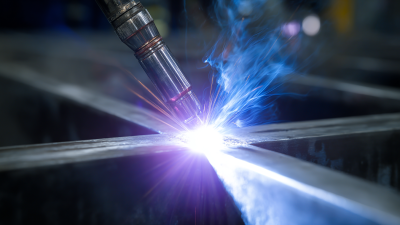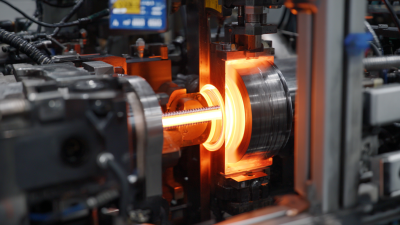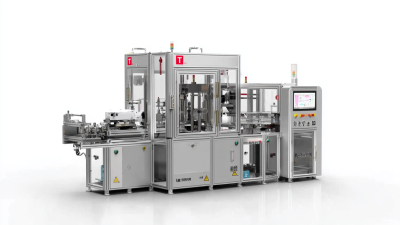


You know, in today’s really competitive manufacturing world, investing in advanced tech like high-frequency welders isn’t just optional — it's pretty much essential. According to a recent industry report from 2023, companies that jump on high-frequency welding can see up to a 30% boost in their productivity, all while improving product quality. Pretty impressive, right? With over 20 years under our belt, Shenzhen Chengguan Intelligent Ultrasonic Equipment Co., Ltd. has really made a name for itself in the ultrasonic Plastic Weldingscene. We offer a wide range of ultraSonic Welding systems and equipment that suit all kinds of needs. What really sets us apart is our solid after-sales support — we want to make sure our customers get the most out of their investment and keep maintenance costs down. Thanks to our top-notch manufacturing capabilities, we’re committed to delivering the best service and innovative solutions, helping businesses stay ahead in today’s fast-paced market.
High frequency welding is really gaining ground across a bunch of industries lately, mainly because it’s super efficient and produces pretty high-quality welds. I came across a report from Allied Market Research that said the global market for high frequency welding equipment was worth about $1.2 billion back in 2021. And get this — it’s expected to grow at around 5.7% annually from 2022 all the way through 2030. A big part of this boom is because the tech works really well in sectors like textiles, automotive, and construction — where having strong, reliable joints isn’t just a bonus, it's a must.
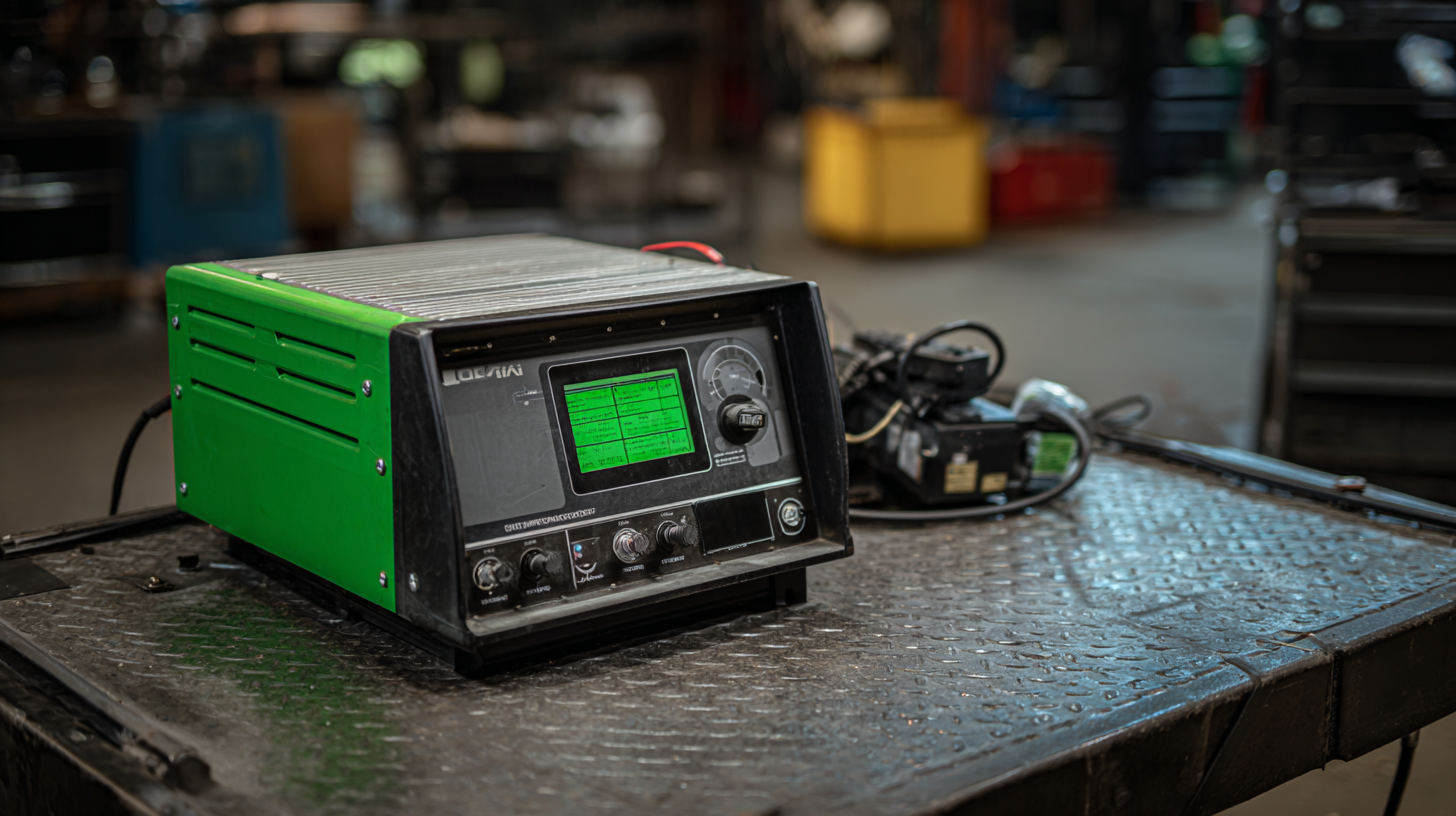
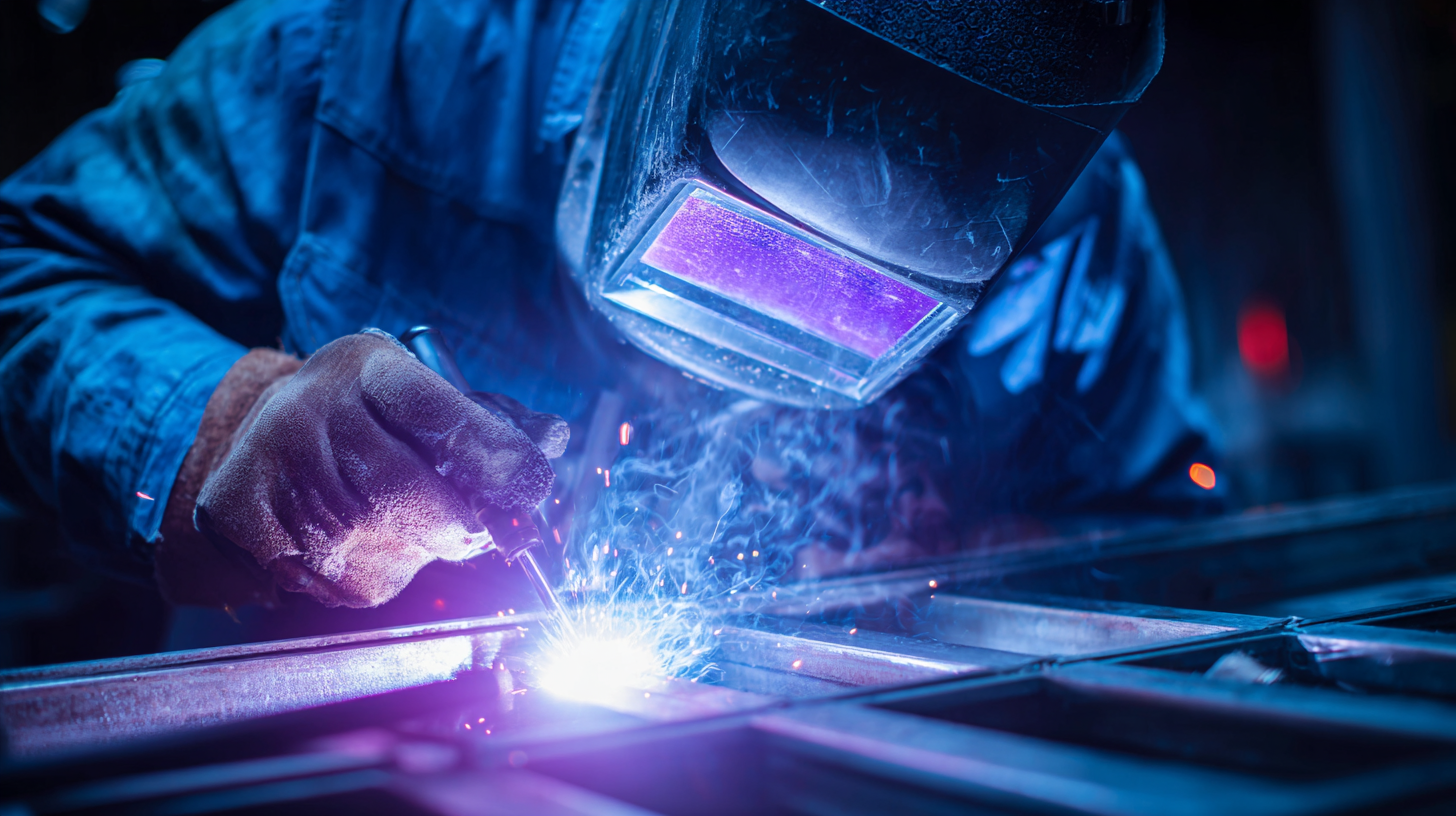
Now, the cool part? How it actually works. Basically, it uses high-frequency electromagnetic fields to heat things up through dielectric heating. That means it can quickly join materials like thermoplastics and metals, saving a ton of time and cutting down on waste — which is a win for everyone, especially manufacturers trying to stay cost-effective. One study I read in the Journal of Manufacturing Science & Engineering even pointed out that high frequency welding can slash production costs by up to 30%, compared to the old-school methods.
So, if you’re in business and thinking about ways to step up your game, understanding how this tech works and what it can do might just give you that edge you need to stay ahead of the pack.
When you’re investing in high-frequency welders, don’t underestimate how much after-sales support actually matters. Sure, the price tag might seem like the main thing, but honestly, that’s just the start. The real deal is how well your equipment performs over time, how long it lasts, and how efficiently it keeps working — and that heavily depends on the kind of support you get afterward. A solid after-sales service can make all the difference, helping you nip any problems in the bud so you don’t get stuck with downtime and messy delays on the shop floor.
On top of that, good after-sales support can really save you some cash down the line. Regular maintenance from experienced technicians isn’t just about fixing stuff when it breaks — it actually helps prevent those unexpected breakdowns in the first place, which means your equipment stays in shape longer. When you choose a supplier that offers strong ongoing support, you’re not just buying a piece of gear — you’re forming a partnership that puts your success front and center. Over time, this makes maintenance costs less of a headache, saves you money, and actually helps boost the returns on your whole investment.
When you’re looking into the maintenance costs of high-frequency welders, there are quite a few important factors to keep in mind—things that really impact the total ownership cost. For example, a report from the International Institute of Welding mentions that nearly 30% of downtime due to failures in welding operations can actually be linked back to poor maintenance habits. Doing regular check-ups not only makes your equipment last longer but also keeps it running smoothly, which ends up saving you a good chunk of change over time.
Another thing you shouldn’t overlook is the support you get after buying the welder. According to Manufacturing Technology Insights, models that come with strong technical support can cut maintenance costs by around 20%. Plus, having reliable after-sales service means you can get preventive maintenance solutions that help avoid nasty surprises and costly repairs—keeping your operation running without a hitch. So, when you’re choosing a high-frequency welder, it pays off to go with suppliers who offer comprehensive maintenance plans. It’s not just about saving money upfront—it's also about making sure your equipment works at its best for the long haul.
When you're picking out a high-frequency welder, the manufacturer's reputation really matters. Good quality from the right company can make a big difference in how long the machine lasts and how well it performs over time. These days, Chinese manufacturers have come a long way—they're stepping up their game thanks to stricter regulations and a fierce, competitive market. It’s super important to go with a manufacturer that sticks to international quality standards and invests in the latest production tech. That way, you’re more likely to get reliable welding equipment and keep maintenance costs down by avoiding shoddy craftsmanship.
And honestly, don’t forget about after-sales support. Having solid backup service is a game-changer. Good support means quick help if something goes wrong, making sure your machine is running smoothly and efficiently. A top-notch manufacturer should offer things like timely repairs, replacement parts, and routine checkups. When you focus on brands that prioritize quality assurance, you'll probably save yourself a lot of headaches and money in the long run. Plus, it’s a smart move if you want to really get the most out of your investment in high-frequency welding stuff.
| Parameter | Value |
|---|---|
| Manufacturer Location | China |
| Average After Sales Response Time | 24 hrs |
| Maintenance Cost per Year | $300 |
| Customer Satisfaction Rate | 95% |
| Warranty Period | 2 Years |
| Average Lifecycle of Welder | 10 Years |
| Number of Service Centers | 50+ |
| Training Offered | Yes |
| Technical Support Availability | 24/7 |
Taking good care of your high-frequency welders really pays off in the long run. Regular check-ups and catching issues early can save you a lot of hassle, like unexpected downtimes or costly repairs. One thing to keep in mind is keeping your equipment clean—dust and grime can seriously mess with weld quality and efficiency. So, it’s a good idea to set aside some time for routine cleaning, especially around the electrodes and workpieces. Also, don’t forget to double-check that all your connections are tight and free from rust or corrosion—that’s key for keeping everything running smoothly.
Another tip? Stick to the manufacturer’s recommended maintenance schedule. That means inspecting and replacing worn parts like cables and nozzles before they cause bigger problems. If you ignore these updates, your welder might start acting up, and you’ll end up wasting more energy too.
To stay organized, I’d suggest keeping a maintenance log—note down when you do service appointments and swap out parts. This small habit can really help you stay on top of things, making sure your high-frequency welder keeps performing at its best and protects your investment in the long run.
In the fast-changing world of B2B sales, excellent after-sales support can really make a big difference in how a business grows. Companies that stay engaged with their customers even after the sale tend to see much better retention rates and happier clients. There are plenty of stories out there showing how organizations that invest in solid after-sales support not only keep things running smoothly but also build loyalty—leading to steady profits over time.
To really get the most out of this, it’s smart to think about proactive strategies. Here are a few tips:
First off, keep in touch with your clients regularly—check in, listen to their concerns, and offer help when needed.
Second, use data analytics to spot potential issues before they become a big problem—this can save you a lot of headaches with downtime.
And finally, make sure your team is well-trained in customer service techniques; good support really comes down to how well your staff handles these interactions.
With AI technologies reshaping how we do things in B2B, there are now huge opportunities to customize and automate after-sales support. Bringing in AI-powered tools can seriously speed up support processes and help your clients get solutions that are tailored to their specific needs, which ultimately boosts your business’s overall value.
: After-sales support is crucial as it influences the performance, longevity, and efficiency of your welder, ensuring issues can be promptly addressed, which minimizes downtime and maintains productivity.
Strong after-sales support provides regular maintenance from knowledgeable technicians, helping prevent unexpected breakdowns and extending the equipment's service life, ultimately saving costs over time.
Companies that engage actively in after-sales support often witness improvements in customer retention and satisfaction, leading to loyalty and sustained profitability.
Proactive strategies include maintaining regular communication with clients, utilizing data analytics to predict potential issues, and training employees in customer service techniques.
Generative AI can personalize and automate after-sales processes, enhancing the efficiency of support systems and providing tailored solutions to meet clients' operational needs.
After-sales support helps streamline operations and address client concerns effectively, thus fostering loyalty and encouraging repeat business.
Yes, robust after-sales support prioritizes operational success by minimizing downtime and enhancing productivity, leading to better financial returns.
Investing in after-sales support is cost-effective as it leads to manageable maintenance costs and significant savings over time while boosting overall investment returns.
Regular communication allows for timely assistance and the addressing of client concerns, which enhances customer satisfaction and loyalty.
Effective after-sales support can lead to improved customer satisfaction, retention, and ultimately a boost in business value and profitability over the long term.