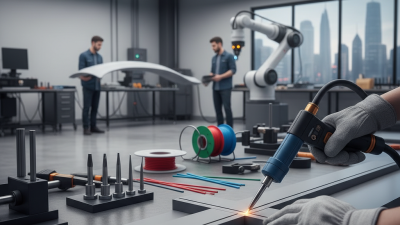
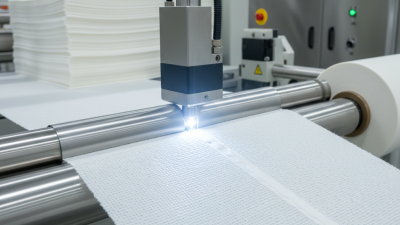
Have you ever heard of [ThermoPlastic Welding](https://www.cgsonics.com/thermoplastic-welding)? It’s actually a pretty big deal in modern manufacturing these days. Basically, it’s a process where they join plastic parts together using heat — sounds simple, but it’s super important, especially in industries like automotive and aerospace. I read somewhere that the market for this technology is really booming too; Grand View Research predicts it could hit around $2.1 billion by 2025. Not too shabby, right?
A lot of companies, like Sealing Technologies, are turning to thermoplastic welding to make their products stronger and lighter at the same time. It’s a win-win, especially when you’re trying to stay efficient and meet tight deadlines. But, like anything cool, it’s not perfect. Not all plastics play nice with welding — some don’t bond well, and that can cause hiccups. This inconsistency can make manufacturers a bit hesitant to jump all in with this tech.
Still, even with the hurdles, thermoplastic welding has a lot of potential. But, it does require attention to detail — things like temperature control and choosing the right materials are a big deal. Industry folks say that proper training is key if you want to get the most out of it. As things keep changing fast in this field, we’ve gotta adapt our approach if we want to really make the most of what thermoplastic welding can do.

What is Thermoplastic Welding?
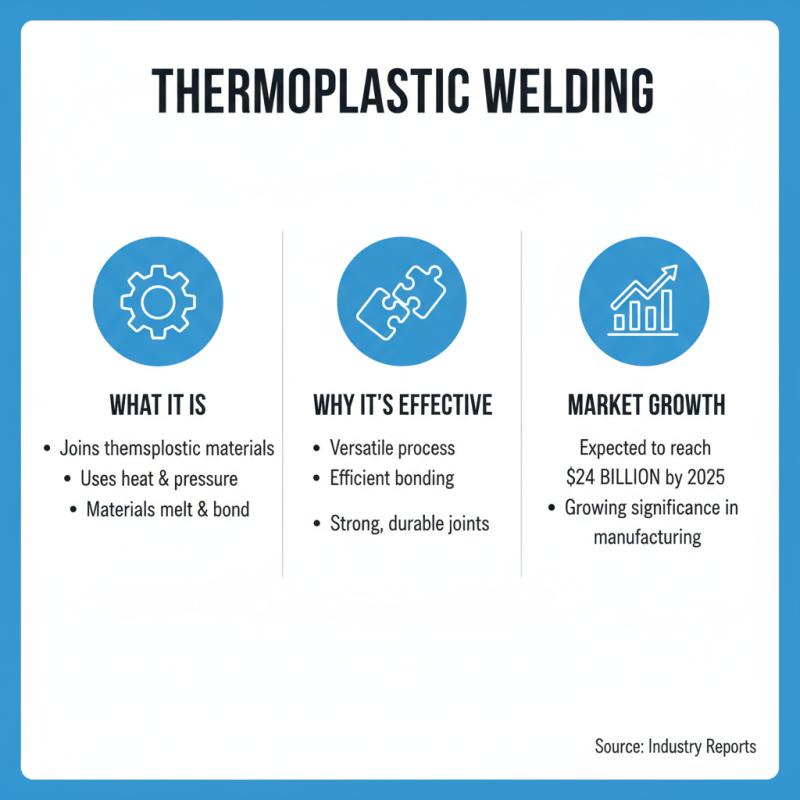
Thermoplastic welding is a critical process in various manufacturing sectors. It involves joining thermoplastic materials using heat and pressure. The process is effective because thermoplastics melt when heated, allowing them to bond when cooled. This method has gained popularity due to its versatility and efficiency. Industry reports indicate that the thermoplastic welding market is expected to reach $24 billion by 2025, highlighting its growing significance.
In Electronic Component Welding, thermoplastic materials are often used to ensure durability and reliability. Components need to withstand stress and temperature variations. Thermoplastic welding provides a strong bond that meets these demands. However, achieving a perfect weld can be challenging. Factors like temperature control and material compatibility must be meticulously managed. Misjudgments in these areas can lead to weak joints, risking component failure.
Despite its advantages, the process is not without flaws. Not all thermoplastic materials weld easily. Some require specific conditions to achieve the desired results. It's crucial to understand these limitations for successful application. Many manufacturers still struggle with optimizing their methods, leading to inconsistencies in production quality. Continuous improvement in technique and technology is essential to overcome these obstacles in thermoplastic welding.
The Science Behind Thermoplastic Materials
Thermoplastic materials are fascinating due to their unique properties. They become pliable when heated and solidify upon cooling. This characteristic makes them ideal for various applications, including welding, molding, and 3D printing. A report from the Plastics Industry Association indicates that thermoplastics account for approximately 70% of the total plastic market. This signifies their importance in manufacturing.
The science behind these materials is rooted in their molecular structure. Thermoplastics are made up of long chains of polymers. When heated, the chains become more flexible, allowing them to be shaped easily. This flexibility is crucial during the welding process, where the materials must fuse together. Studies suggest that proper temperature control during welding can enhance the strength of the bond by up to 30%. However, achieving the optimal balance can be challenging, often requiring precise equipment and techniques.
Not all thermoplastics are created equal. Different grades and types show varying degrees of resilience and thermal stability. For instance, some may not withstand high temperatures, which can limit their applications. The American Society for Testing and Materials (ASTM) has noted discrepancies in performance standards, highlighting the need for more rigorous testing protocols. Ensuring consistency in quality remains an ongoing challenge in the industry.
Common Methods of Thermoplastic Welding
Thermoplastic welding is essential for joining materials in various industries. There are several methods to achieve effective joints. Hot gas welding is one approach, where heated air is used to melt the thermoplastic surfaces. This method can be tricky. If the temperature is too high, materials can degrade. Conversely, if it's too low, bonding fails.
Another common technique is ultraSonic Welding. It generates high-frequency vibrations to create friction between the materials. This method works well for thin materials and produces strong joints. Data reveals that ultrasonic welding can reduce energy consumption by 30% compared to traditional methods. However, it has limitations when dealing with thicker materials or Dissimilar Materials Welding, where different material properties complicate the process.
Finally, fusion welding involves heating the edges of two pieces, allowing them to meld into one. This is often used in the automotive and aerospace sectors. Yet, achieving uniform heat distribution can be challenging. Inadequate heating may lead to weak joints, raising questions about reliability. Understanding these methods helps industries select the right technique for their specific needs while mitigating risks.
Applications of Thermoplastic Welding in Industry
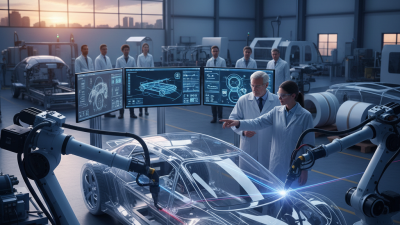
Thermoplastic welding plays a crucial role in various industries. This process involves joining thermoplastic materials by heating them to their melting point, allowing them to fuse together. It’s widely used in manufacturing, automotive, and construction sectors. In the automotive industry, for instance, thermoplastic welding is employed to create strong seams within vehicle components. This ensures durability while reducing weight.
Various applications can be observed in construction as well. Large thermoplastic sheets are often welded to create waterproof membranes for roofs or foundations. The ease of use and efficiency of this method allow for quick installation. However, quality assurance can sometimes be a challenge. Inconsistent temperatures can lead to weak joints, requiring further testing and inspection.
Additionally, the process is relevant in the manufacturing of medical devices. Products like blood bags and plastic surgical supplies often rely on thermoplastic welding. Yet, this application demands high precision. Any flaws in the welding can compromise safety. It’s essential for manufacturers to continually refine their techniques and ensure compliance with industry standards. Each application presents unique challenges, often forcing professionals to reflect on their methods and improve processes.
Advantages and Disadvantages of Thermoplastic Welding
Thermoplastic welding offers several advantages in various applications. Its ability to join materials quickly is significant. Rapid setups reduce labor costs. This efficiency is crucial in a competitive market. Reports show that over 80% of manufacturers prefer thermoplastic welding for efficiency. Moreover, it yields strong, durable joints that resist environmental stress.
However, thermoplastic welding has its drawbacks. The process may require careful temperature control. Improper heating can weaken joints, leading to potential failures. A study indicated that about 15% of projects face rework due to such mistakes. Additionally, not all thermoplastics weld equally well. Some materials require specific techniques. This adds complexity and can deter new users.
Cost variability presents another concern. Equipment prices differ broadly. Some setups can strain budget constraints. The economic feasibility often varies by project scale. Potential users should evaluate both benefits and risks. Balancing these aspects is essential to harness thermoplastic welding's full potential.
Basic Equipment Used in Thermoplastic Welding
Thermoplastic welding is a process that joins thermoplastic materials using heat. This technique relies on specialized equipment to achieve effective results. One essential component of this process is Ultrasonic Welding Equipment. It uses high-frequency sound waves to create heat and ultimately fuse materials together.
Basic equipment in thermoplastic welding includes heat guns, extrusion welders, and ultrasonic welding machines. Heat guns are simple tools that soften plastic surfaces, enabling effective bonding. Extrusion welders offer precise control over the material being heated and often provide a uniform bond. Ultrasonic welding equipment, on the other hand, brings unique advantages. It requires less energy and offers faster processing times.
While these tools are crucial, challenges remain in their use. For instance, achieving consistent heat distribution can be tricky. Overheating may lead to material degradation. Conversely, insufficient heat can result in weak joints. Operators must refine their skills to navigate these pitfalls effectively. With practice, they can optimize the use of these machines and improve the quality of their welds.
Safety Considerations in Thermoplastic Welding Operations
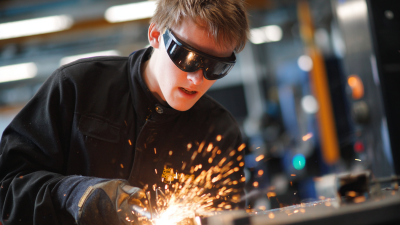
Thermoplastic welding is a valuable process used in various industries. Safety should be a primary focus in these operations. Proper personal protective equipment (PPE) is essential. Workers must wear gloves, goggles, and other safety gear. This helps mitigate risks associated with high temperatures and fumes emitted during welding.
Ventilation is another key aspect. Adequate airflow reduces the concentration of potentially harmful gases. In confined spaces, air quality can quickly deteriorate. Regular monitoring of air quality is a must. Situations often arise where workers underestimate the importance of this precaution. Training programs on safety protocols can emphasize these issues effectively.
In the realm of Consumer Electronics Welding, integrating safety measures is crucial to avoid injuries. Workers should understand the specific materials they handle. Some plastics can emit toxic substances when heated. Ignoring such risks can lead to serious health consequences. Continuous education and awareness are vital in fostering a safe working environment in thermoplastic welding operations.
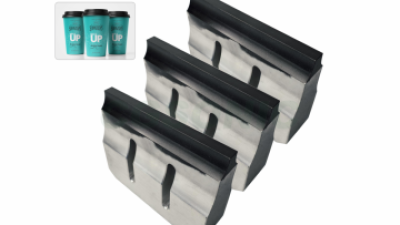
Optimizing Paper Cup Production Efficiency with the 20kHz 2600W 220V Welding Head Technology
In the competitive landscape of food packaging, optimizing production efficiency is crucial for manufacturers. The 20kHz 2600W 220V paper cup welding head technology represents a significant advancement in this field, efficiently addressing the growing demand for high-quality, reliable paper cups. According to industry reports, paper cup consumption is projected to increase by over 5% annually due to rising global demand for sustainable and disposable food packaging solutions. This technology enhances production capability to meet this demand effectively.
The welding head operates at a high frequency of 20kHz, utilizing a robust 2600W output to ensure minimal production time without sacrificing the integrity of the seals. By replacing traditional glue-based methods, manufacturers can achieve a clean and chemical-free bonding solution, providing advantages in both product quality and production efficiency. In comparison with adhesive bonding, which can take significant time for curing and can negatively affect the product's safety and performance, the ultrasonic welding process reduces manufacturing bottlenecks and enhances throughput.
Furthermore, the universal 220V voltage design of the welding head allows for compatibility with a broad range of ultrasonic welding equipment, making it a versatile choice for various automated production lines. As industries increasingly prioritize operational efficiency and sustainability, the adoption of this innovative welding technology is an essential step towards meeting the evolving needs of the catering and food packaging sectors.
FAQS
: The articles cover various products across categories. They explore features, uses, and customer experiences.
Research similar products and read reviews. Consider what features matter most to you.
Some users report quality inconsistencies. It’s essential to read feedback to avoid such problems.
Return policies vary. Always check the terms before purchasing to avoid confusion later.
Prices can vary widely. Compare similar items to find the best value for your budget.
Contact customer support immediately. Keep records to help solve the issue quickly.
Follow the provided instructions carefully. Don’t hesitate to reach out for tips from fellow users.
It largely depends on usage. Regular checks can help determine when a replacement is needed.
While it’s helpful, remember that experiences vary. Take time to consider different perspectives.
Many places offer price adjustments. Keep receipts and verify their policies for potential refunds.
Conclusion
Thermoplastic Welding is a crucial process used in various industries to join thermoplastic materials by applying heat and pressure. This technique relies on the unique properties of thermoplastics, which become pliable when heated, allowing for the formation of strong, permanent joints. Several common methods, including hot air welding and ultrasonic welding, enable different types of applications, from automotive and aerospace to packaging and construction.
The advantages of Thermoplastic Welding, such as speed, versatility, and the ability to create waterproof and airtight seals, are significant; however, it also has limitations, such as potential thermal degradation of materials. Equipment used in thermoplastic welding varies from handheld tools to sophisticated machinery, and safety considerations are paramount to ensure safe operations and prevent hazards during the welding process.


 1Durch die gruppenweite Einführung und Harmonisierung unseres integrierten Managementsystems (IMS) werden alle bestehenden Unternehmens-, Qualitäts-, Umwelt- und Energiepolitiken durch diese Unternehmenspolitik ersetzt. Der Slogan „Textil hat Zukunft – auch in De