
Request a Quote
asdsd3
Leave Your Message
0%

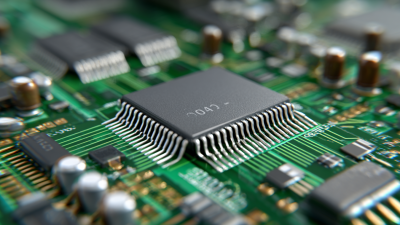
The world of Electronic Component Packaging is moving really fast these days. As tech keeps evolving, the demands for efficient and reliable packaging solutions are only getting more intense. Manufacturers have to stay on top of these changes if they want to stay competitive. There are some pretty interesting trends shaping how everything is packaged — from how small things are to how they handle heat.

Big names like Intel and Samsung are actually leading the charge here. They pour a lot of resources into research to improve packaging processes. Each new trend has its own perks, but honestly, there are also some hurdles. For example, making devices tinier often means they generate more heat, which then calls for better thermal management solutions.

Getting a grip on these trends is super important for engineers and companies alike. It helps in making smarter design choices and, in the long run, making sure products are more reliable. That said, while pushing forward is key, it’s equally crucial not to forget about quality control. Companies really need to find a good balance — innovate, but also rigorously test to make sure everything holds up over time in Electronic Component Packaging.

Top 10 Electronic Component Packaging Trends You Should Know?

Current Innovations in Electronic Component Packaging

The electronic component packaging industry is evolving rapidly. Innovations focus on efficiency, miniaturization, and sustainability. New materials and techniques are emerging, which impact design and production significantly. 3D packaging and System-in-Package (SiP) technologies enhance performance by stacking components vertically. This optimization often leads to better thermal management and reduces footprint.

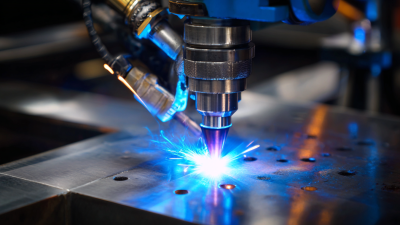
One critical area is Electronic Component Welding. Traditional methods face challenges in reliability and cost. New approaches seek to streamline the process, saving time and resources. Ensuring a strong bond with minimal thermal stress is vital. Experimentation in this field shows promise, but results vary.

Keep an eye on new materials like organic substrates and advanced soldering techniques. These innovations drive better performance and environmental sustainability. The industry's shift towards greener options offers exciting possibilities. Stay updated, as the landscape is continually transforming. Innovating packaging solutions helps advance technology significantly. Knowing these trends can be beneficial for engineers and designers alike.

The Role of Miniaturization in Packaging Trends

Miniaturization plays a crucial role in the evolving landscape of electronic component packaging. Manufacturers are increasingly focused on creating smaller, lighter, and more efficient products. This trend often pushes boundaries, demanding innovative solutions to house complex circuitry and enhance performance.

The challenges of miniaturization include maintaining heat dissipation and ensuring robust protection for delicate components. Smaller packages can lead to increased heat concentration. Efficient thermal management becomes paramount in such designs. Solutions like advanced thermal interface materials are gaining importance in mitigating these issues.

Moreover, the intersection of packaging trends and techniques such as Electronic And Electrical Welding offers exciting possibilities. This method enables precise assembly of smaller parts, enhancing reliability and performance. However, manufacturers must continually reflect on the implications of these advancements. Balancing miniaturization and reliability remains a critical challenge in the industry. As innovations evolve, so must the strategies to ensure sustainable and dependable electronic packaging.

Impact of Sustainability on Packaging Designs

Top 10 Electronic Component Packaging Trends You Should Know?

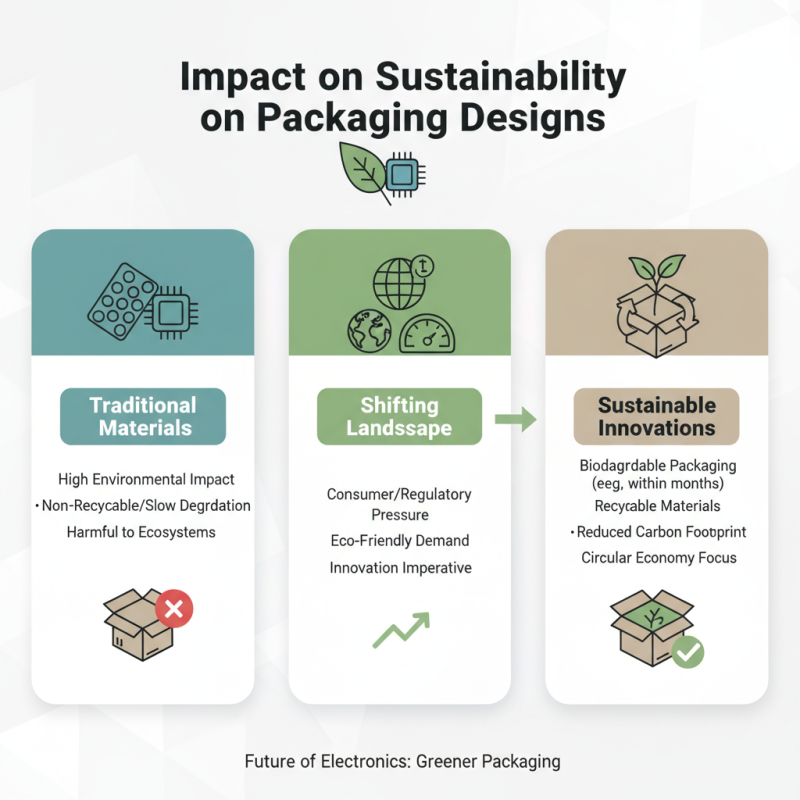
Sustainability is reshaping the landscape of electronic component packaging. Companies now face pressure to minimize environmental impact. Traditional materials often fall short of eco-friendly standards. This has led to a surge in innovative designs that prioritize recycling and biodegradability. For instance, packaging that biodegrades within a few months is becoming more common.

One emerging solution is Disposable Instrument Packaging. This approach combines convenience with environmental responsibility. Unlike conventional plastic, these materials break down naturally without harming ecosystems. Companies are exploring alternatives like cornstarch-based bioplastics. This shift not only reduces waste but also resonates with increasingly eco-conscious consumers. Yet, challenges persist in balancing cost-effectiveness with sustainable design.

However, the journey toward fully sustainable packaging is not without flaws. Some eco-friendly materials may not offer the same durability as traditional options. This raises questions about their longevity and protection for sensitive components. Rethinking design processes is essential. The ultimate goal should be to embrace sustainability while maintaining the functionality and security of electronic parts. The industry’s transition, despite its imperfections, points to a promising future for packaging innovation.

Advancements in Thermal Management Solutions

Thermal management in electronic component packaging has seen significant advancements recently. This is crucial as device complexities increase. According to market research, the global thermal management market is expected to grow by over 7% annually, reaching nearly $30 billion by 2030. Efficient thermal management solutions prolong component life and enhance performance.

Innovative solutions include advanced materials and structures that improve heat dissipation. For instance, copper-based heat sinks and thermal Interface materials have emerged as popular choices. New manufacturing techniques, like Sensor Packaging Welding, allow for more precise heat management in compact spaces. These methods provide better heat transfer and enhance product reliability.

Tips: Always assess the thermal performance before finalizing designs. Collaborate with cooling experts to identify potential thermal bottlenecks. Staying informed about the latest development trends in thermal solutions can help in making better decisions. As the industry evolves, embracing these changes will be crucial for maintaining a competitive edge.

Top 10 Electronic Component Packaging Trends You Should Know - Advancements in Thermal Management Solutions

Trend Description Impact on Thermal Management Future Outlook
Advanced Materials Utilization of innovative materials such as graphene and diamond-like carbon. Enhanced heat transfer capabilities leading to cooler component operation. Increased adoption in high-performance applications.
3D Packaging Stacking multiple semiconductor dies in a single package. Reduces thermal resistance due to shorter interconnects. Potential for unprecedented device miniaturization.
Thermal Interface Materials (TIMs) Innovations in TIM formulations for improved thermal conductivity. Lower thermal resistance and better temperature control. Expect more customizable solutions to tailored applications.
Miniaturization Reducing package size while maintaining performance levels. Increased power density necessitating advanced cooling solutions. Continued trend towards smaller and more efficient devices.
Liquid Cooling Solutions Adoption of liquid cooling technologies for high-power electronics. Significantly improves heat dissipation compared to air cooling. Growing application in data centers and gaming devises.
Embedded Components Integrating passive and active components directly into substrate layers. Improves thermal performance by reducing the number of interfaces. Promising growth in automotive and industrial applications.
Thermal Simulation Tools Advanced software for thermal modeling and prediction. Allows for better design choices and cooling strategies. Increased accuracy in thermal management design.
Heat Pipes Use of heat pipes for effective heat spread in electronic devices. Enhances reliability and lifetime of electronic components. Widespread adoption in consumer electronics and high-performance computing.
Smart Thermal Management Implementation of sensors and AI for optimizing cooling solutions. Responsive adjustment to varying thermal loads. Potential for efficiency gains in dynamic applications.
Sustainable Packaging Focus on eco-friendly materials and production processes. Improved thermal performance with reduced environmental impact. Increasingly important as regulations tighten worldwide.

Integration of Smart Technologies in Packaging

The integration of smart technologies in electronic component packaging is rapidly transforming the industry. Smart packaging improves functionality and enhances product performance. According to a recent report by Smithers Pira, the smart packaging market is projected to reach $37 billion by 2024. This growth is driven by advancements in IoT, RFID, and sensor technologies.

One significant trend is the use of sensors within packaging. These sensors can monitor environmental conditions and product status. They provide real-time data on temperature, humidity, and other factors that could affect product integrity. This capability is crucial for sectors like pharmaceuticals, where maintaining specific conditions is vital for medication efficacy.

Tips: Explore partnerships with tech providers. This can provide access to cutting-edge smart packaging solutions. Consider investing in training for your team. Understanding these technologies is key to leveraging their full potential. Balancing innovation with cost remains challenging for many businesses. Evaluate whether the benefits justify the investment in smart technologies for your specific applications.

Trends in Customization for Diverse Applications

Customization in electronic component packaging is more crucial than ever. Companies are adapting to specific application requirements. This trend is driven by the demand for enhanced performance and functionality. Tailoring packaging solutions can optimize device efficiency. Each application has unique thermal, mechanical, and electrical needs. Meeting these diverse needs involves innovative design approaches.


Sustainability is becoming a priority in custom packaging. Designers are exploring eco-friendly materials and methods. These efforts aim to minimize waste and reduce environmental impact. However, materials that are sustainable may not always meet strict performance parameters. This can be a challenge for developers. They must balance eco-friendliness with performance.


The shift toward miniaturization poses additional hurdles. Smaller components require compact packaging without compromising integrity. Designers face constraints on size and weight. This treadmill of innovation creates a responsive market. Customization can often lead to unforeseen issues during production. Developers need to remain agile to adapt to these evolving trends.

Future Outlook: Emerging Materials and Technologies in Packaging

The packaging of electronic components is undergoing significant transformation. Emerging materials and technologies play a vital role in this evolution. Advanced packaging techniques improve performance while ensuring sustainability. Biodegradable materials are becoming essential for reducing electronic waste. These innovations offer a more environmentally friendly approach, but they require careful consideration.

Tips: Explore local suppliers for sustainable materials. Prioritize reliability in your choice of components.

New technologies like 3D packaging are revolutionizing design intricacies. This approach allows for tighter integration of components. It is crucial for enhancing performance in compact devices. However, the complexity of 3D structures can pose challenges in manufacturing and assembly. Testing these new packaging methods can reveal both benefits and drawbacks.

Tips: Regularly evaluate your design processes. Don't overlook the importance of thorough testing. This helps to foresee potential issues.

Innovations like chiplets and fan-out packaging are gaining traction. They offer flexible solutions for various applications. Still, the long-term viability of these technologies remains uncertain. As the industry progresses, staying updated on trends is essential for success. Balancing innovation with practicality is critical in this evolving landscape.

FAQS

: What is miniaturization in electronic packaging?

: Miniaturization focuses on creating smaller, lighter, and more efficient electronic components. It demands innovative solutions for design.

What are the main challenges of miniaturization?

Key challenges include heat dissipation and protection for delicate components. Smaller packages can concentrate heat, complicating designs.

How does sustainability influence packaging design?

Sustainability drives companies to reduce environmental impacts. Innovative, eco-friendly materials are being prioritized in new packaging designs.

What are biodegradable packaging materials?

Biodegradable materials decompose naturally within months. They provide an eco-friendly alternative to traditional plastics in packaging.

What is the role of thermal management in electronics?

Thermal management is essential for device performance. Good solutions prolong component life and enhance reliability in complicated designs.

What advancements exist in thermal management solutions?

Innovations include advanced materials like copper-based heat sinks and new manufacturing methods for precise heat management.

Are eco-friendly materials durable enough for packaging?

Some eco-friendly options lack the durability of traditional materials. This raises concerns about protection for sensitive components.

How can companies ensure effective thermal performance?

Assess thermal performance early in design. Collaborate with experts to identify thermal bottlenecks for improved solutions.

What is a common trend in packaging sustainability?

Many companies are exploring cornstarch-based bioplastics, which reduce waste and appeal to eco-conscious consumers.

What should be prioritized when pursuing sustainable packaging?

Balancing sustainability with functionality is crucial. Rethink design processes to maintain the security of electronic parts.

Conclusion

The article "Top 10 Electronic Component Packaging Trends You Should Know" explores the latest developments in Electronic Component Packaging, highlighting key innovations that are shaping the industry. Miniaturization plays a crucial role, pushing the boundaries of size and efficiency, while sustainability has become a central focus, driving the design of eco-friendly packaging solutions. Advancements in thermal management solutions ensure reliable performance, and the integration of smart technologies into packaging is enhancing functionality and interactivity.

Furthermore, customization trends are emerging to meet the diverse needs of various applications, allowing for tailored solutions that improve performance. The future outlook points toward the exploration of new materials and technologies that promise to redefine Electronic Component Packaging, ensuring that it keeps pace with advancing electronic demands. As these trends evolve, they pave the way for more efficient, sustainable, and intelligent packaging solutions in the electronics industry.

Sophia

Sophia

Sophia is a dedicated marketing professional with over 20 years of experience in the field of ultrasonic plastic welding. She is deeply knowledgeable about the extensive range of products offered by her company, including ultraSonic Welding systems, ultrasonic cutting equipment, ultrasonic lace......
Previous Why Choose Metal Foil Welding for Your Manufacturing Needs?