You know, in the world of manufacturing, Paper Cup Welding has really become a game-changer. It's pretty much crucial for making sure paper cups are sturdy and work as they should. If you talk to folks in the industry—like John Thompson over at EcoPack Solutions—they’ll tell you that getting the welding just right can seriously boost the overall product quality. It’s all about that precision, really.
That said, a lot of companies find this process a bit tricky. Things like uneven seams or adhesive not sticking properly happen more than you'd think. Often, they overlook how important things like temperature control and timing are during welding. When those details aren’t managed well, it can create weak spots in the cups, which means they end up failing when you least want them to.
Relying just on automation without experienced folks watching over the process isn’t the best idea either. Sometimes, you really need a good mix of tech and human touch. Regular check-ins and proper training can make a huge difference in turning out better results. Sure, paying attention to all those tiny details can seem like a hassle, but honestly, that’s how you get the best, most reliable paper cups in the end.

How to Choose the Right Materials for Welding Paper Cups
Choosing the right materials for welding paper cups is crucial for achieving optimal performance. The paper used must be food-grade and meet safety standards. Reports indicate that high-quality kraft paper is one of the best options. It provides durability and moisture resistance. Ensure the paper's thickness suits your welding method. Thicker paper withstands the welding heat better.
When selecting adhesive, consider options that are compatible with paper. PVA glue is a popular choice due to its strong bond and non-toxic nature. It is effective for welding but also sensitive to temperature variations. Pay attention to the drying time, as this can affect the overall quality of your weld. A recent study showed that adhesives with quick-drying properties yield better results in high-volume production settings.
Tip: Conduct small tests before scaling up. Testing different combinations of paper and adhesive can reveal what works best for your specific needs. Look for variations in peel strength and bond integrity. Remember, a well-made sample can prevent wasted resources later. Don't overlook the importance of equipment compatibility, too. Using the wrong settings can lead to weak welds and product failure.
Understanding the Different Welding Techniques for Paper Cups
When it comes to welding paper cups effectively, understanding the different welding techniques is crucial. There are several methods to consider, each with its strengths and weaknesses. You can use thermal welding, which relies on heat. This method requires precision to avoid damaging the paper. Another option is Ultrasonic Welding. It uses high-frequency vibrations to bond the materials together. This method can yield strong results, but it needs specialized equipment.
Tips: Always test the welding process first. A small batch can help identify issues. Monitor the temperature carefully; excessive heat may weaken the paper.
Hydraulic bonding is another technique worth exploring. It utilizes pressure to fuse the paper fibers together. This approach can be messy and may need a cleanup afterward. Ensuring consistency in pressure is vital for even welding. Otherwise, results may vary significantly.
Tips: Maintain a clean workspace. Dust or debris can affect bonding quality. Evaluate the cup structure, especially the paper cup horn. This part must align correctly for optimal results.
Key Equipment Needed for Effective Paper Cup Welding
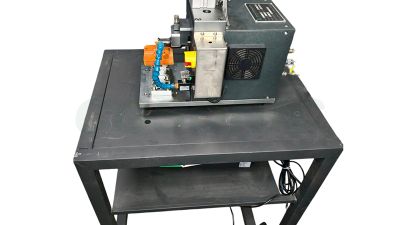
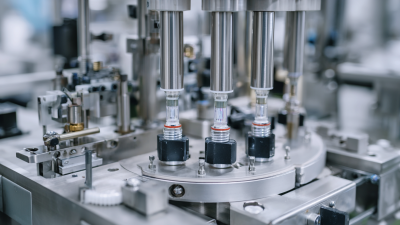
Welding paper cups requires specific equipment to ensure quality and efficiency. The most critical tools include a reliable ultrasonic welding machine. This device generates high-frequency vibrations, creating the heat needed to join paper fibers. Studies show effective ultrasonic welding can enhance production rates by up to 30%.
In addition, having a precise control system is essential. This system helps in adjusting parameters like amplitude and duration, ensuring optimal welding conditions. Reports indicate that improper settings can lead to weak seams, compromising the cup's integrity. Regular maintenance of these machines is crucial to prevent failures during operation. Without proper equipment checks, production setbacks are likely.
Some may opt for simpler methods like heat sealing, but these can be less effective. Not all methods provide the same durability as ultrasonic welding. Crafting high-quality paper cups demands precision. Each piece must withstand various conditions for usability. Reflecting on equipment choices is vital. Shortcomings in this area can impact overall production quality. Effective welding not only influences cup performance but also affects broader manufacturing processes, including essential practices like Electronic Component Welding.
Temperature Control: Essential Factors for Successful Welding
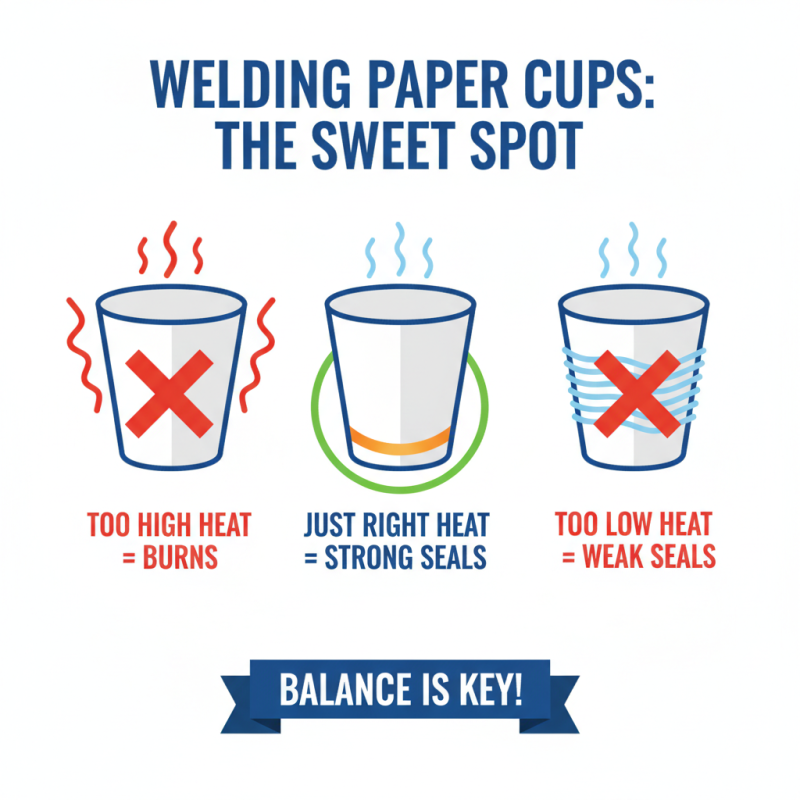
Temperature control is crucial when welding paper cups. An inadequate temperature can lead to poor bonding. If the temperature is too low, the welding process will be ineffective. The edges of the cups may remain unsealed, causing leakage. On the other hand, excessive heat can damage the paper fiber. This may lead to burns or weaken the cup's structure.
Maintaining an optimal welding temperature involves monitoring several factors. Ambient conditions, such as humidity and air pressure, can affect the results. Using a temperature gauge can help achieve consistency. If the temperature fluctuates, the welding process may not work as intended. This is where adjustments become necessary. Over time, you may notice patterns in successful welds.
Experimentation is key to honing your technique. Testing different temperatures can yield varied results. Some cups may require a bit more heat. Others might need less to seal properly. Documenting your findings can help identify the sweet spot. However, not every attempt will yield perfect results. Learning from mistakes is a part of the process.
Common Challenges in Welding Paper Cups and Their Solutions
Welding paper cups can be tricky. One common challenge is the variability in paper thickness. Different cup designs may use various paper types. This inconsistency can lead to weak welds. A good practice is to test on scrap materials first. This allows you to adjust your technique before moving to actual cups.
Another issue arises with temperature control. Too much heat can burn the paper, while too little can lead to inadequate bonding. Finding the right balance is essential. Using a temperature-controlled welder can improve results. It might take time to adapt to the equipment. Sometimes, failure happens, and learning from these mistakes is crucial.
Dissimilar Materials Welding often complicates the process further. Paper cups may have plastic layers that need special attention. These materials may respond differently during welding. Always consider the composition of the cups being used. Understanding these challenges makes the welding process smoother. Experimenting and remaining patient can lead to better outcomes.
Quality Control Measures for Optimal Welding Results
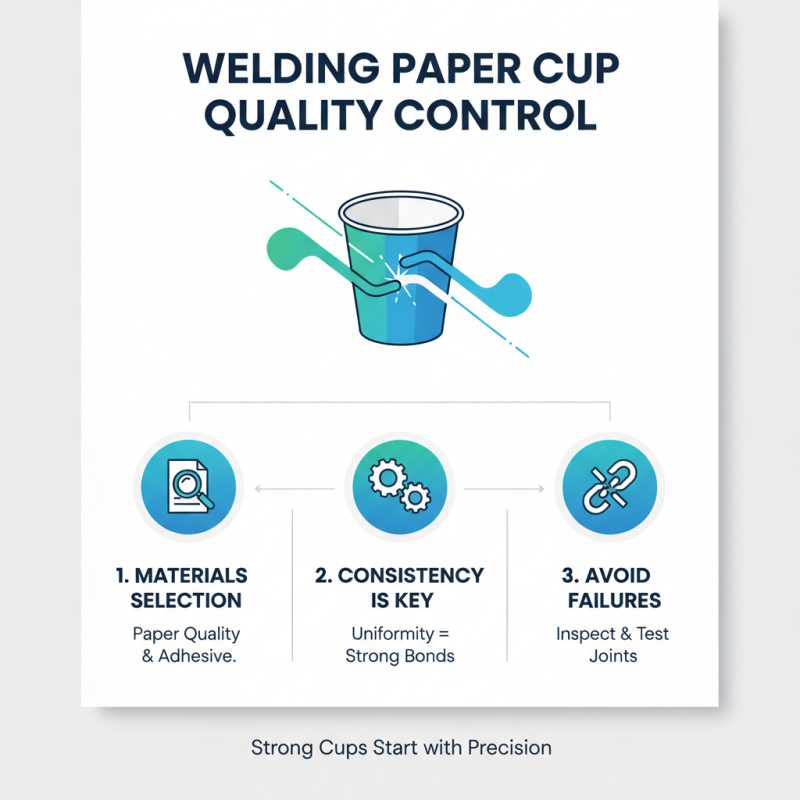
Quality control is vital in welding paper cups. Ensuring a strong bond requires attention to detail. Start with the right materials. Check the paper quality and adhesive used. Inconsistent materials lead to weak joints and failures.
Conduct regular inspections during the welding process. Ultrasonic Welding Equipment can enhance precision. Monitor the temperature and pressure settings. Incorrect settings can cause weak welds or even damage the cups. Test samples to ensure they meet standards. Look for any visible defects in the welds.
Consider feedback from operators. They can provide insights on problems faced during welding. Sometimes, operators might skip steps when under pressure. This behavior needs addressing. Regular training helps maintain quality standards. Include discussions on common issues and solutions. It’s an ongoing process that requires commitment to excellence.
Best Practices for Ensuring Strong Seals in Paper Cups
Welding paper cups effectively requires attention to detail. The heat needs to be just right. Too high, and the paper burns. Too low, and the weld won't hold. Finding that sweet spot is essential for strong seals.
Using the right type of adhesive is vital too. Some adhesives work better with paper than others. Testing different options can be beneficial. A trial-and-error approach helps in discovering what really works. It's also crucial to ensure the edges are aligned perfectly before applying pressure. Misalignment can lead to weak seals.
Temperature control is key during the welding process. It may require several attempts to find the optimal settings. The timing of heat application also matters greatly. Welds that are too quick may not bond properly. Careful monitoring of the process can yield better results. Observing the melting behavior of the adhesive can provide valuable insights, but this may take some practice.
Efficient Techniques and Benefits of Using Metal Welding Machines for Copper Wire Welding and Cutting
Metal welding machines designed for copper wire welding and cutting offer a range of efficient techniques that significantly enhance welding quality while addressing environmental concerns. One of the standout features of these machines is their ability to perform low-temperature welding, which eliminates the need for high-temperature metal melting. This approach minimizes the impact on the base material's properties, effectively preventing common issues such as deformation or brittleness that are often a byproduct of excessive heat.
In addition to promoting optimal material integrity, these welding methods are eco-friendly and clean. By avoiding the use of flux or filler materials, they eliminate harmful gases and slag, ensuring compliance with environmental standards. This not only contributes to a safer working environment but also reduces the need for extensive cleaning processes post-welding, streamlining production and enhancing operational efficiency. The superior welding quality achieved with these machines results in high-strength joints that exhibit excellent sealing capabilities, making them ideal for applications with stringent quality requirements.
Moreover, the strong adaptability of these metal welding machines allows them to cater to various metal materials, including both similar and dissimilar metals, such as copper-aluminum and nickel-stainless steel combinations. This versatility makes them an essential tool for professionals in the welding industry, enabling them to tackle a diverse range of projects while maintaining high standards of performance and quality.
FAQS
: Regular exercise improves physical health and boosts mood. It helps maintain a healthy weight.
Aim for at least 150 minutes of moderate activity weekly. Short sessions are useful too.
Yes, exercise reduces anxiety and improves overall mental well-being. It promotes better sleep.
A mix of cardio, strength training, and flexibility exercises is ideal. Balance is key.
Set realistic goals and track your progress. Enjoying the process helps.
Short workouts can be effective. Even 10 minutes a day can make a difference.
Yes, improper form or overtraining can lead to injuries. Listen to your body.
Plan outdoor activities together. Family outings can be great for bonding and fitness.
No, it is never too late. Begin slowly, and gradually increase intensity.
Yes, especially if you have health concerns. A healthcare provider can guide you.
Conclusion
In the process of Paper Cup Welding, selecting the right materials is crucial to ensure durability and functionality. Understanding various welding techniques is equally important, as different methods can affect the final product's strength and appearance. Essential equipment, including welding machines and temperature control devices, plays a significant role in achieving optimal results. Maintaining proper temperature during the welding process is key to forming strong, reliable seals.
Additionally, addressing common challenges such as inconsistent sealing and material compatibility is vital for successful Paper Cup Welding. Implementing quality control measures can help identify potential issues early, ensuring high standards are met. By following best practices, manufacturers can enhance the effectiveness of their welding processes, leading to better product integrity and customer satisfaction.


 1Durch die gruppenweite Einführung und Harmonisierung unseres integrierten Managementsystems (IMS) werden alle bestehenden Unternehmens-, Qualitäts-, Umwelt- und Energiepolitiken durch diese Unternehmenspolitik ersetzt. Der Slogan „Textil hat Zukunft – auch in De