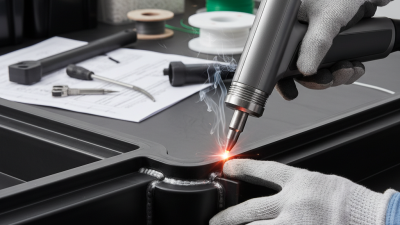
When it comes to the medical device world, there’s no denying how crucial quality really is. Take the welding of syringe components, for instance—that’s a pretty big deal because it directly affects how safe and effective the syringes are. Dr. John Miller, who's an expert in medical device engineering at MedTech Innovations, puts it nicely: “The strength of these welds can seriously impact patient outcomes.”
Welding is all about making sure the parts are bonded tightly, so there are no leaks or contamination risiko. Every weld has to pass some pretty strict tests to make sure it’s reliable. That said, it’s not always smooth sailing. Sometimes, the quality of the welds can vary because of different factors—things like the materials used or the environmental conditions where the welding happens. Because of that, it’s a constant game of monitoring and tweaking things to get it just right.
Quality assurance isn’t just about ticking boxes or meeting standards; it’s an ongoing journey. Companies really need to stay on top of it by using the latest techniques and investing in their team's training. As we move forward with welding syringe components, working closely with experts is definitely a smart move—it helps us stay sharp and improve our skills. Sure, we’re always aiming for perfect, but recognizing where we can do better is just part of the process, and honestly, that’s what keeps us growing.
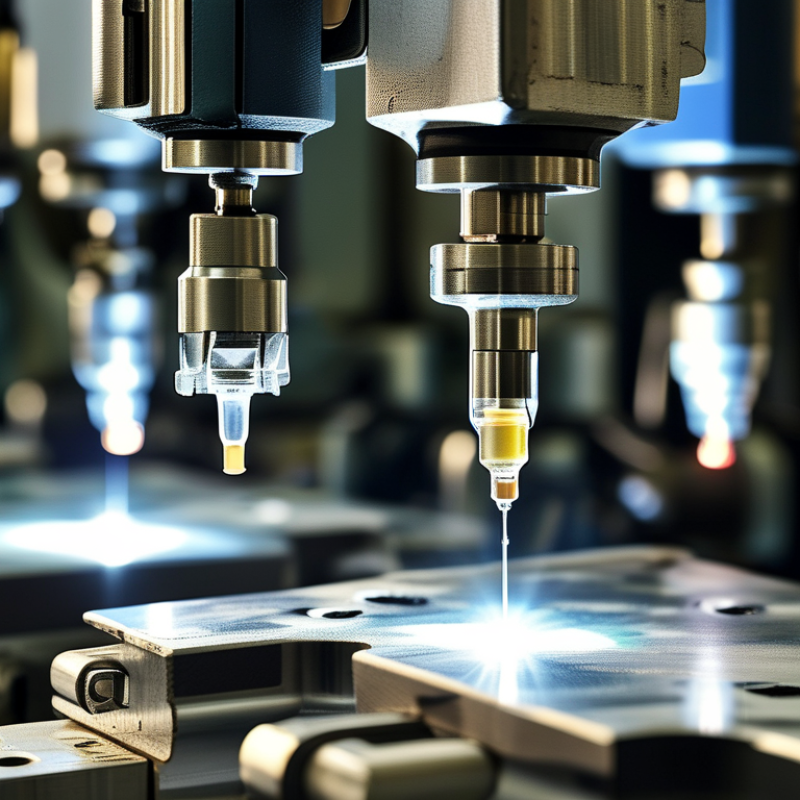
Importance of Welding in Syringe Manufacturing
Welding plays a crucial role in the manufacturing of syringes, particularly when it comes to ensuring quality and safety. According to a recent report, improper sealing in syringe assembly can lead to 20% of product defects. This highlights the importance of reliable welding techniques in syringe fabrication. Effective welding methods, especially in joining dissimilar materials, are vital for maintaining the integrity of the syringe components, which often include plastics and metals.
The process of welding enhances the durability and sterility of syringes. Studies indicate that well-welded syringe components can withstand high pressures and prevent leakage, reducing the risk of contamination. In a clinical environment, compromised syringes can jeopardize patient safety. Thus, manufacturers must prioritize their welding processes.
**Tips:** Always inspect the welding seams carefully. Any visible flaws can indicate deeper issues. Consider using Ultrasonic Welding to join dissimilar materials more effectively. This method can ensure a stronger bond with less risk of thermal degradation. Regular training for technicians on the latest welding techniques can further improve quality control and reduce defects.
Why Is Welding Of Syringe Components Essential For Quality? - Importance of Welding in Syringe Manufacturing
| Component | Welding Method | Importance | Quality Impact |
| Barrel | Laser Welding | Ensures airtight seal | Prevents contamination |
| Plunger | Ultrasonic Welding | Strong bonds without adhesives | Enhances durability |
| Needle | Resistance Welding | Critical for consistency | Ensures precise delivery |
| Cap | Spot Welding | Prevents leakage | Improves safety |
Understanding the Components of a Syringe
Syringes consist of several key components, each vital for functionality and safety. The barrel holds the medication, while the plunger creates suction. The needle, often stainless steel, ensures precise delivery. According to a recent industry report, around 80% of syringe failures result from poor component assembly. This highlights the need for meticulous craftsmanship.
Welding of syringe components is crucial for strength. It ensures a seamless bond between the barrel and the plunger. Recent findings indicate that properly welded joints can withstand pressures exceeding 300 psi without leakage. However, achieving consistent quality in welding is a challenge. Many manufacturers struggle with variations in temperature and time, which can weaken joints.
Quality control measures are essential. Regular inspections and testing can catch issues early. Reports show that up to 70% of defects are discovered during routine checks. Identifying problems before distribution protects patient safety. Even slight misalignments can compromise a syringe's integrity. Therefore, manufacturers must invest in precise welding techniques for improved reliability in healthcare settings.
Types of Welding Techniques Used in Syringe Production
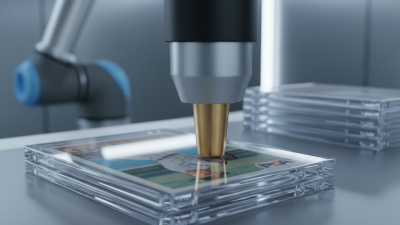
In syringe production, various welding techniques are crucial for maintaining product integrity. Ultrasonic welding, for example, is widely used due to its precision and speed. This method uses high-frequency vibrations to bond thermoplastic components without additional adhesives. A study shows that ultrasonic welding can achieve bond strengths exceeding 10,000 psi, meeting stringent quality standards.
Laser welding is another popular method in the industry. It offers high accuracy and minimized thermal distortion. Reports indicate that laser welding can effectively join dissimilar materials, enhancing design flexibility. This is essential for creating multi-layered syringe components. Interestingly, even small deviations in welding parameters can compromise quality.
Heat sealing is often employed as well. This technique is efficient for mass production. However, it requires close monitoring to ensure uniform temperature distribution. A slight inconsistency may lead to weak seals, which can affect the overall reliability of the syringe. This highlights the continuous need for quality control in welding processes, reminding us that even advanced techniques must be carefully managed.
Types of Welding Techniques Used in Syringe Production
Quality Assurance Through Effective Welding Processes
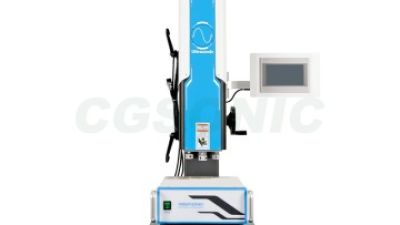
Effective welding processes play a crucial role in the quality assurance of syringe components. The integrity of these components directly affects patient safety. Poor welding can lead to leaks or contamination, making effective welding essential. This is where Ultrasonic Welding Equipment comes into play. It offers precision and reliability in creating strong bonds between various materials used in syringes.
Using ultrasonic Welding Equipment allows for controlled energy application. This leads to consistent welds that are less likely to fail. However, not all welding processes yield the same results. Variations in technique, temperature, and pressure can affect quality. Manufacturers must actively assess their methods and invest in training to ensure personnel understand the nuances of the equipment.
Even with advanced technology, challenges remain. Overheating can compromise a weld, while insufficient energy may lead to weak joints. Continuous monitoring and adjustment are necessary. Manufacturers need to refine their processes regularly. This commitment to quality can improve outcomes significantly, ensuring that every syringe assembled is safe for use.
Impact of Welding on Syringe Durability and Safety
Welding plays a critical role in the manufacturing of syringe components. It directly impacts the durability and safety of the final product. Properly welded syringes reduce the risks of leakage, ensuring that the contents remain sterile. A syringe that leaks can compromise patient safety, leading to serious consequences.
Using advanced welding techniques improves the structural integrity of syringe components. It allows for strong bonds between materials, which can withstand various temperature changes and physical stresses. Durable syringes are essential in both medical settings and for consumer electronics applications, where reliability is crucial.
**Tips:** Ensure that welding is performed under strict quality control standards. Regularly inspect welded areas for any signs of weakness or defects. Consider environmental factors during the manufacturing process; these can affect the long-term performance of syringes. Remember, even minor errors in welding can lead to significant issues in product reliability.
Regulatory Standards for Welded Syringe Components
Welding is a critical process for syringe components. It ensures the integrity and safety of medical devices. Regulatory standards emphasize the need for robust welding practices. The FDA outlines specific guidelines for welded parts. These include material compatibility and strength testing.
A study by the International Journal of Medical Device Regulations highlights that failure to meet welding standards can lead to device malfunctions. Inadequate welding can result in leaks or contamination risks. Such issues can have severe consequences for patient safety. Ensuring that welding processes adhere to industry standards is essential.
However, not all manufacturers strictly follow these regulations. Some may prioritize cost over quality. This approach raises serious concerns about the safety of syringes in healthcare settings. A proper evaluation of welding techniques is necessary. Frequent audits may help identify weaknesses in the manufacturing process.
Future Trends in Welding Technology for Medical Devices
The landscape of welding technology is evolving, especially in the medical device sector. As healthcare demands rise, precision in syringe component welding is becoming pivotal. This process ensures that components seamlessly fit together, reducing risks of contamination. A reliable seal is essential for maintaining sterility and function.
Future trends indicate a shift towards automation and advanced materials. Automated systems can enhance the consistency of weld quality. They also minimize human error, leading to greater reliability. Meanwhile, the integration of smart technology allows for real-time monitoring of the welding process. This contributes to higher standards of manufacturing and product safety.
Yet, challenges remain. New materials may behave unpredictably during welding. Adapting techniques to these variations will require ongoing research and expertise. Investing in a Professional Welding Machine can help manufacturers address these issues while maintaining high-quality standards. Continued innovation is necessary to meet the complex needs of the medical industry.
The Advantages and Applications of CGSF Servo Ultrasonic Plastic Welding Machine in Modern Manufacturing
The use of CGSF Servo Ultrasonic Plastic Welding Machines has become increasingly prevalent in modern manufacturing due to their numerous advantages. One of the standout features is their high welding precision. The servo system embedded in these machines allows for accurate control over welding parameters, including position and depth. According to industry reports, precise control in welding can enhance product consistency by up to 30%, significantly reducing the incidence of defective items.
Additionally, the stable energy output provided by these ultrasonic machines is crucial for adapting to various types of plastic materials and welding requirements. This adaptability ensures that the quality of the weld remains superior across different projects. Research indicates that consistent ultrasonic energy delivery not only improves weld integrity but also enhances the overall quality of the manufacturing process, leading to reduced waste and higher production rates.
Moreover, the high intelligence of CGSF Servo Ultrasonic Plastic Welding Machines offers manufacturers the ability to store and recall preset welding parameters. This feature streamlines operations, enabling automated production processes that are critical in today’s fast-paced industrial environments. The combination of fast welding speeds and short cycle times associated with these machines can dramatically boost productivity, yielding up to a 50% increase in output for certain applications. As the manufacturing landscape continues to evolve, these innovations reflect the ongoing commitment to efficiency and quality in plastic welding technology.
FAQS
: Welding ensures quality and safety, reducing product defects significantly. It helps maintain integrity in syringe components.
Proper welding reduces leakage risks, keeping contents sterile and safe for patients, which is critical in clinical environments.
Improper welding can lead to significant defects, with about 20% of syringes compromised due to sealing issues.
Variations in temperature and time can weaken welded joints, leading to potential failures in syringes.
Techniques like ultrasonic welding help join materials effectively, enhancing bond strength and reducing thermal degradation risks.
Regular inspections and testing are essential for catching issues early, potentially reducing defects discovered after distribution.
Yes, advanced welding improves structural integrity, making syringes resilient to physical stresses and temperature variations.
Around 80% of syringe failures stem from poor component assembly, emphasizing the need for meticulous craftsmanship.
Identifying and correcting slight misalignments during welding can prevent significant integrity issues in final products.
Regular training for technicians on the latest welding methods can significantly improve quality control and reduce defects.
Conclusion
The article "Why Is Welding Of Syringe Components Essential For Quality?" emphasizes the critical role of welding in the manufacturing process of syringes. Welding of syringe components is crucial for ensuring the integrity and safety of the final product. The article discusses various welding techniques employed in syringe production, highlighting their significance in maintaining quality assurance and compliance with regulatory standards. Additionally, it explores the impact of welding on the durability and safety of syringes, positioning effective welding processes as a foundational element in the medical device industry.
Moreover, the article addresses future trends in welding technology that may enhance the performance and reliability of medical devices, including syringes. As manufacturing evolves, the importance of innovative welding solutions remains paramount to meet the growing demand for high-quality, safe, and efficient medical products. Through a comprehensive understanding of welding’s role, manufacturers can better navigate the complexities of syringe production while ensuring optimal outcomes for patient care.

 1Durch die gruppenweite Einführung und Harmonisierung unseres integrierten Managementsystems (IMS) werden alle bestehenden Unternehmens-, Qualitäts-, Umwelt- und Energiepolitiken durch diese Unternehmenspolitik ersetzt. Der Slogan „Textil hat Zukunft – auch in De