
Request a Quote
asdsd3
Leave Your Message
0%

Wire Harness Welding might sound like technical stuff, but it’s actually a pretty essential part of manufacturing, especially in industries like automotive and electronics. Basically, it’s how they securely connect wires and connectors together, making sure everything holds up over time and performs well. The cool part? It uses ultrasonic vibrations—kind of like super tiny, intense vibrations—to heat things up and create a really strong bond between the materials.

What’s awesome about this method is that it’s both fast and precise. Plus, it reduces the risk of damaging parts—which can happen with traditional soldering methods. That means companies can save time and cut down on resources, making the whole production process more efficient. Brands like XYZ Corp. swear by it because of how reliable it is.

Of course, like anything, there are some challenges. If the conditions aren’t just right, you might end up with faulty welds. That’s why investing in proper training and high-quality equipment is super important. Companies need to stay constantly on top of their game, always aiming to improve, so they can keep high standards and avoid common pitfalls in wire harness welding. It’s all about continuous learning and fine-tuning the process to get the best results.

What is Wire Harness Welding and How Does it Work?

What is Wire Harness Welding: A Comprehensive Overview

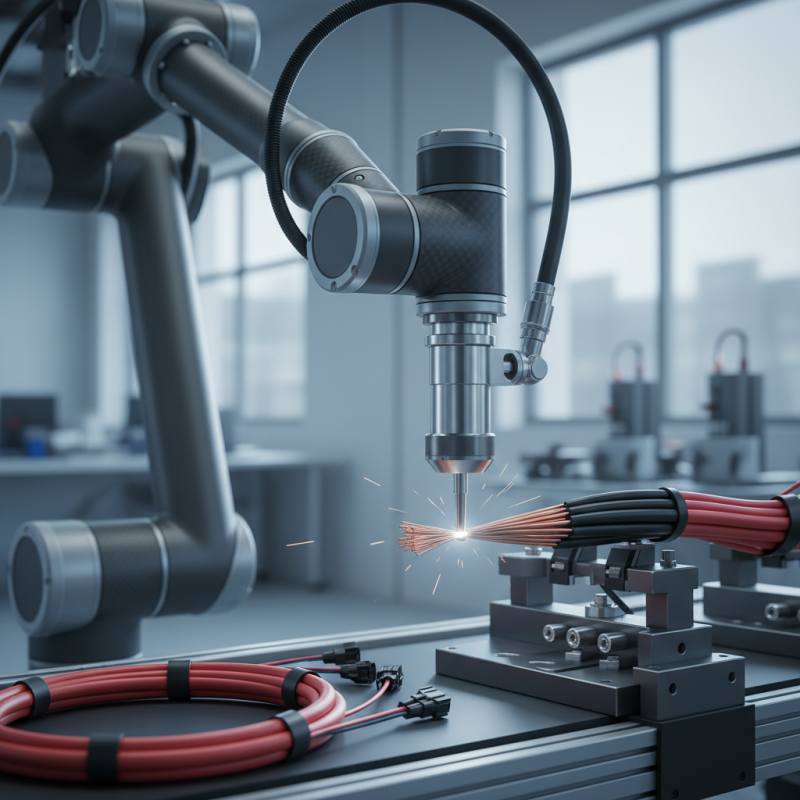
Wire harness welding has emerged as an essential process in manufacturing. It focuses on joining wire ends securely, ensuring optimal performance in electrical systems. The welding technique often used is Ultrasonic Welding. It applies high-frequency vibrations to create a solid bond without needing additional materials. This method is efficient and reduces production time.

According to industry reports, the global wire harness market is projected to reach $160 billion by 2025, reflecting significant growth. Ultrasonic Wire Harness Welding Machines contribute to this trend by enhancing precision and reliability in assemblies. However, challenges remain. Ensuring consistent quality can be difficult, particularly when dealing with diverse wire materials. Experts suggest regular equipment calibration to mitigate risks and improve outcomes.

Many manufacturers are now investing in advanced ultrasonic technology. These machines can produce multiple welds simultaneously, increasing overall efficiency. However, the initial investment can be substantial, and not all companies find it feasible. Continuous training for staff is also critical. Operators must understand the intricacies of wire material properties and their interactions during the welding process. Without proper knowledge, even the best machines may underperform.

What is Wire Harness Welding and How Does it Work?

Dimension Description Application Benefits
Technique Wire harness welding combines welding techniques to connect wires and terminals. Automotive, Aerospace, Consumer Electronics Strong, reliable connections
Process Uses heat and pressure to create bonds at the wire junctions. Electrical systems integration High precision and reduced electrical resistance
Materials Copper, aluminum, and thermoplastic materials. Wiring harness production Durability and flexibility
Standards Follows industry standards like IPC/WHMA-A-620 for quality assurance. Manufacturing and quality assurance Meets rigorous safety and performance standards
Equipment Utilizes specialized welding machines and fixtures. Production lines for wire harnesses Increased production efficiency

The Importance of Wire Harness in Electrical Systems

Wire harnesses are crucial in electrical systems. They organize and protect electrical cables. This organization prevents short circuits and maintains efficient energy flow. A well-structured wire harness can reduce connection errors. It aids in overall system reliability.

In many applications, wire harnesses connect various components. These include sensors, controllers, and power sources. Their design ensures that signals are transmitted accurately. However, improper design can lead to failures. A loose connection or poor insulation can cause malfunctions. This highlights the need for careful planning and execution.

Welding techniques are often used to fabricate wire harnesses. These methods create strong connections. Yet, mistakes during welding can compromise the harness's integrity. Regular quality checks are essential. They help in identifying flaws early. Ensuring each connection is solid keeps systems running smoothly.

Types of Wire Harness Welding Techniques Used in the Industry

What is Wire Harness Welding and How Does it Work?

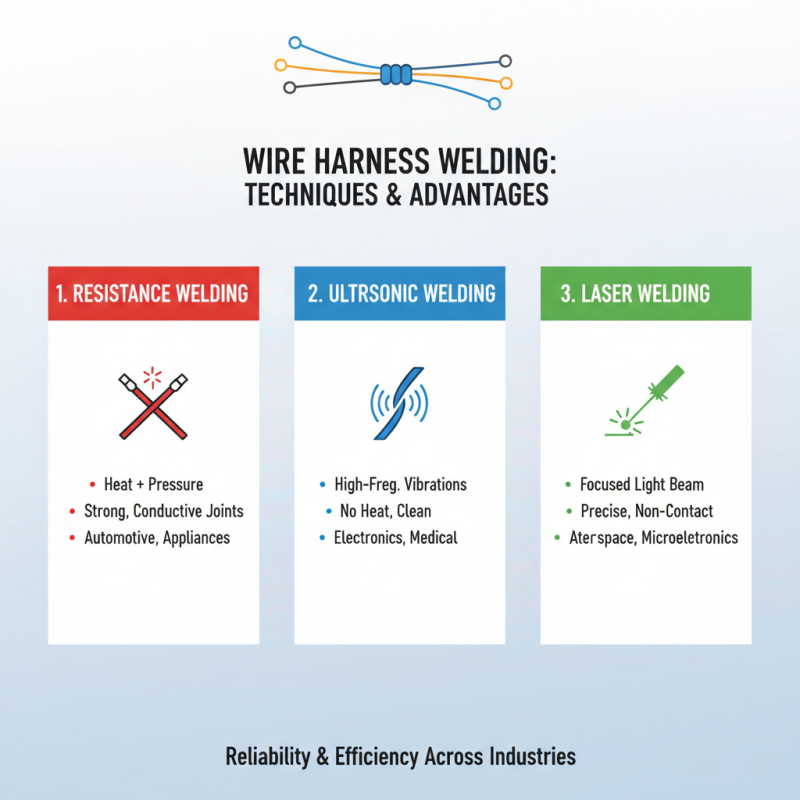
Wire harness welding is a crucial process in various industries. Different techniques are employed to ensure reliability and efficiency. Common methods include resistance welding, ultrasonic welding, and laser welding. Each technique has unique advantages and challenges.

Resistance welding is widely used for its speed and cost-effectiveness. Data from industry reports show that this method can achieve over 90% efficiency in production. However, it may not be suitable for all materials. On the other hand, ultrasonic welding provides precise welds for delicate components. This method is particularly advantageous for plastics and thin wires. Yet, it requires careful control of parameters, which can complicate the process.

Laser welding is gaining popularity due to its ability to create clean, high-quality welds. Reports indicate a growing demand for this technique, especially in automotive and aerospace sectors. However, the initial setup costs can be high. Industries must weigh the benefits against the investment. Achieving optimal results often involves trial and error. Not all applications yield perfect outcomes, prompting ongoing refinement of techniques and technologies.

Key Components and Materials Used in Wire Harness Welding

Wire Harness Welding is a specialized technique used in the electrical industry. It involves joining multiple electrical wires and connectors into a cohesive assembly. The process is vital for ensuring strong electrical connections in various applications, such as automotive and aerospace industries.

Key components in wire harness welding include: wires, terminals, and connectors. High-quality materials are essential. Copper and aluminum wires are common choices due to their excellent conductivity. Plastic insulation protects these wires from damage. Attention to detail is crucial.

Tips: Always check for material compatibility before welding. Mismatching can lead to poor connections. Also, ensure your work environment is clean. Contaminants can affect weld quality.

Another consideration is the choice of welding method. Techniques include ultrasonic welding and resistance welding. Each method has its own strengths and weaknesses. Experimenting with different approaches may yield better results. Accurate settings make a difference in the final product's reliability.

In wire harness welding, focus on precision. Mistakes can lead to costly rework. Take your time and double-check connections. Consistency in the process can greatly improve product quality.

Step-by-Step Process of Wire Harness Welding

Wire harness welding is a critical process in manufacturing. It involves joining multiple wires together to create a single, durable piece. This is vital for various applications, especially in Automobile Wiring Harness Welding. The steps in this process are straightforward yet require precision.

The first step is preparing the wires. Each wire must be stripped of its insulation. This ensures a strong connection during welding. Next, the wires are arranged based on the desired configuration. It's essential to check for any defects at this stage. Flaws can lead to weak points later on. Once everything is set, the welding machine is calibrated for the required heat and duration.

Welding follows rigorous safety protocols. Operators wear protective gear and monitor the equipment closely. After welding, the connections need inspection. Quality checks are crucial to ensure the integrity of the harness. Sometimes, mistakes happen. A misalignment can occur, requiring rework. This step is crucial for the overall performance of the wire harness in vehicles.

Quality Control Standards in Wire Harness Welding

Quality control standards in wire harness welding are crucial for ensuring the reliability and longevity of electrical connections. These standards involve several key processes, including inspections and testing methods. Wire harness welds must meet specific tensile strength and conductivity requirements. This ensures that connections will hold under stress and provide reliable electrical flow.

In many cases, inconsistent welding can lead to failures. Inspectors check for uniform weld size and lack of defects. A visual inspection might reveal problems that are not immediately obvious. Clear documentation of the welding process is essential for maintaining quality standards.

**Tip:** Regular training for welders can improve skill levels, reducing the likelihood of errors. Another effective strategy is to implement automated inspection systems. They can detect inconsistencies quickly and accurately.

Attention to details in the welding process can make a significant difference. Each weld must be tailored to the type of wire and application. Deviating from established standards can lead to long-term issues that compromise the integrity of the entire harness. It's essential to always revisit and revise procedures to adapt to new challenges in the industry.

Future Trends in Wire Harness Welding Technology

What is Wire Harness Welding and How Does it Work?

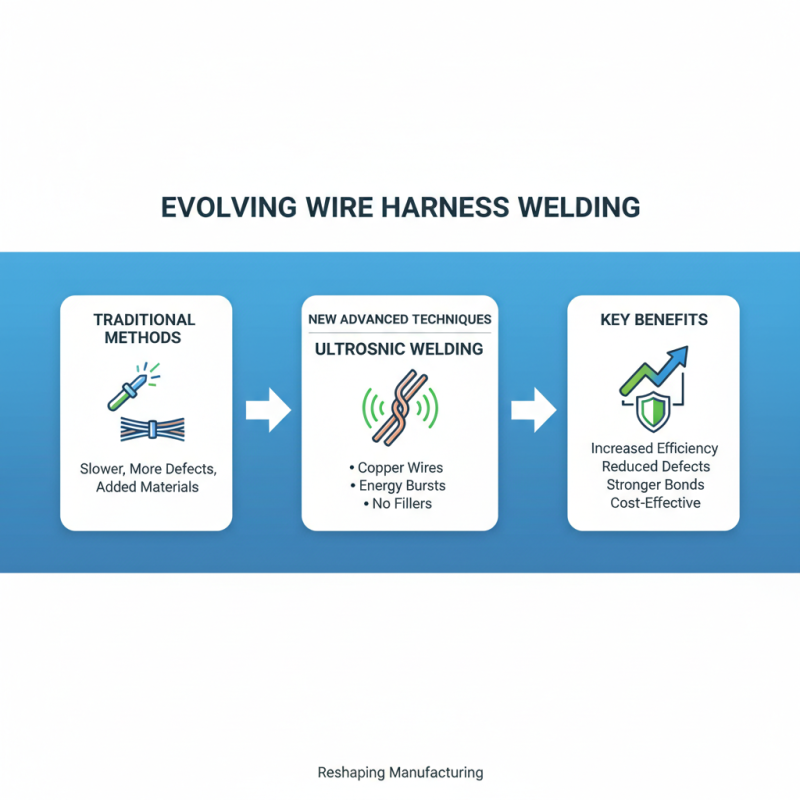
The landscape of wire harness welding is evolving. New technologies are reshaping how manufacturers approach this critical process. One significant trend is the rise of advanced welding techniques. Ultrasonic welding has gained traction, especially for copper wire applications. This method improves efficiency and reduces manufacturing defects. Quick bursts of ultrasonic energy create a strong bond without the need for additional materials.

As industries face new challenges, innovation remains essential. Manufacturers are exploring automation in welding. Smart technology enhances precision and consistency. However, integrating these systems poses a challenge. Training personnel to operate these new machines effectively can be difficult. There’s a fine balance between automation and maintaining skilled labor.

Sustainability is another focal point. Companies are prioritizing environmental considerations in their practices. Switching to cleaner energy sources for ultrasonic welding machines is one approach. Despite these advancements, not every innovation will meet expectations. Continuous evaluation is necessary to avoid wasting resources. The future of wire harness welding looks promising, yet careful planning is crucial.

Innovative Solutions in Manufacturing: The Impact of Ultrasonic Handheld Spot Welding Systems on Efficiency and Precision

Ultrasonic handheld spot welding systems represent a pivotal advancement in manufacturing, focusing on both efficiency and precision. These systems enable high-quality welding, characterized by robust strength and excellent aesthetics. The welding joints exhibit remarkable firmness, capable of withstanding external forces, while the smooth and airtight surfaces ensure durability. The welded joint strength can closely match that of the original materials, making it an ideal solution for various applications.

Moreover, these ultrasonic systems significantly enhance production efficiency by completing the welding process in under one second. This rapid execution not only streamlines operations but also contributes to substantial energy savings. The welding process does not require additional heat sources or chemical adhesives, thereby minimizing energy consumption and environmental impact. The design of the systems allows for easy operation and portability, with the capability to interchange welding heads based on the dimensions and specifications of the workpieces.

The versatility of ultrasonic handheld spot welding systems further adds to their appeal, as they can be utilized for a wide range of materials, including thermoplastic products and combinations of metal and plastic components. This adaptability extends to processing fabrics and films, effectively broadening the scope of applications. In summary, the innovative design and functionality of these welding systems not only improve production capabilities but also align with contemporary energy-saving and environmental goals.

FAQS

: What are some tips for improving time management skills?

: Use a planner or app to schedule tasks. Prioritize what is most important. Break tasks into smaller, manageable steps.

How can I stay motivated when working on long-term projects?

Set small, achievable goals to celebrate progress. Reward yourself for milestones reached. Reflect on your reasons for starting.

What should I do if I feel overwhelmed by my workload?

Take a short break to clear your mind. Consider delegating tasks. Talk to someone about your feelings.

What methods can help with reducing stress?

Practice mindfulness or meditation. Engage in physical activity regularly. Spend time in nature or a quiet space.

How can I build better habits?

Start with one small change at a time. Be consistent and patient with yourself. Reflect on your progress regularly.

What if I struggle with procrastination?

Identify your reasons for delaying. Break tasks into smaller parts. Set a timer to work in short bursts, then rest.

How important is self-reflection for personal growth?

Self-reflection helps identify strengths and weaknesses. It fosters a better understanding of your goals and desires.

Can I improve my focus during work or study?

Eliminate distractions in your environment. Set specific times for focused work. Use techniques like the Pomodoro method.

Why is it essential to set boundaries in work-life balance?

Boundaries help prevent burnout and stress. They ensure you have time for personal life and self-care.

What can I learn from my failures?

Failures provide valuable lessons. They highlight what doesn’t work. Reflecting on them can guide better future decisions.

Conclusion

Wire Harness Welding is a crucial process in the manufacturing of electrical systems, providing the necessary connections between various electronic components. This comprehensive overview highlights the significance of wire harnesses in ensuring reliable electrical connectivity. The article delves into various welding techniques employed in the industry, including ultrasonic and laser welding, as well as the key components and materials that facilitate effective wire harness welding.

Additionally, it outlines the step-by-step process involved in wire harness welding, emphasizing the importance of quality control standards to ensure durability and performance. As technology evolves, future trends in wire harness welding are also explored, reflecting advancements that enhance efficiency and reliability in electrical system design. Such insights are essential for professionals in the field who aim to optimize their manufacturing processes.

Oliver

Oliver

Oliver is a seasoned professional with over 20 years of experience in the field of ultrasonic plastic welding. As a dedicated marketing specialist at Chengguan, he possesses an exceptional depth of knowledge about the company's extensive range of products, including ultrasonic plastic welding......
Previous 5 Compelling Reasons Why Best Wire Harness Welding is Essential for Your Business Success