



- Ultrasonic horn
- Ultrasonic plastic welding machine
- Ultrasonic metal welding machine
- Ultrasonic sewing machine
- Ultrasonic cutting device
- Ultrasonic homogenizer
- The ultrasonic generator
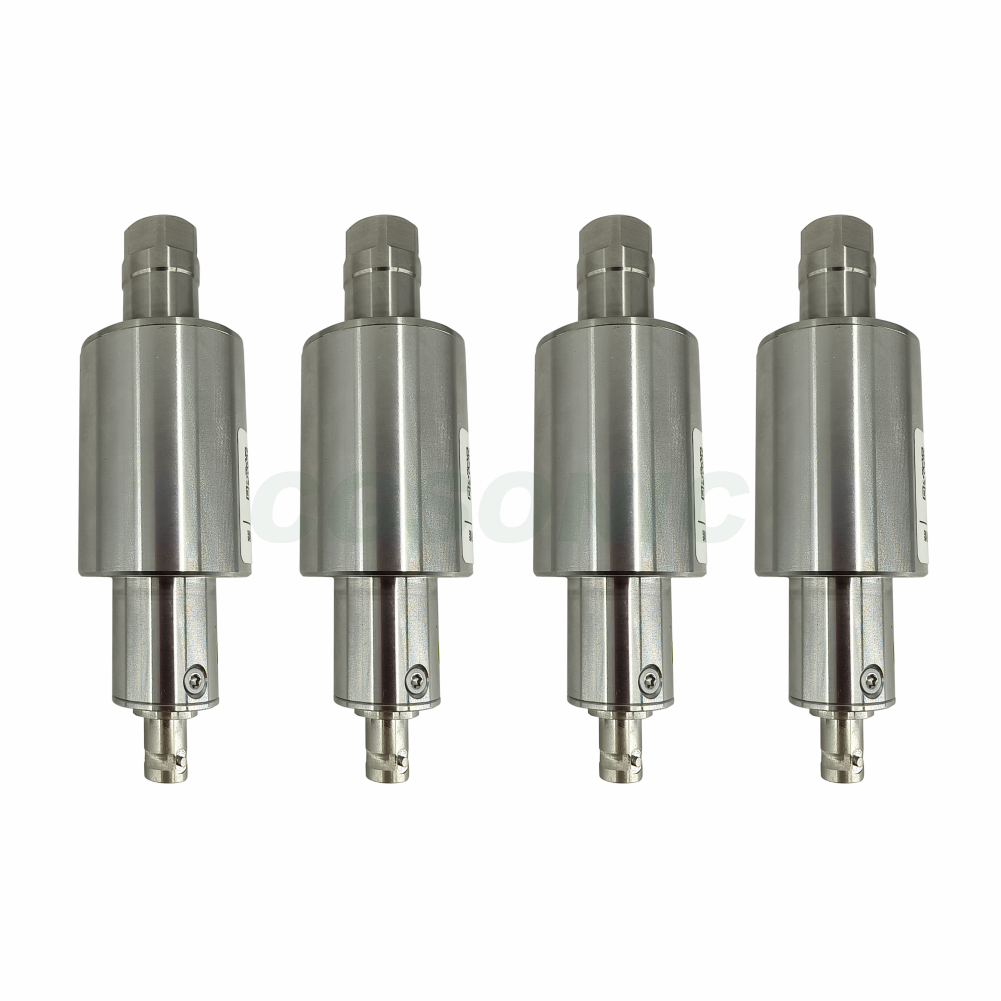
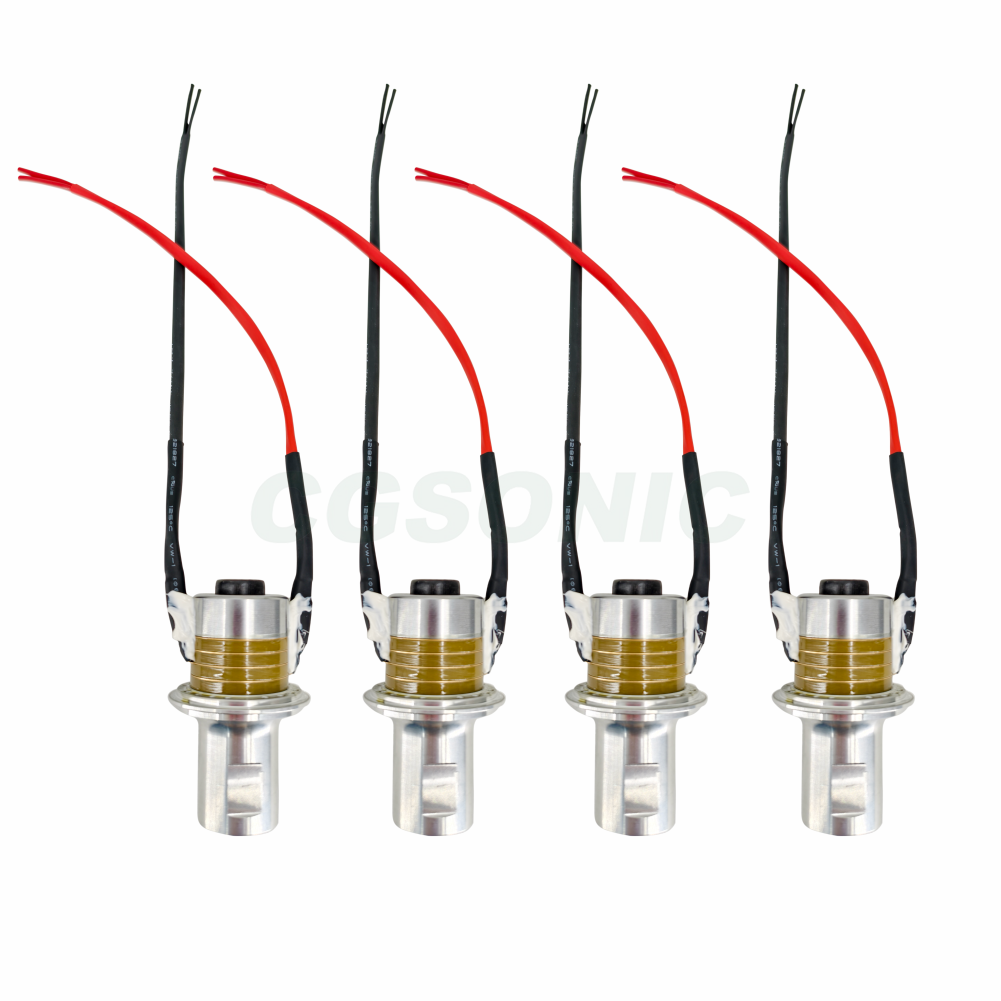
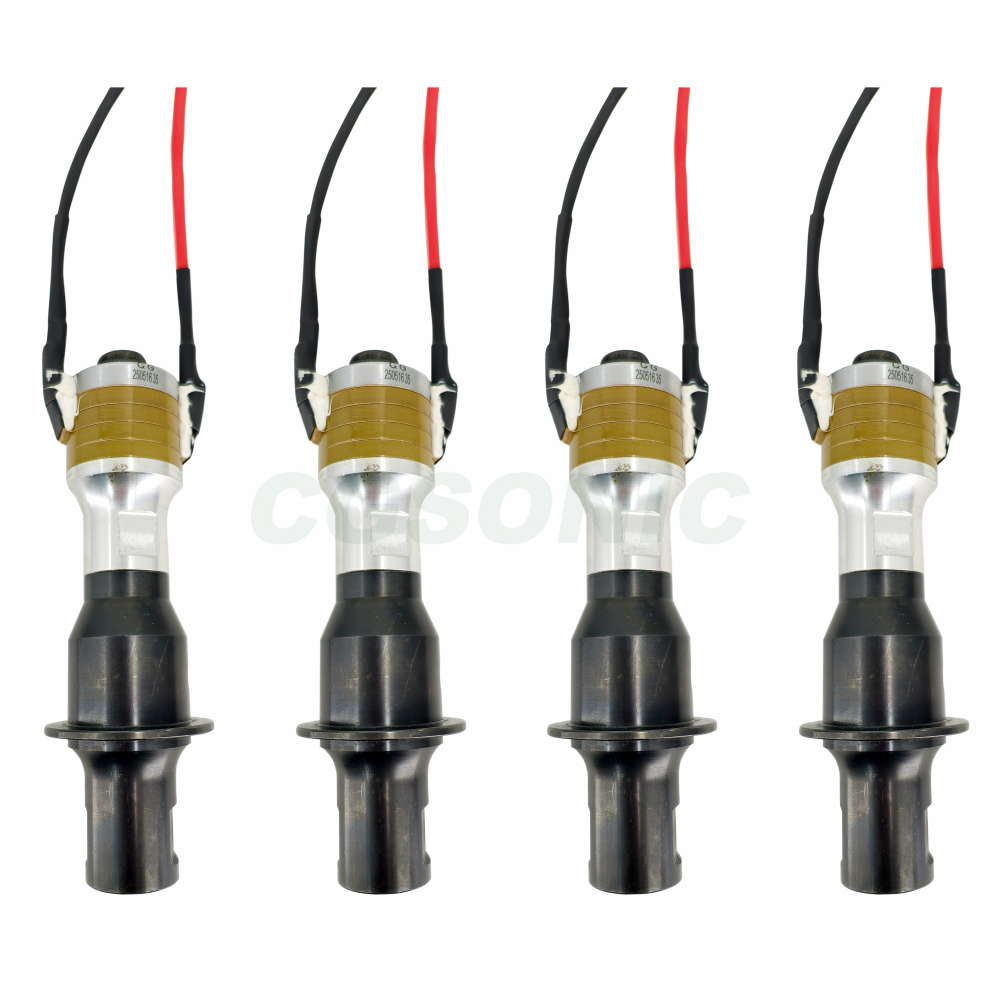
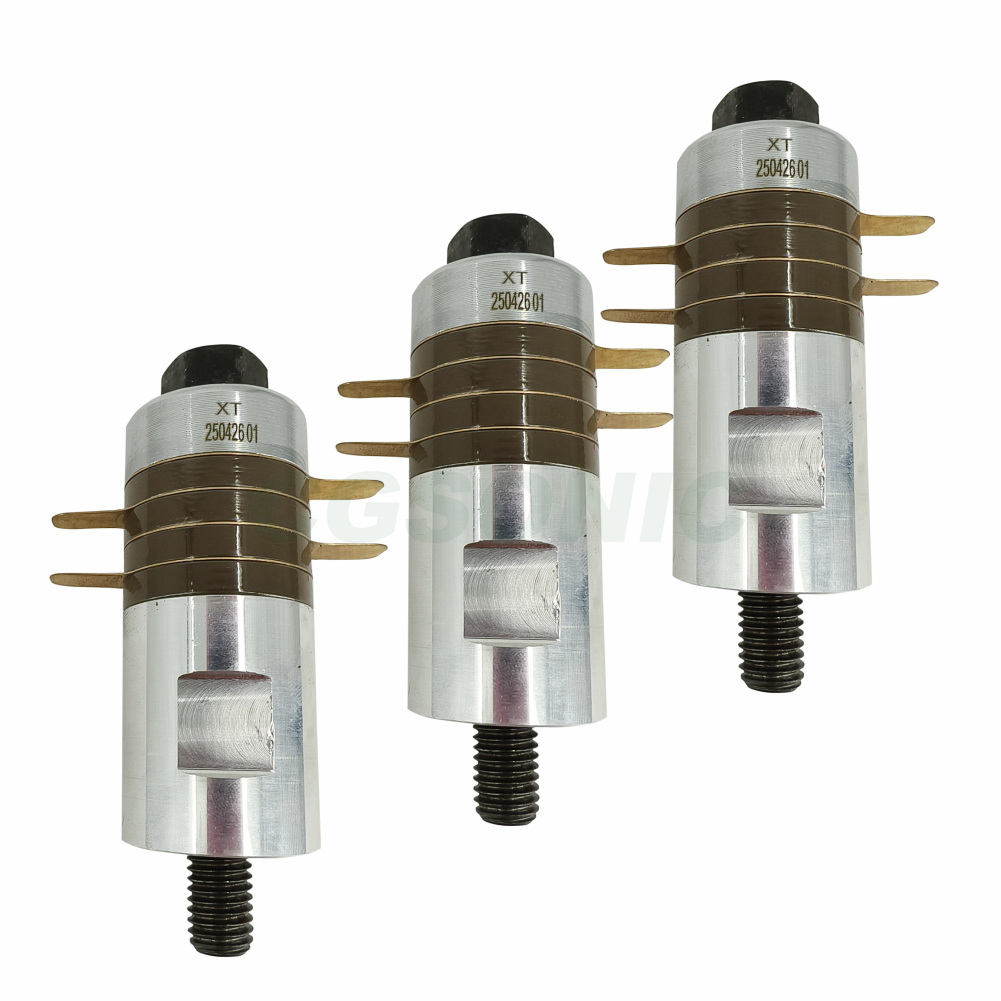
- Ultrasonic transducer
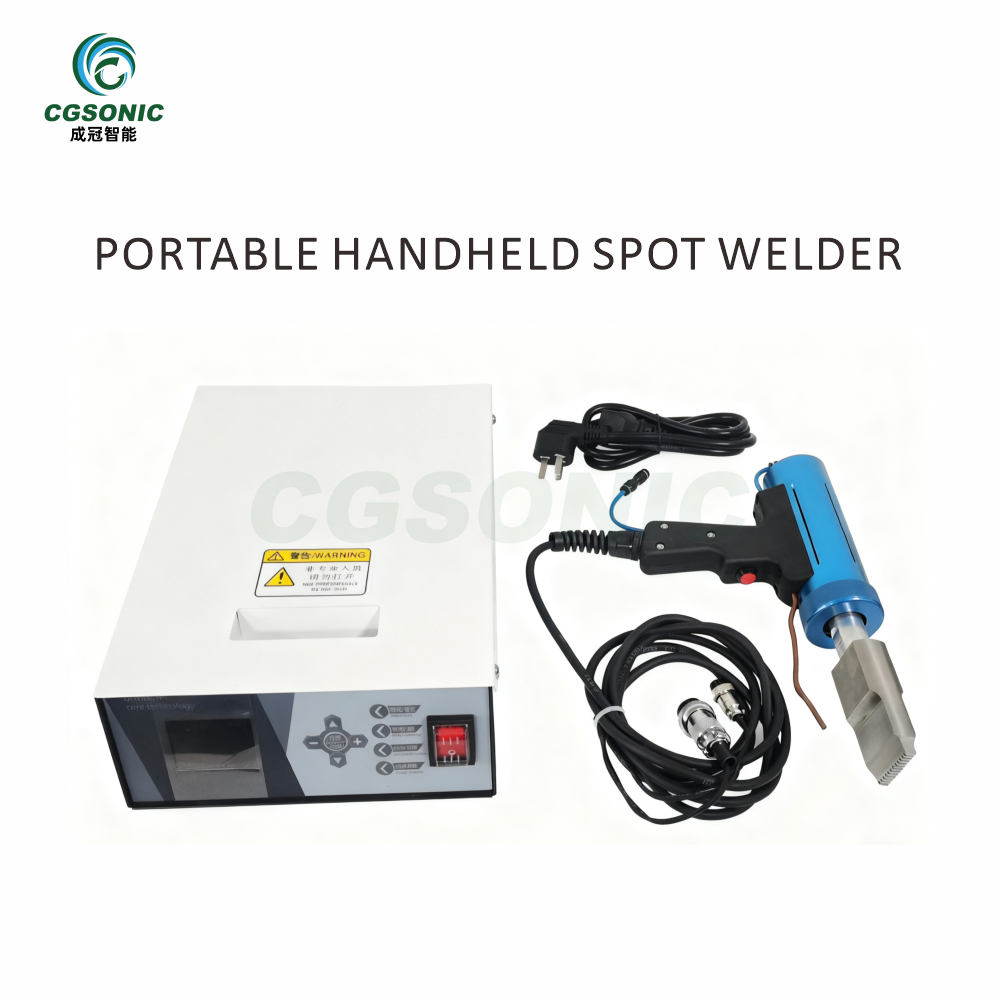
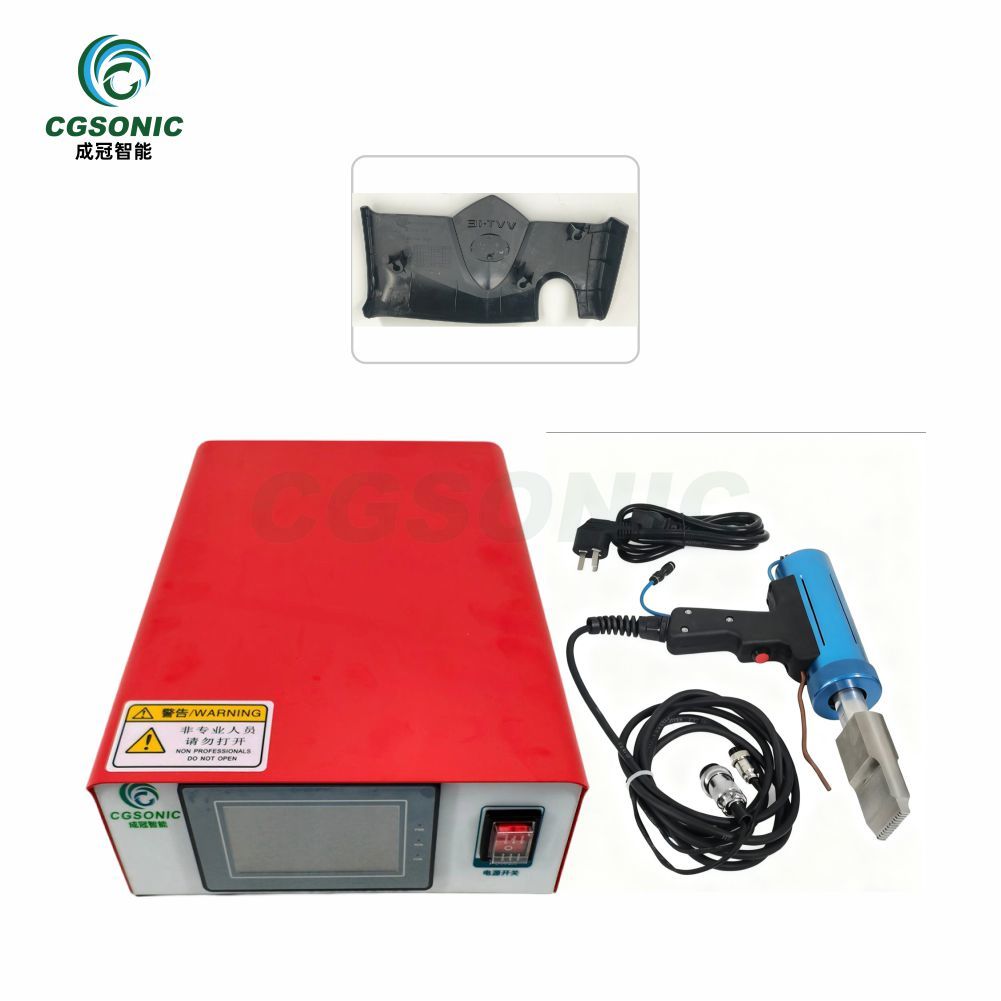
- Ultrasonic spot welding, handheld welding
- Ultrasonic hose sealing machine
- Ultrasonic turntable machine
- Water outlet machine
- Flange
01
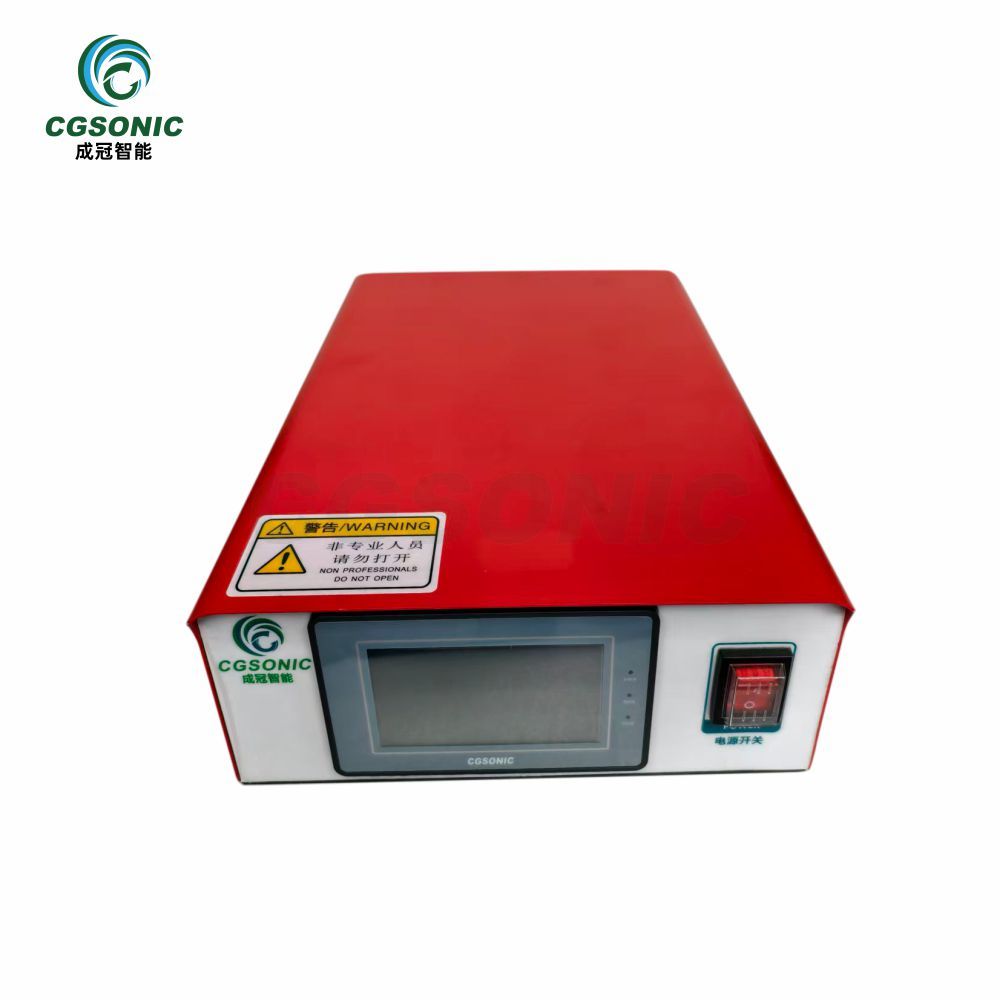
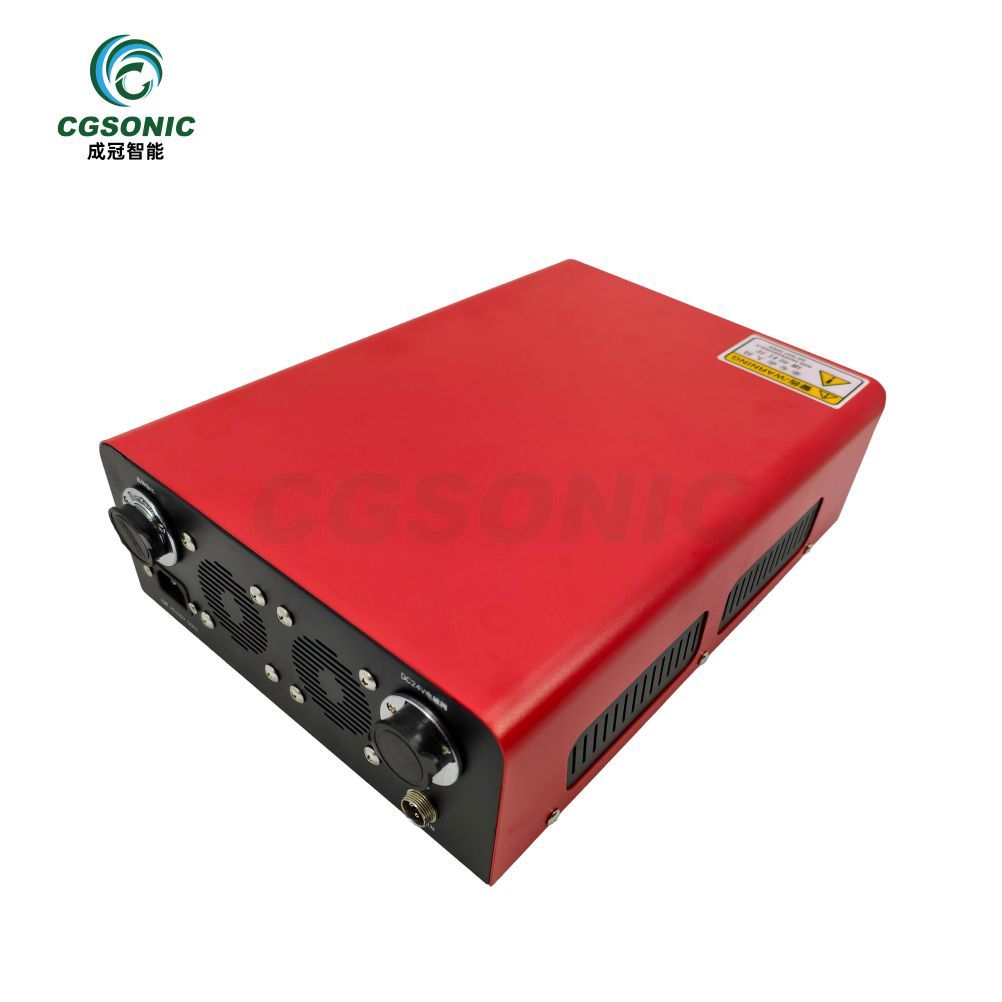
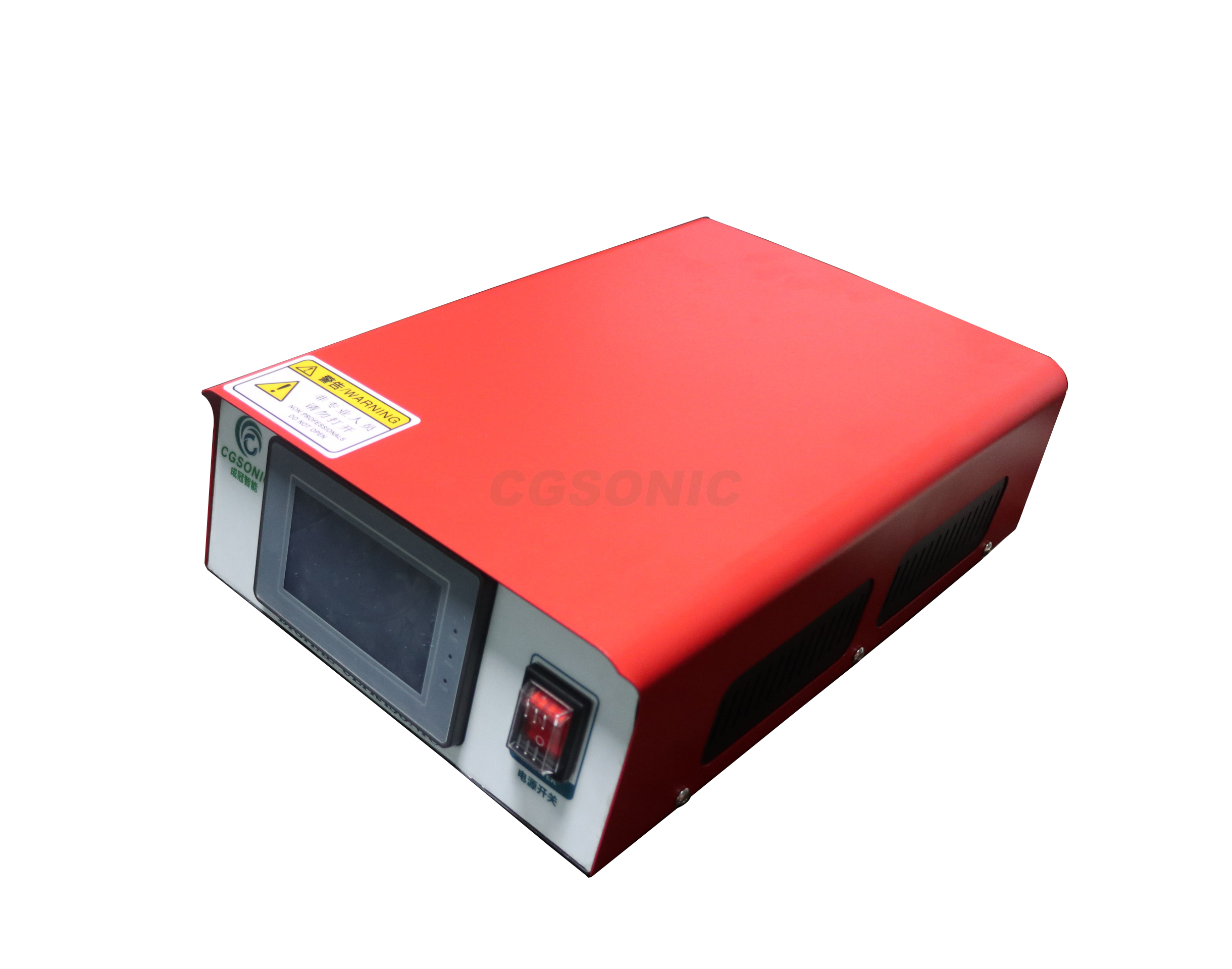
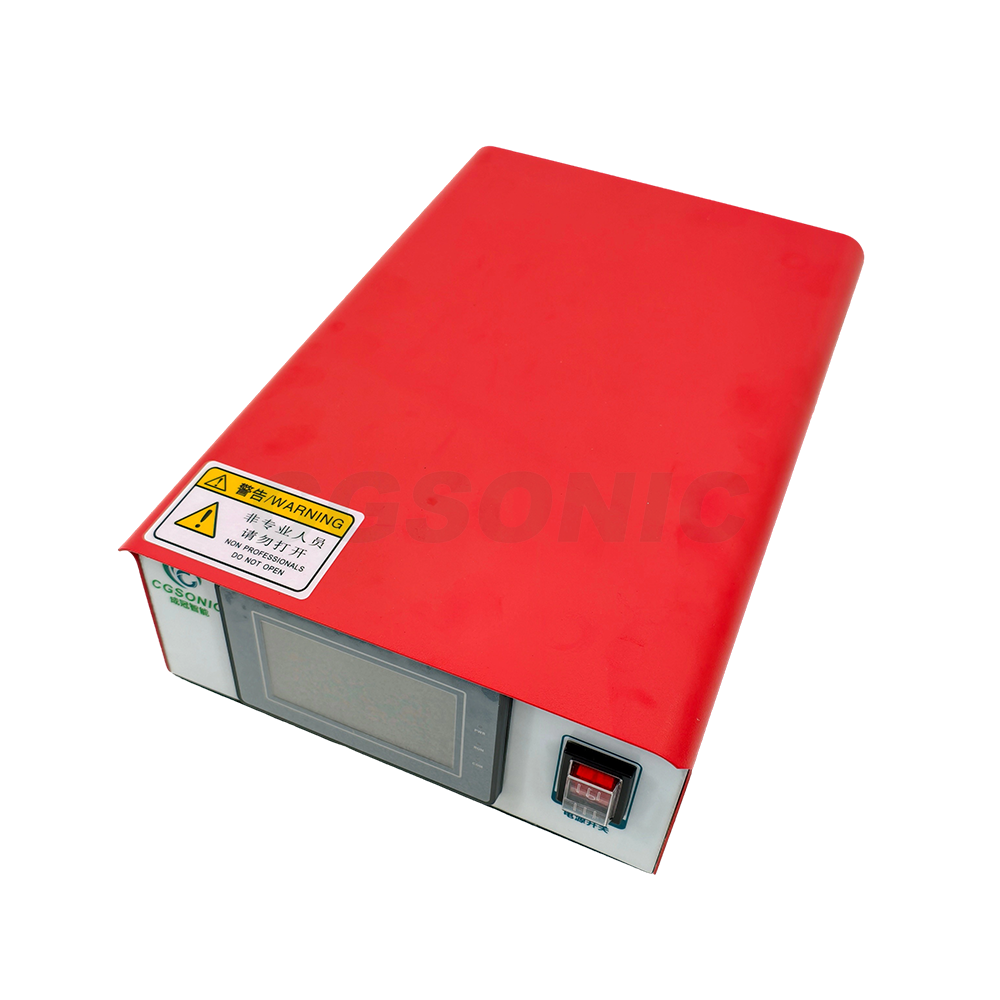
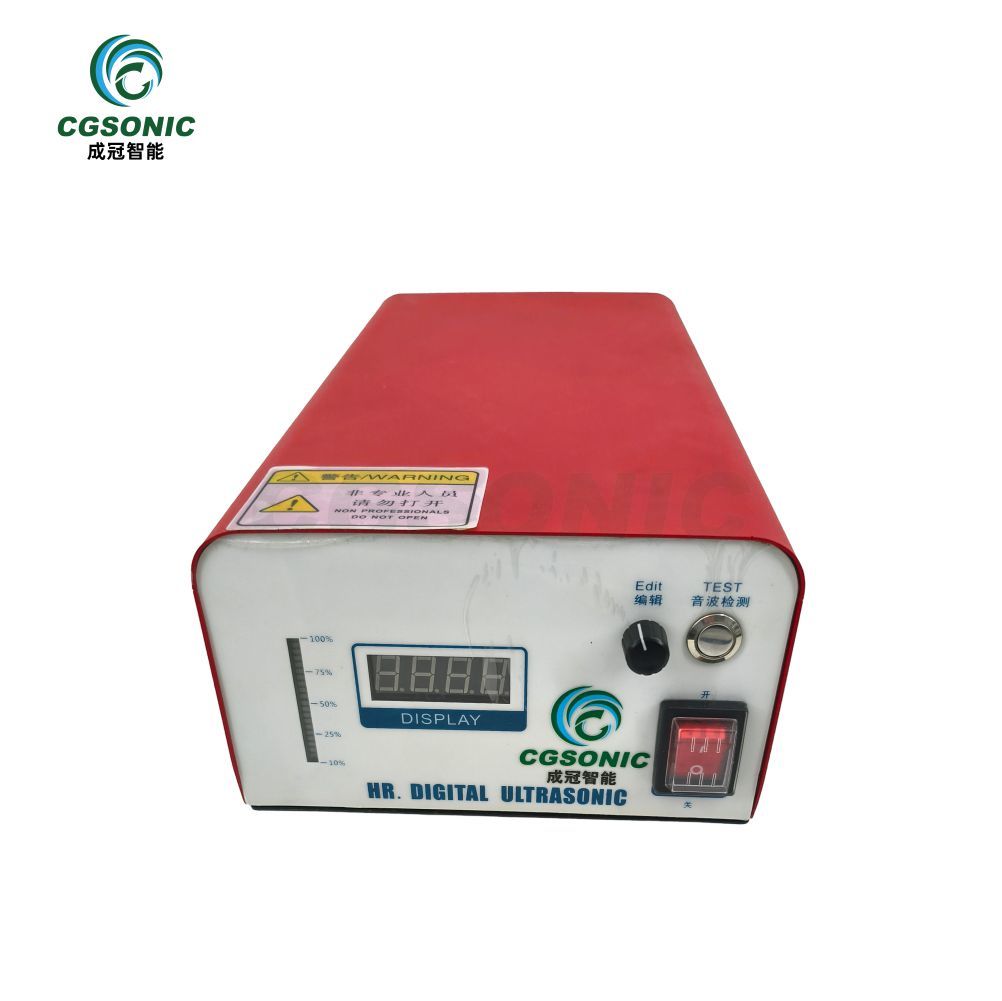
CG00 series ultrasonic generator
working principle
An ultrasonic generator converts industrial frequency power into high-frequency electrical energy through electronic circuits, precisely controlling the output frequency, power, and waveform to drive a transducer to generate efficient and stable ultrasonic waves. It features intelligent frequency modulation and adaptive power adjustment, effectively avoiding frequency drift and energy loss. Widely used in welding, cleaning, emulsification, and medical diagnostics, it enables precise operations through non-contact energy transmission, improving production efficiency and processing results.
product presentation
Our ultrasonic generators have many distinctive features:
1. Advanced FM and IC Technology: Utilizing advanced FM circuitry and IC circuit technology, it effectively reduces working time, significantly improves soldering results, saves users time and costs, and enhances work efficiency.
2. High-Quality Power Modules: The use of high-quality power modules significantly improves the safety and lifespan of the electrical box, effectively protecting the normal operation of the ultrasonic transducer, reducing equipment failure rates, and lowering maintenance costs.
3. Soft-start design: The unique soft-start circuit reduces the impact of starting current on the vibrator, extends the vibrator's lifespan, and further ensures stable equipment operation.
4. Digital signal processing (DSP) technology and microcontroller (MCU) are used to generate, control and regulate high-frequency signals .
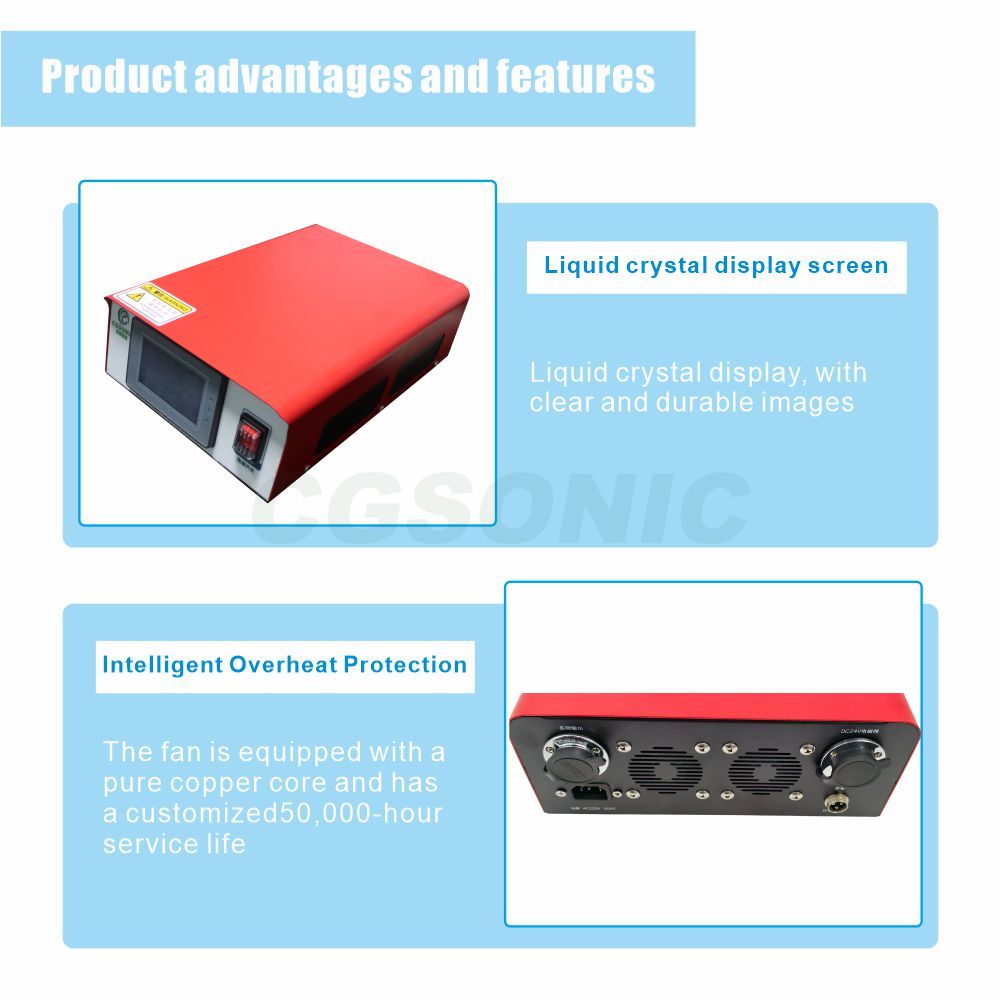
5. Fully Digital Display: Features a fully digital display with digitally displayed and steplessly adjustable frequency and power. It also includes a timer function, allowing users to freely set the desired welding time. Furthermore, any faults are displayed digitally, facilitating quick troubleshooting and eliminating any concerns.
6. Selectable Working Modes: Offers both continuous and timed working modes for users to choose from, meeting diverse usage needs in different scenarios.
7. Aesthetically pleasing design: The equipment boasts a beautiful and elegant appearance, combining practical functionality with aesthetic appeal, winning the favor of many users.
8. It has advantages such as high frequency stability, precise power control, and the ability to implement various complex welding process control algorithms. At the same time, its functions can be continuously expanded through software upgrades .
Application area
Ultrasonic generators have a wide range of applications, including plastic welding , metal welding, industrial cleaning, medical fields, food processing, chemical industry, agriculture, environmental management, and electronics industry .
Product Parameter
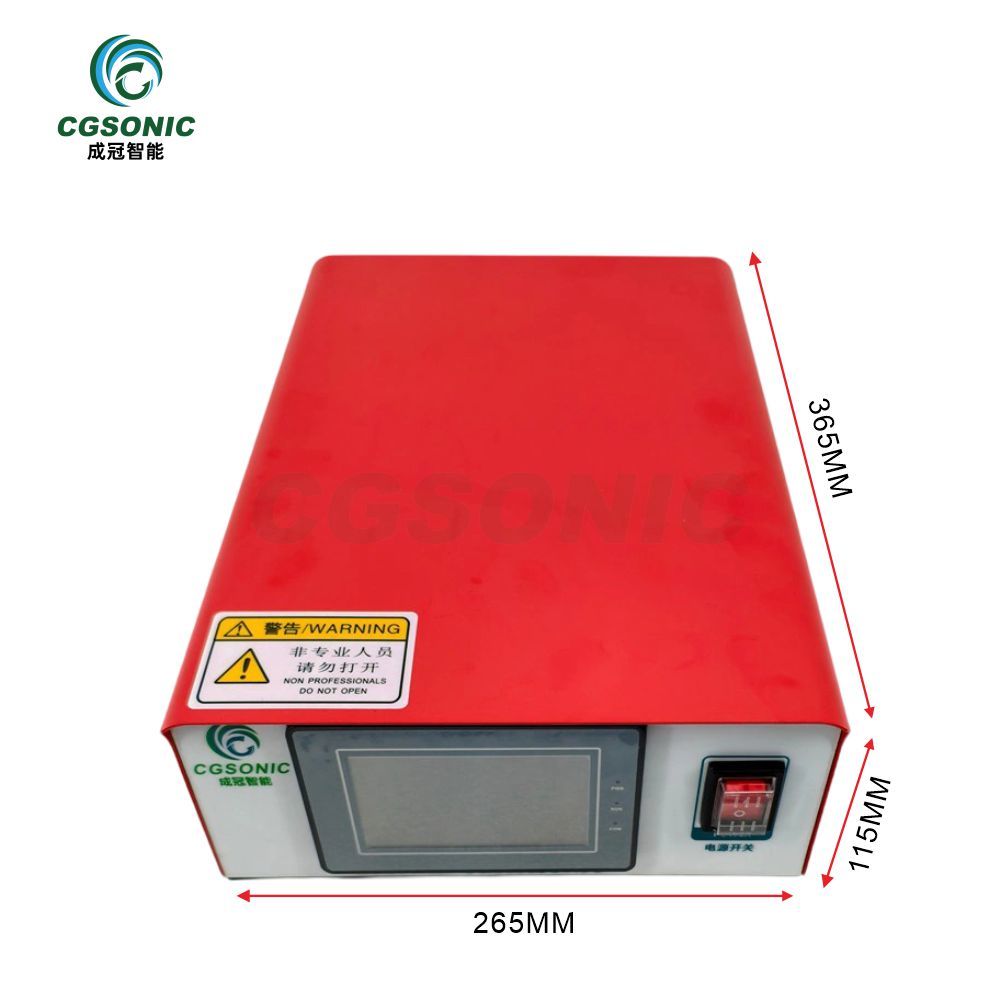
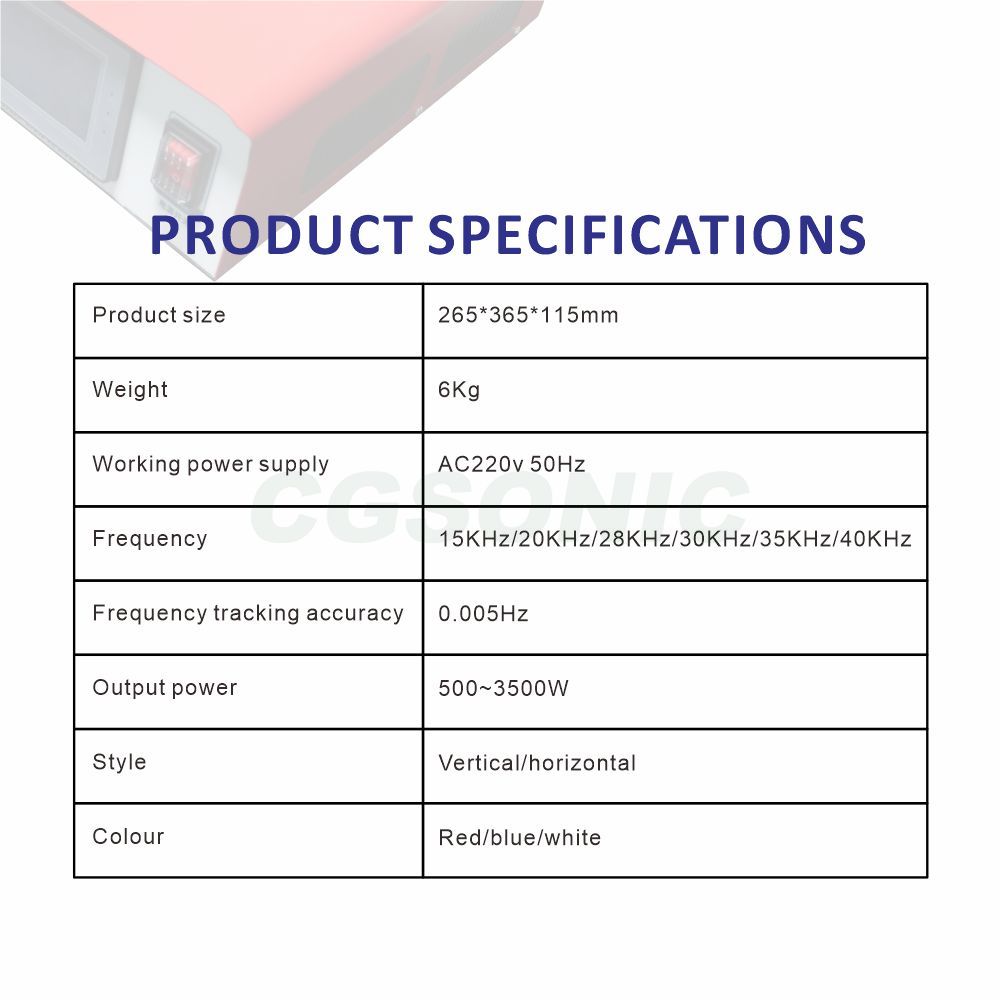
Product Parameter
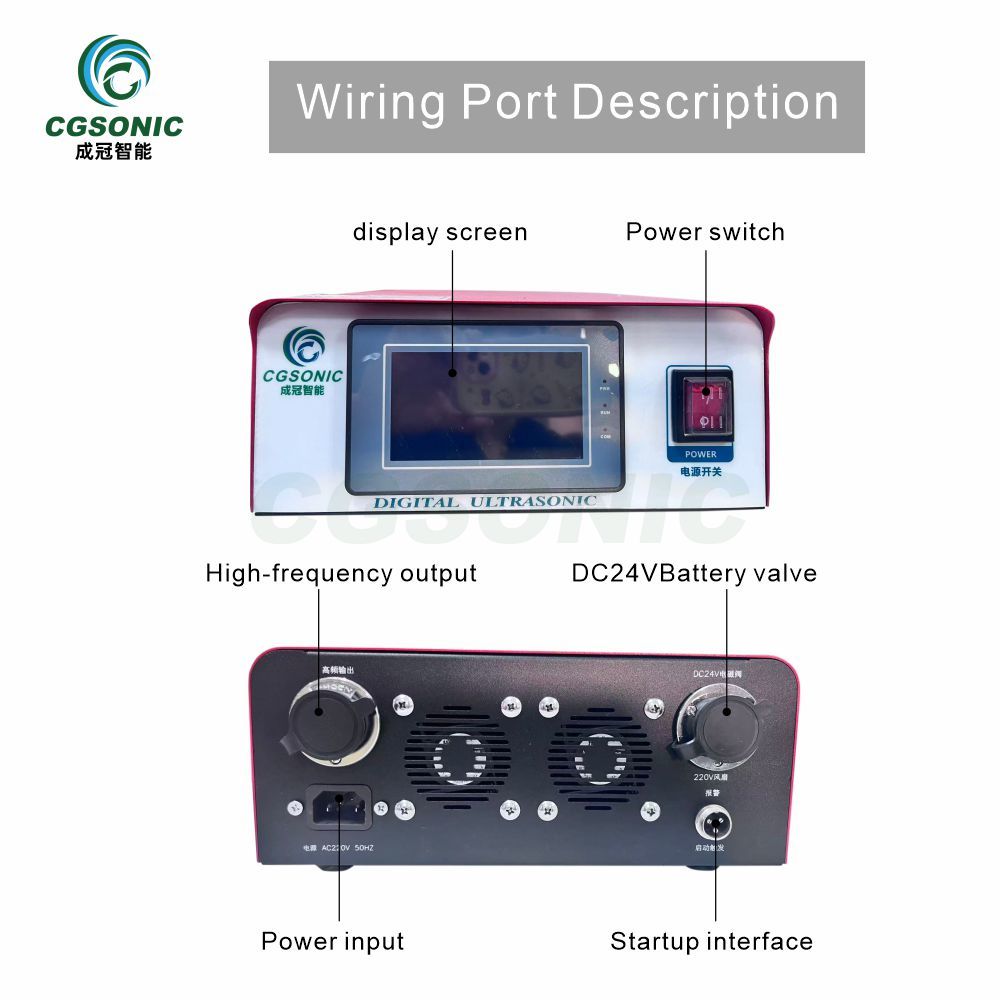
structure chart
Machine maintenance and upkeep
Ultrasonic generator : Wipe the machine body regularly with a clean, soft cloth to remove dust and stains, and prevent foreign objects from entering the interior and affecting performance . Check whether the wiring connections are loose, ensure good ventilation and heat dissipation, and prevent malfunctions caused by overheating.
Transducer and amplitude transformer : Check for cracks and wear, and ensure the connections are secure. Replace or tighten any faulty components promptly.
Welding head maintenance : Clean surface residue after each use, regularly check for wear, and replace it in time if the wear is severe to ensure welding effect.
Control system : Regularly check whether the control buttons and display screen are working properly to avoid accidental operation, and update the system software in a timely manner.
Regular inspections : The overall performance of the equipment is tested at regular intervals, such as welding strength and frequency stability, to ensure that the equipment is in optimal working condition.