


Skip the heat, boost the beat—Ultrasonic welding, elevated
The core difference between ultrasonic welding and traditional thermal welding lies in the fundamental difference in energy transfer methods, which directly determines the vast difference between the two in terms of efficiency, quality, cost, and other dimensions.
Traditional hot welding relies on external heat sources, such as hot air or heating plates. The heat diffuses from the welding point to the surrounding area, requiring a long heating, melting, and cooling cycle. This also easily causes materials to deform and age due to high temperatures. The welded joint is often accompanied by overflow and burrs, affecting both appearance and sealing performance. Furthermore, it requires consumables such as adhesives and fluxes. Over time, the combined cost of consumables and high energy consumption makes it difficult to meet the demands of precision and high-speed production.
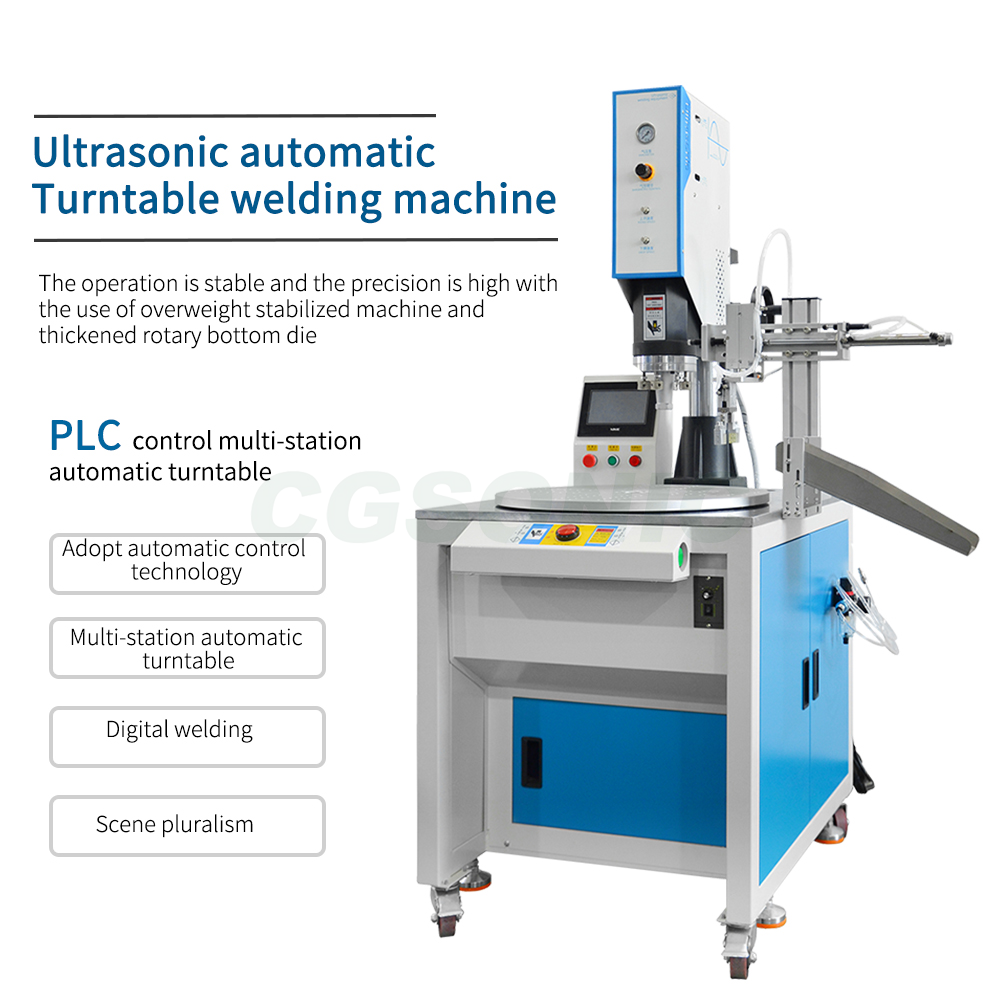
Ultrasonic welding completely eliminates the dependence on external high temperatures. It relies on high-frequency sound wave vibrations to generate heat through friction between the welding surfaces. The heat is concentrated only at the contact point, and fusion and solidification can be completed within seconds, significantly reducing the production cycle. This precise heating not only avoids material damage but also ensures a clean interface without overflow, resulting in stronger sealing performance. Furthermore, it requires no auxiliary consumables throughout the process, achieving zero material loss and lower long-term costs.
For modern production lines, traditional thermal welding is more suitable for connecting large parts with low precision requirements, while ultrasonic welding, with its advantages of "high efficiency, precision and low cost", has become the first choice for precision fields such as electronic components, medical devices and food packaging. It has even driven the transformation of production lines from "slow thermal melting" to "sonic rhythm", completing the leap from technological upgrading to a revolution in production rhythm.