Lately, there's been a real surge in demand for precision welding all around the world, especially in electronics and automotive manufacturing. You know, the Ultrasonic Metal Welding Machinehas been leading the charge in this space. According to a report I read from MarketsandMarkets, the market for Ultrasonic Welding machines is expected to hit about USD 2.1 billion by 2025, growing at a pretty solid rate. That just highlights how important it is for companies to invest in dependable equipment if they want to stay ahead.
Big names like Branson Ultrasonics and Herrmann Ultraschall have really pushed the envelope on ultrasonic welding innovation. Their machines generally do a great job creating strong joints and help cut down operational costs. But, honestly, people often run into headaches when they’re trying to pick the best machine for their specific needs. Sometimes, products don’t quite live up to expectations — either they’re not durable enough or don’t come with solid support. With so many options out there, it’s really crucial for buyers worldwide to take a step back and carefully weigh what they actually need.
Choosing the right Ultrasonic Metal Welding Machine can seriously boost productivity, no question. But it’s also true that not every model lives up to its promises — some claim to be super efficient but fall short once you put them to the test. Doing a bit of research, reading reviews, and talking with experts can go a long way in avoiding mistakes. Honestly, taking the time to dig into your options usually pays off big time in the long run.
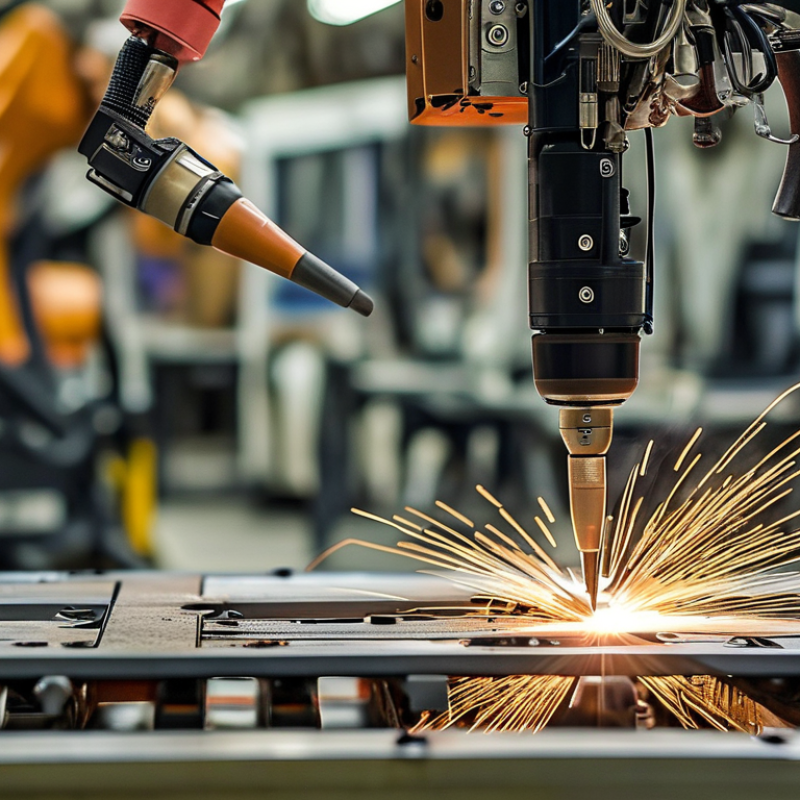
Best Ultrasonic Metal Welding Machines: A Comprehensive Overview
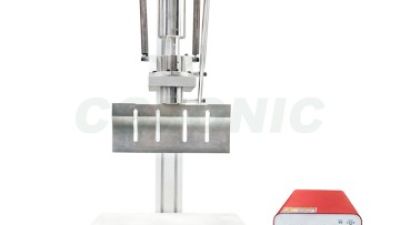
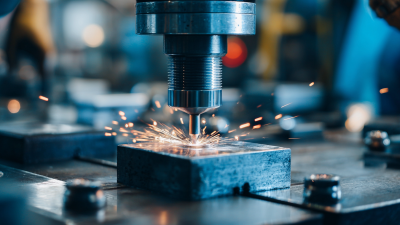
Ultrasonic metal welding machines have become essential in various industries. These machines use high-frequency sound waves to join metals effectively. They create a strong bond without the need for additional materials or high temperatures. This process can significantly reduce production costs and enhance product durability.
When selecting an ultrasonic metal welding machine, consider factors like power output and frequency. A machine with adjustable parameters can cater to different materials and thicknesses. The ease of use and maintenance are also critical. Users may encounter challenges, such as inconsistent welds if not properly calibrated. Regular training and updates on operating procedures can help mitigate these issues.
Understanding the specific needs of your application is crucial. Metal types, setups, and environmental factors play significant roles. It's essential to reflect on past performance too. Sometimes, the best machine is not the most expensive one but the one that fits your unique requirements. Keep an open mind when evaluating options.
Key Features to Consider in Ultrasonic Metal Welding Technology
When exploring Ultrasonic Metal Welding machines, certain key features play a vital role in ensuring optimal performance. One critical aspect to consider is the frequency of the ultrasonic waves. A higher frequency can result in better precision and stronger welds. However, it may not be suitable for all materials. Likewise, lower frequencies are effective for thicker metals but can compromise weld quality. Therefore, understanding your specific application is essential.
Another important feature is the power output of the machine. A well-structured power control allows users to adjust energy levels based on material thickness and type. Consistency is key in Ultrasonic Metal Spot Welding, and variations in power can lead to unsatisfactory results. Additionally, users should consider the machine's ergonomic design. An easy-to-use interface can reduce operator fatigue and improve efficiency during long production runs.
Lastly, the durability of the ultrasonic transducer is crucial for long-term use. A robust transducer enhances reliability and minimizes maintenance costs. Users must also keep in mind that while many machines offer advanced features, simpler models may lack the same control. Ultimately, it’s essential to assess how different specifications align with your production needs, as not every feature will suit every application. Balancing performance with practicality can significantly influence your welding success.
Market Analysis: The Demand for Ultrasonic Metal Welding Machines Globally
The demand for ultrasonic metal welding machines is rising globally. Industries such as automotive and electronics are adopting this technology for its efficiency. These machines use high-frequency vibrations to join metals, producing strong bonds without any adhesives. This process is faster and cleaner than traditional welding methods. Manufacturers are increasingly attracted to these features.
Market analysis shows notable growth in regions like Asia and Europe. Companies are seeking innovative solutions to improve production speed and quality. However, some manufacturers face challenges in the technology's initial cost. The maintenance of these machines can also be a concern. Despite these drawbacks, the benefits can outweigh the negatives for many users.
Understanding the nuances of ultrasonic metal welding is crucial. The technology is continually evolving, and staying updated is essential for potential buyers. The varying needs of different industries must be considered. Some machines might not fulfill specific requirements. Ensuring the right machine is chosen is imperative for maximizing investment returns.
Best Ultrasonic Metal Welding Machine for Global Buyers? - Market Analysis: The Demand for Ultrasonic Metal Welding Machines Globally
| Region | Market Size (Million USD) | CAGR (2023-2028) | Key Industries | Demand Drivers |
| North America | 320 | 7.5% | Automotive, Aerospace | Technological Advancements |
| Europe | 250 | 6.8% | Electronics, Medical | Regulatory Standards |
| Asia-Pacific | 450 | 8.2% | Consumer Electronics, Packaging | Rising Manufacturing Demand |
| Latin America | 90 | 5.5% | Food & Beverage, Automotive | Investment in Infrastructure |
| Middle East & Africa | 70 | 4.3% | Oil & Gas, Electronics | Technological Adoption |
Top Manufacturers of Ultrasonic Metal Welding Equipment in 2023
In 2023, the market for ultrasonic metal welding equipment continues to expand. Many buyers seek reliable machinery for efficient production. These machines offer precision and speed, especially in processes like Metal Foil Welding. However, not all manufacturers meet the same standards. Buyers must carefully evaluate their options.
Top manufacturers are known for innovative designs and durable equipment. They focus on user-friendly interfaces and high processing speeds. Still, some products might not live up to expectations. It's important for buyers to consider customer reviews and industry feedback. Investing in ultrasonic metal welding machines requires research.
Finding the right supplier can be challenging. Some manufacturers may offer lower prices, but compromise on quality. Looking for certifications and industry recognition can help build trust. Remember, investing in quality ultrasonic welding equipment pays off in the long run. The right decision impacts production efficiency and overall profitability.
Ultrasonic Metal Welding Machine Performance Comparison
This chart illustrates the performance metrics of ultrasonic metal welding machines, showcasing key dimensions such as power output, welding speed, layer thickness, and frequency as essential factors for global buyers in 2023.
Key Applications and Industries Utilizing Ultrasonic Metal Welding
Ultrasonic metal welding has gained traction in various industries due to its effectiveness and efficiency. The automotive sector is a major user, where lightweight, strong joints are imperative. Companies rely on this technology to join components without adding significant weight. Energy efficiency is often a concern. Yet, ultrasonic welding provides a solution that minimizes energy consumption while ensuring high quality.
In electronics, manufacturers benefit from ultrasonic welding for creating reliable connections. Thin metal parts are commonly joined with this method, ensuring strong bonds without the need for additional materials. However, ensuring uniformity in welding can be a challenge. Operators must tune machines to accommodate different materials and thicknesses, which often requires trial and error. This is critical for applications like capacitors, where functionality depends on precise joint integrity.
Another key area is medical device manufacturing. Here, Metal-Plastic Joining is essential for durability and safety. Ultrasonic welding enables the assembly of devices like syringes and surgical tools quickly and effectively. However, the accuracy of the process can vary. Continuous training for operators is vital to maintain consistent results. The delicate balance of speed and quality remains a focal point in optimizing production lines.
Cost-Benefit Analysis of Ultrasonic Welding Machines for Businesses
Ultrasonic welding machines are gaining popularity among global buyers for their efficiency. These machines utilize high-frequency vibrations to join metal pieces without need for additional materials. The process provides a strong bond and works well with various metals. A careful cost-benefit analysis reveals both advantages and potential drawbacks for businesses.
For many companies, investing in ultrasonic Metal Weld technology can reduce labor costs significantly. The automation aspect minimizes manual work and speeds up production. However, the initial investment can be substantial. It’s crucial for businesses to evaluate their budget before making such decisions. Not every operation finds the return on investment justifiable, especially if their production needs are modest.
Moreover, the technology comes with a learning curve. Operating ultrasonic metal weld machines requires skilled technicians. Training costs can add to the overall expense. Some firms might struggle to adapt, leading to inefficiencies. Therefore, it's essential to assess long-term goals alongside immediate needs. Balancing these factors can help businesses make informed decisions about adopting this technology.
Industry Trends: Innovations in Ultrasonic Metal Welding Technology
Innovations in ultrasonic metal welding technology are transforming multiple industries. This process uses high-frequency vibrations to create strong bonds between metals without needing additional adhesives or heat. One key trend is the development of advanced ultrasonic transducers. These devices increase efficiency and reduce energy consumption, making operations more sustainable. They also allow for the welding of thinner materials, which is crucial for modern electronics and automotive applications.
Another exciting advancement is automation in ultrasonic welding. Companies are integrating robotics with ultrasonic machines to enhance precision and speed. This integration minimizes human error and optimizes workflow. Operators can now produce high-quality welds at a faster pace than ever before. However, the learning curve associated with this technology needs consideration. Workers must adapt to new systems and undergo training.
Despite these advancements, challenges remain. Manufacturers must be cautious of the limitations in material compatibility and joint design. Not all metals are conducive to ultrasonic welding. This complexity raises questions about the best practices for various applications. Continuous research and development are vital in addressing these issues. Innovators will have to explore new materials and techniques to push this technology further.
Revolutionizing Culinary Techniques: The Impact of Ultrasonic Food Cutting Machines on Modern Cooking
Ultrasonic food cutting machines are transforming culinary techniques by offering efficiency and precision that traditional methods often lack. These innovative devices utilize ultrasonic vibrations to slice through various food items rapidly, significantly enhancing production efficiency in commercial kitchens and food manufacturing settings. For instance, bakeries can benefit immensely from this technology as it allows for quick and effortless cutting of large batches of bread into uniform pieces, meeting the demands of high-volume production without compromising on quality or consistency.
In addition to speed, ultrasonic cutting also guarantees uniformity, which is crucial in maintaining the aesthetic appeal of food products. The stable ultrasonic vibrations ensure that each cut is consistent in size and shape. This is particularly beneficial for delicate items such as mousse cakes, where precision is key to achieving visually appealing slices that are easy to package and sell. The resulting uniformity not only enhances the product's overall quality but also elevates the presentation, satisfying consumers' expectations for both taste and visual appeal. With these advancements, ultrasonic cutting technology is setting a new standard in modern cooking and food preparation.
FAQS
: They join metal pieces using high-frequency vibrations without additional materials.
These machines can reduce labor costs by minimizing manual work and speeding up production.
Yes, the upfront costs can be substantial. Companies must evaluate their budgets carefully.
Yes, operating ultrasonic machines requires a skilled workforce, which adds to training costs.
Yes, challenges include a steep learning curve and possible inefficiencies during the adaptation phase.
Automation enhances precision and speed while minimizing human error in the welding process.
No, not all metals are suitable for ultrasonic welding, creating potential compatibility issues.
Recent innovations include advanced transducers that increase efficiency and reduce energy use.
Ongoing R&D is crucial to explore new materials and address limitations in current welding practices.
Companies must balance immediate production needs with long-term goals and potential challenges.
Conclusion
The article titled "Best Ultrasonic Metal Welding Machine for Global Buyers?" provides a thorough examination of ultrasonic metal welding technology, highlighting its significance in various industries. It covers essential features to consider when selecting an Ultrasonic Metal Welding Machine, emphasizing aspects like efficiency, precision, and operational ease. The market analysis showcases the growing demand for these machines worldwide, reflecting shifts in manufacturing processes and the continuous evolution of technology.
Furthermore, the article points out key applications where ultrasonic metal welding is being utilized, along with a comprehensive cost-benefit analysis for businesses. With insights into industry trends and innovations, it offers valuable information for buyers looking to invest in ultrasonic welding solutions, ensuring they understand the impact of advancements in this field on productivity and production quality.


 1Durch die gruppenweite Einführung und Harmonisierung unseres integrierten Managementsystems (IMS) werden alle bestehenden Unternehmens-, Qualitäts-, Umwelt- und Energiepolitiken durch diese Unternehmenspolitik ersetzt. Der Slogan „Textil hat Zukunft – auch in De