In the ever-changing world of manufacturing, China really stands out with its expertise across a bunch of different tech areas. One thing that's getting a lot of buzz lately is Ultrasonic Welding Psa Card production. Companies in this space are really pushing forward, mixing cutting-edge techniques with fresh, innovative designs.
Of course, working with reputable manufacturers is super important if you’re chasing quality. The CE certification? That’s basically a badge of trust—showing that a product ticks all the boxes for European safety and health standards. So, players like China Best OEM become crucial partners because they help make sure everything’s compliant and up to snuff.
But it’s not all smooth sailing. Some manufacturers might have a hard time keeping things consistent, and when quality varies, it can really shake client confidence. That’s why it’s so vital for businesses to look closely at who they’re teaming up with. Putting a real focus on quality control and thorough testing can go a long way in building trust. In the end, choosing the right partnerships can genuinely change the game for Ultrasonic Welding Psa Card production—and make the whole market better for everyone.

Overview of Ultrasonic Welding Technology in Card Manufacturing
Ultrasonic welding technology plays a pivotal role in card manufacturing. This method utilizes high-frequency sound waves to fuse materials together. It is particularly effective for bonding thin layers found in various types of cards, including payment and identification cards. The process is quick and energy-efficient, making it a popular choice.
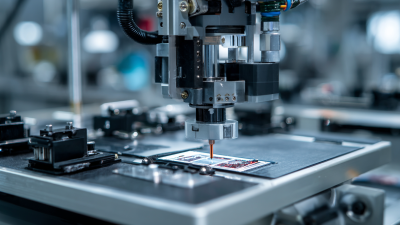
The Ultrasonic Card Welding Machine operates by concentrating energy to create a localized weld. This results in minimal heat transfer to surrounding areas, preserving the card's integrity. A skilled operator ensures the machine runs optimally, avoiding issues like incomplete seals or material damage. Consistent quality checks can help maintain production standards.
Tips: Always calibrate the machine before production runs. Regular maintenance can prevent breakdowns and prolong lifespan. Make sure to evaluate the materials' compatibility to ensure effective bonding. Testing small batches can reveal any potential inconsistencies in the welding process.
Key Features of CE Certification for Ultrasonic Welding Equipment
CE certification is crucial for ultrasonic Welding Equipment. It indicates compliance with European safety standards. Manufacturers must demonstrate quality and reliability to gain this certification.
A key feature of CE certification is risk assessment. A thorough evaluation identifies potential hazards in the equipment design and usage. This ensures safety during operation, reducing the risk of accidents. Regular inspections and testing help maintain compliance.
Tips for manufacturers: Keep documentation organized. Ensure all designs and modifications are recorded accurately. Engage with third-party testing services for unbiased assessments. This reinforces trust in your equipment. Continuous education on regulatory changes is essential. It can prevent costly compliance issues down the line.
The CE certification process can seem daunting. It requires attention to detail and ongoing effort. However, the investment leads to increased credibility in the market. Customers are more likely to choose certified products, knowing they meet stringent standards.
China Best OEM CE Certification Ultrasonic Welding Psa Card Manufacturer Insights
| Feature | Description | Importance |
| Safety Standards | Ensures equipment meets required safety regulations for manufacturing. | High |
| Quality Assurance | Certifies that products have been tested for quality and performance. | High |
| Environmental Regulations | Verifies compliance with European environmental protection laws. | Medium |
| Technical Performance | Assures ultrasonic welding machines perform efficiently under specified conditions. | High |
| User Training | Training provided to operators for safe and effective usage of the equipment. | Medium |
| Supplier Reliability | Establishes trust in the supplier’s ability to deliver certified products consistently. | High |
China's Leading OEM Manufacturers in Ultrasonic Welding for Psa Cards
China has emerged as a powerhouse in the OEM manufacturing sector, especially in ultrasonic welding for PSA cards. The country’s manufacturers utilize advanced technologies to deliver precision and efficiency. Many of these facilities focus on using the latest Ultrasonic Welding Machine Card Slab technology. This method ensures strong bonds without damaging the sensitive materials often used in PSA cards.
Quality assurance remains a challenge in this industry. While many companies claim high standards, inconsistency can arise. It's essential for buyers to evaluate suppliers rigorously before making decisions. Engaging with manufacturers who provide detailed insights into their production processes can help mitigate risks. Transparency about sourcing materials and quality control measures builds trust.
Innovation in ultrasonic welding continues to evolve. However, not all manufacturers keep pace with these changes. Some may lag behind, using outdated techniques that compromise the final product. Industry professionals often need to stay informed and inquire about the latest advancements. Understanding these nuances can lead to more informed purchasing decisions and ultimately better product quality.
Market Trends in the Ultrasonic Welding Industry for Card Production
The ultrasonic welding industry has been witnessing significant evolution, particularly in card production. According to recent industry reports, the market for ultrasonic welding equipment is projected to grow at a CAGR of 6.5% over the next five years. This growth is mainly driven by technology advancements and increased demand for durable, lightweight materials in various applications. The integration of ultrasonic welding in card manufacturing, especially for Welding Machine Card, has become a pivotal practice.
A critical trend is the shift towards more automated and efficient production methods. Studies indicate that manufacturers utilizing advanced ultrasonic systems can enhance their output by 30% compared to traditional welding techniques. However, this shift is not without its challenges. Many companies still rely on outdated methods, leading to inconsistencies in quality. This calls for a re-evaluation of production strategies.
Moreover, environmental considerations are shaping the industry. The push for sustainability is prompting manufacturers to explore eco-friendly materials and processes. Reports highlight that about 40% of industry players are investing in sustainable practices. Adapting to these changes while maintaining efficiency demands constant innovation. There remains a gap in providing ample training for operators, crucial for maximizing the benefits of modern Welding Machine Card technologies.
Advantages of Ultrasonic Welding for Psa Card Manufacturers in China
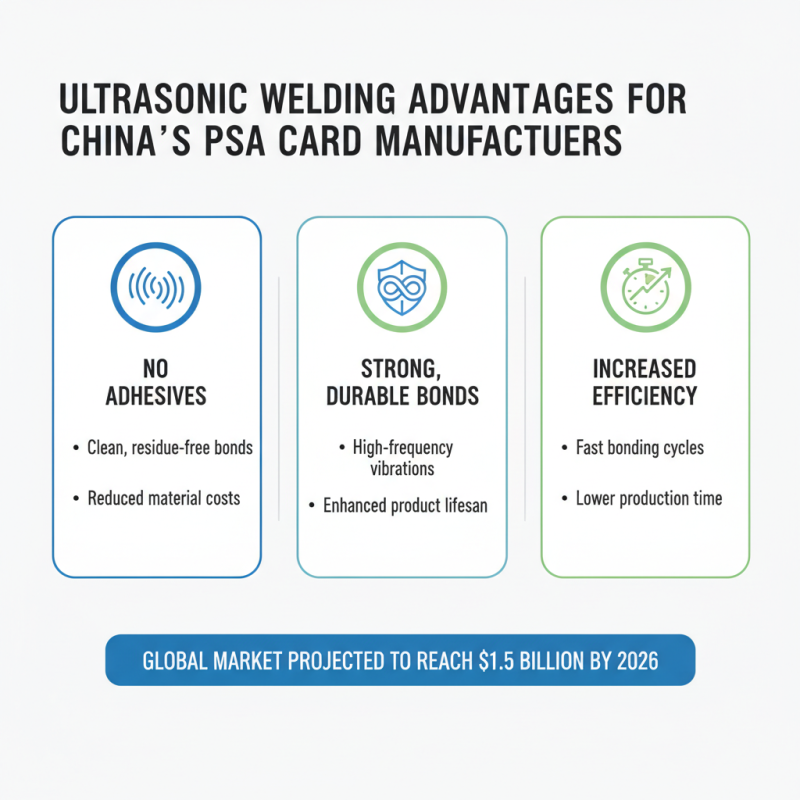
Ultrasonic welding has emerged as a key technology for PSA card manufacturers in China. This method utilizes high-frequency vibrations to create strong bonds between materials without the need for adhesives. According to a recent market analysis, the global ultrasonic welding market is projected to reach $1.5 billion by 2026, reflecting its growing significance in manufacturing.
One of the main advantages of ultrasonic welding is its speed. This process can significantly reduce production time compared to traditional methods. Manufacturers can achieve consistent results with less energy consumption, enhancing overall productivity. Data from industry reports indicate that ultrasonic welding can increase production efficiency by up to 30%. This is crucial for meeting the demands of a fast-paced market.
Tips: Ensure that your equipment is properly calibrated. Regular maintenance can prevent issues during production. Training staff on best practices is vital for maximizing efficiency and quality.
Quality control is another area where ultrasonic welding shines. With real-time monitoring, manufacturers can detect issues early. However, not every application is suitable for this method. Some materials may not bond as effectively, necessitating further evaluation. Understanding the right contexts for ultrasonic welding is essential for manufacturers aiming to optimize their production processes.
Quality Standards and Regulations for CE Certified Manufacturing
Quality standards and regulations are crucial in CE certified manufacturing. For ultrasonic welding PSA card production, meeting these standards is essential. Manufacturers must adhere to strict guidelines. This ensures that their products are not only safe but also reliable in performance. CE certification indicates compliance with European health and safety regulations.
Understanding the specific quality standards related to ultrasonic welding is vital. This involves regular quality checks at every stage of production. Using a Card Sealing Machine can streamline this process. Such machines enhance the precision and reliability of the welding process. However, not all machines meet the required standards. Manufacturers must invest in superior equipment to guarantee quality.
Here are some tips for manufacturers: ensure the Card Sealing Machine you choose has CE certification. Regular training for staff on quality standards can improve outcomes. Additionally, remain up-to-date on evolving regulations in the industry. Reflections on past mistakes can lead to better practices. Addressing shortcomings in manufacturing can significantly enhance product quality. Aim for continual improvement.
Future Innovations and Developments in Ultrasonic Welding Technology
Ultrasonic welding technology has revolutionized manufacturing, especially in producing Psa cards. This advanced process offers high precision and efficiency, essential for modern production lines. Analysts anticipate that the global ultrasonic welding market will grow significantly, expected to reach $2.8 billion by 2025, reflecting a compound annual growth rate (CAGR) of 6.8%. Such growth highlights the increasing reliance on this technology across various sectors.
Future innovations in ultrasonic welding promise even higher efficiency and sustainability. Researchers are exploring adaptive technology that adjusts parameters in real-time to optimize weld quality. This innovation could reduce material waste and lower energy consumption, aligning with global sustainability goals. Yet, challenges remain. Manufacturers must grapple with integrating new technologies into existing processes, which can be daunting.
Tip: Invest in training for your staff. Understanding the latest techniques can significantly enhance productivity. A knowledgeable team is vital for leveraging new technologies.
Embracing automation is another potential area of growth. Automated ultrasonic welding systems enhance precision and consistency. However, there are potential downsides, such as reduced flexibility. Companies may become overly reliant on technology, limiting their ability to adapt to unique challenges. Analyzing these factors will be crucial in the coming years.
Maximizing Efficiency: A Comprehensive Guide to Industrial Ultrasonic Homogenizers and Processors
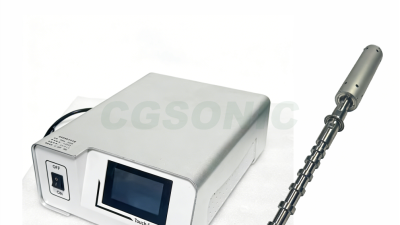
In the realm of industrial applications, maximizing efficiency is paramount, and ultrasonic homogenizers represent a cutting-edge solution to achieve this goal. These professional devices are designed with high-power immersion probes that create intense cavitation effects. This technology not only enhances emulsification and dispersion but also facilitates effective extraction processes and cell disruption, making them indispensable tools in various industries such as food, pharmaceuticals, chemicals, and cosmetics.
The intelligent touch-screen generators incorporated into these ultrasonic homogenizers offer precision control over the processing conditions, allowing users to tailor their approaches to specific applications. This versatility is particularly beneficial for laboratory research and development, as well as pilot-scale and small-batch production where consistent and repeatable results are critical. By streamlining processes and improving product quality, ultrasonic homogenizers significantly contribute to enhanced productivity and reduced operational costs, positioning them as essential components in modern industrial settings focused on efficiency.
FAQS
: The ultrasonic welding market is projected to grow at a CAGR of 6.5% in the next five years.
Ultrasonic welding can enhance output by up to 30% compared to traditional methods, improving overall productivity.
Many companies still use outdated methods, leading to quality inconsistencies that need urgent re-evaluation.
The push for sustainability is prompting 40% of manufacturers to explore eco-friendly materials and processes.
Equipment calibration and regular maintenance are crucial for preventing production issues and maximizing efficiency.
Real-time monitoring allows early detection of issues, improving quality, though not all materials bond effectively.
Regular training on quality standards improves outcomes and helps staff understand proper equipment use.
CE certification ensures compliance with health and safety regulations, confirming product reliability and safety.
Some materials may not bond well with ultrasonic welding, requiring manufacturers to evaluate their processes carefully.
Reflecting on past mistakes and addressing shortcomings can lead to better quality and improved manufacturing outcomes.
Conclusion
Ultrasonic welding technology has become a pivotal technique in the manufacturing of PSA cards, offering efficient and high-quality bonding solutions. This process utilizes ultrasonic waves to create strong molecular bonds without the need for adhesives, leading to a cleaner and more streamlined production process. With CE certification serving as a benchmark for safety and quality, manufacturers must adhere to rigorous standards to ensure their ultrasonic welding equipment meets European safety requirements.
China has emerged as a leading hub for OEMs specializing in ultrasonic welding for PSA card production, driven by advancements in technology and increasing market demand. The industry is witnessing notable trends, such as automation and integration of smart technologies, which are enhancing productivity and reducing costs. By embracing these innovations, PSA card manufacturers in China can leverage the advantages of ultrasonic welding—including improved efficiency and reduced material waste—while maintaining compliance with quality standards and regulations. As the market evolves, ongoing developments in ultrasonic welding technology promise to further transform card manufacturing practices, ensuring better outcomes for both manufacturers and end-users.


 1Durch die gruppenweite Einführung und Harmonisierung unseres integrierten Managementsystems (IMS) werden alle bestehenden Unternehmens-, Qualitäts-, Umwelt- und Energiepolitiken durch diese Unternehmenspolitik ersetzt. Der Slogan „Textil hat Zukunft – auch in De