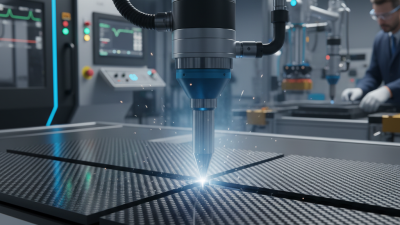
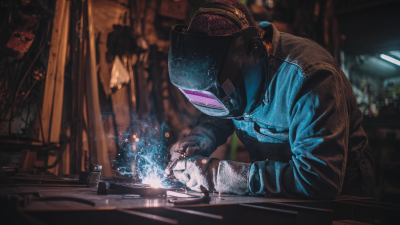
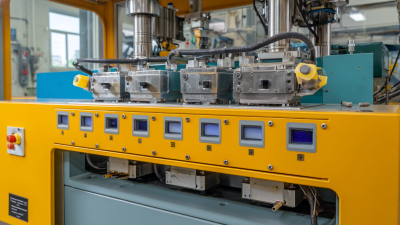
You know, when it comes to modern manufacturing, Composite Material Welding has really become a game-changer. I came across some insights from Dr. John Stevens over at Advanced Composites—he's quite the expert—and he mentions that this technique totally changes the game when it comes to lightweight design. Basically, it’s about bonding different materials together in a way that’s often stronger than your average weld.
But here’s the thing—if you’re thinking about using composite welding, quality and precision are everything. When done right, it can make products lighter, faster, and more efficient. You can see industries like aerospace and automotive really jumping on board because of the benefits—like better fuel economy and lower emissions. Still, not everyone’s project is a perfect fit; it takes some careful planning and skilled technicians to get it just right.
And, honestly, there are some challenges too. Not every composite weld will pass inspection on the first go, so proper training and sticking to good standards are super important. As this tech keeps evolving, staying updated and talking to seasoned pros can really help you get better results. It’s all about learning and adapting to make the most of what composite welding can do.
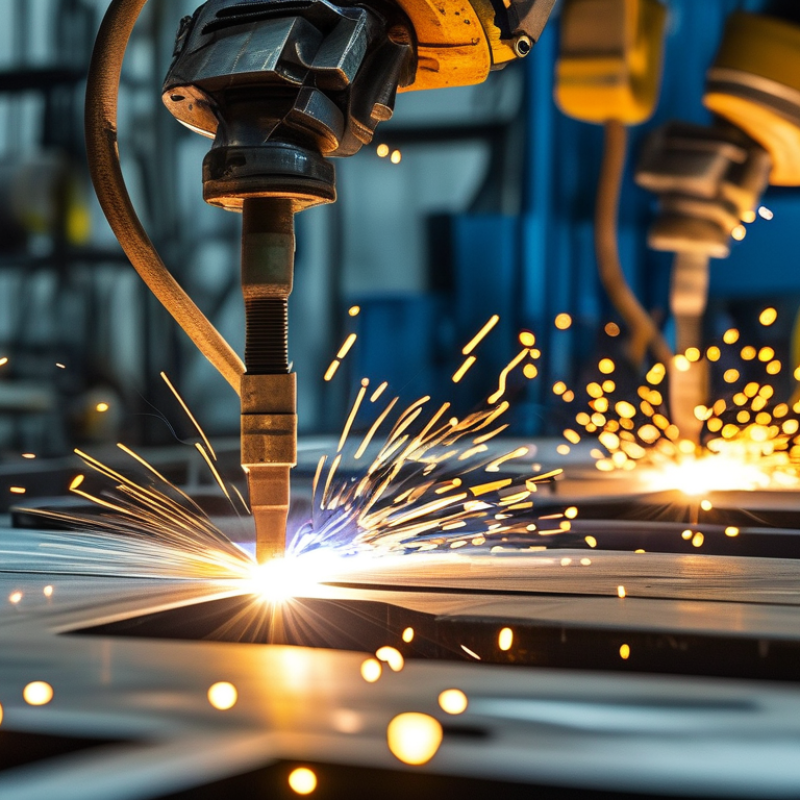
Benefits of Composite Materials in Welding Applications
Composite materials have gained traction in welding applications due to their unique properties. They are lightweight yet incredibly strong, making them ideal for various projects. These materials often combine fibers with resin, resulting in a high strength-to-weight ratio. This characteristic allows for reduced transportation costs and improved fuel efficiency in vehicles and aerospace applications. Welded composite materials also offer resistance to corrosion and environmental degradation, which is beneficial in demanding applications.
One of the significant benefits of composite materials is their versatility. They can be tailored to meet specific needs, enhancing performance in various environments. However, the welding process for composites can be complex. Engineers need to be familiar with the right techniques and equipment. Improper welding can lead to weak joints. This reflects the importance of continuous learning and skill development in the field. As projects evolve, professionals must adapt to integrate new advancements in composite material technology effectively.
Understanding Composite Materials and Their Properties
Composite materials have become increasingly important in various industries due to their unique properties. These materials, composed of two or more constituent materials, show enhanced performance compared to individual components. For instance, composites typically exhibit higher strength-to-weight ratios. According to a report by the International Composites Manufacturers Association, the demand for such materials is projected to reach $38 billion by 2026. This growth highlights their significance in sectors like aerospace, automotive, and construction.
The properties of composite materials vary greatly. Some possess excellent resistance to corrosion and fatigue. Others, particularly in High Hardness Material Welding applications, can withstand extreme conditions without deforming. However, they may also present challenges. For instance, achieving a perfect bond between materials can be complex. This is where expertise in composite material welding is crucial.
Furthermore, while these materials can offer superior benefits, not all composites are created equal. Variations in resin types or reinforcement fibers can result in different performance outcomes. Industry experts recommend rigorous testing before application. It's essential to evaluate the specific requirements of your project against the inherent properties of the composite materials being considered.
Comparison of Composite Welding Techniques
Composite welding techniques offer various methods for joining materials, each with unique advantages. One popular technique is friction stir welding. This method generates heat through mechanical friction, allowing for strong joints without melting the base materials. It works exceptionally well with thermoplastics and metals. However, achieving a perfect weld requires precise control of speed and pressure. Any inconsistency can lead to defects.
Another prominent technique is laser welding. This method uses a focused laser beam to achieve high-energy precision. It's effective for thin materials and can produce clean, narrow welds. But the equipment can be expensive and requires skilled operators. Additionally, there may be challenges with heat management, which can affect material properties.
Ultrasonic Welding is also noteworthy. This technique employs high-frequency vibrations to create joined surfaces under pressure. It's a solid choice for thermoplastic composites. However, it might not be suitable for all materials. The difficulty lies in ensuring proper surface preparation. Without it, the integrity of the weld can suffer. Each composite welding technique presents its challenges, highlighting the need for a well-considered approach to selecting aWelder Material for your projects.
Comparison of Composite Welding Techniques
This chart compares the efficiency of various composite welding techniques used in modern projects. Technique C demonstrates the highest efficiency, while Technique D shows room for improvement.
Common Applications of Composite Material Welding
Composite material welding is gaining traction in various industries due to its versatility. This technique is particularly valuable in sectors such as aerospace, automotive, and construction. Each application benefits from the lightweight yet strong properties of composite materials. For instance, in aerospace, reducing weight while maintaining strength is crucial for efficiency. Engineers rely on composite welding to achieve these goals while enhancing fuel economy.
In automotive manufacturing, composite material welding plays a significant role in creating durable yet lightweight components. The use of these materials allows for innovative designs that improve performance without compromising safety. However, challenges remain. Weld quality can vary based on material types and environmental conditions. Manufacturers must invest in skilled labor and proper training to mitigate these risks.
Construction is another sector embracing composite welding. Structures built with composite materials offer high resistance to corrosion and environmental factors. These benefits lead to lower maintenance costs over time. Yet, the initial setup for composite welding can be complex. This complexity raises questions about long-term viability. Continuous research and development in this field can address these concerns effectively.
Key Challenges in Composite Material Welding
Welding composite materials presents unique challenges that require specialized skills and techniques. The diverse properties of composites complicate the welding process. For instance, variations in fiber orientation and matrix materials can lead to inconsistent weld strength. Each project demands an understanding of the specific composite used. Knowledge of its thermal and mechanical behavior is essential.
The risk of delamination is another challenge. This occurs when the layers of the composite separate during the welding process. If not carefully managed, this flaw can compromise structural integrity. Detecting these issues early is crucial. Operators should be familiar with inspection techniques that ensure weld quality. Heat control is vital as well. Excessive heat can damage the matrix, leading to weak joints.
Additionally, achieving a uniform melt between dissimilar materials requires precision. Operators must experiment with welding parameters, as what works for one composite may fail for another. This involves continuous learning and adaptation. Each new project can reveal gaps in understanding, urging teams to refine their approach. Embracing a culture of feedback and improvement can help tackle these inherent challenges effectively.
Why Choose Composite Material Welding for Your Projects? - Key Challenges in Composite Material Welding
| Challenge | Description | Impact | Solutions |
| Material Compatibility | Selecting compatible materials for welding is critical. | Poor bonding and structural integrity. | Conduct thorough material analysis before welding. |
| Heat Control | Excessive heat can damage composites. | Delamination or warping of materials. | Use of specialized welding equipment to monitor heat. |
| Joint Design | Inadequate joint design can lead to failure. | Increased risk of joint failure under load. | Implement best practices in joint design. |
| Skill Level | Limited experience in welding composite materials. | Increased likelihood of errors during the process. | Provide training for welders on composite materials. |
| Quality Control | Insufficient quality assurance processes. | Reduced reliability and performance of welded joints. | Establish stringent quality control protocols. |
Future Trends in Composite Material Welding Technology
Composite material welding technology is rapidly evolving. According to a recent market report, the global composite materials market is projected to reach $250 billion by 2024. This significant growth is driven by the increasing demand in various industries, including aerospace and automotive. Advanced welding techniques play a crucial role in meeting this demand.
Future trends indicate a move towards automation in composite welding processes. Automated systems improve precision and efficiency, addressing the complexities of working with different materials. However, this shift presents challenges. Many companies struggle to adapt their workforce to new technologies. The integration of Electronic Component Welding into composite structures is becoming common, but skilled labor is still essential.
Recent studies show that up to 30% of welding projects face issues related to material compatibility and joint integrity. This raises questions about training and technology adoption. Organizations must invest in workforce development to harness these new trends effectively. Regardless of growth potential, careful consideration is required to ensure that advancements align with industry needs.
Best Practices for Successful Composite Welding Projects
Composite welding projects require careful planning and execution. Understanding materials is key. Different composites can behave unpredictably when welded. Each material has unique properties that affect heat resistance, flexibility, and strength. Experience in "Dissimilar Materials Welding" is crucial. Knowing how to manage different thermal expansion rates is important for a successful weld.
Choosing the right technique is also vital. Methods like adhesive bonding and thermoplastic welding offer varying benefits. Each approach has specific applications. For instance, laser welding may suit intricate designs, while ultrasound welding is excellent for quick fixes. It’s essential to perform thorough testing. Assessing the final output allows for reflection and improvement in future projects.
Welding is not just science; it’s art. Mistakes can happen. A poor joint may lead to structural failure. Learning from each experience enhances skills. It’s about adaptation and finding what works best for your materials. Consider every project a chance to refine your techniques in "Dissimilar Materials Welding." Embrace the journey and the lessons it brings.
FAQS
: Common techniques include friction stir welding, laser welding, and ultrasonic welding. Each has its advantages.
It uses mechanical friction to generate heat, creating strong joints without melting materials. Speed and pressure are critical.
Laser welding offers high precision for thin materials and produces clean welds. However, it can be expensive.
Proper surface preparation is essential. Inadequate preparation can compromise the weld's integrity.
Excessive heat can damage the matrix material, leading to weak joints. Proper management is crucial for quality.
Delamination can occur if layers separate during welding. Early detection is necessary to ensure structural integrity.
Different fiber orientations and matrix materials can lead to inconsistent weld strength. Understanding each composite is essential.
Automation improves precision and efficiency in welding processes. However, adapting the workforce can be challenging.
The global market is expected to reach $250 billion by 2024. This growth is driven by demand in various industries.
Organizations must invest in workforce training. Addressing material compatibility and joint integrity requires skilled labor.
Conclusion
Composite Material Welding offers a range of benefits for various engineering and manufacturing projects. By harnessing the unique properties of composite materials, such as high strength-to-weight ratios and corrosion resistance, this welding technique enhances both performance and durability in applications across industries. Understanding the different composite materials and their specific characteristics is vital in selecting the appropriate welding techniques and methods, which can vary considerably.
Despite its advantages, Composite Material Welding presents certain challenges, including material compatibility and joining methods. However, advancements in technology and best practices are paving the way for more efficient and effective welding processes. As industries continue to explore innovative uses for composite materials, staying informed about emerging trends and techniques will be essential for achieving successful welding projects.


 1Durch die gruppenweite Einführung und Harmonisierung unseres integrierten Managementsystems (IMS) werden alle bestehenden Unternehmens-, Qualitäts-, Umwelt- und Energiepolitiken durch diese Unternehmenspolitik ersetzt. Der Slogan „Textil hat Zukunft – auch in De