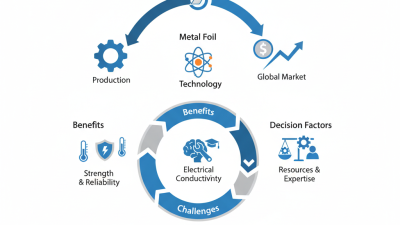
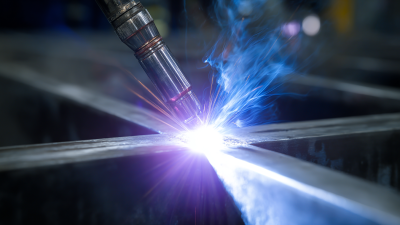
Hey, have you noticed how quickly the world of modern medical devices is changing? At the forefront of all this innovation is Medical Catheter Welding. Dr. Emily Chen, who's an expert in biomedical engineering at MedTech Innovations, points out that "the precision you get with Medical Catheter Welding can really make a big difference in patient outcomes." Basically, they use fancy laser tech to create super-strong, reliable bonds in catheters—things that are super important for both safety and effectiveness.
A lot of healthcare pros are pretty excited about the perks of Medical Catheter Welding. It helps cut down on leaks and makes the catheters more durable, especially during those critical procedures. Hospitals have even seen fewer complications after surgery thanks to better catheter construction. That said, we still gotta be careful, right? There are some potential issues, like inconsistencies in manufacturing, so oversight is definitely key.
As people keep demanding higher quality medical tools, the importance of techniques like this only grows. Ongoing research and tweaks are essential if we want to keep improving safety standards. Sure, this technology has some seriously big benefits, but we also need to stay aware of the challenges so we can really unlock its full potential in patient care.
Overview of Medical Catheter Welding Technology
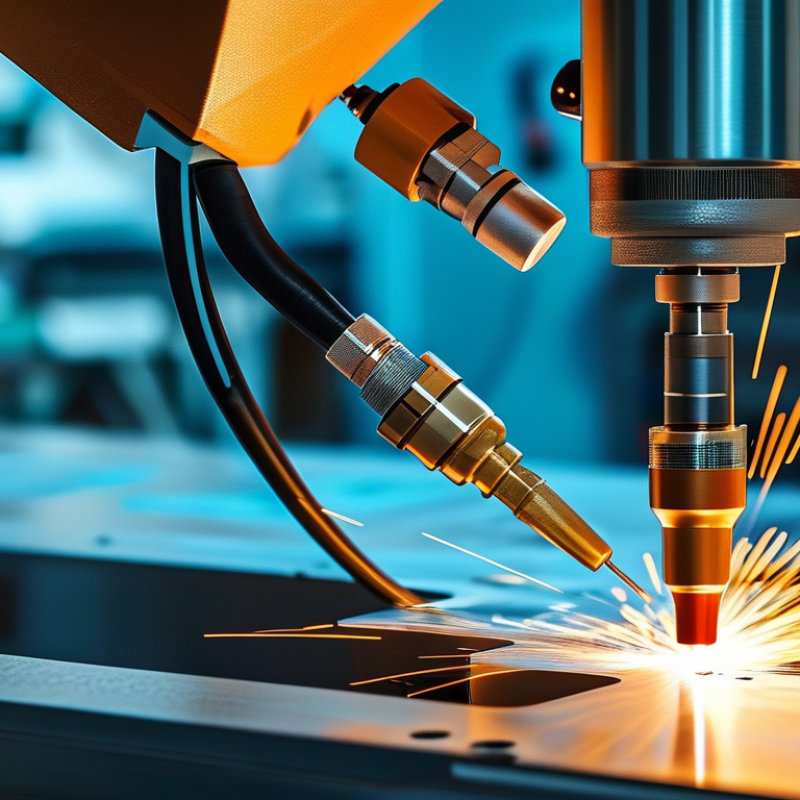
Medical catheter welding technology represents a significant innovation in the healthcare industry. It utilizes advanced techniques to permanently bond catheter components, ensuring reliability and functionality. This approach reduces the risk of leaks, enhancing patient safety during various medical procedures. Recent industry reports indicate that the global market for medical welding technologies is projected to reach $2.5 billion by 2026, reflecting a compound annual growth rate of 9.2%.
This technology not only improves the durability of catheters but also allows for customization in design and material selection. The ability to create stronger and more flexible connections can lead to better patient outcomes. Additionally, medical institutions are increasingly opting for welded catheters due to their reduced manufacturing costs and improved consistency. However, challenges still exist. The learning curve for implementing these novel techniques can be steep. Quality assurance remains critical, as improper welding can lead to device failures.
Incorporating this technology into practice requires thorough training and adherence to stringent guidelines. Regulatory bodies emphasize the need for extensive testing to validate the performance of welded devices. Despite the advances, there are concerns about potential long-term impacts on catheter performance. This area warrants continuous research and development to fully harness the advantages of welding technology while ensuring patient safety and product reliability.
Key Components and Materials Used in Catheter Welding
Catheter welding is a vital technology in the medical field. This process ensures the durability and effectiveness of catheters used in various treatments. Key components in catheter welding primarily include specialized polymers, adhesives, and advanced welding devices. These materials are essential for producing strong bonds that can withstand medical applications.
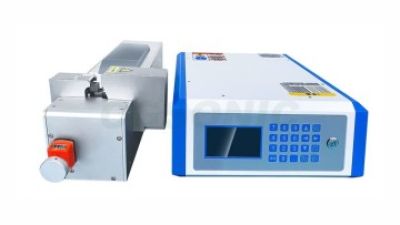
Polymers such as polyvinyl chloride (PVC) and polyurethane are commonly used. They offer flexibility and biocompatibility, making them suitable for long-term use in the human body. Adhesives play a crucial role in enhancing the bond between the catheter sections. These adhesives need to be chemically resistant and safe for medical use. The welding devices, often featuring precise temperature controls, are critical in achieving optimal joint strength.
Medical Breathing Valve Welding is another area that shares similar material qualities. The precision in these welding processes ensures reliability amidst varying conditions. However, challenges remain. The heat sensitivity of certain polymers can lead to warping or degradation. Thorough testing is needed to enhance these processes continually. Different welding techniques also warrant exploration for improvement.
Advantages of Welding Over Traditional Catheter Assembly Methods
The use of medical catheter welding technology presents substantial advantages over traditional catheter assembly methods. Welding creates a seamless bond, which minimizes the potential for leaks and increases the integrity of the device. According to a report by the Medical Device Innovation Consortium, welding can reduce the manufacturing defects in catheters by up to 30%. This significantly enhances patient safety and device reliability.
Another key benefit is the reduction in production time. Traditional assembly often relies on adhesives that require curing time, leading to delays. In contrast, welding can be performed rapidly, speeding up the manufacturing process. A study highlighted that firms utilizing welding can achieve a 40% increase in production efficiency. This is vital in a fast-paced medical environment where timely delivery can be critical for patient care.
Tip: Always ensure that the welding parameters are closely monitored. Inconsistent welding conditions can result in compromised device integrity. Regular training for technicians on advanced welding techniques can help maintain quality. Consider investing in automated systems, which can further enhance the precision of welds while minimizing human error. Such steps can lead to better outcomes for patients and lower recall rates for manufacturers.
Applications of Welded Catheters in Modern Medicine
Welded catheters have significantly transformed the landscape of modern medicine. These devices are essential in various medical applications, including vascular access and drug delivery. By using advanced welding techniques, these catheters offer increased durability and reduce the risk of leakage. This reliability is critical in a healthcare environment where every second counts.
In surgical settings, welded catheters ensure a secure and sterile connection. They play a vital role in minimizing infection risks. By eliminating traditional adhesive bonding, which can sometimes fail, the integrity of the device is significantly improved. Medical Packaging Welding technology enhances this reliability further, establishing a robust barrier against contaminants.
Despite these advancements, challenges still exist. Not all materials respond well to welding methods. This requires continuous research and development to optimize compatibility. Additionally, cost considerations can limit accessibility to these advanced devices in some healthcare settings. Striving for a balance between innovation and affordability remains crucial in expanding the use of welded catheters.
Quality Control Measures in Catheter Welding Processes
Quality control plays a crucial role in the catheter welding process. Medical catheter welding involves joining materials with precision. A well-executed weld can directly impact product performance and patient safety. According to industry reports, improper welding techniques can result in a 15% increase in product failures, which poses serious risks.
Inspection methods such as ultrasonic testing and laser scanning are essential. They ensure that weld integrity is maintained, identifying weaknesses before products reach the market. Studies indicate that implementing stringent quality measures can reduce defects by up to 30%. Consistent training for personnel on welding protocols also contributes significantly to improved outcomes in Medical Equipment Welding.
Despite advancements, challenges remain. Variability in material properties can affect weld quality. Some manufacturers may overlook the importance of thorough inspection, leading to reliance on end-user feedback for quality assessment. This approach may seem cost-effective but risks compromising safety. A culture of continuous improvement is necessary to overcome these hurdles in catheter welding processes.
Future Trends and Innovations in Medical Catheter Welding
The future of medical catheter welding technology is promising. This technique enhances precision, reduces assembly time, and improves product reliability. Innovations are focusing on automation and advanced materials, which allow for strong, durable welds. As hospitals strive for optimal efficiency, reliable Medical Consumables Welding will become increasingly vital.
One key trend is the integration of smart technology. Welders equipped with sensors can monitor joint quality for real-time adjustments. This ensures that every catheter meets stringent quality controls. Additionally, emerging materials, such as biocompatible polymers, are gaining attention. These materials promote patient safety and reduce the risk of allergic reactions.
Tips for manufacturers: invest in training your workforce on the latest welding technologies. Encourage them to adopt best practices and continuous improvement approaches. This can mitigate errors and improve product efficacy. With an eye toward sustainability, consider harnessing eco-friendly materials in your welding processes. Such innovations are not only significant for patient health but also for environmental responsibility.
Challenges and Considerations in Implementing Welding Technology
The implementation of medical catheter welding technology presents unique challenges. Regulatory compliance is a significant hurdle. Medical devices must meet stringent safety standards. According to the FDA, 38% of device recalls in 2020 were due to manufacturing defects. This underscores the critical need for quality control in welding processes.
Training staff is another crucial consideration. Skilled technicians are necessary to perform welding accurately. Inadequate training can lead to inconsistent weld quality. A report from the Medical Device Innovation Consortium states that only 45% of manufacturers adequately train their employees in new welding techniques. This gap can endanger patient safety and impact device performance.
Material selection also complicates implementation. Different polymers react differently to welding processes. Research indicates that up to 30% of weld failures are due to improper material choice. Understanding the physical properties of materials is essential. Manufacturers must invest in R&D to develop compatible welding methods. Addressing these challenges requires a proactive approach to quality, training, and material science.
Innovative Approaches in Ultrasonic Wire Harness Welding Machines for Enhanced Precision and Efficiency
In the fast-paced world of industrial manufacturing, precision and efficiency are paramount, especially in the production of wire harnesses that form the backbone of modern electrical systems. The innovative Ultrasonic Wire Harness Welding machines have emerged as a transformative solution in this domain. Utilizing advanced ultrasonic vibration technology, these machines facilitate welding processes that are not only rapid but also remarkably clean and robust. This is particularly significant as traditional methods such as crimping and soldering often face challenges regarding conductivity, oxidation, and bonding strength. According to industry reports, traditional soldering techniques can result in up to 20% failure rates due to poor bond integrity, highlighting the necessity for more reliable solutions in production lines.
The benefits of ultrasonic welding are manifold. Research indicates that this method can enhance manufacturing efficiency by as much as 30%, which is critical in sectors such as automotive and electronics where time-to-market is essential. Additionally, the absence of solder and flux in the ultrasonic process eliminates the risk of contamination, ensuring that the finished products meet stringent quality standards. Moreover, the adaptability of ultrasonic welding machines to work with a variety of materials, including copper, aluminum, and tinned copper, positions them as essential tools in industries concerned with energy storage and electronic systems.
As manufacturers strive to improve production quality and streamline processes, embracing innovative approaches like ultrasonic welding becomes crucial. The capability of these machines to provide high-strength and reliable welds with minimal operational complexities significantly contributes to the enhancement of overall manufacturing effectiveness, making them indispensable in modern industrial settings.
FAQS
: Welding provides a seamless bond, reducing leaks and enhancing device integrity. It can decrease manufacturing defects by up to 30%.
Welding speeds up production significantly. It can improve efficiency by 40%, eliminating the need for curing time with adhesives.
Inconsistent welding conditions can compromise device integrity. Monitoring is crucial for maintaining high quality in products.
Key trends include automation and smart technology, enabling real-time monitoring of weld quality for consistent results.
Biocompatible polymers are increasingly used. They enhance patient safety and minimize allergic reactions during catheter use.
Regulatory compliance is a significant challenge. Many devices face recalls due to manufacturing defects, highlighting the need for quality control.
Adequate training is essential. Poorly trained staff can lead to inconsistent welds, which may jeopardize patient safety.
Different materials respond uniquely to welding. Up to 30% of weld failures occur due to improper material choices, necessitating thorough research.
Investing in employee training and adopting best practices can mitigate errors and enhance overall product quality.
Using eco-friendly materials and innovative processes not only benefits patient health but also supports environmental responsibility.
Conclusion
Medical Catheter Welding is an innovative technology that revolutionizes the assembly of medical catheters, providing enhanced durability and reliability. This welding process utilizes advanced components and materials, ensuring strong bonds in catheter construction. Compared to traditional catheter assembly methods, welding offers significant advantages such as improved product integrity, reduced manufacturing time, and lower risk of device failure.
The applications of welded catheters are vast in modern medicine, ranging from cardiovascular interventions to minimally invasive procedures. Quality control measures play a crucial role in the welding process, ensuring that each catheter meets stringent medical standards. Looking ahead, the future of Medical Catheter Welding is promising, with ongoing innovations aimed at optimizing the technology. However, challenges remain, including the need for skilled personnel and the integration of welding techniques into existing manufacturing processes.


 1Durch die gruppenweite Einführung und Harmonisierung unseres integrierten Managementsystems (IMS) werden alle bestehenden Unternehmens-, Qualitäts-, Umwelt- und Energiepolitiken durch diese Unternehmenspolitik ersetzt. Der Slogan „Textil hat Zukunft – auch in De