


Choosing the right Plastic Fabric Machine is pretty important if you want to get the most out of your work. John Miller, who's a well-known expert over at PlasticWorks Industries, puts it nicely: "A good machine often determines the quality of what you produce." That really hits home for a lot of folks in the industry.
When you're picking out a machine, think about what you actually need. What types of materials are you working with? How thick are they? Getting a clear idea about these stuff can make your decision much easier. Different machines have their own perks too—some are lightning-fast, while others give you more control and precision.
Oh, and don’t forget to factor in the long-term costs, like maintenance and repairs—they can sneak up on you. Also, it's super helpful to look into the tech support the manufacturer offers. A good supplier should be there when you need help. Remember, the most expensive machine isn’t necessarily the best fit. It’s all about finding that sweet spot—balancing quality with what actually works for you and your business.
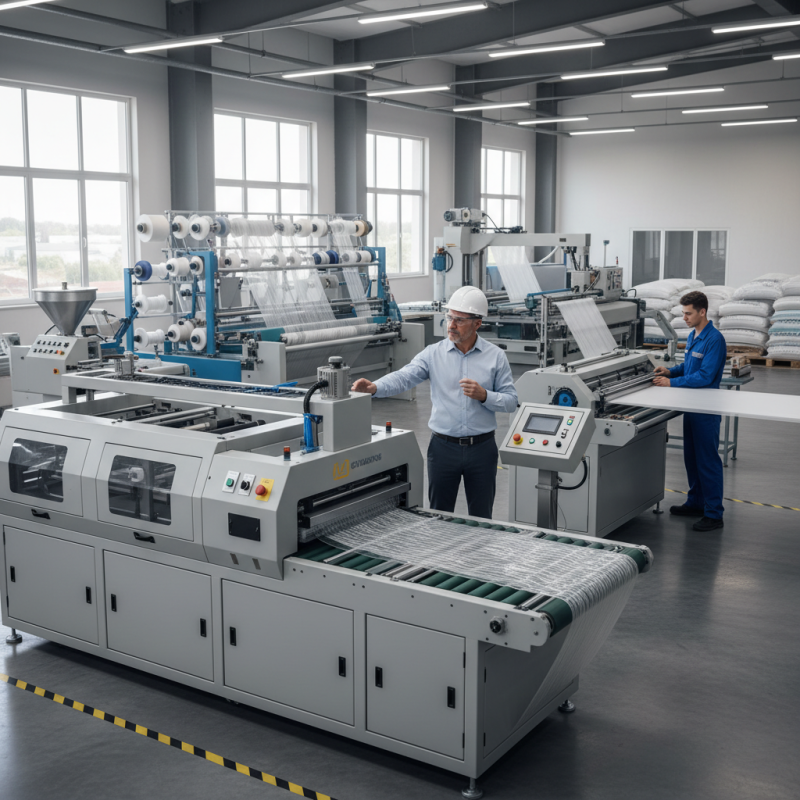
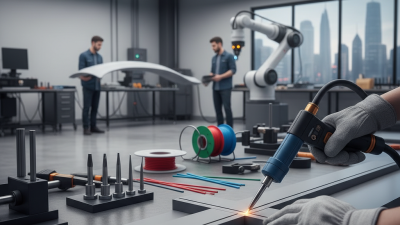
When selecting a Plastic Fabric Machine, understanding the types and their applications is crucial. Various machines cater to different needs. For instance, Ultrasonic Welding Machines offer precision and quick assembly. They utilize high-frequency vibrations to join fabrics without additional adhesives. This process ensures strong seams, making them ideal for medical and automotive industries.
Experts estimate that ultrasonic welding's efficiency reduces production time by up to 50% compared to traditional methods. This efficiency translates into cost savings and increased output. Other common machines include heat sealers and manual sewing machines. Each type serves unique applications, from simple stitching to complex fabric joins.
Tips: Consider the materials you will use. Lightweight fabrics may require different machines than heavy-duty materials. Don’t overlook maintenance; a well-kept machine lasts longer and works better. Regular benchmarking against industry standards can highlight areas for improvement, ensuring you remain competitive.
Choosing the right machine requires careful analysis. Reflect on your production goals. What works for one operation may not suit another. Familiarity with machine limitations aids in making informed decisions.
When selecting a plastic fabric machine, consider several key features. The machine's durability is crucial. Robust materials ensure longevity and consistent performance. Look for machines designed to withstand heavy usage in various environments. You want a machine that won’t falter after a few months.
Speed and efficiency are also vital. Machines that offer faster processing times can significantly increase productivity. However, be wary of machines that prioritize speed over quality. Sometimes, the fastest option leads to compromised fabric integrity. A balance between speed and precision is essential for successful operations.
Customization features matter too. Different projects require varied fabric specifications. Machines that allow for adjustments in thickness, width, or tension will provide more versatility. But be cautious. Too many complex features can make the setup intimidating. Always weigh the benefits of advanced options against your specific needs and skill level.
When selecting a plastic fabric machine, analyzing production capacity is vital. Assess how many units you will produce in a given timeframe. This includes understanding both the speed and volume of production. Machines with higher output may appear appealing, but they should also fit your operational dynamics. A machine that operates too quickly could lead to more defects, requiring rework.
Efficiency metrics play a crucial role as well. Look at energy consumption and material waste. Machines that are energy-efficient may have a higher upfront cost but will pay off in the long run. It is essential to balance speed with sustainability. A slower machine with less waste could be more beneficial, depending on your production goals. Sometimes, it’s easy to fall into the trap of focusing solely on speed, overlooking the importance of quality and environmental impact. Each factor must be carefully weighed to ensure it aligns with your business needs.
When choosing a plastic fabric machine, evaluating material compatibility is crucial. Different plastics have unique properties. These variations influence how well a machine can handle them. If you primarily work with PVC, for instance, seek a machine specifically adapted for its thickness and texture. An Ultrasonic Fabric Welding Machine excels in joining materials without damaging them, making it a preferred choice for delicate fabrics.
Machine versatility is another important factor. Many projects require different types of fabrics. A flexible machine can accommodate a range of materials. You might find that a one-size-fits-all approach leads to subpar results in some cases. This inconsistency can be frustrating. It's essential to assess whether a machine can adapt to multiple tasks, as this impacts overall efficiency.
Be aware of your specific needs. Some machines shine in certain applications but fall short in others. Research is key here. Consulting with experts or seeking user reviews can guide your choice. Balancing versatility with material compatibility ensures the machine will meet your long-term goals and expectations.
When selecting a plastic fabric machine, cost-effectiveness plays a crucial role. Many businesses overlook the total cost of ownership. According to a report by the International Trade Administration, the initial purchase price can often be misleading. The true costs include maintenance, energy consumption, and operator training. For instance, a robust Pvc Fabric Welding Machine might have a higher upfront cost but can lead to substantial savings in the long run.
Budget considerations are key in this process. Industry data reveals that companies can save up to 30% on operational costs with energy-efficient machinery. Features such as automated settings reduce labor costs and enhance production speed. However, it's essential to assess whether these features align with your production needs. Sometimes, over-automating can lead to increased complexity. Balancing automation and manual operation can be pivotal to optimizing expenses.
Maintenance expenses also cannot be ignored. A high-quality PVC fabric welding machine typically requires less frequent repairs, reducing downtime. Yet, it's worth noting that high-end machines may incur larger maintenance costs. Investing in a reliable but cost-effective solution requires careful analysis of your specific usage and long-term goals. It is not always a straightforward calculation, but evaluating these factors will ensure you make an informed decision.
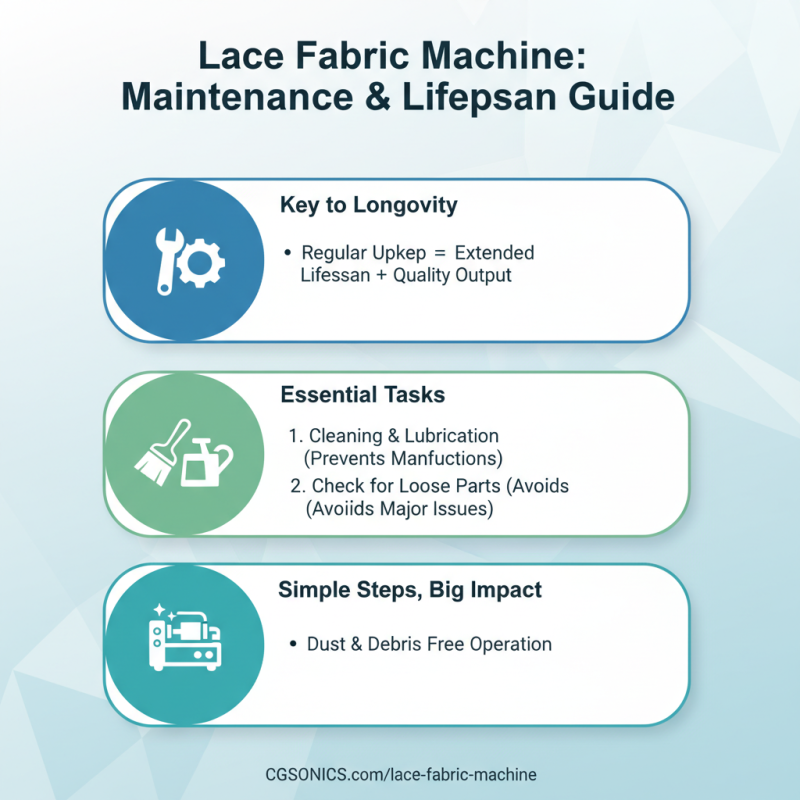
When choosing a Lace Fabric Machine, understanding maintenance is crucial. Regular upkeep extends the lifespan of the machine and ensures consistent output quality. Simple tasks like cleaning and lubrication are often overlooked but make a significant difference. Keeping the machine free from dust and debris helps prevent malfunctions. Check for any loose parts regularly, as even minor issues can lead to larger problems.
Setting a maintenance schedule is also wise. This may include changing belts, checking electrical components, and examining needles. Many operators discover that neglecting small repairs leads to more significant breakdowns. This results in production delays and increased costs. Balancing the workload with regular maintenance can be challenging. However, the investment of time pays off in the long run.
In terms of lifespan, most machines can last several years with proper care. Temperature and humidity can also affect durability. If the environment is not controlled, machines may wear out faster. Learning from experienced users can shed light on common pitfalls and best practices. Collecting insights on maintenance routines can inspire a more proactive approach. Making small adjustments over time can yield better results.
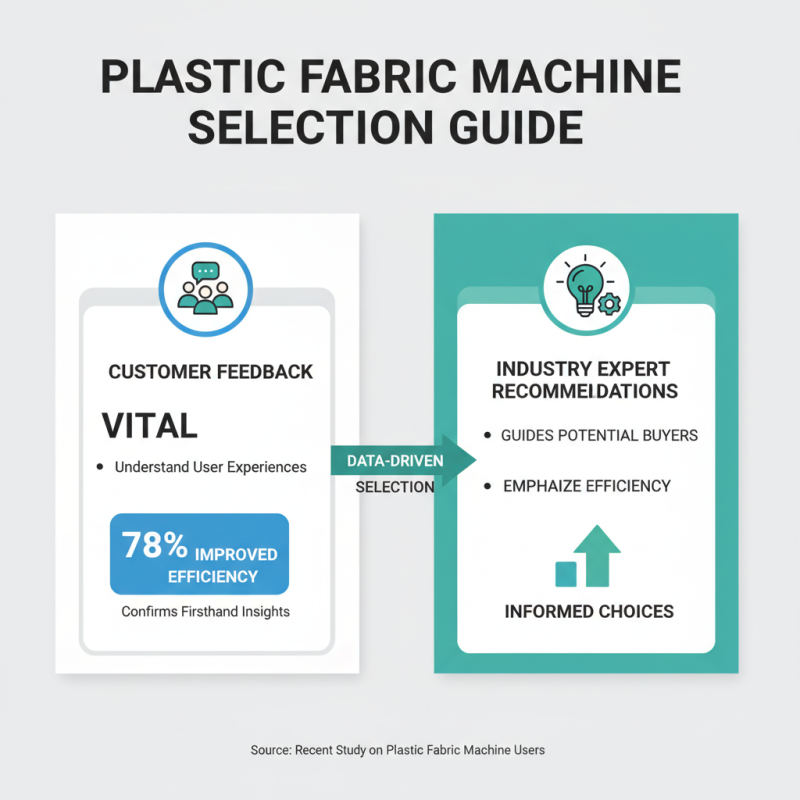
When selecting a plastic fabric machine, customer feedback is vital. Industry experts emphasize the importance of understanding user experiences. A recent study highlighted that 78% of users reported improved efficiency. This confirms that firsthand insights guide potential buyers effectively.
Customer reviews often reveal common concerns. A report from the Plastics Industry Association showed that 45% of users faced compatibility issues with different materials. This insight suggests that prospective buyers must check compatibility before purchasing. Additionally, many customers prioritize ease of use. Simplistic interfaces can significantly reduce training time and errors.
Expert recommendations offer another layer of insight. Professionals in the field underline the need for reliable after-sales support. A staggering 60% of machine owners experienced downtime due to inadequate service. This data underscores the reality that even quality machines can face challenges. Selecting a machine requires careful consideration of both performance and support services.
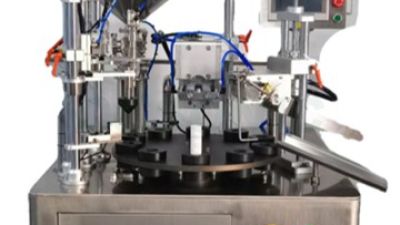
The ultrasonic multi-station turntable automatic filling and sealing machine represents a significant advancement in production line optimization. By employing ultrasonic sealing technology, this machine offers efficient and accurate filling and sealing processes, achieving speeds of 200 to 500 pieces per minute. This non-contact method not only ensures a clean operation devoid of contamination but also provides high sealing strength, minimizing the risk of leakage in products such as ointments and cosmetics.
Moreover, the machine’s fully automatic multi-station collaboration enhances productivity and reduces the need for manual intervention. The rotary design allows for seamless integration of various processes, including automatic tube loading, quantitative filling, ultrasonic sealing, and material discharge detection. This systematic approach results in continuous production capabilities, boosting efficiency by over 30%. As industries seek to streamline their operations and improve output quality, investing in ultrasonic multi-station turntable machines emerges as a vital strategy for those aiming to stay competitive in the market.
: Durability is crucial. Choose a machine made from robust materials for longevity.
Speed is vital for productivity. However, prioritize quality over sheer speed to maintain fabric integrity.
Yes, customization features are important. Look for machines that allow adjustments in thickness, width, and tension.
Regular cleaning and lubrication can greatly enhance performance. Don't overlook these simple tasks.
Regular upkeep extends machine life. Neglecting small repairs can lead to significant breakdowns and increased costs.
Temperature and humidity can impact durability. An uncontrolled environment can lead to faster wear.
Setting a maintenance schedule is wise. Regular checks can prevent unexpected malfunctions.
Yes, overlooking minor issues can create larger problems. Stay proactive to avoid production delays.
Gathering insights from experienced users can provide valuable advice. Learning from others helps avoid common pitfalls.
Complex features can complicate setup. Weigh the benefits against your skill level and specific project needs.
When selecting a Plastic Fabric Machine, it is crucial to understand the various types and their specific applications to ensure optimal performance for your needs. Key features to consider include the machine's production capacity, efficiency metrics, and compatibility with different materials. A versatile machine can adapt to various projects, enhancing its value.
Cost-effectiveness should also be a priority, with a focus on budget considerations while not compromising on quality. Additionally, evaluate the maintenance requirements and expected lifespan of the machine to make an informed investment. Lastly, reviewing customer feedback alongside expert recommendations can provide valuable insights, ensuring you choose a Plastic Fabric Machine that meets your production goals effectively.