


When you're thinking about picking out a High Frequency Welder, it’s pretty important to get a good sense of how this technology actually works. You know, industry reports are saying that worldwide demand for high-frequency welding machines is expected to grow by more than 5% each year—that’s quite a boost! This rising trend is mainly driven by new advances in materials and manufacturing techniques. Experts keep pointing out that precision and efficiency are key, especially in really demanding fields like automotive and aerospace production.
Jim Lawson, who’s a big name in welding tech at WeldTech Inc., said it best: “Picking the right High Frequency Welder can really make a difference when it comes to both quality and saving costs.” His advice basically boils down to: you gotta choose a machine that fits your specific needs.
Things are constantly changing in this space, and each welder on the market comes with its own set of features. You’ll need to consider stuff like power levels, frequency options, and control settings. With so many options out there, taking the time to think it through and find the perfect fit isn’t just smart — it’s necessary. At the end of the day, it’s not just about the machine itself, but about finding the right tool for whatever job you’ve got lined up.
High frequency welding (HFW) is an advanced technique used in various industries. It is crucial to understand its basics and applications. HFW utilizes high-frequency electromagnetic energy to create a weld between materials. This method is commonly used for plastics, rubber, and non-ferrous metals. According to industry reports, the global high frequency welding market is projected to reach $2 billion by 2025, signaling its growing importance.
The process is efficient, providing quick weld times. However, it requires precise control and proper equipment. A High Frequency Welding Machine must be capable of generating the necessary frequencies for effective bonding. Parameters such as power output, frequency range, and electrode design are key factors for success. Misalignment or improper settings can lead to weak welds and product failures.
In practice, choosing a High Frequency Welding Machine means analyzing specific needs. Industries such as automotive and packaging rely on HFW for their production processes. Reports indicate a 15% increase in demand for high frequency welders in these sectors. However, factors like energy costs and equipment maintenance must be considered. Welding experts often suggest regular training to avoid common pitfalls.
This bar chart compares three different high frequency welders based on their power output, frequency, duty cycle, weight, and price. Each welder has unique specifications that cater to different welding needs, helping you make an informed choice according to your requirements.
When selecting a high frequency welder, understanding your project's specific requirements is vital. Consider the material you’ll be working with. Different metals require different settings and techniques. For instance, aluminum and steel have unique welding properties that can affect the outcome. You should evaluate whether the welder can adjust settings for various materials.
Another important factor is the power output. Higher wattage typically leads to improved performance. However, excessive power in low-demand tasks could lead to inefficiencies. Therefore, assess the power needs of your typical projects. It’s essential that the machine you choose matches your workload for effective welding.
Keep usability in mind as well. The machine should have an intuitive interface. A complicated system can lead to major errors. Look for welders with clear displays and easy controls. This can prevent frustration and improve your craftsmanship. It's also beneficial to seek advice from experienced welders. Their insights can highlight crucial features you may overlook.
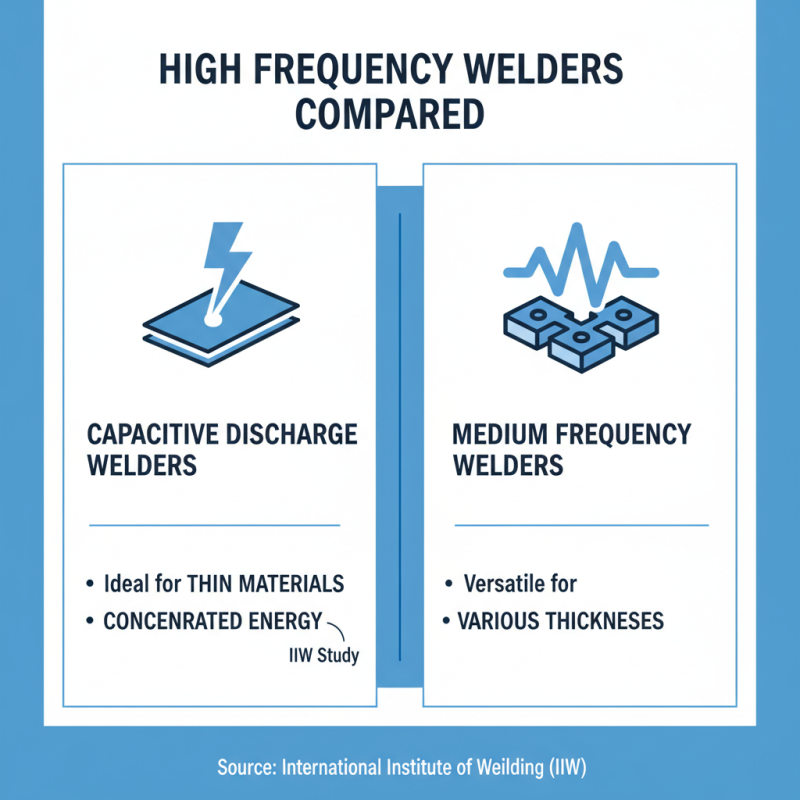
When exploring high frequency welders, it is essential to understand their differences. High frequency welders come in various types, like capacitive discharge and medium frequency welders. Each type offers unique benefits that cater to specific applications. For instance, a study by the International Institute of Welding (IIW) reported that capacitive discharge welders are ideal for thinner materials, ensuring a concentrated energy application.
Understanding your project requirements is key. Consider the material thickness, type, and desired weld quality. Statistics show that medium frequency welders are preferred for thicker materials due to their deeper penetration capabilities. They are also more energy-efficient. It’s crucial to match the welder with the task to prevent over or under-utilization, which could lead to project delays.
Tip: Always review user feedback and specifications of each model before making a selection. This step can reveal potential shortcomings in performance that you may want to avoid. Remember, the right choice will optimize your workflow and enhance weld quality. Evaluate your welding frequency needs along with machine compatibility, and you will find the most effective solution for your work.
Choosing the right high frequency welder involves understanding its power output and frequency range. High Frequency Sealing Machines work best when their specifications align with your project needs. Power output is crucial. It affects how quickly and efficiently materials can be sealed. Higher power typically means faster sealing but may also lead to uneven results if not controlled properly.
Evaluating the frequency range is equally important. Different materials require different frequencies to achieve optimal welds. Too low a frequency might not provide enough energy, while too high could damage sensitive materials. It's essential to consider what you'll be working with. Experimenting with various settings could help identify the perfect range for your specific application.
Tips: When using High Frequency Sealing Machines, always start at a lower power setting. Gradually increase until you find the sweet spot. This approach allows for adjustments without risking damage. Keep a log of settings that yield the best results for different materials. This record will simplify future projects. Also, remember to inspect your machine regularly. Anomalies in performance can often be traced back to equipment maintenance issues.
When selecting a high frequency welder, portability and size are crucial considerations. A welder that is easy to transport allows for flexibility in various work environments. If you're working on site, a compact device simplifies the process of moving the machine. It should fit in your vehicle without hassle and not take too much space on the workbench. A welder that is bulky can hinder efficiency and performance.
Consider the types of projects you'll tackle. For small to medium jobs, a lightweight model will often suffice. However, larger projects may require more power, possibly making portability less of an issue. Often, users overlook the balance between size and functionality. While a smaller model may offer convenience, it may lack the power needed for heavier tasks. Assessing your typical workload helps determine the right fit.
Additionally, think about power supply options. Some compact welders may depend on specific power sources, limiting where you can use them. This could lead to frustration on job sites where access to outlets varies. Reflections on these aspects will guide your decision, leading to a machine that aligns with your unique requirements.
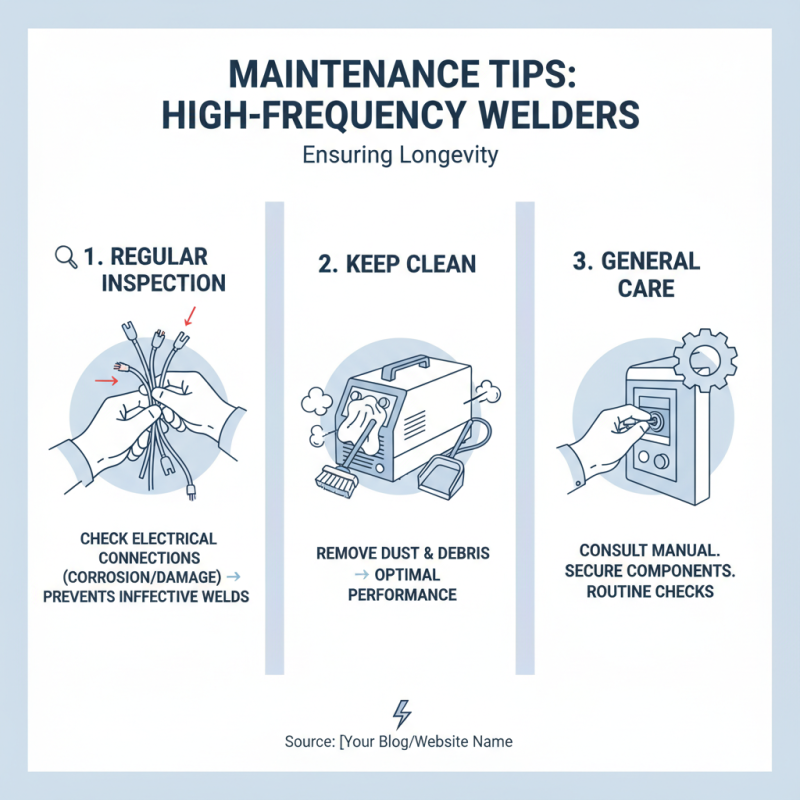
To maintain a high frequency welder, regular inspection is crucial. Check electrical connections for corrosion or damage. These issues can lead to ineffective welds. Keep the machine clean. Dust and debris can interfere with performance.
Proper cooling is essential for longevity. Ensure that the cooling system functions efficiently. Overheating can cause significant wear on components. Consider operating in a well-ventilated area. This helps in maintaining optimal temperatures.
Routine maintenance checks should involve looking at the High Frequency Vibration Welding settings. Adjustments may be necessary based on material changes. Ignoring these can lead to subpar welding results. Investing time in these practices ensures reliability and durability of your machine. It might seem tedious now, but it pays off in the long run.
When selecting a high frequency welder, understanding industry standards is crucial. These standards ensure safety and performance. Regulatory bodies set guidelines for welding processes. Familiarize yourself with these requirements before making a purchase. Knowledge of these standards can dramatically reduce risks in operations.
Certifications also play a vital role in choosing the right welder. Look for equipment that meets ISO and ASTM standards. These certifications indicate a level of trustworthiness and safety. A High Frequency Ultrasonic Welding machine should have proven testing, ensuring it meets durability expectations. We often overlook the importance of certifications during the buying process. However, they can be the difference between success and failure in your projects.
Quality assurance is essential in welding technology. Regular maintenance checks align with industry standards and extend machine life. Failures can lead to costly downtime. Think critically about the certifications and standards your welding equipment adheres to. Forgetting this could result in unforeseen challenges down the line. This emphasis on proper guidelines ensures that your choice of high frequency ultrasonic welding technology is both effective and reliable.
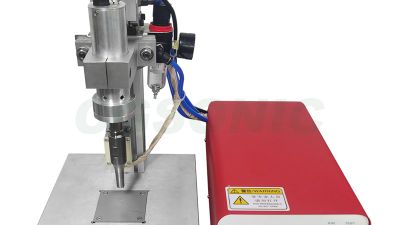
In the realm of precision welding, maximizing efficiency has become a cornerstone of competitive advantage. The insights from the 2023 Industry Report highlight how ultrasonic tabletop small spot welders can significantly enhance the productivity of various operations. These compact and portable welding machines are ideal for small factories, studios, and even home use, thanks to their desktop design that requires minimal workspace. Their lightweight construction allows for easy placement on any workbench, making them accessible for diverse welding projects without the need for extensive setups.
One of the standout features of these ultrasonic welders is their high efficiency and energy-saving capabilities. The fast welding speed means that spot welding can be completed almost instantaneously, dramatically increasing production efficiency for users. Furthermore, these devices consume low energy, which contributes to reduced operational costs. This combination of rapid performance and economical energy use positions ultrasonic tabletop small spot welders as an essential tool for any organization seeking to optimize their welding processes while maintaining quality and precision.
: Evaluate the material types and ensure the welder can adjust settings for each.
Higher wattage improves performance, but excess power can cause inefficiencies in low-demand tasks.
An intuitive interface prevents errors and frustration, boosting your craftsmanship during welding.
Familiarize yourself with safety and performance standards set by regulatory bodies for effective operations.
Certifications, like ISO and ASTM, provide trustworthiness and ensure safety and durability.
Regular maintenance checks are necessary for compliance with standards and to extend machine life.
Overlooking standards can lead to unforeseen challenges, affecting project success and safety.
Yes, their insights can highlight essential features and prevent costly mistakes in selection.
You may face inefficiencies or project failures due to incorrect specifications or settings.
Analyze your typical projects to ensure the machine matches your workload requirements effectively.
When choosing the best High Frequency Welder for your needs, it's essential to first understand the fundamental principles and various applications of high frequency welding. Key factors to consider include the specifications of power output and frequency range, as these directly impact the machine's performance. Additionally, evaluating the portability and size of the welder is critical, especially for users who require mobility for different projects.
Furthermore, maintenance plays a pivotal role in ensuring the longevity and reliability of high frequency welders. By adhering to maintenance tips and being aware of industry standards and certifications, users can select a welder that not only meets their immediate project needs but also provides durability and compliance with safety regulations. Overall, thorough research and assessment of these elements will aid in making an informed decision when purchasing a high frequency welder.