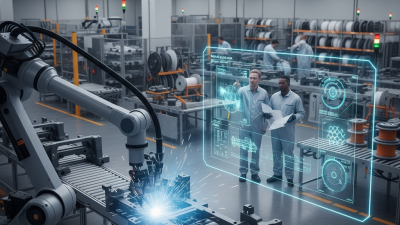
Machine Sealing is pretty cool tech that's changing the game across a bunch of industries. Basically, it uses smart mechanisms to create airtight seals, which help keep products fresh and last longer. Companies like SealTech have really been leading the charge in this space—they've come up with some solid solutions tailored to different needs.
So, how does it work? It’s all about combining heat and pressure to stick materials together. You see this a lot in food packaging and pharmaceuticals. For instance, a Plastic Tube Sealing Machine is just one example—this thing seals plastic tubes really well, keeping out contaminants. But, honestly, getting a perfect seal isn’t just plug-and-play; it takes skill and precision.
Now, while machine sealing brings a ton of benefits, it’s not all smooth sailing. Maintaining and calibrating equipment is super important—skipping on that can lead to bad seals, which nobody wants. It’s worth thinking about investing in high-quality gear and proper training to make sure everything runs smoothly. In the end, machine sealing is a crucial part of modern manufacturing, and it’s always evolving to meet the industry's needs.
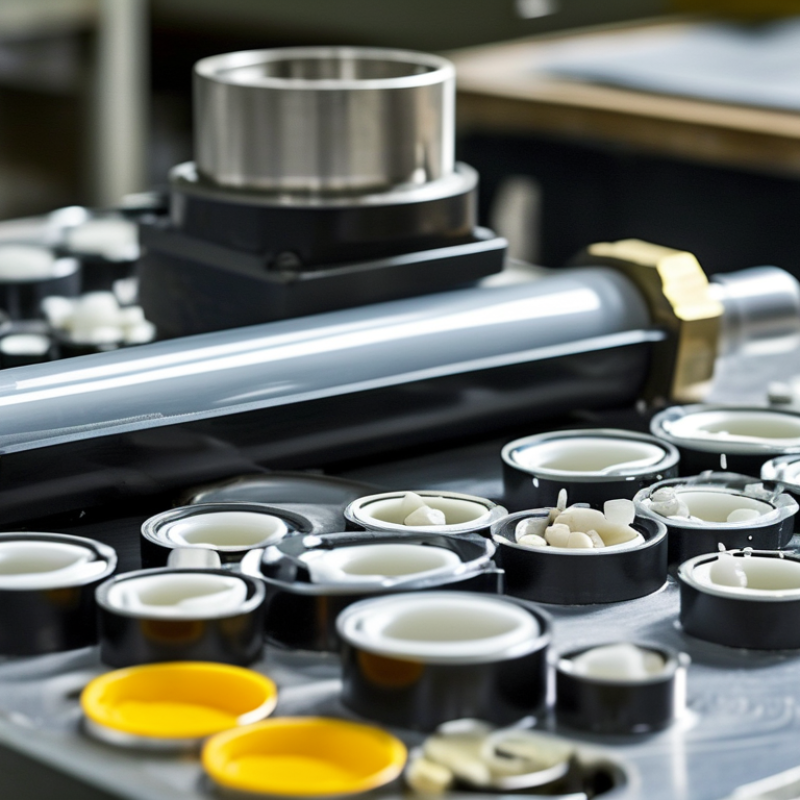
What is Machine Sealing?
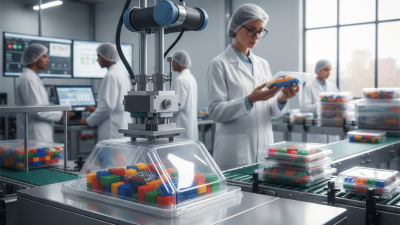
Machine sealing is a crucial process in various industries, including packaging and manufacturing. At its core, machine sealing involves using specialized equipment to create airtight seals on containers. This process is essential for maintaining the integrity of products, especially those sensitive to contamination or degradation.
Typically, sealing machines use heat or pressure to bond materials like plastic or aluminum. For instance, in cosmetic production, a Cosmetics Tube Sealing Machine applies heat to the tube’s edges, melting them together. This ensures that lotions and creams remain uncontaminated and prolongs their shelf life. The efficiency of these machines often hinges on precise temperature control and timing. It is interesting to note that minor inconsistencies can lead to product failure.
Moreover, the choice of sealing technology greatly impacts the operation. Different methods include heat sealing, Ultrasonic Sealing, and cold sealing. Each has its pros and cons, and selecting the right one requires careful consideration. Sometimes, the barriers to achieving the perfect seal can cause frustration. Factors like material compatibility and environmental conditions play a significant role. Balancing these elements is critical for effective machine sealing.
The Importance of Machine Sealing in Various Industries
Machine sealing plays a crucial role in various industries, from food production to automotive manufacturing. It protects products from contamination and maintains freshness. In the food industry, proper sealing prevents spoilage and foodborne illnesses. In automotive applications, sealed components ensure reliability and safety, reducing the risk of leaks.
Tips: Regular maintenance of sealing machines is vital. Over time, seals wear out, and their effectiveness diminishes. Inspect seals periodically for any signs of degradation. An overlooked seal can lead to costly downtime and product loss.
In pharmaceuticals, machine sealing is essential for maintaining sterile environments. It ensures that medications remain uncontaminated during production and packaging. The precision of sealing technology can influence product quality. However, even advanced machines can fail, highlighting the importance of staff training. Understanding the equipment is as critical as the equipment itself.
Tips: Encourage teams to attend regular training. Familiarity with sealing technologies can prevent operational hiccups. Empowering employees leads to more efficient processes and reduced errors.
Components of a Machine Sealing System
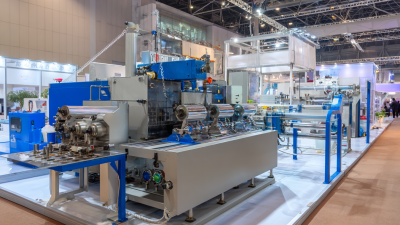
Machine sealing systems are crucial in various industries, such as food processing, pharmaceuticals, and manufacturing. These systems are designed to prevent leaks, minimize contamination, and enhance operational efficiency. A standard machine sealing system consists of several key components, including seals, housing, drive mechanisms, and control systems.
Seals are the heart of any sealing system. They come in multiple materials, such as elastomers or polymers, depending on the application. A report from the American Society for Testing and Materials (ASTM) indicates that improper seal selection can reduce lifespan by as much as 50%. Therefore, understanding the operational environment is essential for selecting the correct seal material.
Housing holds the seals and keeps the system intact under pressure. It must be robust to withstand operating conditions. Drive mechanisms are often electric or pneumatic, powering the sealing system. Control systems facilitate operation, often integrating sensors for real-time monitoring. Research shows that over 70% of sealing system failures are linked to inappropriate component integration. These challenges highlight the need for continuous improvement and regular maintenance, ensuring optimal performance and reliability in sealing operations.
Machine Sealing System Components Distribution
How Machine Sealing Works: The Process Explained
Machine sealing is a pivotal technology in various industries. The process involves creating an airtight seal to enhance product integrity. It is vital for packaging food, pharmaceuticals, and electronics.
During machine sealing, products pass through a series of stations. Heat or pressure is applied to the sealing material, often plastic or foil. This creates a bond that prevents contamination. Sensors monitor temperature and pressure continuously. Any deviations are corrected immediately.
Yet, there are challenges. Different materials require specific sealing conditions. Inaccurate settings can lead to weak seals. Additionally, maintaining equipment is essential for optimal performance. Regular inspections can prevent unexpected failures. It's a delicate balance between efficiency and quality.
Types of Machine Sealing Technologies
Machine sealing technologies play a crucial role in various industries. Different types of sealing methods provide unique advantages and applications. One popular method is ultrasonic sealing. This technique uses high-frequency ultrasonic waves to generate heat. As a result, it creates a strong bond between materials, making it ideal for packaging.
Another common machine sealing technology is heat sealing. This method employs heat to melt the edges of materials. As they cool, they bond together securely. Heat sealing is widely used in food packaging and medical supplies. It ensures products remain fresh and sterile.
A less conventional option is vacuum sealing, which removes air from the packaging. This technique helps in extending product shelf life. It is especially popular in the food industry. Despite its efficiency, challenges exist, like maintaining the integrity of sealed items. Each sealing method has its pros and cons. Understanding these nuances is essential for selecting the right technology for specific needs. Using an Ultrasonic Tube Sealing Machine showcases the advanced capabilities of modern sealing techniques.
What is Machine Sealing and How Does it Work? - Types of Machine Sealing Technologies
| Sealing Technology | Description | Applications | Advantages | Disadvantages |
| Static Seal | A fixed seal that is not subject to movement during operation, ideal for preventing leaks between stationary parts. | Pipelines, storage tanks, and pressure vessels. | Simple design, low maintenance, effective sealing. | Limited to non-moving applications. |
| Dynamic Seal | Designed for applications with moving parts, preventing leakage while allowing motion. | Rotating shafts, pistons, and conveyers. | Suitable for high-speed operations, versatile. | Increased wear due to friction, requires more maintenance. |
| O-ring Seal | A circular ring that creates a seal when compressed between two surfaces. | Hydraulic systems, automotive, and plumbing applications. | Effective in a wide range of pressures and temperatures. | Can be susceptible to extrusion under high pressure. |
| Mechanical Seal | Utilizes a rotating face and a stationary face to create a seal, often used in pumps. | Pumps in chemical processing, water treatment, and oil industries. | High sealing efficiency, suitable for high-pressure applications. | Complex installation, can be expensive. |
| Lip Seal | A flexible lip that presses against a shaft or a surface to maintain the seal. | Automotive axles, electric motors, and gearboxes. | Simple design, low cost, effective sealing for low-pressure applications. | Limited to specific temperature and pressure ranges. |
Advantages of Using Machine Sealing
Machine sealing is a process that ensures products are securely packaged. This method offers several advantages that improve efficiency and product integrity. One key benefit is the reduction of contamination risks. According to a report by the Packaging Association, machine-sealed packages can reduce the risk of spoilage by up to 30%.
Reliability is another critical advantage. Machine sealing provides consistent results, ensuring that each package meets quality standards. In various industries, including pharmaceuticals and food production, tight seals prevent leaks and maintain freshness. A study showed that packages sealed with automated methods experience a 25% lesser rate of product loss compared to manual sealing techniques.
Using technologies such as the Manual Aluminum Tube Sealing Machine further enhances these benefits. While manual methods have their place, machine sealing ensures superior precision. This is particularly important in sectors where product preservation is paramount. However, organizations must invest in training and maintenance to maximize these advantages. Without proper oversight, even the most advanced machinery can underperform. As the industry grows, balancing automation with skilled labor becomes essential for optimal outcomes.
Challenges and Considerations in Machine Sealing Applications
In the realm of machine sealing, industries face various challenges that can impact efficiency and integrity. For instance, temperature control is critical. If the sealing temperature is too high or too low, it can lead to compromised seals. This can result in product contamination or leaks. A recent industry report highlighted that nearly 15% of faulty seals are due to improper temperature applications alone.
Another significant consideration is the choice of sealing materials. Different materials interact uniquely with various sealing technologies. For example, an Ultrasonic Plastic Tube Sealing Machine relies on specific plastic types to ensure proper fusion. Using incompatible materials may weaken seals and increase defect rates. The International Journal of Advanced Manufacturing Technology noted that improper material selection could increase failure rates by up to27%.
Moreover, regular maintenance of sealing machines is often overlooked. Machines wear down over time, leading to reduced performance. Insufficient maintenance can double the likelihood of seal failure. Regular inspections and timely upgrades are essential to counter these issues. Inadequate training of machine operators can also exacerbate sealing problems. Ensuring that staff are well-informed about the sealing process can significantly reduce errors.
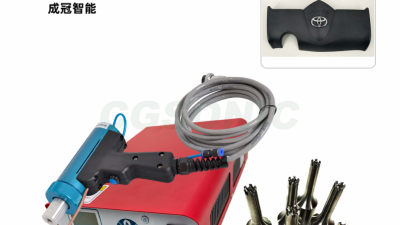
Harnessing the Power of Ultrasonic Handheld Spot Welding: Industry Insights and Market Trends for 2023 and Beyond
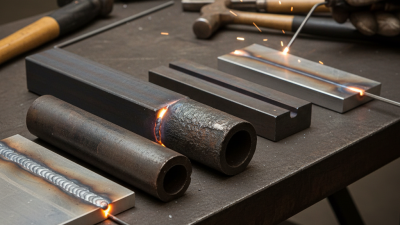
Ultrasonic handheld spot welding has emerged as a transformative technology in various industries, streamlining operations and enhancing product quality. As we enter 2023 and look ahead, the insights into market trends reveal a growing demand for this versatile welding technique. The ability to quickly bond materials with precision and minimal heat has made ultrasonic welding particularly appealing in sectors such as automotive, electronics, and medical devices. This method not only increases efficiency but also offers a cleaner, more environmentally friendly alternative to traditional welding processes.
Further emphasizing its advantages, the ultrasonic handheld spot welding devices are increasingly being designed for portability and user-friendliness, allowing operators to perform tasks with greater ease and flexibility. As manufacturers continue to innovate, we can expect enhanced features such as improved energy efficiency, better control mechanisms, and real-time monitoring capabilities. These advancements not only improve productivity but also contribute to significant cost savings in production processes. As industries continue to embrace these technological advancements, ultrasonic welding is set to become an essential tool in meeting the demands of modern manufacturing.
FAQS
: Machine sealing creates airtight seals on containers using specialized equipment. It protects products from contamination.
Improper sealing temperatures can compromise seals. This may lead to contamination or leaks in products.
Common materials include plastic and aluminum. Material compatibility is critical for effective seals.
Regular maintenance is vital. Worn seals can lead to failure, causing costly downtime and product loss.
Machine sealing is essential in food, pharmaceuticals, and automotive industries. It maintains product integrity and safety.
Training improves familiarity with sealing technologies. Well-informed staff can reduce errors and enhance efficiency.
Challenges include temperature control and material compatibility. Both can significantly impact sealing effectiveness and product quality.
Yes, using incompatible materials can weaken seals. This may lead to a higher rate of defects.
Neglecting inspections can result in unnoticed wear and increased likelihood of seal failure. Regular checks are essential.
Companies should prioritize maintenance, proper training, and careful material selection to improve sealing outcomes.
Conclusion
Machine sealing is a critical process utilized across various industries to ensure leak-proof operations and enhance efficiency. It involves the use of specialized systems designed to create seals that prevent the escape of fluids and gases. The importance of machine sealing cannot be overstated, as it directly impacts product quality, operational safety, and regulatory compliance.
At its core, machine sealing comprises several key components that work together seamlessly. Understanding how machine sealing works involves examining the intricate processes that allow for effective sealing, along with the different technologies available, such as static and dynamic seals. The advantages of implementing machine sealing include improved reliability and reduced maintenance costs, although challenges still exist, such as material compatibility and environmental factors. Overall, machine sealing plays a vital role in modern manufacturing and distribution, contributing to the seamless functioning of various applications.


 1Durch die gruppenweite Einführung und Harmonisierung unseres integrierten Managementsystems (IMS) werden alle bestehenden Unternehmens-, Qualitäts-, Umwelt- und Energiepolitiken durch diese Unternehmenspolitik ersetzt. Der Slogan „Textil hat Zukunft – auch in De