Request a Quote
asdsd3
Leave Your Message
0%

In the world of manufacturing, getting a handle on Metal Foil Weldingis pretty much essential if you want top-notch results. Experts like Dr. Alice Thompson from Precision Welding Solutions have been stressing for ages how important precision really is in this craft. She often says, "Getting the hang of the little details in Metal Foil Welding can seriously boost the overall quality of your final product." It really shows that you need both skill and a good understanding of the process—stuff where attention to detail makes all the difference.

Metal Foil Welding isn’t exactly a walk in the park; it involves some pretty delicate steps that require you to really understand your materials and the right techniques. Since metal foils are so fragile, you gotta have the right skills to avoid common slip-ups—like messing up heat or pressure, which can lead to weak bonds or products that aren’t as sturdy as they should be. Being aware of these pitfalls is super important if you want to develop a reliable welding method.

But honestly, learning Metal Foil Welding isn’t just about picking up some tricks. It’s more about having the right mindset— always looking to improve and learn new stuff. Even seasoned welders need to keep reflecting on what they do and stay in the loop with the latest techniques. Chatting with other folks in the industry and keeping up with new advancements can really give you a leg up. The path to mastering Metal Foil Welding is ongoing, but trust me, the payoff makes the effort totally worth it.

How to Master Metal Foil Welding Techniques for Best Results?

Understanding the Basics of Metal Foil Welding Techniques

How to Master Metal Foil Welding Techniques for Best Results?

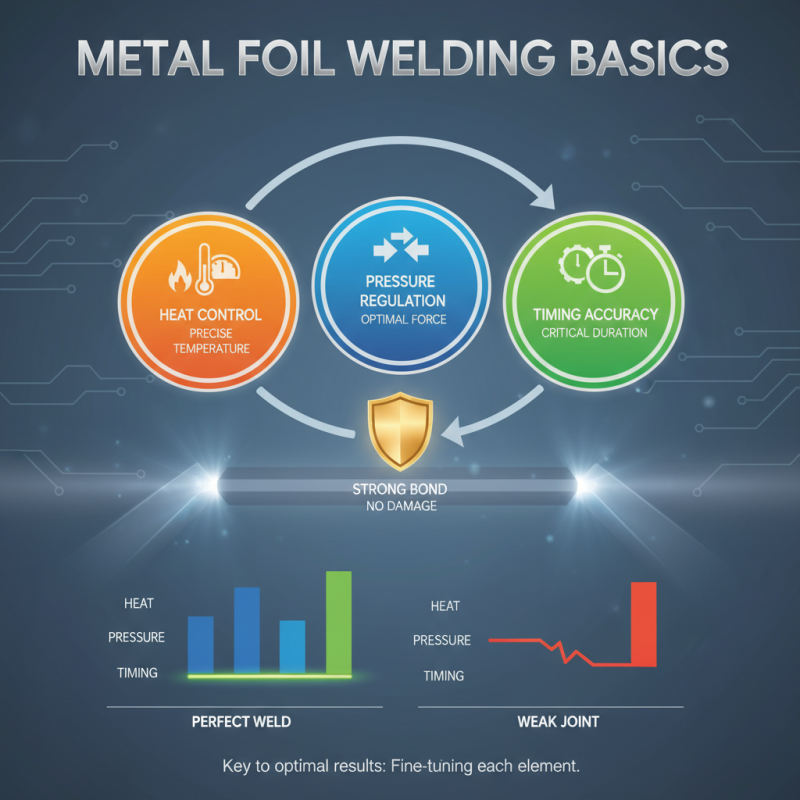
Metal foil welding is a specialized technique that offers a precise method for joining thin metallic materials. Understanding the fundamentals is crucial for achieving optimal results. It involves controlling heat, pressure, and timing to ensure a strong bond without damaging the foil. Each element must be finely tuned, as even slight variations can lead to weak joints.

Tips to consider: Always clean the surfaces before welding. Any contamination can affect the weld quality. Use an appropriate welding setup, whether it's resistance welding or Ultrasonic Metal Spot Welding. Each method has its unique advantages. Testing on scrap materials before starting your main project can save time and resources.

Practice makes perfect. Welding metal foil requires a steady hand and keen attention to detail. Mistakes are part of the learning process. Remember, even experienced welders face challenges with thin materials. Reflecting on each attempt will improve your technique over time.

Essential Tools and Equipment for Metal Foil Welding

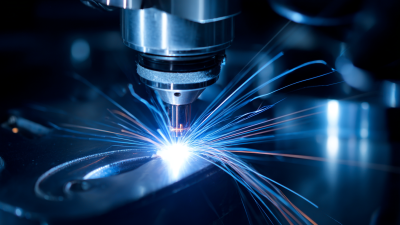
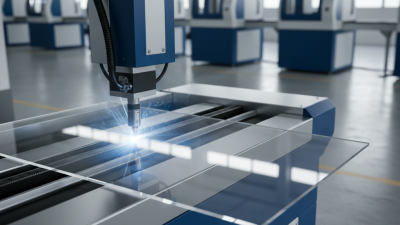
Metal foil welding requires precision and the right set of tools. For optimal results, you need a well-equipped workspace. An Ultrasonic Metal Welding Machine stands out as a crucial instrument. It uses high-frequency vibrations to join thin metal layers without melting them. This technique prevents distortion and maintains the integrity of the materials.

Tips: Always check the settings of your Ultrasonic Metal Welding Machine. Different metals and thicknesses require specific adjustments. Also, ensure that the work surface is clean to prevent contamination. Proper alignment before welding can save time and material.

In addition to the welding machine, consider investing in good safety gear. High-quality gloves and goggles are vital. Welding can create sparks and debris. Having a secure environment ensures you focus on precision rather than safety hazards.

Tools like tweezers, clamps, and measuring tools are essential. They help in handling delicate materials safely. Practice with spare pieces of metal foil before starting your main project. This familiarity can lead to better control and confidence. Reflect on your process and document what works well and what doesn’t. Continuous improvement is key in mastering metal foil welding techniques.

Preparation Steps for Successful Metal Foil Welding

Successful metal foil welding starts with thorough preparation. Choosing the right materials is crucial. Ensure the metal foil is clean and free from contaminants. Use a degreaser to eliminate any grease or dirt. A clean surface promotes better adhesion and weld integrity. Slight variations in foil thickness might affect the welding process, so take note of this during preparation.

Setting up your workspace is equally important. Ensure proper ventilation to avoid inhaling harmful fumes. Adjust your welding equipment according to the specific foil type and thickness. If you are unsure, consult a professional or refer to reliable guidelines. Practice on scrap pieces to refine your technique. Each attempt provides valuable lessons, even mistakes teach us. It’s essential to analyze what goes wrong and adjust accordingly. Such reflections can significantly enhance your skills over time.

How to Master Metal Foil Welding Techniques for Best Results? - Preparation Steps for Successful Metal Foil Welding

Preparation Step Description Materials Needed Time Required
Material Choice Select the right metal foil for your project. Metal foil sheets (e.g., aluminum, copper) 10 minutes
Clean Surface Ensure surfaces are free of contaminants. Solvent, cloth, wire brush 15 minutes
Align Materials Position metal foils properly for welding. Jigs or clamps 20 minutes
Setting Up Equipment Prepare welding machine and tools. Welding machine, protective gear 30 minutes
Test Weld Perform a test weld on scrap materials. Scrap metal pieces 10 minutes
Final Setup Make final adjustments and prepare for main welding. Welding machine setup 5 minutes

Techniques for Achieving Strong Welds in Metal Foils

How to Master Metal Foil Welding Techniques for Best Results?

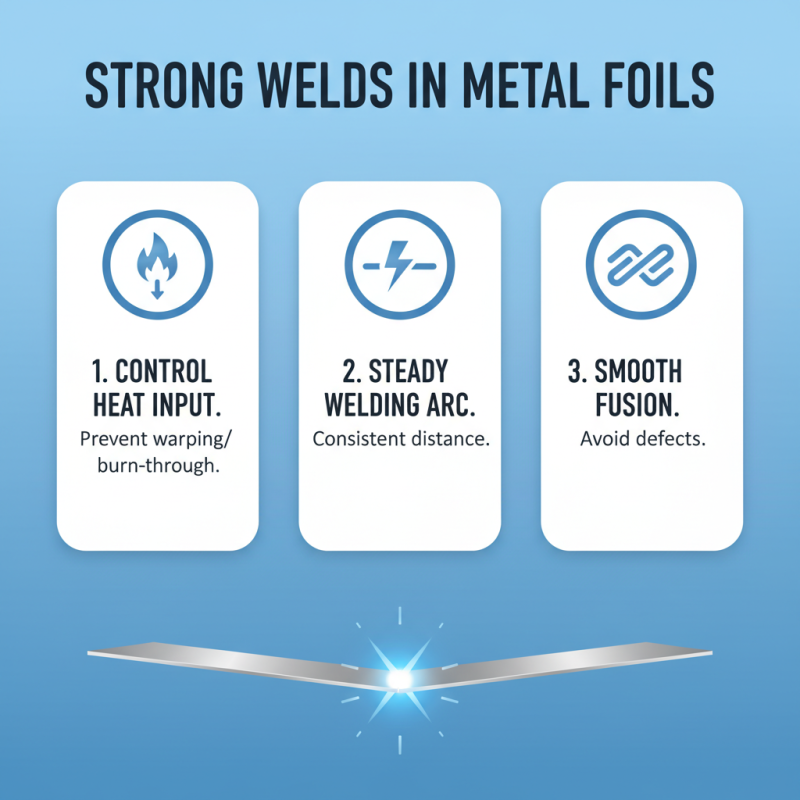
Achieving strong welds in metal foils demands skill and precision. The key is to control heat input carefully. Thin materials like metal foils are sensitive to excessive heat, which can cause warping or burn-through. Keep your welding arc steady. Practice maintaining a consistent distance from the material. This will help ensure smooth fusion and avoid defects.

Using the right filler material also matters. Not all metals bond equally well. Consider the specifics of your project when choosing your filler. Ensure that it matches your base materials for optimal strength. It's essential to clean surfaces thoroughly before welding. Even tiny contaminants can lead to weakened joints or defects.

Feedback from peers is valuable. Learning through trial and error helps refine your technique. Don't hesitate to analyze your results critically. Identify areas for improvement. Focus on those lessons for your next project. It’s a continuous journey toward mastering foil welding techniques. Embrace the challenges, and you will see progress over time.

Common Issues and Troubleshooting in Metal Foil Welding

When mastering metal foil welding techniques, encountering common issues is inevitable. These problems can arise due to poor equipment settings, inconsistent heat application, or improper foil handling. Understanding these pitfalls is essential for achieving the best results.

One frequent issue is overheating the metal foil. This can lead to warping and burn-through, rendering your work unusable. Proper temperature settings are crucial. It's beneficial to use a controlled heat source, ensuring you maintain consistent temperatures throughout the welding process.

Another challenge is contamination on the foil surface. Even the smallest residue can affect the quality of the weld. Always clean your workpiece thoroughly before welding. Use appropriate solvents to remove oils and dirt.

Tips to minimize these issues include performing test welds on scrap material. This practice helps to identify optimal settings and techniques before working on your final piece. Additionally, maintain a steady hand while welding to ensure even application of heat. Observing these suggestions can significantly enhance your metal foil welding results.

Common Issues and Troubleshooting in Metal Foil Welding

Post-Welding Inspection and Testing of Metal Foil Joints

Post-welding inspection is crucial for ensuring the integrity of metal foil joints. A careful review can save time and resources later in the process. Visual inspections are often the first step. Look for defects like cracks, voids, or incomplete fusion. These issues may arise from improper welding techniques or equipment settings. Even small flaws can lead to significant problems down the line.

Testing is another essential step in verifying joint quality. Various methods are available, including ultrasonic testing and dye penetrant inspections. These tests can reveal hidden defects not visible to the naked eye. When working with Metal-Plastic Joining, you may encounter unique challenges. Different material properties can affect joint performance. Therefore, it is essential to tailor your inspection methods accordingly.

Learning from past welding experiences can improve your results. Document any challenges faced during previous projects. Reflect on the effectiveness of different inspection techniques. This practice can lead to continuous improvement in your metal foil welding processes. By focusing on these aspects, you can enhance both the quality and reliability of your completed joints.

Best Practices for Maintenance and Care of Welding Equipment

Maintaining welding equipment is crucial for achieving the best results in metal foil welding. Regular upkeep can extend the life of your tools and enhance the quality of your work. Keeping your equipment clean is an essential first step. Each time you finish welding, remove any debris and residue. This prevents contamination in your next session and ensures optimal performance.


It's important to inspect your tools frequently. Check for wear and tear, especially on critical components. Look for signs of damage, including frayed cables or cracked nozzles. If you identify issues early, you can prevent more significant problems later. Remember, a well-maintained tool leads to cleaner Metal Welds.


Tips: Use a soft cloth to wipe down surfaces before and after use. Store your equipment in a dry place to avoid moisture damage. Regularly calibrate your welder to keep it operating at peak performance. Reflection is key; if you notice inconsistent welds, consider if equipment maintenance could be the cause. Staying vigilant about care and upkeep makes all the difference.

Leveraging Industry Data on Ultrasonic Welding Mold Design: Key Insights and Best Practices for Optimal Performance

In the rapidly evolving field of ultrasonic welding, the design of molds plays a critical role in ensuring optimal performance and efficiency. By leveraging industry data, engineers can gain valuable insights into the intricate dynamics of ultrasonic welding molds. This data-driven approach allows for the precise calibration of mold parameters, leading to improved weld quality, reduced cycle times, and minimized material waste. By understanding the characteristics of various materials and their interactions during the welding process, designers can create molds that enhance the ultrasonic energy transfer, thus maximizing the strength of the weld joints.

Best practices in mold design are essential to harness the full potential of ultrasonic welding technology. Key considerations include the selection of appropriate mold materials that withstand high frequencies and temperatures while maintaining the desired acoustic properties. Additionally, optimizing the geometry of the mold is crucial for ensuring uniform pressure distribution and effective energy transmission. Incorporating advanced simulation tools can further refine the design process, predicting potential challenges and allowing for proactive adjustments. Through careful analysis and application of industry data, manufacturers can continuously improve their ultrasonic welding molds, driving innovation and efficiency in production processes.

FAQS

: What is the first step in metal foil welding preparation?

: Start by choosing the right materials and ensuring the metal foil is clean.

Why is surface cleanliness important for welding?

A clean surface promotes better adhesion and weld integrity, preventing defects.

How does foil thickness affect welding?

Slight variations in foil thickness may impact the welding process and results.

What workspace setup is required for welding?

Ensure proper ventilation to avoid inhaling harmful fumes during the process.

How can I practice my welding technique?

Practice on scrap pieces to refine your skills and learn from each attempt.

What should I control during the welding process?

Carefully control heat input to avoid warping or burn-through of thin materials.

Why is filler material choice important in welding?

Not all metals bond equally, so match the filler material with your base.

What should I do if I encounter welding mistakes?

Analyze mistakes critically and adjust techniques for future projects to improve.

How can I enhance my welding skills over time?

Continuous practice and reflection on past projects will lead to progress.

Is feedback from peers helpful in welding?

Yes, feedback can provide insights and help identify areas for improvement.

Conclusion

Mastering Metal Foil Welding techniques is essential for achieving optimal results in various applications. This comprehensive guide begins with an understanding of the fundamental principles of Metal Foil Welding, emphasizing the importance of using the right tools and equipment. Preparation steps are critical, as they set the stage for successful welding. Techniques for creating strong welds focus on maintaining the integrity of the metal foils while addressing common issues and troubleshooting methods can help welders overcome challenges during the process.

Additionally, performing thorough post-welding inspections and testing is crucial to ensure the quality of the joints. By following best practices for the maintenance and care of welding equipment, welders can prolong the life of their tools, ultimately enhancing the efficiency and effectiveness of Metal Foil Welding. This structured approach equips both novices and experienced welders with the knowledge needed to excel in this specialized welding technique.

Sophia

Sophia

Sophia is a dedicated marketing professional with over 20 years of experience in the field of ultrasonic plastic welding. She is deeply knowledgeable about the extensive range of products offered by her company, including ultrasonic welding systems, ultrasonic cutting equipment, ultrasonic lace......
Previous How to Choose the Best Plastic Fabric Machine for Your Needs?