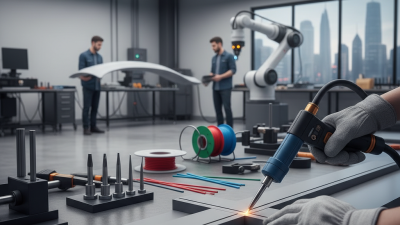
Have you heard of thermoPlastic Welding? It’s actually a pretty cool and innovative technique that's become a game-changer in fields like automotive and construction. I came across a report from MarketsandMarkets that says the global market for this technology could hit around 1.2 billion dollars by 2025—pretty impressive, right? Experts often mention how this method is both efficient and super strong. John Smith, a well-known expert in the field, once said, 'Thermoplastic Welding combines speed with durability, making it perfect for modern manufacturing needs.' It’s hard to argue with that.
Now, a lot of people asking about this process wonder what’s so great about it. Well, the truth is, it brings some real perks—like cutting down production time and improving the properties of materials. One of the best things? It creates seamless connections that can handle tough conditions. That said, it’s not all smooth sailing. Some companies may struggle a bit because switching to this new tech involves a learning curve. It’s not always the easiest transition, especially if you’re used to traditional methods.
Even with all its benefits, there’s definitely room for improvement—like better training and updated equipment. Companies that invest in learning and professional development will get the most out of thermoplastic welding. When you get it right, it can save a ton of money and boost product quality, which all aligns with where the industry seems headed these days.
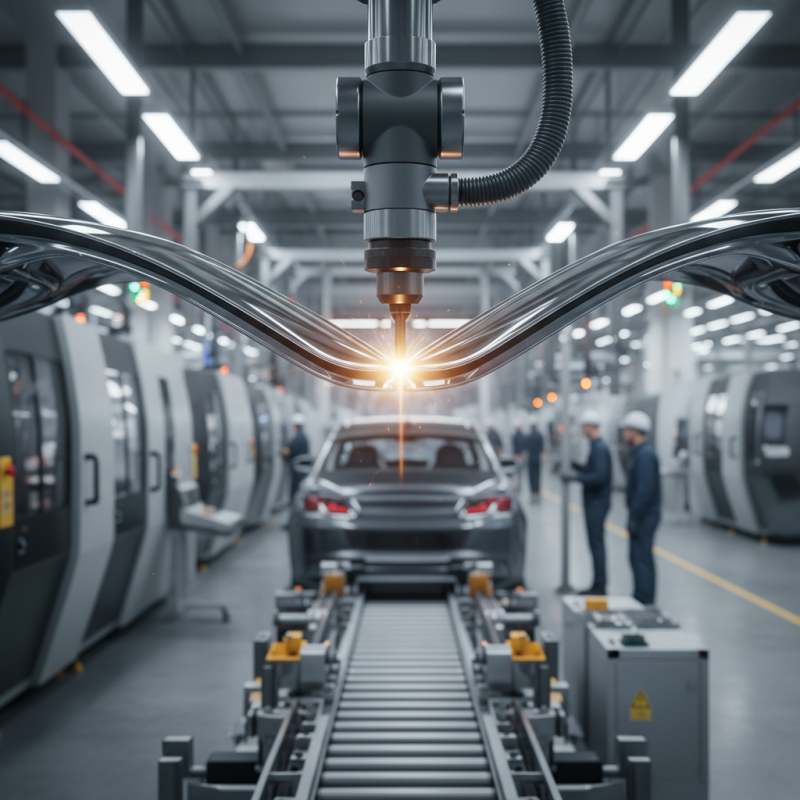
What is Thermoplastic Welding?
Thermoplastic welding is a process that joins thermoplastic materials through heat and pressure. This technique utilizes the unique properties of thermoplastics, which soften when heated and harden upon cooling. During welding, elements like temperature and pressure are carefully controlled to achieve a strong bond. This method is particularly valuable in various industries, including automotive and construction.
Thermoplastic materials can be molded into complex shapes, making them versatile for different applications. The welding process can be performed through methods such as hot air welding or ultraSonic Welding. Each method has its pros and cons, often requiring expert knowledge to select the best approach. It's essential to ensure that the materials are compatible; mismatches can lead to weak seams.
One challenge in thermoplastic welding is maintaining consistent quality. Factors like moisture and surface impurities can affect the weld's integrity. Frequent testing may be necessary to ensure strength and reliability. Buyers should consider these aspects to maximize the benefits of thermoplastic welding. Proper guidance and training are crucial for achieving successful results in this intricate process.
The Process of Thermoplastic Welding Explained
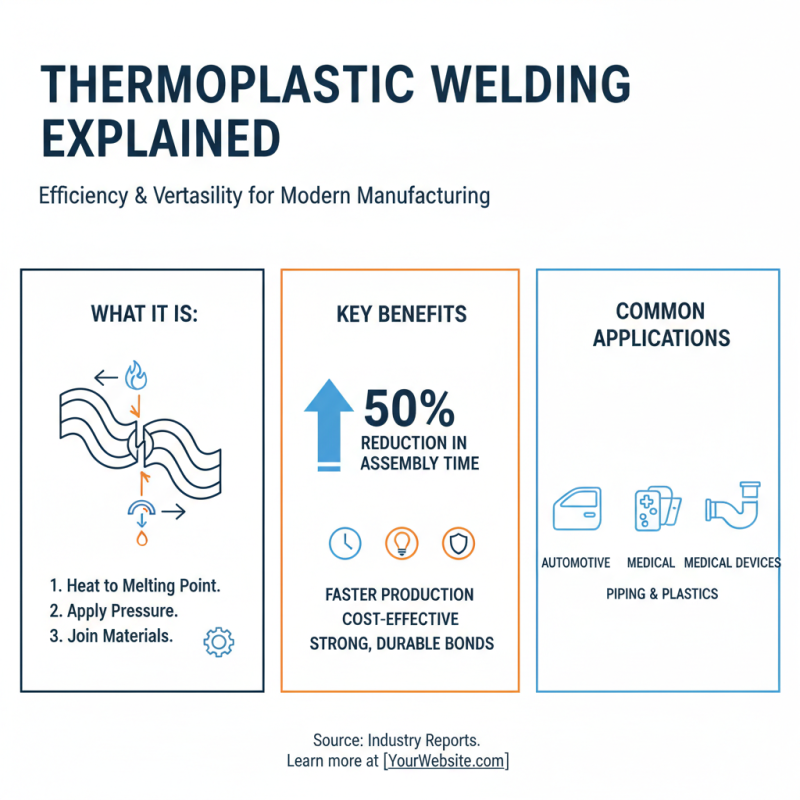
Thermoplastic welding is a critical process in various manufacturing sectors. It involves joining thermoplastic materials by heating them to their melting point and applying pressure. This process has gained popularity due to its efficiency and versatility. Notably, industry reports indicate that thermoplastic welding can reduce assembly time by up to 50%.
During the welding procedure, two surfaces are heated until they become pliable. Specialized equipment ensures consistent temperatures, leading to strong welds. Research shows that weld integrity can reach 90% of the base material's strength in optimum conditions. This high strength is vital for industries such as automotive and aerospace, where safety is paramount. However, inconsistencies in temperature or pressure can lead to weak welds, underscoring the need for precise control.
Another aspect is the environmental impact. Thermoplastic materials are often recyclable, which reduces waste. Studies indicate that using thermoplastics can decrease manufacturing energy consumption by as much as 30%. Buyers must weigh these benefits against potential drawbacks, such as the initial cost of specialized equipment. The balance of efficiency, strength, and sustainability makes thermoplastic welding a compelling option for many industries, though it requires careful implementation for optimal results.
Types of Thermoplastic Welding Techniques
Thermoplastic welding encompasses various techniques used to join thermoplastic materials through heat and pressure. The most common techniques include hot gas welding, ultrasonic welding, and friction welding. Each method has specific applications and advantages, making it crucial for buyers to understand them.
Hot gas welding is widely used for larger components. It employs a heated air or gas stream to melt the thermoplastic edges. This technique is favored for its versatility and can efficiently bond thick materials.
Ultrasonic welding, on the other hand, utilizes high-frequency mechanical vibrations to generate heat at the joint interface. This method is especially beneficial for joining thin materials found in Electronic Component Welding. Research indicates that ultrasonic welding can achieve joint strengths exceeding 90% of the base material's strength.
Friction welding provides a solid-state bond by rubbing parts together, generating heat through mechanical friction. This technique is ideal for dissimilar materials, which offers unique design flexibility. However, not every thermoplastic can be welded using these methods. Understanding the limitations and benefits of each technique is vital for buyers. Inaccurate material selection can lead to weak joints, which may compromise the overall integrity of the components.
Applications of Thermoplastic Welding in Various Industries
Thermoplastic welding is increasingly popular across various industries. Its versatility allows manufacturers to join different materials effectively, making it valuable for many applications. In automotive manufacturing, for instance, thermoplastic welding connects complex parts, enhancing durability while reducing weight. This technique is also essential in construction, where it binds plastic membranes for waterproofing.
Tips: Always assess material compatibility before welding. Understanding how different thermoplastics interact can prevent issues during the process. This is especially crucial in Dissimilar Materials Welding.
In the medical field, thermoplastic welding plays a critical role. It securely joins components in medical devices, ensuring they meet safety standards. Robustness is vital, as these devices often face stringent regulations. Additionally, in the electronics industry, thermoplastic welding offers a clean solution for sensitive components prone to heat damage.
Tips: Test small batches before scaling up production. This can help identify potential weaknesses in joints formed from different materials. Addressing these issues early on saves time and costs.
Benefits of Thermoplastic Welding for Buyers
Thermoplastic welding offers significant benefits for buyers in various industries. This process creates strong, durable joints by melting and fusing thermoplastic materials. The result is a reliable bond that often outlasts the materials themselves. In many cases, this method can reduce the need for additional fasteners. Buyers appreciate the efficiency of thermoplastic welding, which shortens production times and cuts labor costs.
Consider the versatility that thermoplastic welding provides. It can be applied in sectors such as automotive, aerospace, and construction. Different thermoplastics can be bonded together, offering a range of design options. However, buyers should be aware that not all thermoplastics respond equally to welding. Some may require specific techniques or equipment. It is crucial to choose the right materials and methods for each project.
Quality control is another area where thermoplastic welding stands out. With proper technique, the welded joints exhibit uniform strength and consistency. However, variations in temperature or pressure can lead to imperfections. Buyers need to consider the possible outcomes and monitor the process closely. Awareness of these factors ensures better results and minimization of costly mistakes.
What is Thermoplastic Welding and Its Benefits for Buyers?
| Benefit | Description | Example Applications |
| Cost Efficiency | Thermoplastic welding reduces labor costs and material waste, leading to more economical manufacturing processes. | Automotive components, Packaging materials |
| Versatility | Can be used for a wide range of thermoplastic materials, making it suitable for diverse applications. | Medical devices, Consumer electronics |
| Rapid Production | Thermoplastic welding processes can be completed quickly, reducing production time significantly. | Furniture assembly, Construction materials |
| Strong Joints | Creates durable and reliable joints that can withstand significant stress and temperature variations. | Pipelines, Structural applications |
| Environmentally Friendly | Many thermoplastics are recyclable, contributing to more sustainable manufacturing practices. | Packaging, Eco-friendly products |
Comparing Thermoplastic Welding with Traditional Welding Methods
Thermoplastic welding offers distinct advantages over traditional welding methods. Traditional welding often involves melting metals together, a process that can weaken the structure. In contrast, thermoplastic welding employs heat to join materials without compromising their integrity. According to a recent industry report, thermoplastic welding can increase production rates by 30% compared to metal welding techniques.
One of the key benefits of thermoplastic welding is its versatility. It can be applied to a variety of materials, which is not always the case with traditional methods. For instance, Ultrasonic Welding Equipment is frequently used in the automotive and medical industries. This equipment allows for precise control and reduced heating time. Users report fewer defects and lower scrap rates, leading to cost savings over time.
Despite its benefits, thermoplastic welding does come with limitations. Not all materials are suitable for this method. Additionally, initial setup costs for equipment, like Ultrasonic Welding Equipment, can be high. Companies should weigh these factors against the benefits to determine the best welding method for their needs. The choice between thermoplastic and traditional welding is not always clear-cut. It requires careful evaluation of specific project requirements and long-term goals.
Future Trends in Thermoplastic Welding Technology
The landscape of thermoplastic welding technology is evolving rapidly. With innovations emerging, the focus is shifting towards efficiency and precision. Manufacturers are constantly seeking ways to enhance the quality of joins, especially in sectors like Consumer Electronics Welding. This push for advancement aims to reduce defects and optimize production processes. Enhanced automation is making significant strides in ensuring precision, which helps lower costs in the long run.
As the industry moves forward, attention towards sustainable practices is increasing. Biodegradable thermoplastics are being developed, reducing the environmental impact of welding processes. Some manufacturers are experimenting with new energy sources to power welding equipment, potentially lowering the carbon footprint. However, challenges remain, such as integrating these practices into existing systems while maintaining quality.
Another noticeable trend is the push for customizable solutions in thermoplastic welding. Buyers may find that tailored welding techniques offer better performance for specific applications. This shift emphasizes the importance of continual adaptation and learning. Despite these advancements, there are still gaps in expertise and knowledge among some manufacturers, necessitating a stronger push for training programs.
What is Thermoplastic Welding and Its Benefits for Buyers?
This chart illustrates the benefits of thermoplastic welding for buyers over traditional welding methods. It compares Efficiency, Cost-Effectiveness, Durability, and Versatility on a scale of 1 to 10.
FAQS
: Thermoplastic welding is a method for joining materials using heat, enhancing durability and reducing weight.
It is used in automotive manufacturing, construction, medical devices, and electronics industries.
Always assess material compatibility to prevent issues during the welding process.
It increases production rates by 30% and does not compromise the integrity of materials.
Not all materials are suitable, and initial setup costs for equipment can be high.
Testing helps identify weaknesses in joints before scaling up production, saving time and costs.
The focus is shifting to efficiency, precision, and sustainable practices like biodegradable thermoplastics.
Integrating sustainable practices into existing systems while maintaining quality remains a significant challenge.
Tailored welding techniques provide better performance and require continuous adaptation and learning.
There is a need for stronger training programs to address gaps in expertise among manufacturers.
Conclusion
Thermoplastic welding is a modern technique used to join thermoplastic materials through the application of heat and pressure. This process involves melting the edges of the thermoplastic components to be joined, allowing them to fuse together upon cooling. There are various welding techniques within this category, including hot plate welding, ultrasonic welding, and laser welding, each tailored for specific applications across diverse industries like automotive, aerospace, and packaging.
The benefits of thermoplastic welding for buyers are substantial. It offers stronger joints, improved versatility in applications, and faster production times compared to traditional welding methods. Additionally, the growing trends in thermoplastic welding technology indicate advancements in efficiency and material compatibility, making it an increasingly attractive option for manufacturers seeking innovative joining solutions.


 1Durch die gruppenweite Einführung und Harmonisierung unseres integrierten Managementsystems (IMS) werden alle bestehenden Unternehmens-, Qualitäts-, Umwelt- und Energiepolitiken durch diese Unternehmenspolitik ersetzt. Der Slogan „Textil hat Zukunft – auch in De