Picking the right Plastic Tube Sealing Machine is super important if you want your production to run smoothly and efficiently, you know? I was reading a report from MarketsandMarkets, and they’re saying the global packaging machinery market is expected to hit around $50.3 billion by 2025. Crazy, right? As industries keep evolving, everyone’s looking for better sealing solutions, and it’s really key to choose machines that fit your specific needs.
John Smith, who’s pretty much a go-to expert in this whole packaging machinery game, once said, "Investing in the right sealing tech can really boost your product quality." That just goes to show how important it is to pick the right machine. There’s a lot to think about—things like whether the machine is compatible with what you’re doing, the sealing tech itself, and how much it’ll cost to keep it running.
But here’s the thing: choosing the wrong machine can cause delays, more downtime, and general headaches. So, it’s worth taking the time to really assess what you need and what your production goals are. And don’t forget—training your staff to operate new equipment properly can make a big difference. Making smart, informed choices now will set your operations up for the long haul, no matter what comes next.
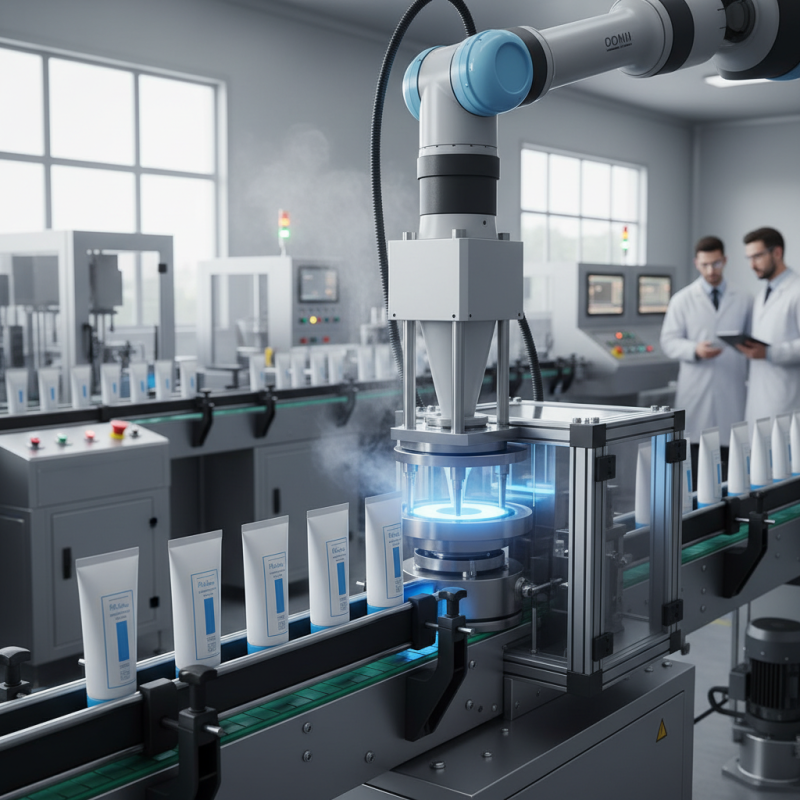
Understanding the Importance of Plastic Tube Sealing Machines
When it comes to manufacturing, choosing a reliable Plastic Tube Sealing Machine is crucial. These machines ensure product integrity, maintain freshness, and enhance branding. They play a pivotal role in industries like cosmetics, pharmaceuticals, and food. A well-sealed tube prevents contamination and leaks, safeguarding both product and consumer health.
Understanding the technical specifications is important. Look for machines with adjustable sealing temperatures. This flexibility allows you to work with different materials and wall thicknesses. The right machine should also offer speed and efficiency. A faster sealing process can boost production, but ensure quality is not compromised.
Here are some tips to consider. Evaluate the ease of maintenance. A complex machine might lead to downtime and increased costs. Ensure it has a user-friendly interface for your team. Training can be a challenge. Proper training can minimize mistakes and enhance productivity. Review warranty and service options. Choosing a machine with solid support can save headaches later. Investing time in these details can elevate your production line.
Top Tips for Choosing a Plastic Tube Sealing Machine
This chart illustrates the key factors to consider when selecting a plastic tube sealing machine based on importance ratings. The ratings are derived from industry research and surveys conducted among packaging professionals.
Key Features to Look for in a Sealing Machine
When selecting a plastic tube sealing machine, understanding key features is crucial. Reliability stands out among these attributes. A sealing machine must operate consistently to ensure product integrity. Look for machines known for their sturdy construction and minimal downtime. Quality builds impact performance significantly. Inconsistent seals can lead to product leaks or spoilage, so do your research.
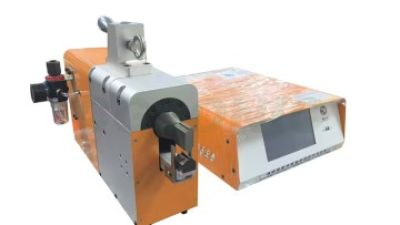
Versatility is another important aspect to consider. An Ultrasonic Plastic Tube Sealing Machine may provide various sealing options for different tube types. Make sure the machine can handle diverse materials. This flexibility can be essential for businesses that produce multiple products. Pay attention to user-friendly controls. Complexity can slow down production. Clear interfaces and easy adjustments are important.
Efficiency shouldn't be overlooked. Machines that cycle quickly can boost productivity. However, faster isn’t always better if it compromises seal quality. Test various models to find the right balance for your production needs. Lastly, consider after-sales support. Reliable service can be critical for maintenance. A great sealing machine is only as good as the support behind it. Always reflect on your choices and remain adaptable to changes in your production process.
Types of Plastic Tube Sealing Machines Available
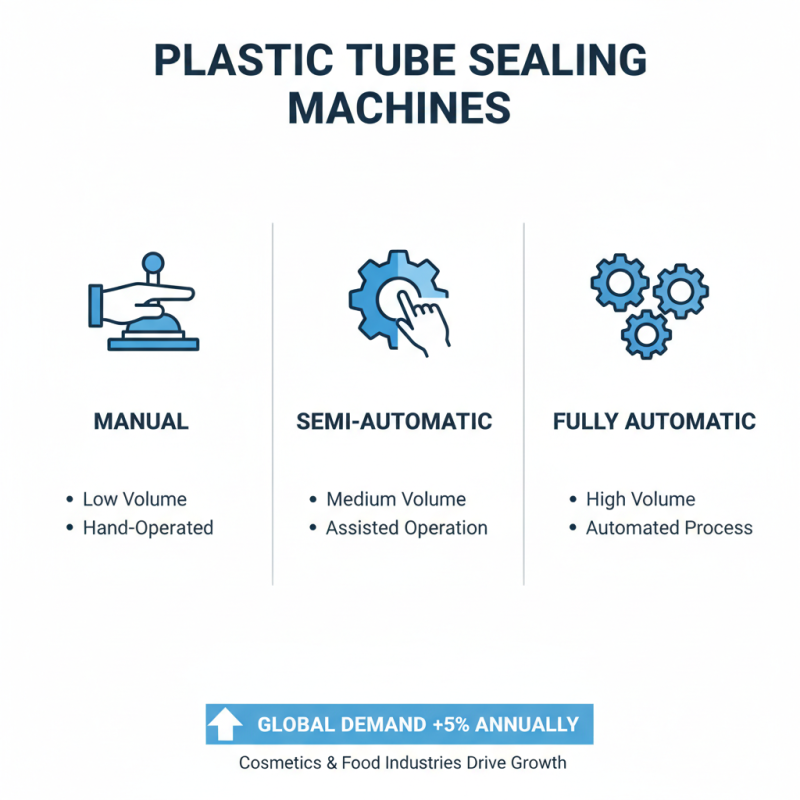
When selecting a plastic tube sealing machine, it's vital to understand the types available in the market. The main categories include manual, semi-automatic, and fully automatic machines. Each type serves different production needs and capacities. According to industry reports, the global demand for tube sealing machines is projected to grow by 5% annually, driven mainly by the cosmetics and food industries.
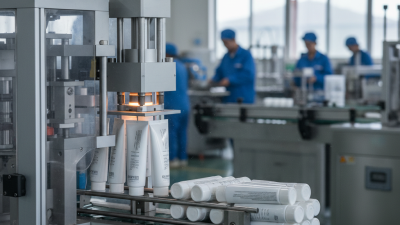
Manual machines are cost-effective for small-scale operations but may slow down the production pace. Semi-automatic machines can increase efficiency and reduce labor costs while remaining accessible for mid-sized businesses. Fully automatic machines offer high versatility and speed, making them ideal for large-scale production lines, especially for Cosmetics Tube Sealing Machines.
**Tips:** Assess your production volume before deciding. Understand the materials and sealing temperatures as they can vary significantly. Additionally, consider maintenance and technical support options when selecting a machine to ensure long-term reliability. Keeping an eye on these factors can help avoid operational hiccups and costly downtime.
Evaluating Production Capacity and Speed Requirements
When selecting a plastic tube sealing machine, evaluating production capacity and speed is vital. Companies often use limits of 30–60 tubes per minute as a benchmark for efficient production. Understanding the requirements of your specific application is essential. For instance, high-speed production lines require machines that can sustain 60 tubes per minute or more. This speed can significantly enhance output but might necessitate additional investments in technology and training.
Additionally, consider the volume of production needed. Industry standards show that around 75% of businesses report their production volumes have increased in the past five years. This trend indicates a clear need for machines that can not only meet current demands but also scale with future growth. An analyst report by IBISWorld shows a 5% annual increase in the packaging machinery market, highlighting the importance of having flexible and efficient equipment.
Experience and expertise are key when choosing a machine. It's vital to review actual performance metrics rather than relying on advertised speeds. Reports suggest that many companies find their machines underperform during real-world conditions due to setup errors or inadequate training. Understanding industry benchmarks and aligning them with your business needs may help avoid such pitfalls. Balancing speed and production capacity can be challenging, but informed decisions will lead to a more resilient operation.
Assessing Compatibility with Different Tube Materials
When selecting a plastic tube sealing machine, compatibility with tube materials is crucial. Different materials, such as polyethylene, polypropylene, and laminated tubes, react differently during the sealing process. It's vital to assess how your chosen machine handles these variations. Some machines may excel with specific materials but struggle with others. This can lead to poor seals or damaged products.
An Ultrasonic Tube Sealing Machine offers unique benefits. It uses high-frequency vibrations to create a seal. This can be beneficial for sensitive materials that may be affected by heat. However, understanding the characteristics of each material is essential. Not all tubes will perform well under ultrasonic sealing. A thorough testing phase can reveal the limitations of the machine in practice.
It's worth noting that the sealing environment impacts performance too. Contaminants can lead to failed seals, impacting product integrity. Moreover, consulting professionals about the sealing process can reveal nuances often overlooked. Flexibility in adapting to different materials may require more than just the right machine; it demands expertise and vigilance.
Budget Considerations and Cost-Effectiveness
When selecting a plastic tube sealing machine, budget considerations play a crucial role. A well-defined budget helps narrow down choices. High-priced machines often boast advanced features. However, it's essential to evaluate if those features align with your production needs. Sometimes, a moderately priced option like a Manual Aluminum Tube Sealing Machine can provide sufficient functionality without overspending.
Cost-effectiveness is more than just the purchase price. Consider ongoing expenses such as maintenance and repairs. Some machines require specialized parts that can add to long-term costs. Evaluate how easily a machine can be serviced. This can influence your overall spending. Additionally, choosing a machine that uses energy efficiently can reduce costs over time.
The balance between quality and budget can be tricky. Investing too little may lead to frequent breakdowns, causing delays. Conversely, overspending might not guarantee higher quality. Seek advice from industry professionals to make informed decisions. Real-life testimonials can provide insight into cost-effectiveness. Compare different machines and consider their performance under varying conditions. Ultimately, a well-rounded understanding of your budget will guide you toward the best machine for your needs.
Top Tips for Choosing a Plastic Tube Sealing Machine
| Feature | Importance Level (1-5) | Estimated Cost Range | Notes |
| Machine Speed | 4 | $5,000 - $15,000 | Higher speed can increase production efficiency. |
| Sealing Technology | 5 | $7,000 - $20,000 | Invest in advanced sealing methods for better quality. |
| Ease of Use | 3 | $4,000 - $12,000 | User-friendly machines reduce training time for operators. |
| Maintenance Requirements | 4 | $3,000 - $10,000 | Choose machines that are easy to maintain for lower long-term costs. |
| Size and Footprint | 3 | $2,500 - $8,000 | Consider available space before purchasing. |
Supplier Reputation and After-Sales Support
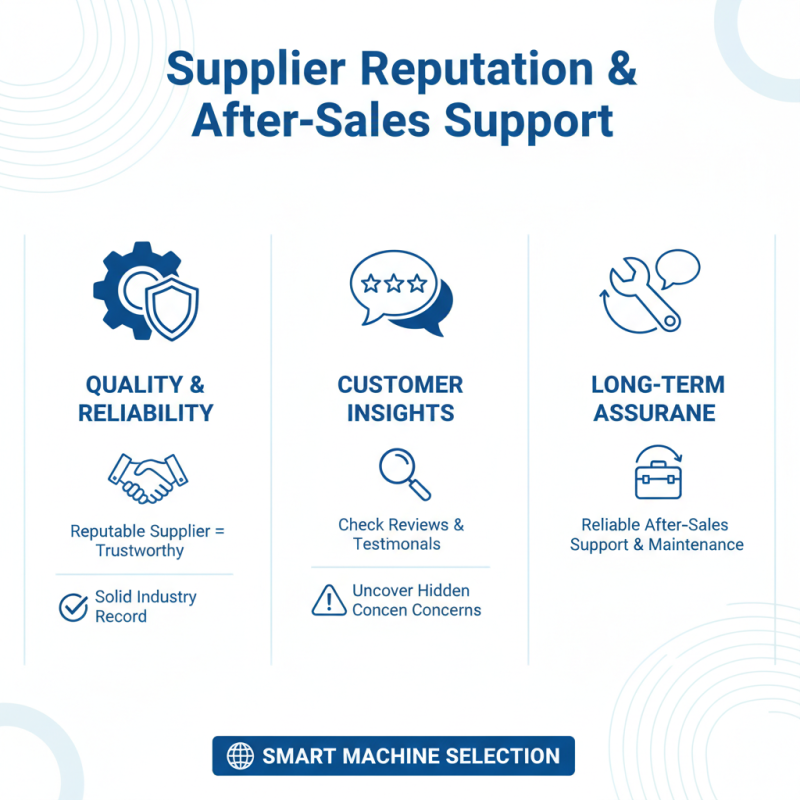
When selecting a plastic tube sealing machine, supplier reputation plays a crucial role. A reputable supplier is indicative of quality and reliability. Check customer reviews and testimonials. This feedback gives insights into the supplier's reliability. Sometimes, reviews can highlight concerns that may not be immediately apparent. Always ensure they have a solid record in the industry.
After-sales support is just as critical. Reliable support ensures that any issues with the sealing machine are addressed promptly. Look for suppliers who offer comprehensive support services. This includes installation assistance and training on machine operation. It may not always be clear if support is sufficient. Engaging with previous clients can provide a clearer picture. A lack of proper support can lead to significant downtime in your operations.
Here are some tips: Examine the warranty offered. A robust warranty indicates the manufacturer’s confidence in their product. Consider visiting the supplier to see their operations firsthand. Understanding their process can provide an invaluable perspective on their capabilities. Make sure to clarify the response time for service requests. Slow responses can hinder production and lead to frustrations. A thoughtful approach to selecting your supplier will make a difference in the long run.
Exploring the Efficiency of Ultrasonic Welding Machines: A Data-Driven Analysis of Copper Wire Welding and Cutting Applications
Ultrasonic welding machines are revolutionizing the manufacturing industry, particularly in applications involving copper wire welding and cutting. These advanced machines offer an impressive sealing speed, allowing bending-sealing-cutting operations to be completed in as little as one second. According to a recent industry report, the implementation of these machines has led to an increase in production efficiency by up to 50%, significantly enhancing throughput without compromising quality. The ability to perform rapid operations not only reduces cycle times but also optimizes resource allocation within manufacturing processes.
In addition to efficiency gains, ultrasonic welding machines deliver reliable quality that meets and often exceeds modern production standards. With their high sealing strength, these machines ensure that welded joints are tight and firm, minimizing the risk of air or liquid leaks. Industry studies indicate that the reliability of ultrasonic welding results in a reduction of product defects by approximately 30%. This high level of process control is crucial for manufacturers looking to maintain competitive advantages in increasingly demanding markets.
Another compelling benefit of ultrasonic welding technologies is their alignment with environmental protection and energy-saving initiatives. These machines do not require additional welding materials, thereby avoiding contamination and ensuring a clean welding process. Moreover, they consume significantly less energy compared to traditional welding methods, reflecting the growing trend towards sustainable manufacturing practices. Reports highlight that adopting ultrasonic welding can lead to energy savings of up to 20%, contributing to both cost efficiency and a reduced environmental footprint. As the industry continues to prioritize innovation, the efficiency and sustainability of ultrasonic welding machines will play a vital role in shaping the future of manufacturing.
FAQS
: There are manual, semi-automatic, and fully automatic machines. Each type fits different production needs.
Manual machines are cost-effective and suitable for small-scale operations. However, they may slow down production.
Semi-automatic machines increase efficiency and reduce labor costs. They are accessible for mid-sized businesses.
Fully automatic machines offer speed and versatility, which are crucial for large-scale production lines.
Different materials react differently during sealing. Machines may excel with some materials but struggle with others.
It uses high-frequency vibrations for sealing, ideal for sensitive materials that can't handle heat.
Contaminants in the sealing environment can cause failed seals. This affects the integrity of the products.
A thorough testing phase reveals the limitations of a machine with different materials, ensuring better operation.
Maintenance, technical support, and understanding sealing temperatures are essential for long-term reliability.
Operators often overlook the need for expertise in handling different materials, which is vital for effective sealing.
Conclusion
When selecting a Plastic Tube Sealing Machine, it's crucial to understand its significance in ensuring product integrity and extending shelf life. Essential features to consider include sealing speed, precision, and adaptability to various tube materials. Different types of machines cater to diverse production needs, so evaluating your production capacity and speed requirements is critical.
Additionally, compatibility with different tube materials should not be overlooked, as this affects the machine's versatility. Budget considerations and overall cost-effectiveness are vital for making an informed decision. Lastly, the reputation of the supplier and the quality of after-sales support can significantly impact the long-term satisfaction with the machine. By weighing these factors carefully, you can choose a Plastic Tube Sealing Machine that best meets your operational needs.


 1Durch die gruppenweite Einführung und Harmonisierung unseres integrierten Managementsystems (IMS) werden alle bestehenden Unternehmens-, Qualitäts-, Umwelt- und Energiepolitiken durch diese Unternehmenspolitik ersetzt. Der Slogan „Textil hat Zukunft – auch in De