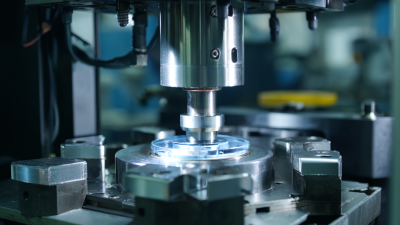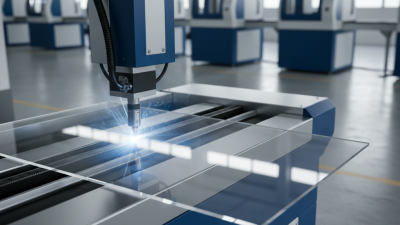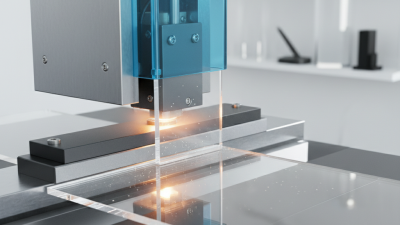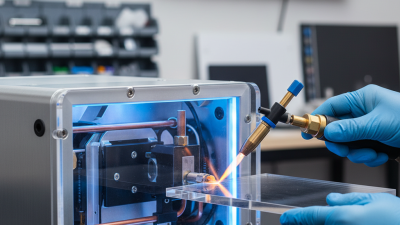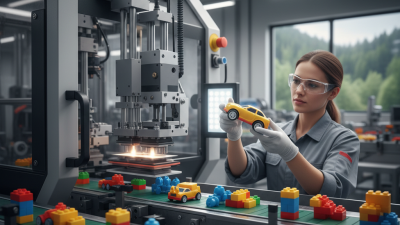



In today’s competitive manufacturing world, picking the right equipment really matters. Take the Acrylic Welding Machine, for example — it’s becoming a go-to choice for lots of different industries. And get this: a recent report from MarketsandMarkets says the global market for acrylic materials might hit $20 billion by 2025. That just shows how much companies are looking for better, more efficient welding solutions.
A lot of folks don’t realize how much quality welding impacts the durability of their products. Honestly, many manufacturers still struggle with old-school methods that just don’t produce super strong bonds. That’s where the Acrylic Welding Machine really shines — it’s got the latest tech for precision and dependability. In fact, data from The Fabricator shows that companies using acrylic welding systems see about a 30% drop in production errors, which is a pretty big deal.
Now, I get it — investing in one of these machines might seem a bit overwhelming at first, but in the long run, it’s totally worth it. When making the decision, it’s smart to think about what your operations really need and how this kind of tech could boost your efficiency. Plus, this specialized equipment can seriously improve your product quality and keep your customers happier. All in all, it’s a great way to give your production a fresh boost and stay ahead in the game.
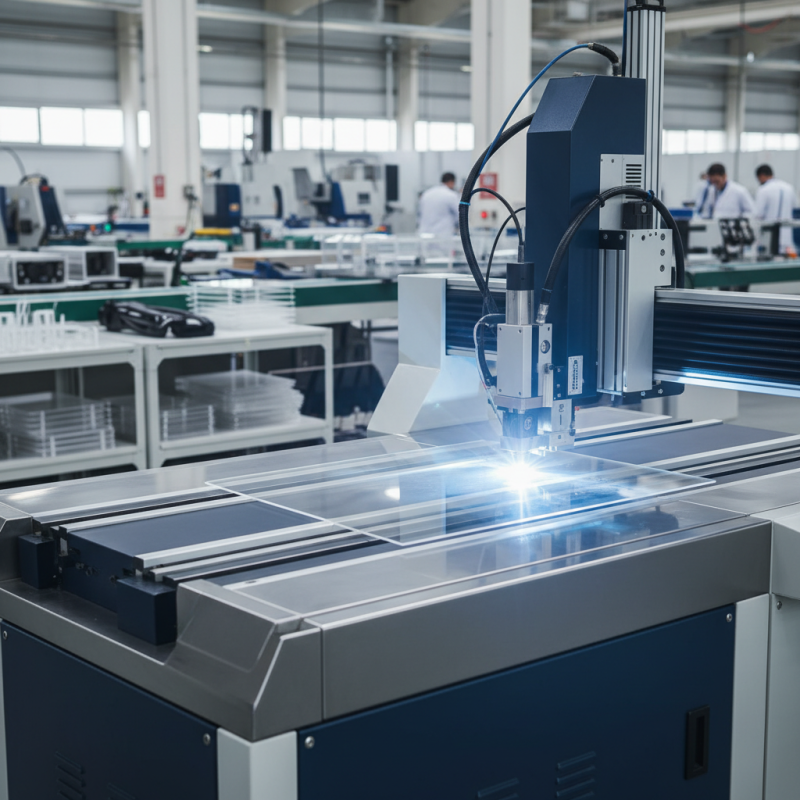
Acrylic welding machines are gaining popularity in manufacturing. They provide unique advantages that can enhance production efficiency. These machines specialize in bonding acrylic materials. Their precision ensures strong and durable joints, which is essential for products like display cases and signage.
One notable benefit is the ability to create clear seams. This transparency can improve the aesthetic of the final product. Companies often use less material due to the effective welding technique. However, operators must have proper training. Sometimes, misalignment can occur, leading to weak joints. Regular practice can help mitigate this issue.
Maintenance is another crucial aspect. While acrylic welding machines generally have a good lifespan, neglecting care can impact performance. Operators should inspect the equipment regularly. This attention to detail can prevent larger problems and ensure consistent results. Adopting best practices is necessary for maximizing the advantages of these machines.
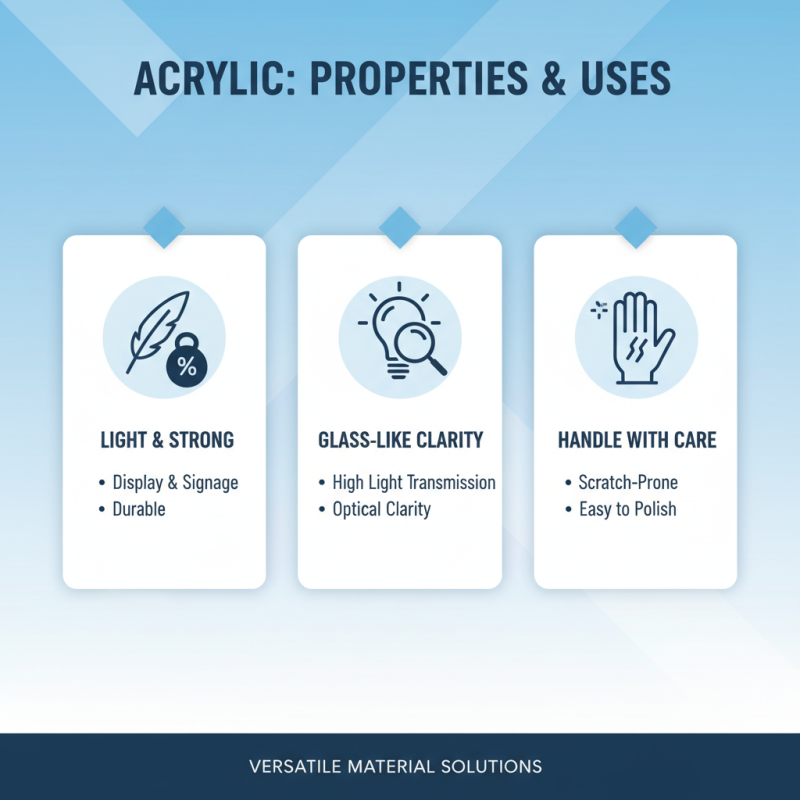
Acrylic materials have unique properties that make them ideal for various applications. They are lightweight yet sturdy, perfect for making displays and signage. Their clarity is similar to glass, enabling excellent light transmission. However, they are more prone to scratching than other materials, so proper handling is essential.
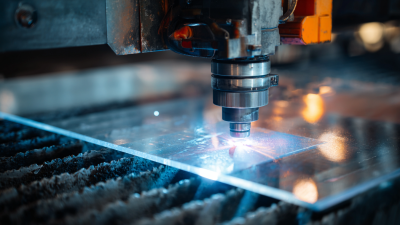
When considering Acrylic Welding, understanding the material's behavior during the process is crucial. Acrylic tends to melt and fuse rather than burn. This melting point offers a precise control method, allowing cleaner and stronger joints. However, overheating can lead to unsightly bubbles. These imperfections can compromise the aesthetics of the final product.
Acrylic's versatility means it can be used in diverse fields, from architecture to retail. Yet, achieving high-quality results requires skill and practice. Mistakes, such as misalignment during fitting, can lead to costly rework. Regular reflection on these aspects can improve one's technique over time. Each project can teach valuable lessons in the art of Acrylic Welding.
The acrylic fabrication market is evolving rapidly. Data from industry reports indicates a projected growth rate of 5.1% CAGR through 2025. This growth is driven by increasing demand across sectors such as signage, displays, and furniture. Acrylic's versatility makes it a popular choice for various applications.
Welding technology has also advanced significantly. Studies reveal that automated acrylic welding techniques improve efficiency and reduce waste. Companies investing in modern acrylic welding machines benefit from enhanced precision. A recent survey highlighted that 70% of manufacturers reported reduced production times when using newer technologies.
However, despite these advancements, challenges remain. Some businesses struggle with operator training on new welding machines. A significant 30% of operators cited difficulties in mastering automated systems. Ensuring staff are well-trained is essential. Without this, the benefits of new technologies may not be fully realized. Embracing continuous education can help mitigate these issues.
When considering the cost analysis of acrylic welding, it’s essential to compare it with traditional methods. Acrylic welding machines, while initially more expensive, offer significant long-term savings. According to industry reports, businesses that switch to acrylic welding experience up to a 30% reduction in labor costs. Traditional methods often require more time and manual effort, driving up overall production expenses.
The efficiency of acrylic welding is notable. It can reduce assembly time by 50%. This increase in speed translates to quicker turnaround times for projects. Additionally, acrylic welding reduces material waste, which is a critical factor. Studies indicate that businesses utilizing modern welding techniques report a 20% decrease in waste materials compared to those using traditional bonding methods.
However, the learning curve with new technologies can be steep, leading to initial errors. Staff training is crucial to realize the potential savings. Mistakes in this early stage can increase costs, but with proper training, errors decrease significantly. Therefore, companies should weigh these initial challenges against the substantial cost benefits in the long run.
When considering an acrylic welding machine, focus on key features that enhance functionality. A reliable model should have adjustable temperature control. This allows you to customize the heat based on material thickness. Inadequate temperature can lead to weak joints. Precision matters in welding; an accurate machine helps avoid common errors.
Another essential feature is the ease of use. A user-friendly interface saves time and minimizes mistakes. Look for machines with clear displays and intuitive controls. Complexity can hinder your workflow. Additionally, consider the portability of the machine. A lightweight design facilitates easy transportation. This flexibility can prove crucial for projects on the go.
Lastly, ensure that the machine offers safety features. Protecting operators from accidental burns or shocks is vital. High-quality acrylic welding techniques depend on safety as much as efficiency. Investing in a Professional Welding Machine not only boosts productivity but also fosters a safer work environment. Balancing these features will lead to more successful welding outcomes.
Acrylic welding machines have become essential in various industries. They excel in applications where precise joining is critical. Acrylic is widely used in signage, display cases, and furniture. According to a 2022 report by the Plastic Industry Association, the demand for acrylic products is growing at a rate of 4% annually. This trend drives the need for reliable welding technology.
In addition to signage, acrylic welding machines are vital in the automotive and medical sectors. They enable strong, clear seams in applications such as dashboards and protective barriers. The effectiveness of these machines leads to improved productivity and reduced waste. However, not all operators are trained adequately, leading to inconsistent results. Training programs are essential for optimizing this equipment's capabilities.
While acrylic welding is beneficial, challenges remain. The welder must maintain optimal temperature settings. A mismatch can lead to weak joints. Additionally, proper selection of welding rods is crucial. Businesses often overlook these details, affecting overall quality. By addressing these issues, industries can enhance their use of acrylic welding machines, ensuring reliable outputs and satisfied customers. The versatility of these machines may even replace traditional methods like the Polyethylene Welding Machine in specific contexts.
The chart below illustrates the various industry applications where acrylic welding machines excel. Data shows the percentage of usage in different sectors, highlighting the versatility of acrylic welding technology.
Acrylic welding has transformed many businesses by enhancing both efficiency and product quality. One notable case involves a small custom sign company. They adopted an acrylic welding process and optimally utilized a Portable Hand Welding Machine. This equipment allowed them to create intricate designs faster than traditional methods. The owner noted a 40% increase in productivity within just a few months.
Another success story comes from a furniture manufacturer. After integrating acrylic welding into their production line, they experienced a significant reduction in material waste. They invested in training employees on using the Portable Hand Welding Machine effectively. This decision paid off as they produced more durable and visually appealing products. However, they also faced challenges in adjusting to new techniques. Mistakes were made during the initial phases, but they learned from each one.
In the arts and crafts sector, a small business saw incredible customer satisfaction by adopting acrylic welding. They used a Portable Hand Welding Machine to create various decorative items. The feedback was overwhelmingly positive, but they realized that not all designs were feasible. Some projects failed to meet expectations, prompting a reevaluation of their creative process. Learning from these experiences proved essential for their growth.
| Industry | Business Size | Acrylic Welding Machine Model | Production Increase (%) | Cost Savings ($) | Customer Satisfaction Rate (%) |
|---|---|---|---|---|---|
| Retail Displays | Small | Model A | 30 | 5000 | 85 |
| Signage | Medium | Model B | 45 | 15000 | 90 |
| Architecture | Large | Model C | 60 | 30000 | 95 |
| Custom Fabrication | Small | Model D | 50 | 8000 | 88 |
| Lighting Design | Medium | Model E | 55 | 20000 | 92 |
: Acrylic welding machines are crucial in signage, automotive, and medical industries. They ensure precise joins and clear seams.
The demand for acrylic products has grown by 4% annually, highlighting the need for advanced welding technology.
Operators often lack proper training, leading to inconsistent results. This affects quality and efficiency in production.
Maintaining optimal temperature settings is vital. A mismatch can result in weak joints and compromised quality.
Effective training enhances the abilities of operators, improving the overall outcome and productivity of acrylic welding.
They experienced a 40% productivity increase after adopting acrylic welding methods, benefiting from faster design creation.
The manufacturer faced difficulties adapting to new techniques initially. Mistakes were common but led to valuable learning experiences.
They boosted customer satisfaction using acrylic welding for decorative items but faced feasibility issues in some designs.
Focus on proper training and attention to detail in welding materials and techniques for better quality results.
Evaluate the feasibility of designs and ensure operators are well-trained to avoid mistakes during the initial implementation.
The article "Why Choose an Acrylic Welding Machine for Your Business Needs?" explores the numerous advantages of utilizing acrylic welding machines in manufacturing processes. It highlights the unique properties of acrylic materials, such as their clarity, strength, and lightweight nature, making them a preferred choice across various industries. As market trends shift towards efficient and sustainable fabrication methods, the cost analysis demonstrates that acrylic welding is often more economical than traditional welding techniques.
Additionally, the article outlines the essential features to consider when selecting an acrylic welding machine, such as precision, speed, and ease of use. It also discusses various industry applications where these machines excel, including signage, displays, and creative projects. Through case studies of successful adoption, the article emphasizes the benefits of incorporating acrylic welding machines into business strategies, showcasing how they can enhance productivity and quality in production workflows.