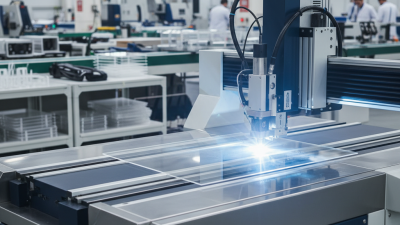


An Acrylic Welding Machine is pretty much a must-have for lots of industries that deal with acrylic stuff. Basically, it uses heat and pressure to join pieces of acrylic smoothly — no fuss, just a solid, clear bond. Whether you're into crafts or industrial manufacturing, this tool plays a key role. Getting the hang of how it works can really help you work faster and get better-quality results.
So, the process usually starts with prepping the acrylic sheets. You want to line up the edges just right, and sometimes, they’re heated to a specific temp before joining. The machine then applies pressure to weld them together. The cool part? It creates a really strong, transparent joint that keeps the product looking sleek and professional.
Picking the right Acrylic Welding Machine can feel a bit overwhelming — there's a bunch of models out there with different specs. When you’re shopping, think about stuff like power, how the machine’s designed, and how easy it is to use. Taking these factors into account will help make sure you choose a machine that fits your needs now and keeps working well down the road.
Acrylic Welding is a specialized process used to join acrylic materials. It's not just about sticking two pieces together; it's about creating a strong, seamless bond. This technique uses heat or solvents to melt the edges of the acrylic, allowing them to fuse together when cooled. The result is a sturdy, durable joint that can withstand various conditions. It’s important to master this technique, as not all methods yield the same quality of results.
When working with acrylic, consider the thickness of your material. Thicker pieces may require more heat or a different approach. Each project brings unique challenges that can affect the final outcome. Always test your method on a scrap piece first. This can save you time and material in the long run.
Tips: Make sure your workspace is clean. Dust and debris can mar the finish. Additionally, ensure you have proper ventilation when using solvents. Breathing in fumes can be harmful. It's wise to educate yourself on the specifics of acrylic welding before starting any project. Understanding the properties of the material and the welding process is crucial for successful results.
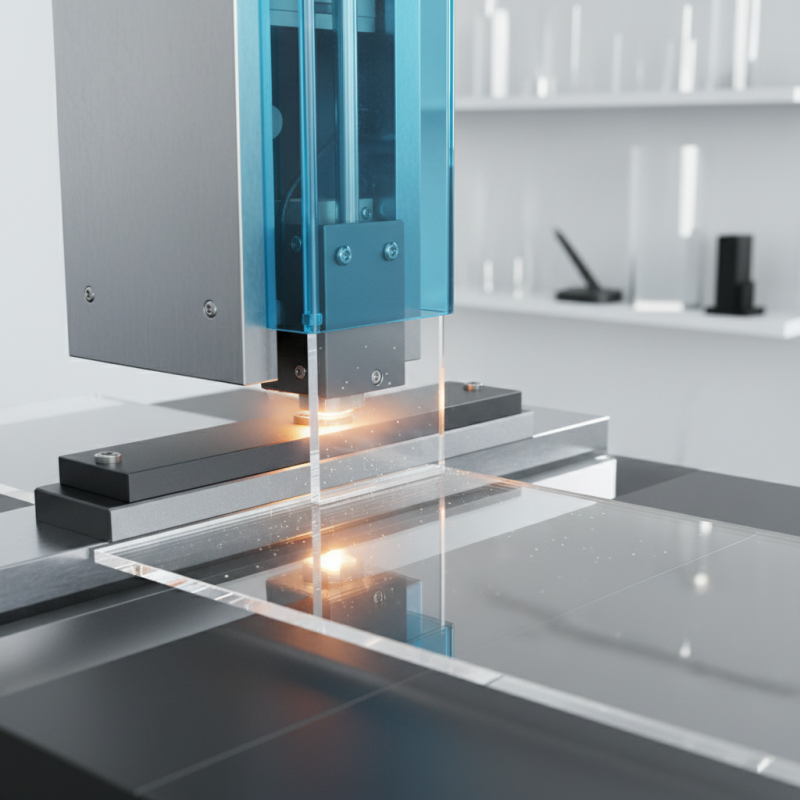
Acrylic welding machines are specialized tools designed for joining acrylic materials. These machines use a process of melting the edges of acrylic parts, allowing them to bond together as they cool. This technique produces strong, clear joints that maintain the aesthetic qualities of the acrylic.
The operation of an acrylic welding machine requires careful attention to temperature and timing. If the temperature is too high, it can cause burning or warping. On the other hand, insufficient heat may lead to weak bonds. Users must have hands-on experience and an understanding of the materials involved to achieve optimal results. Precision is key in this process, much like in operating a Sewing Machine; minor errors can affect the final product's quality.
While many find success with acrylic welding, it's not without challenges. Inexperienced operators might struggle with achieving the right temperature balance. Proper training and practice are essential to avoid common pitfalls. Each project offers an opportunity for growth and learning. The outcomes can vary, encouraging users to refine their techniques continuously.
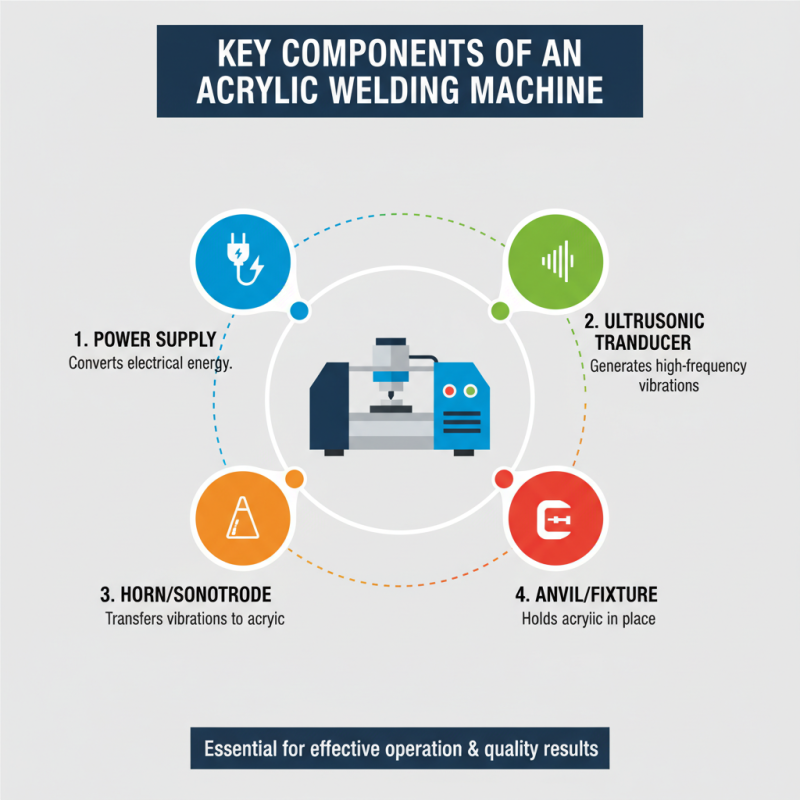
An acrylic welding machine is a specialized tool used for bonding acrylic materials. Understanding its key components is essential for effective operation and quality results.
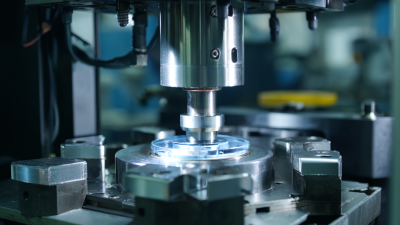
One of the most crucial parts is the heating element. This component generates the necessary heat to melt the acrylic surfaces. The temperature must be precise; too high can cause distortion, while too low may result in weak bonds. The adjustment of this element can often feel tricky, and the user must learn through experience to find the right balance.
Another important component is the nozzle. This directs the flow of the welding material. A well-structured nozzle contributes to a smoother application, while a poorly designed one can lead to uneven welds. Additionally, using the right materials is vital. Subpar acrylic can jeopardize the integrity of the weld. It’s important to test different types to see which performs best. For any Professional Welding Machine, consistency in both technique and materials is key for achieving strong, lasting results.
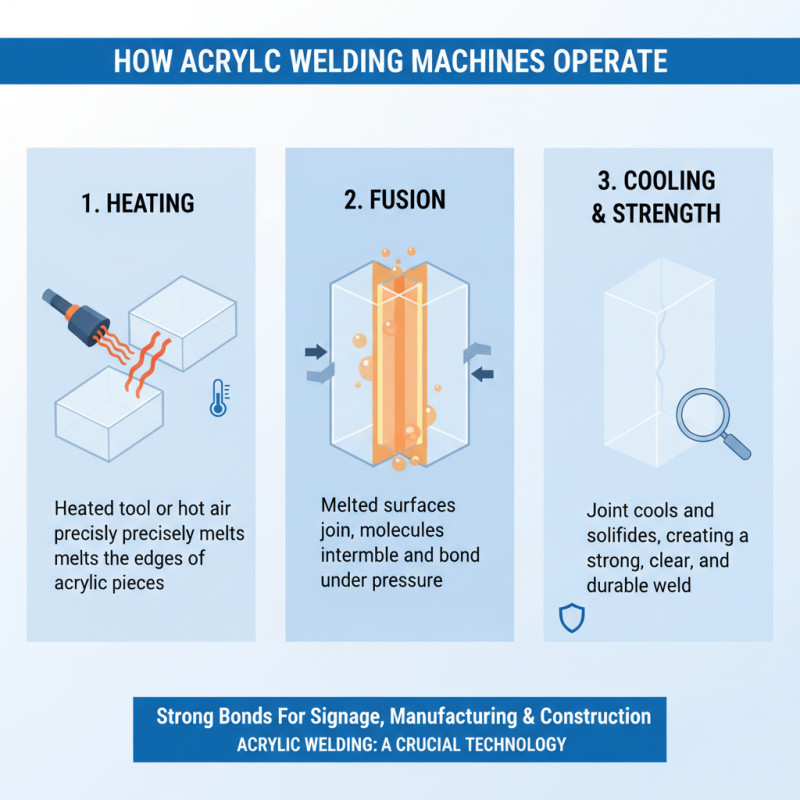
Acrylic welding machines are specialized tools that create strong bonds between acrylic materials. They are crucial in various industries, including signage, manufacturing, and construction. Understanding how these machines operate can enhance their effective use. Typically, acrylic welding involves using heat to join acrylic pieces. The process begins with heating the edges of the acrylic parts. Once they reach the optimal temperature, the materials flow and fuse together.
Industry reports indicate that the demand for acrylic products has increased by 15% annually. This growth impacts the need for efficient welding solutions. Acrylic welding machines often operate using various techniques, including solvent welding and extrusion. Each method offers distinct advantages, such as speed or strength.
When comparing acrylic to other welding processes, like those used for a Polyethylene Welding Machine, some challenges arise. While acrylic welding can produce clear joints, ensuring that no visible flaws remain is vital for aesthetic purposes. Operators must closely monitor temperature and pressure to avoid compromising the integrity of the bond. This level of precision requires experience and attention to detail. Mistakes can lead to unsatisfactory results, emphasizing the need for skilled technicians in this field.
Acrylic welding involves several techniques, each with its own unique characteristics. One common method is solvent welding. This technique uses a chemical solvent to bond acrylic pieces. The solvent softens the acrylic edges, allowing them to fuse together when pressed. It's crucial to apply the solvent evenly, as uneven application can lead to weak spots.
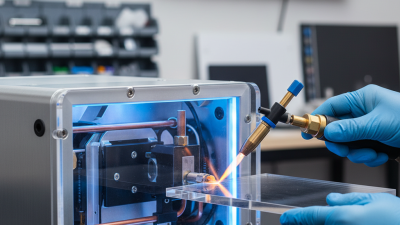
Another popular method is hot air welding. This technique utilizes a heated airflow to melt the edges of acrylic. A specialized welding rod can be used for added strength. Proper temperature control is key; too hot can damage the material, while too cool may not fuse effectively. This method often requires practice to master.
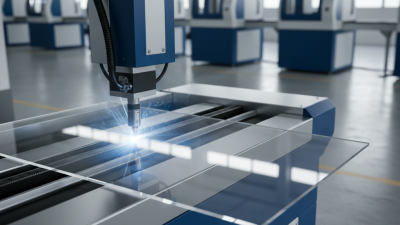
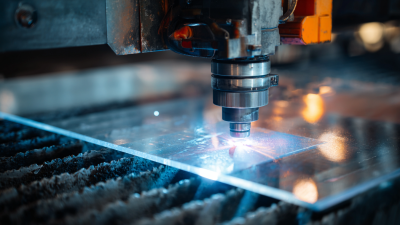
Most welders prefer laser welding for its precision. It uses focused laser beams to melt the acrylic, resulting in a clean, strong joint. However, it requires a suitable setup and can be costly. Each technique presents challenges. Beginners may find it hard to achieve consistent results. Mastery takes time and patience, often leading to trial and error. Observing these techniques can reveal areas for improvement, highlighting the need for skill development in acrylic welding.
Acrylic welding is gaining traction in various industries for its versatility and efficiency. This technique is widely used in the signage sector, where clear and vibrant displays are crucial. Acrylic sheets are joined seamlessly to create intricate signs. Businesses appreciate the aesthetic quality and durability that welding provides.
In the aquarium industry, acrylic welding is transformative. Aquariums made from welded acrylic are lighter and clearer than glass. The process allows for larger and more complex designs. However, the skills required for precise welding are vital. A welder’s technique can make or break these delicate structures.
The automotive sector also benefits from acrylic welding. Clear acrylic is used for headlights and interior panels. The challenge lies in ensuring that welds withstand vibrations and temperature changes. Imperfections can lead to failures, causing serious setbacks. Continuous learning and adaptation are necessary to improve techniques in this area.
When using acrylic welding machines, safety is paramount. These machines can generate high heat, and improper handling may result in burns or fire hazards. Always wear protective gear, including heat-resistant gloves and goggles. The fumes produced during welding can be harmful if inhaled, necessitating proper ventilation in the workspace. A fume extraction system is advisable to ensure a safe breathing environment.
Be cautious of the surfaces you work on. Acrylic can become brittle under extreme heat, leading to unexpected breakage. Test your settings on scrap pieces before commencing your main project. It’s also wise to keep flammable materials away from the work area. Remember, safety protocols are not just guidelines; they are necessary precautions that protect you from potential accidents. Regularly inspect your equipment for wear or damage to maintain optimal safety standards.
| Feature | Description |
|---|---|
| Type | Ultrasonic Welding |
| Common Uses | Fabrication of display cases, signs, and decorative objects |
| Materials Welded | Acrylic, polycarbonate, and other thermoplastics |
| Temperature Control | Adjustable; typically between 200°C - 500°C |
| Safety Considerations | Proper ventilation, use of protective gear, and safe handling of materials |
| Power Supply | Typically requires a 220V AC source |
| Welding Speed | Varies; generally between 5 to 30 seconds per joint |
: It bonds acrylic materials together to create strong, lasting results.
It generates heat to melt acrylic surfaces. Precise temperature is crucial for effective bonding.
A well-structured nozzle ensures smooth application; a poor one can lead to uneven welds.
High-quality acrylic is essential. Subpar materials can compromise weld integrity.
It creates clear and durable displays by seamlessly joining acrylic sheets for intricate signs.
Welded acrylic aquariums are lighter and clearer, allowing for more complex designs.
Welds must endure vibrations and temperature changes; imperfections can lead to failures.
Finding the right balance in temperature settings can be tricky and takes practice.
Techniques must be refined. Adapting to new challenges improves overall quality and efficiency.
Imperfections can occur, potentially leading to structural failures or weaker bonds.
Acrylic welding is a specialized technique used to join acrylic materials using heat or solvents. An Acrylic Welding Machine plays a crucial role in this process, offering precision and efficiency in creating strong, seamless bonds between acrylic pieces. These machines typically consist of a heat source, control mechanisms, and various tools designed for different welding techniques.
Operation of Acrylic Welding Machines involves melting the edges of the acrylic parts to be joined and applying pressure to ensure a solid connection as the material cools. There are several techniques available, such as butt welding, edge welding, and solvent welding, each suitable for specific applications. Industries ranging from signage production to automotive and construction rely on acrylic welding for its versatility and strength. However, safety considerations are paramount, including proper ventilation and the use of protective gear, to ensure the well-being of operators when engaging in this intricate welding process.