


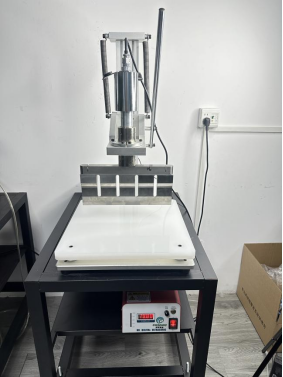
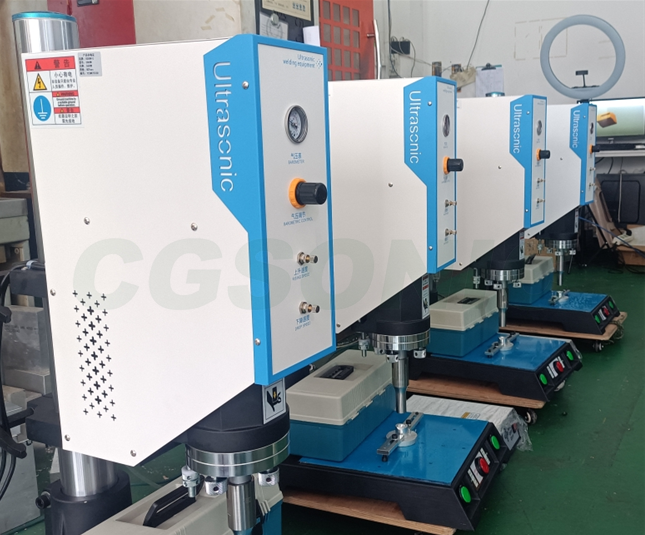
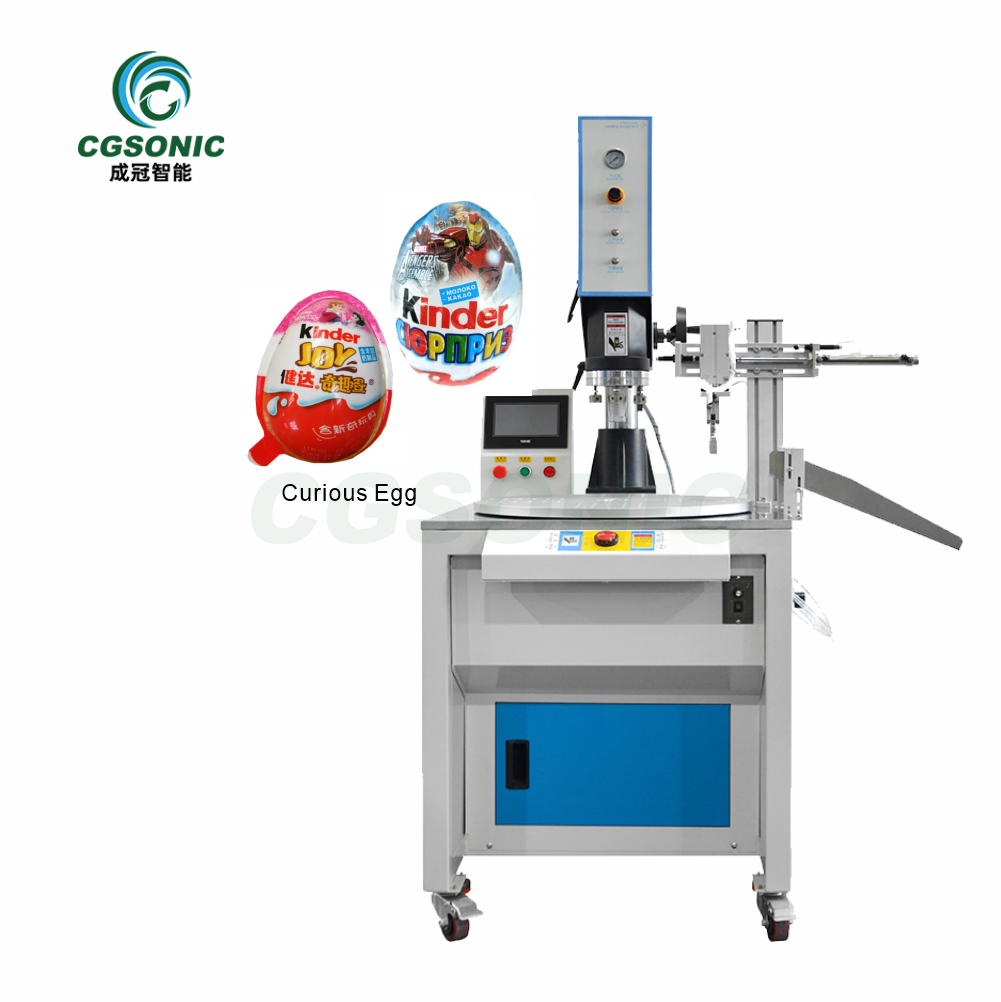
Can One Ultrasonic Welder Weld Different Products?
Can One Ultrasonic Welder Weld Different Products?
Quick Answer
Yes, If multiple products are compatible in terms of operating frequency, power capacity, vibration component configuration, tooling interfaces, and process windows, different products can be welded by simply changing the tooling.
How Ultrasonic Welding Actually Works
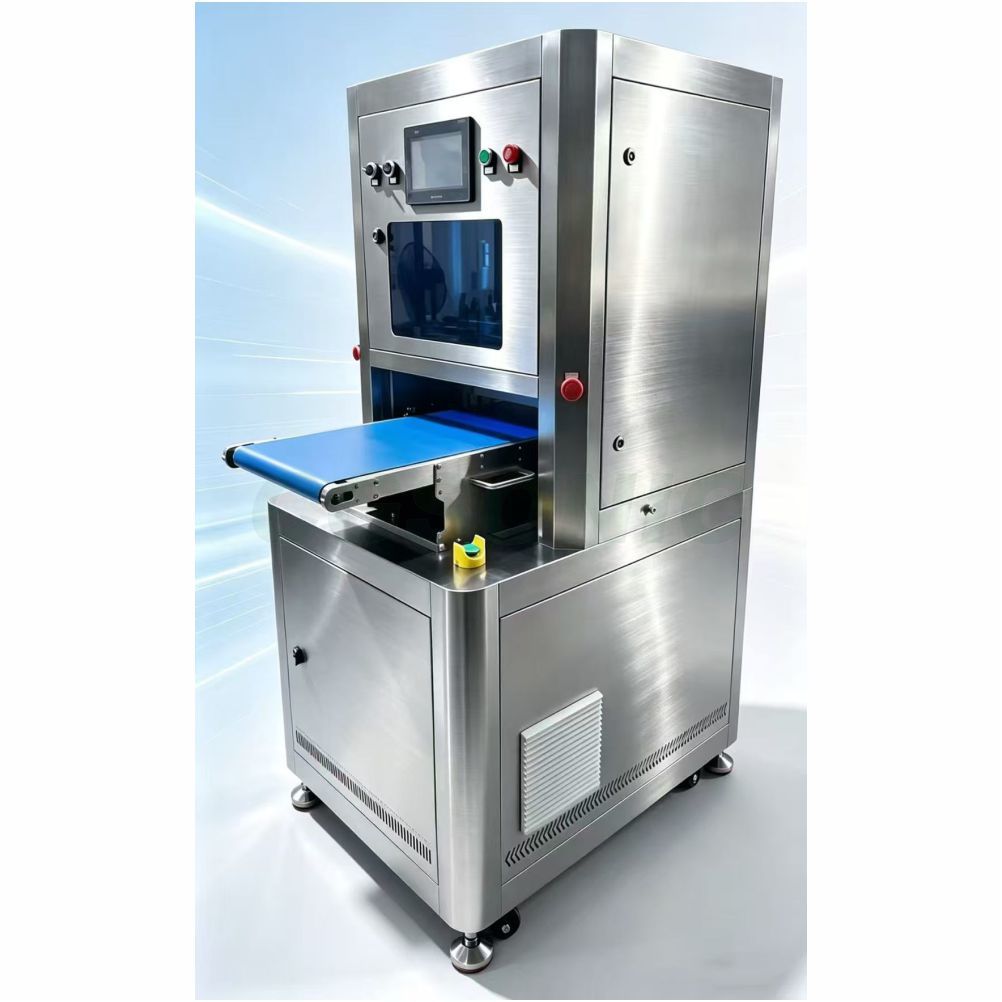
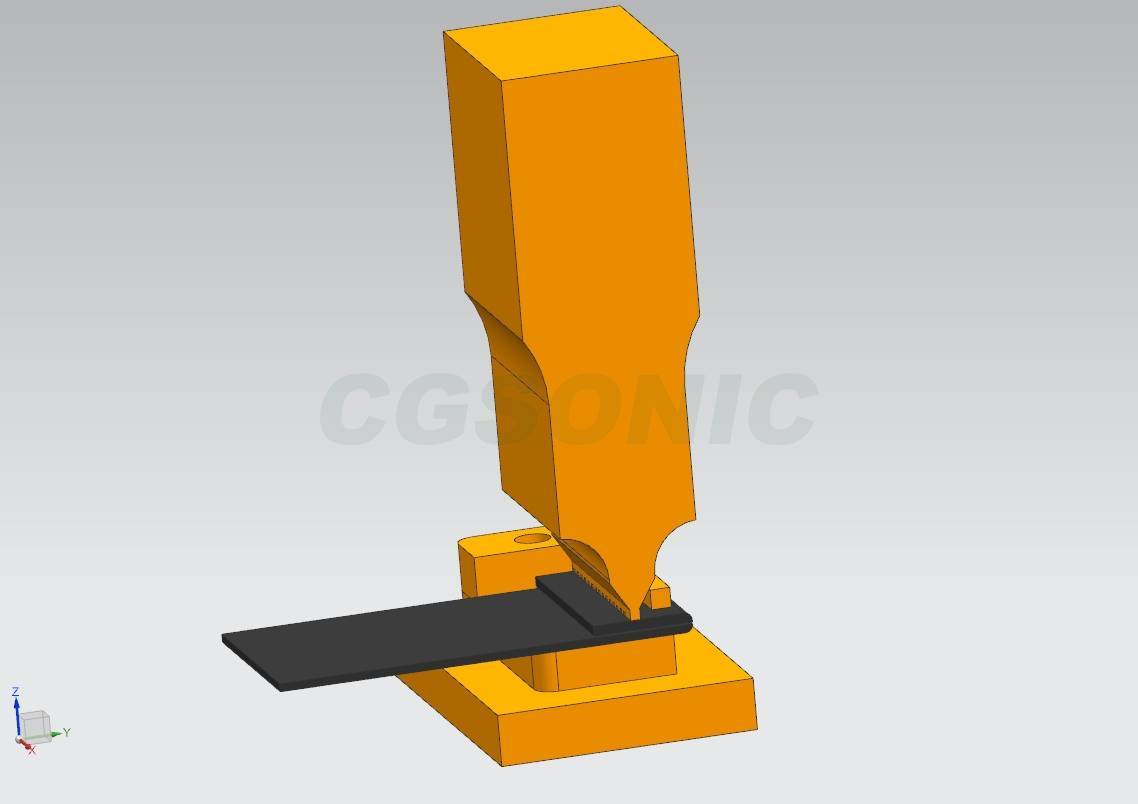
Before deciding whether a welder is "interchangeable," you need to understand what it actually does. An ultrasonic welding machine generates high-frequency mechanical vibration (typically 20 kHz, 35 kHz, or 40 kHz) through a piezoelectric converter. The vibration travels through a booster and a horn (sonotrode) into the parts you want to join. Under controlled pressure, this vibration creates friction at the joint interface, generating localized heat that melts and fuses thermoplastics, nonwovens, or certain metals.
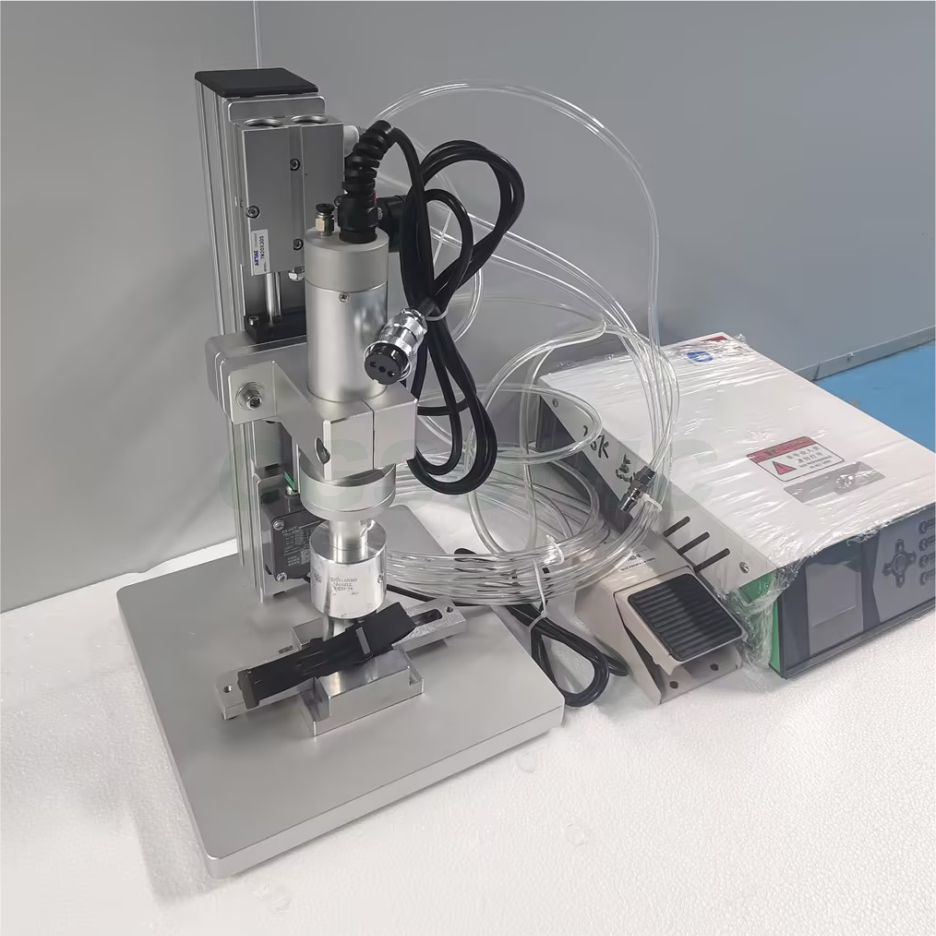
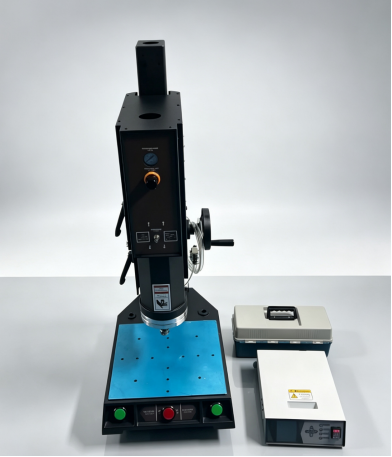
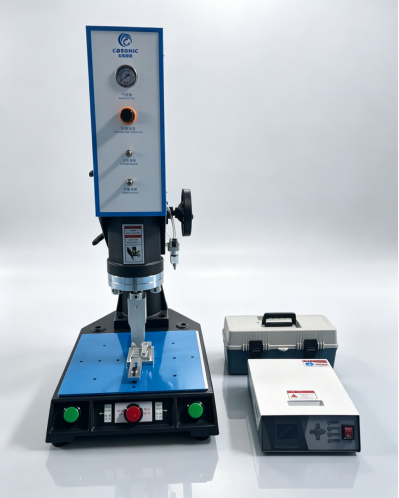
Three machine parameters are particularly important when evaluating product compatibility: frequency, power capacity and amplitude capability:
- Frequency (kHz) — how fast the horn vibrates. 20 kHz is the industry standard for large parts and stiff materials; 35–40 kHz suits smaller, more delicate components.
- Power output (W) — how much energy the welder delivers per cycle. Larger or thicker parts need more power.
- Amplitude (μm) — how far the horn moves per cycle. Higher amplitude drives faster melt but increases horn stress.
5 Key Factors That Decide Whether One Welder Can Handle Multiple Products
Material Compatibility
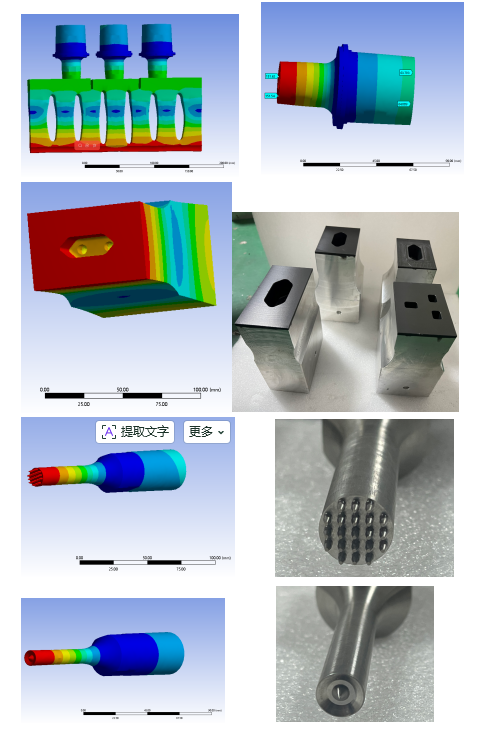
Ultrasonic welding works best with thermoplastics in the 20–35 kHz band. ABS, PC, PMMA, PP, PE, PA (nylon), and PVC all weld well; PPS, PEEK, and other high-performance polymers often need dedicated equipment. If all your products are made from the same polymer family — say, ABS + ABS or PP + PP — sharing a welder is straightforward. If one line is ABS and another is PEEK, you will likely need a second welder with different horn geometry and tuning.
Joint Geometry and Size
Weld area, joint depth, and wall thickness drive power requirements. A small medical filter (≤10 mm weld zone) and a large automotive intake manifold (>100 mm) sit at opposite ends of the power spectrum. Rule of thumb: if the smaller part needs less than 30% of the welder's rated power, the larger part still gets the energy it needs. If the gap is wider than 3×, a single machine starts to become inefficient.
Frequency Match
Frequency is not freely adjustable on most production welders. If your smaller products truly need 40 kHz (for cosmetic, low-stress joints) and your larger products need 20 kHz (for strength and penetration), one welder cannot do both jobs — period.
Horn and Booster Changeover
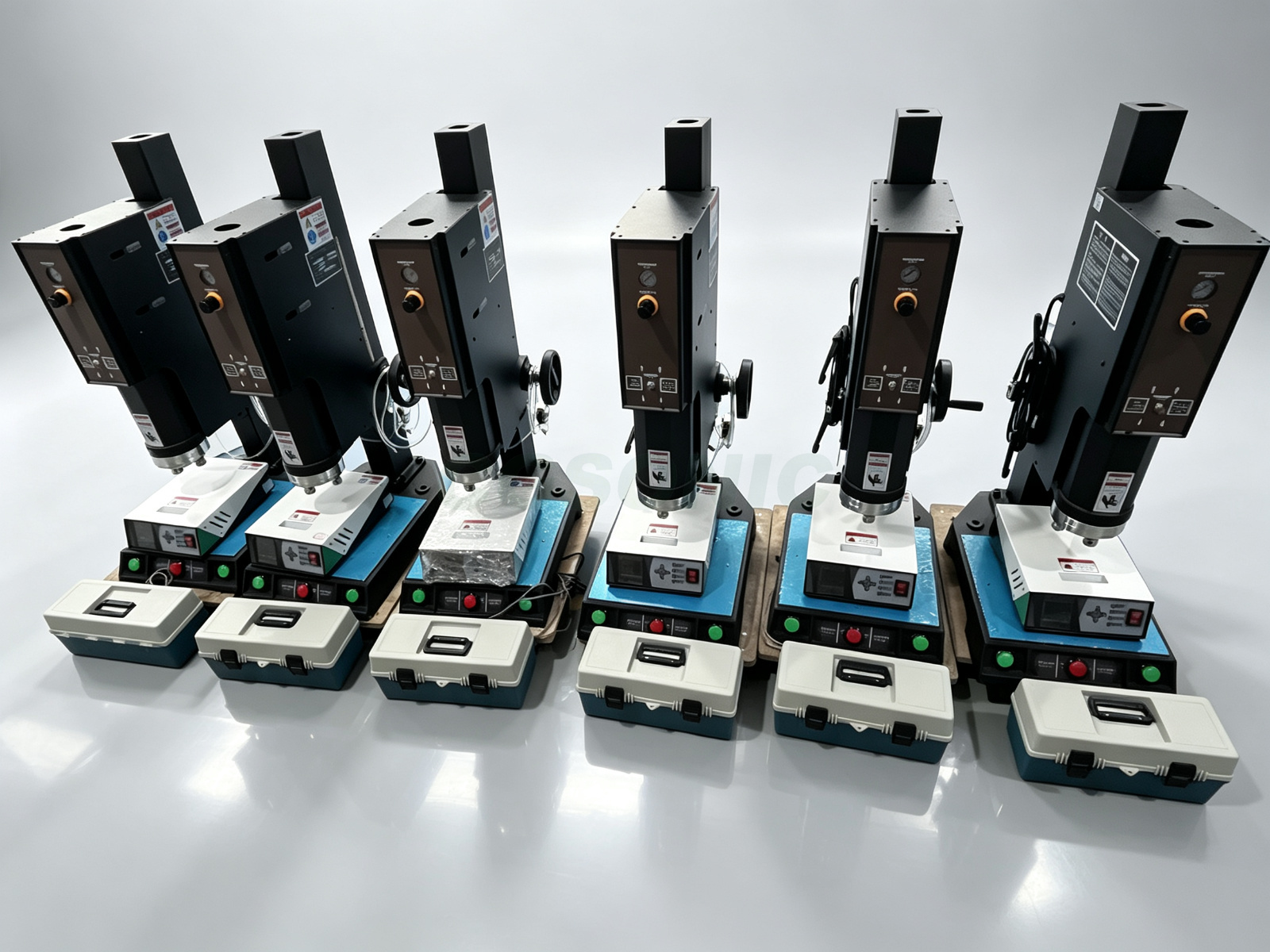
The horn is product-specific. Switching products usually means swapping the horn (a 5–15 minute job) and adjusting the fixture. If your product mix demands frequent changeovers, factor in the changeover time. Plants running more than 6–8 product changeovers per shift often invest in a second welder purely for throughput reasons, not technical limitations.
Process Control Requirements
Medical devices, automotive safety components, and filtration media often require validated, traceable weld processes (FDA, IATF 16949, etc.). If your products fall under different validation regimes, separating them onto dedicated welders reduces the documentation burden and audit risk.
Products That Can Share One Ultrasonic Welder
Here is a quick reference for product combinations that typically work on a single machine. If your product mix falls mostly in the "Yes" rows, one welder will likely cover your needs.
|
Product A |
Product B |
Shared?|是否可共用 |
Notes|备注 |
|
PP filter cartridge |
PP filter housing |
Yes |
Same polymer, similar geometry |
|
ABS electronics enclosure |
ABS battery cover |
Yes |
Same material, minor horn swap |
|
Nonwoven surgical mask |
Nonwoven N95 media |
Yes |
Same 20 kHz system, different |
|
PET blister pack |
PET clamshell |
Yes |
Same frequency, different fixture |
|
PP automotive duct |
PE automotive duct |
Caution |
Material change may need retuning |
|
ABS enclosure |
PEEK sensor body |
No |
Material mismatch, frequency needs differ |
|
Small 20 kHz plastic part |
Large 20 kHz plastic part |
Caution |
Power range too wide; inefficient |
|
20 kHz nonwoven |
40 kHz precision part |
No |
Different frequencies required |
Products That Need Separate Equipment
Tooling changes cannot compensate for fundamental differences in frequency, machine capacity or process requirements.
- Different frequency bands — 20 kHz and 40 kHz require different converters and power supplies.
- Different material families — thermoplastics vs. metals, or commodity plastics vs. high-performance polymers.
- Radically different sizes — a sub-gram micro component and a 5 kg structural part will never share a horn.
- Validated vs. non-validated processes — medical or aerospace validated welds should stay on dedicated, calibrated equipment.
- Contamination-sensitive applications — cleanroom medical and industrial nonwovens should not share a production line.
How to Test If Your Welder Can Handle a New Product
Before committing a new product to your existing welder, run these four checks. If the trial passes, the new product can share the welder. If it fails any test, do not force it — invest in dedicated equipment.
1) Material overlap — confirm both products are weldable at the same frequency and use the same or similar polymer.
2) Power budget — measure the smaller product's required wattage.
3) Horn swap feasibility — can the new horn fit on the existing booster? Are the mounting threads, weight, and resonant frequency compatible?
4) Joint sample test — run a 50-piece trial under DOE conditions. Pull-test, leak-test, and visually inspect every sample.
FAQ
Q1:Can a 20 kHz ultrasonic welder weld both plastics and nonwovens?
A1:Yes. 20 kHz systems are the workhorses for both plastic assembly and nonwoven fabric welding (masks, filters, gowns). You will need different horns and fixtures for each application, but the converter, booster, and power supply stay the same.
Q2:How long does it take to switch a welder from one product to another?
A2:A standard horn-and-fixture changeover takes 5–15 minutes for experienced operators. If you do this more than 8 times per shift, the labor cost adds up — and a second welder becomes financially attractive.
Q3:Is it cheaper to buy one big welder or two smaller ones?
A3:For most mid-volume operations (under 100,000 parts per product line per year), one well-matched welder is cheaper. For high-mix, low-volume runs (10+ changeovers per day), two right-sized welders beat one oversized one on throughput, even though the upfront cost is higher.
Q4:What happens if I force a product onto the wrong welder?
A4:You will see cosmetic defects (flash, marking), weak joints, horn cracking, or converter overload. The machine's protection circuit will trip, but the horn and product are at risk before that happens.
Talk to Us
If you are evaluating a welder for a new product line or considering a second machine for your existing line, share your product specs with our engineering team. We can model your weld parameters, recommend the right frequency and power class, and run sample tests on your actual parts.