


CG SONIC Ultrasonic Welding Systems — Redefining Precision Welding
CG SONIC Ultrasonic Welding Systems — Redefining Precision Welding
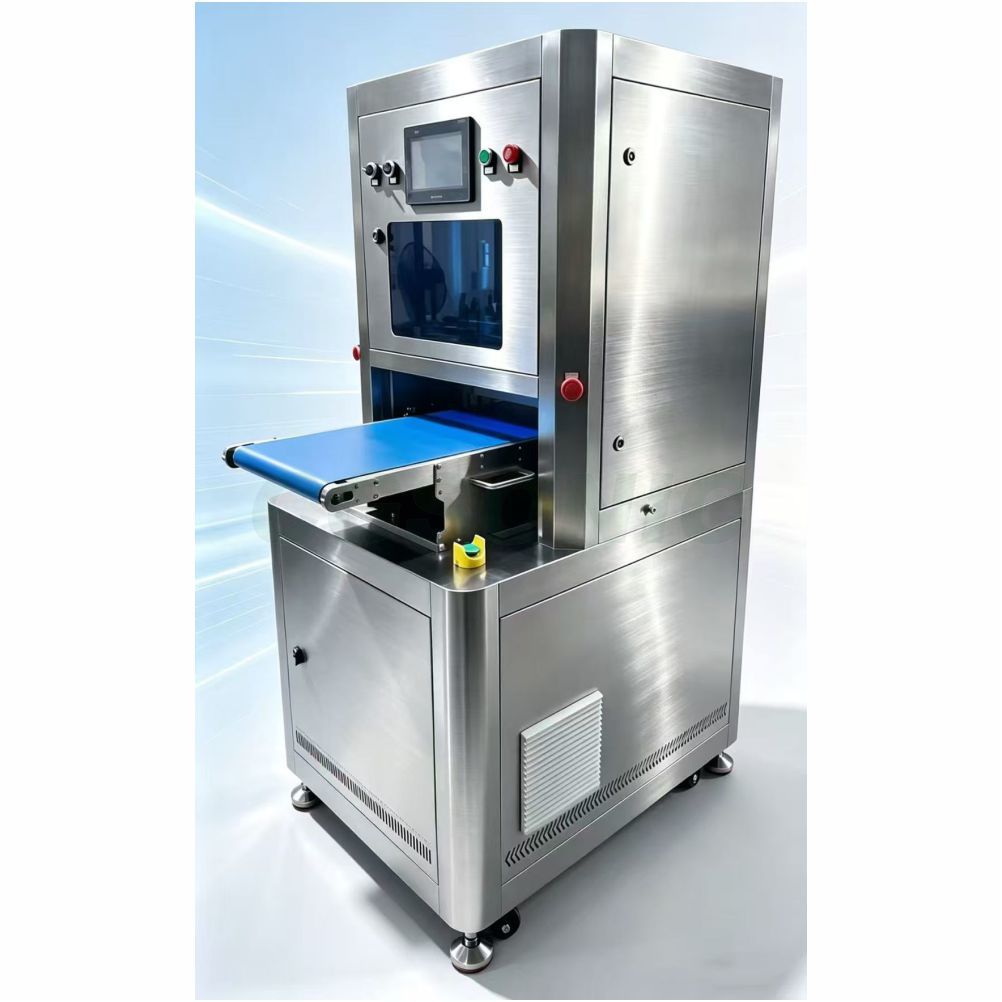
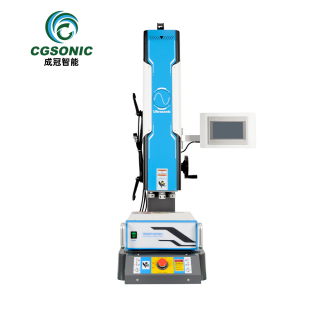
When engineers encounter welding defects such as incomplete fusion, excessive flash, or insufficient weld strength, they often suspect the tooling first. However, the design of the energy director is only half of the welding solution. The other essential factor is whether the equipment can execute the process with high precision. This is the fundamental difference between CG SONIC servo-driven ultrasonic plastic welding systems and conventional pneumatic welding machines.
01 What Is an Energy Director, and Why Is It Necessary?
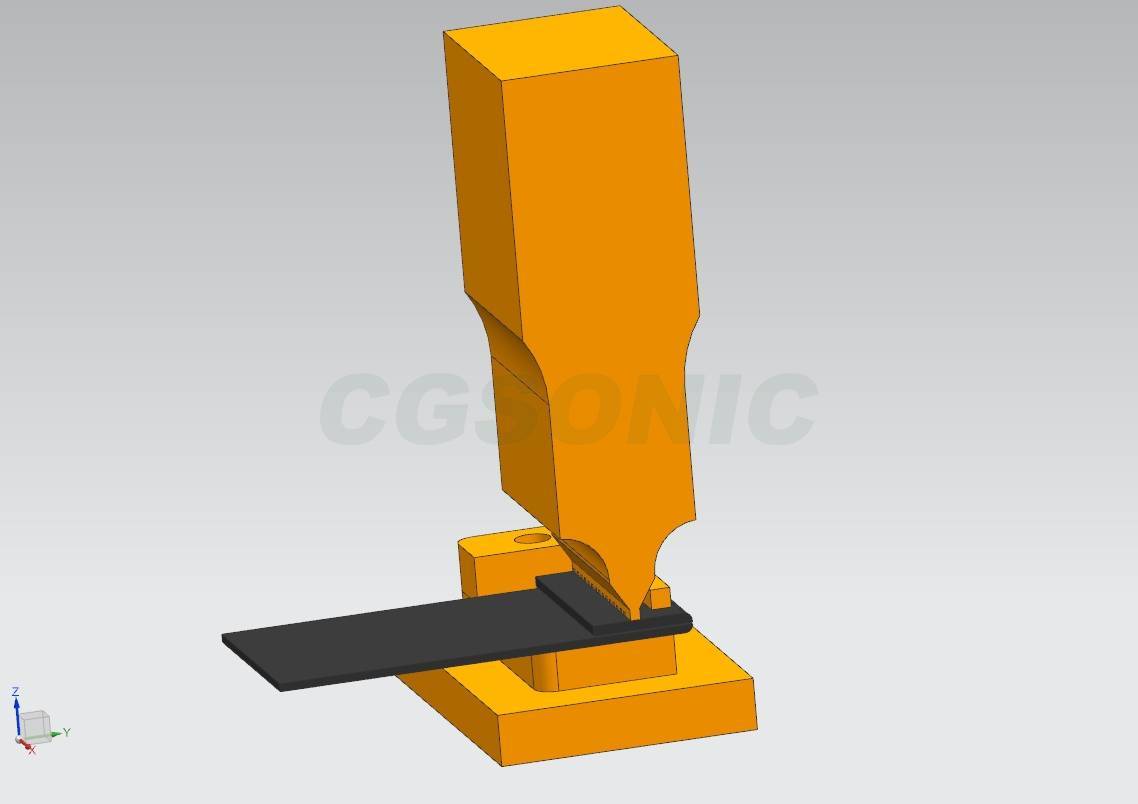
During ultrasonic welding, the servo-driven plastic welding system converts high-frequency electrical energy into mechanical vibrations (15/20/35/40 kHz), which are transmitted to the plastic part through the horn. If both joining surfaces are broad and flat, the energy is distributed across the entire interface instead of being concentrated in one area. This can cause incomplete fusion in certain areas or require a longer welding time, increasing the risk of over-welding.
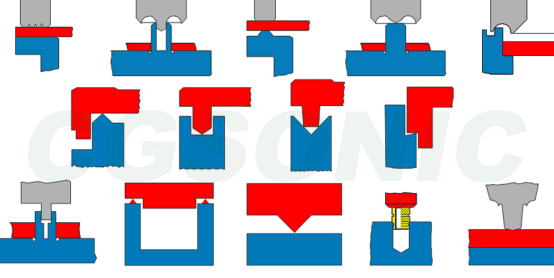
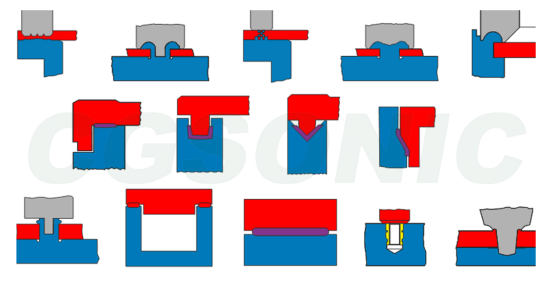
An energy director is a raised triangular rib (with an isosceles-triangle cross-section) molded onto one of the joining surfaces. It concentrates ultrasonic stress at a very small contact area at the tip—much like a magnifying glass focusing sunlight—causing the area to heat up and melt rapidly. Applied pressure then brings the molten surfaces together. After the ultrasonic vibration stops, pressure is maintained for several seconds while the material solidifies. This process forms strong molecular bonding and can produce a weld strength approaching that of the base material.
Welding: Benefits and Drawbacks of Energy Director Design
✅ With an energy director: shorter welding time, lower energy consumption, less flash, and higher weld strength.
❌ Without an energy director or with an improper design: longer welding time may be required, with a greater risk of over-welding, part damage, and incomplete fusion.
Weld Line Design
Weld Line Design
02 Why Is Time Mode No Longer Enough?
Conventional welding machines often rely on time mode. However, variations between plastic material batches and changes in ambient temperature can produce different results even when the same welding time is used. The digital generator in the CG SONIC servo-driven ultrasonic plastic welding system provides five welding modes that can be selected with a single touch:
Time Mode
A basic, general-purpose mode that uses a fixed welding time. It is suitable for standardized, high-volume production of small parts when the material is consistent and operating conditions are stable.
Energy Mode
Uses the actual total output energy as the weld-termination criterion. It automatically compensates for energy losses caused by voltage fluctuations and changes in raw-material hardness, helping each workpiece absorb a consistent amount of welding energy. This can significantly improve welding consistency affected by batch-to-batch color differences and variations in material hardness.
Position Mode
Precisely controls the horn’s downward welding stroke to regulate the plastic fusion depth. It helps prevent excessive melting and flash, workpieces being pressed through, and housing deformation. It is particularly suitable for cosmetic parts and thin-wall plastic components.
Power Mode
Monitors output power in real time and dynamically adjusts ultrasonic output intensity to help prevent sudden high-power output from damaging or penetrating the workpiece. It is suitable for fragile plastics and special plastics with low melting points.
Pressure Mode
Maintains constant welding pressure to improve bonding uniformity across workpieces with large joining areas.
Multiple modes can be combined and coordinated to match different plastic materials, product structures, and production environments. This helps reduce defects such as over-welding, incomplete welding, excessive flash, and cracking; lower the reject rate; maintain consistent production quality over time; and reduce material waste and rework costs.
03 A Well-Designed Energy Director Also Requires Precise Equipment Control
Even when the energy director is properly designed, conventional pneumatic welding machines are affected by fluctuations in air-supply pressure. They cannot precisely control the trigger point of the downward stroke or the welding depth. As a result, batch production may still experience inconsistent results, with some parts over-welded and others receiving insufficient energy.
The servo-driven ultrasonic plastic welding system is closely matched to the energy-director welding process:
01
Repeatability of ±0.01 mm helps ensure consistent initial contact between the horn and the energy director.
02
Monitors welding speed, position, pressure, and other process curves in real time, with automatic alarms when abnormalities are detected.
03
The digital generator automatically tracks frequency to keep the transducer operating at its resonance point, helping maintain stable amplitude and achieve uniform melting of the energy director.
04
Records data for every weld to support traceability, meeting requirements in industries such as medical devices and automotive electronics.
This means that CG SONIC can execute your properly designed energy-director process as specified through its servo system—rather than relying on an experienced operator to adjust air pressure by feel.