




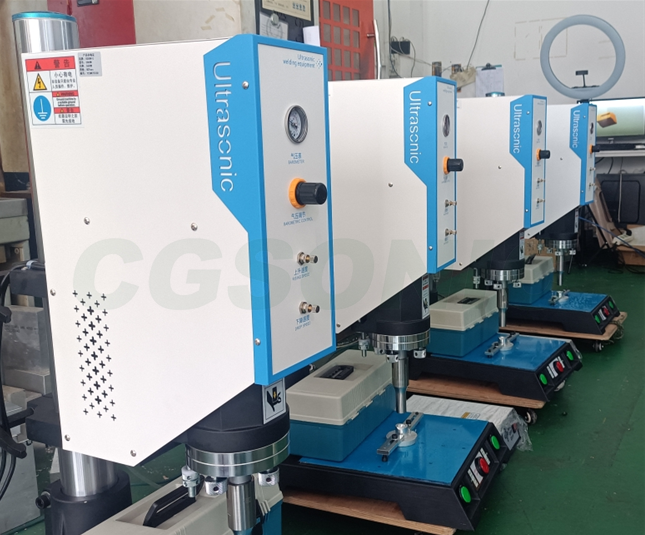
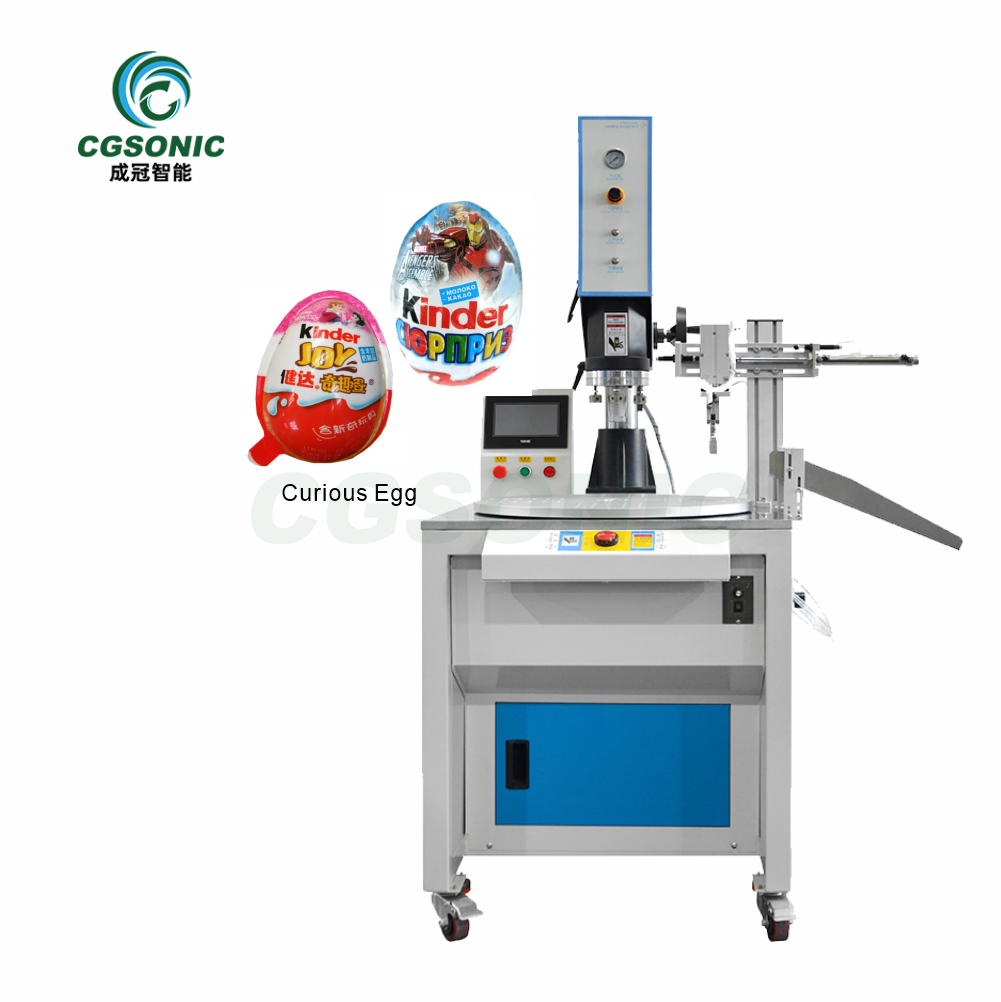
Ultrasonic metal welding
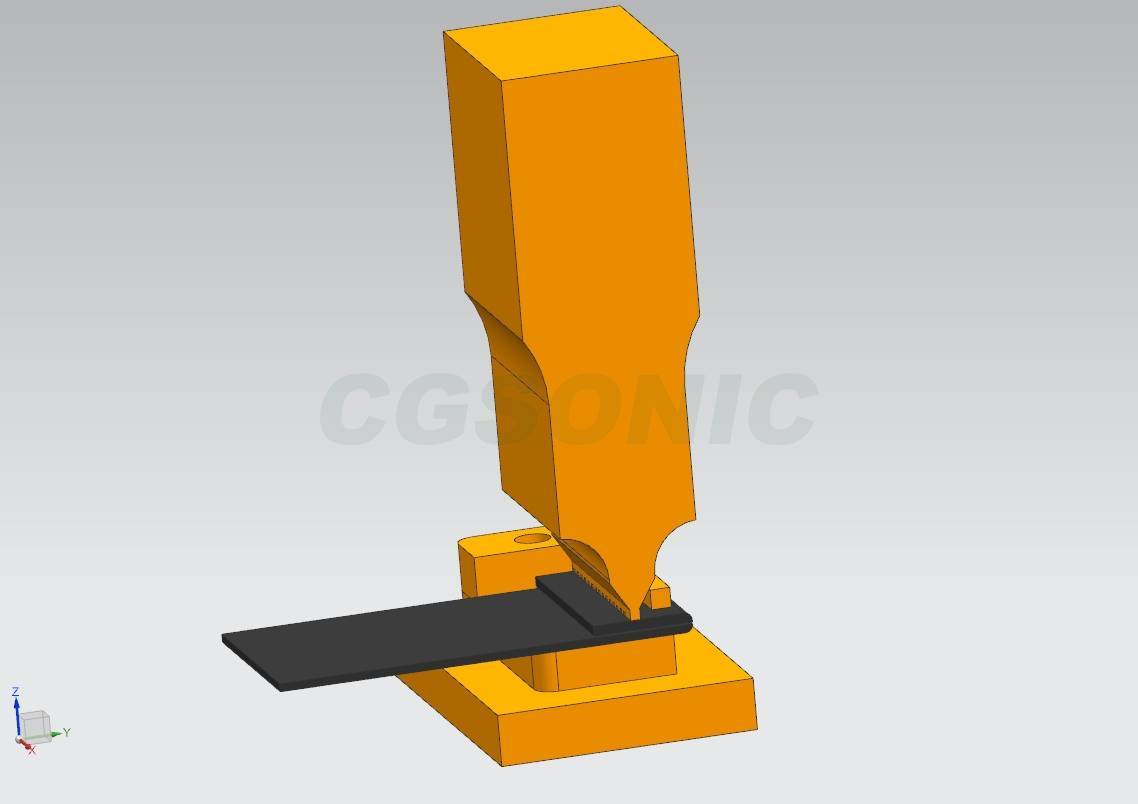
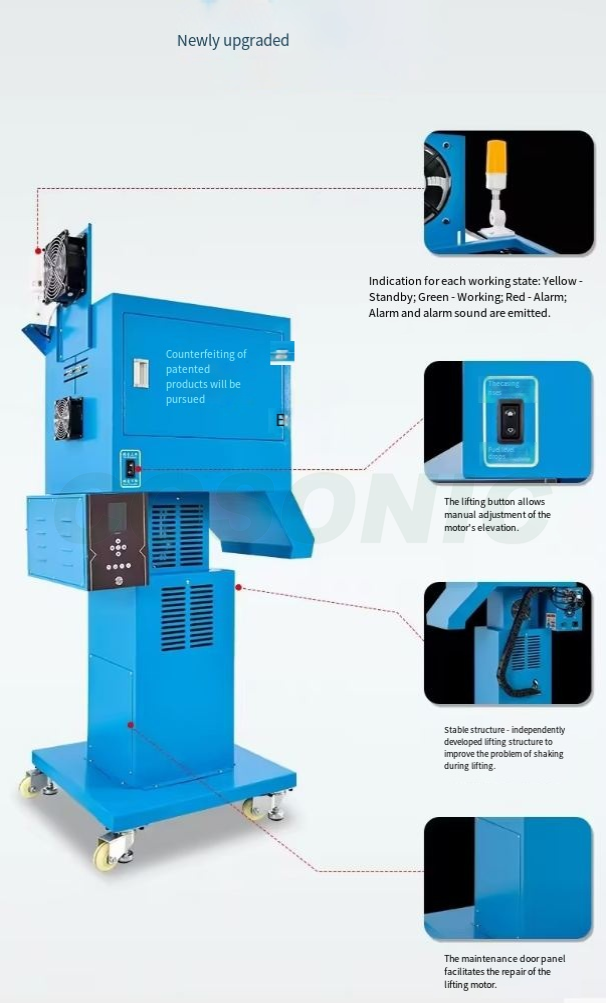
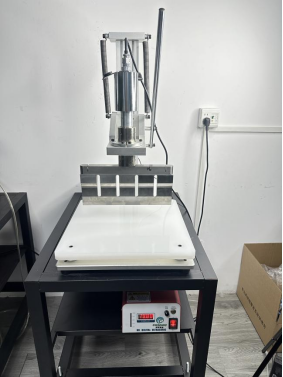
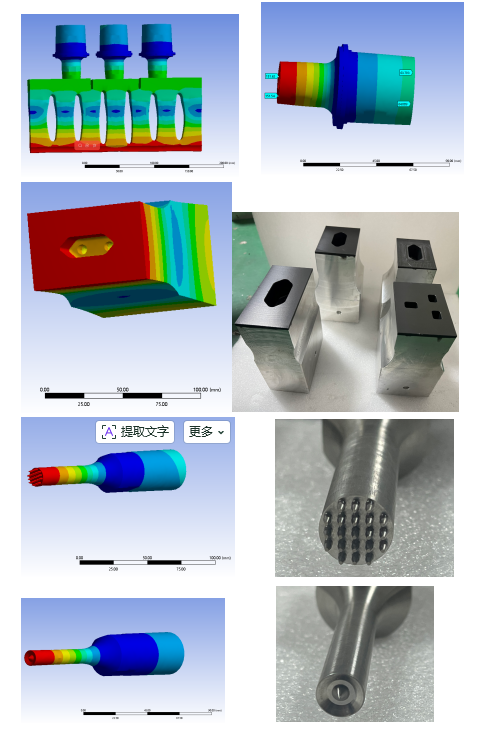
Ultrasonic metal welding is a process in which the energy generated by high-frequency vibration is applied to the surface of a workpiece, thereby joining the metal workpieces together.
Unlike other welding processes, ultrasonic metal welding does not require the same material to be used. Even different materials can be welded using ultrasound.
Of course, not all metals can be welded using ultrasound. Ultrasonic metal welding is mainly suitable for materials such as aluminum, silver, brass, bronze, copper, nickel, gold, and platinum.
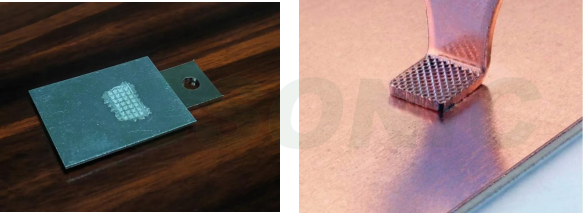
Applications of ultrasonic metal welding
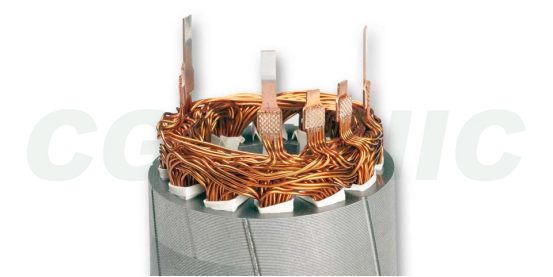
Ultrasonic metal welding has advantages such as low energy consumption, low resistance, high speed, and stable strength , making it highly favored in various industries. Its main application areas include:
Applications in the new energy battery industry: battery tabs, capacitor tabs, battery adapters, capacitor adapters, battery cleaning, etc.
Applications of high-voltage wiring harnesses in new energy sources: automotive wiring harnesses, wind power wiring harnesses, photovoltaic wiring harnesses, equipment wiring harnesses, etc.
Applications in the home appliance industry: copper pipe sealing in air conditioners and refrigerators, etc.
Industrial applications: contactors, heat-conducting plates, plugs, lighting equipment, thermal sensors, relays, heat sinks, coils, motors, etc.
Solar energy industry: photovoltaic collectors, wiring harnesses, etc.

The common objects to be welded by ultrasonic metal welding include:
- Nickel-metal hydride battery: Nickel mesh and nickel sheet are fused together.
- For lithium batteries and polymer batteries, copper foil and nickel sheets are fused together, and aluminum foil and aluminum sheets are fused together.
- Interfusion of wire harnesses: single strand to single strand, single strand to multiple strands, and multiple strands to multiple strands.
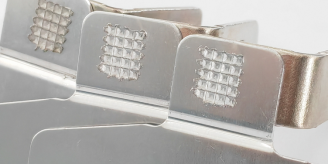
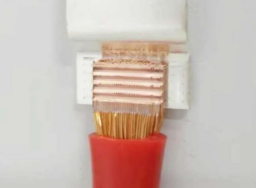
- The wire harness is fused with various electronic components, contacts, and connectors.
- Fusion of large heat sinks, heat exchange fins, and honeycomb cores for various household appliances and automotive products.
- High-current contacts such as electromagnetic switches and fuseless switches, and the mutual fusion of dissimilar metal sheets.
- Sealing and cutting of metal copper and aluminum pipes can achieve water and air tightness.