






What effect does ultrasonic frequency have on welding?
2026-04-15
- Heat generation and welding time: The higher the ultrasonic frequency, the less heat is generated during welding, and the shorter the welding time. This is because high-frequency ultrasonic energy is more concentrated, which can generate sufficient frictional heat in a smaller area, thereby reducing the overall heating of the material.
- Melting range: The higher the frequency, the smaller the melting range of the weld joint. This means that high-frequency ultrasonic welding can achieve more precise local heating, which is especially important for welding delicate parts.
- Equipment Costs and Energy Consumption: Excessively high frequencies will increase equipment costs and energy consumption. Therefore, in practical applications, it is necessary to select an appropriate ultrasonic frequency based on a comprehensive consideration of welding quality and economic efficiency.
- Welding Quality: The ultrasonic frequency has a direct impact on welding quality. Different materials and welding requirements may require different frequencies. For example, some hard thermoplastics may require specific frequencies to achieve optimal welding results.
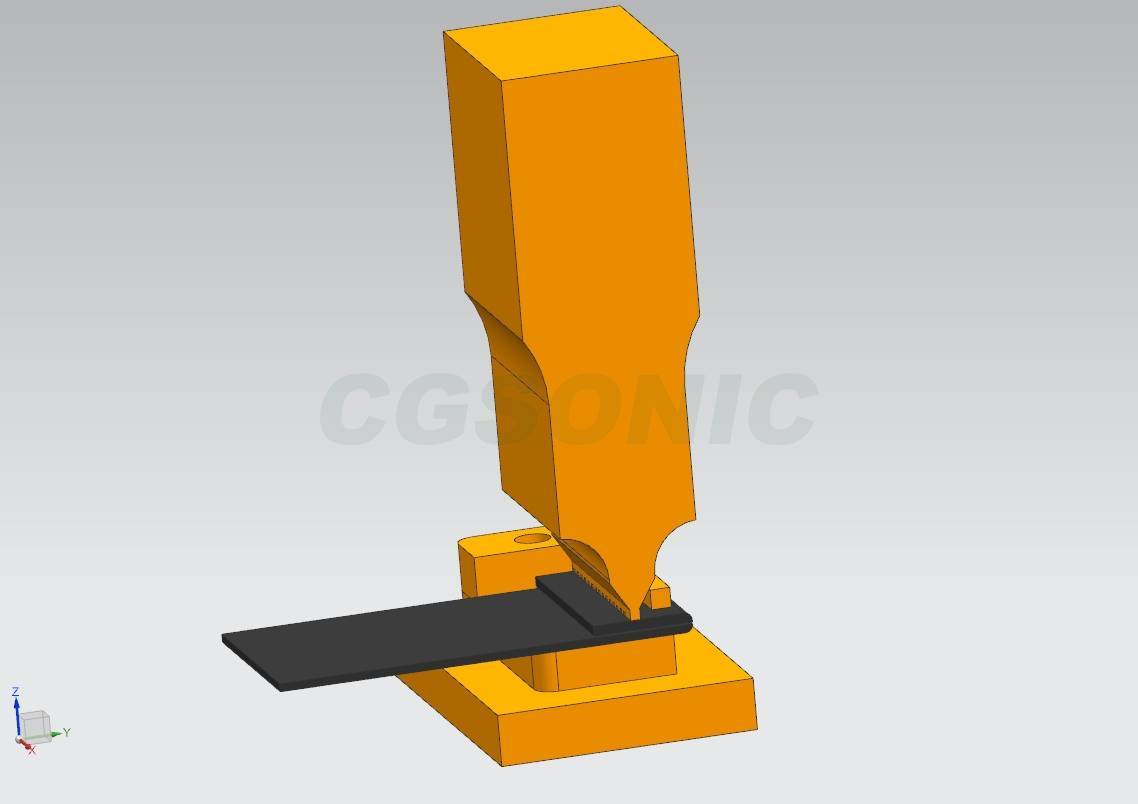
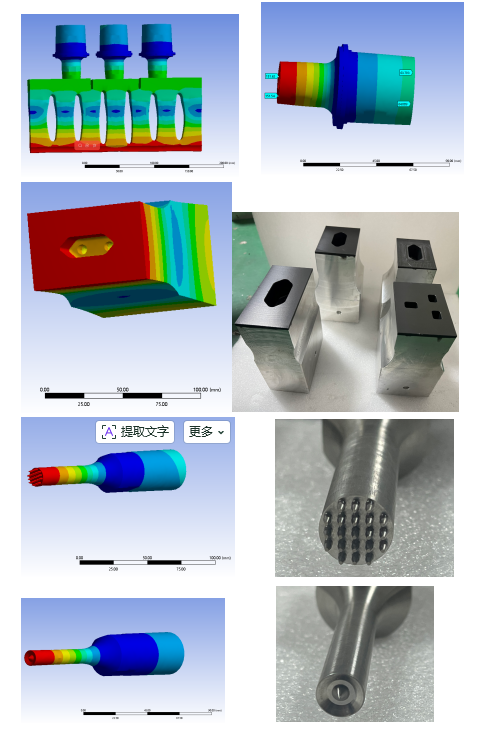
- Resonance State: The operating frequency of an ultrasonic welding machine is mainly determined by the mechanical resonance frequencies of the transducer, amplitude transformer, and welding head. The frequency of the ultrasonic generator needs to be adjusted according to the mechanical resonance frequencies to achieve consistency, so that the welding head operates in a resonant state.
- Welding precision: Ultrasonic welding equipment can concentrate vibrations at very localized locations, resulting in highly precise welding. This is crucial for applications requiring fine welding.
In conclusion, ultrasonic frequency is one of the key parameters affecting welding results, and it needs to be optimized based on the specific welding materials and requirements.