





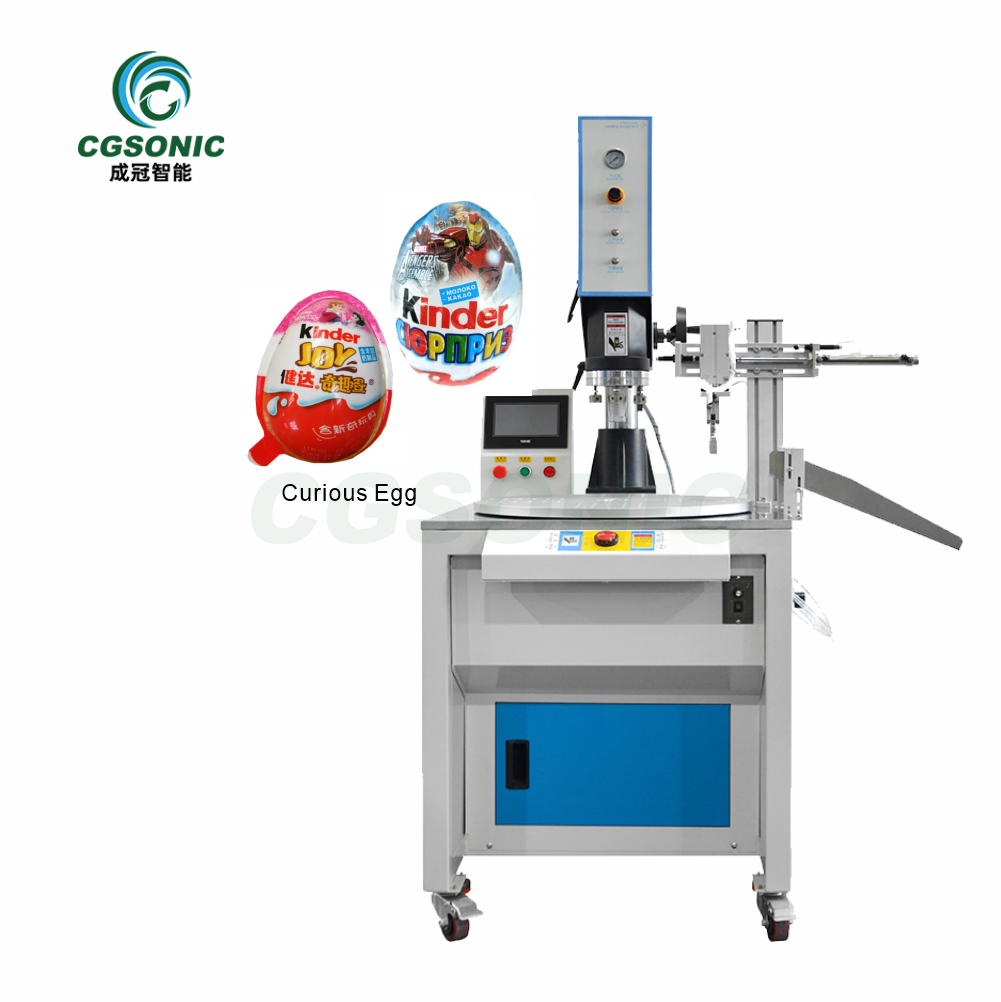
Which industries need ultrasonic welding equipment?
Functions and advantages of ultrasonic welding machines
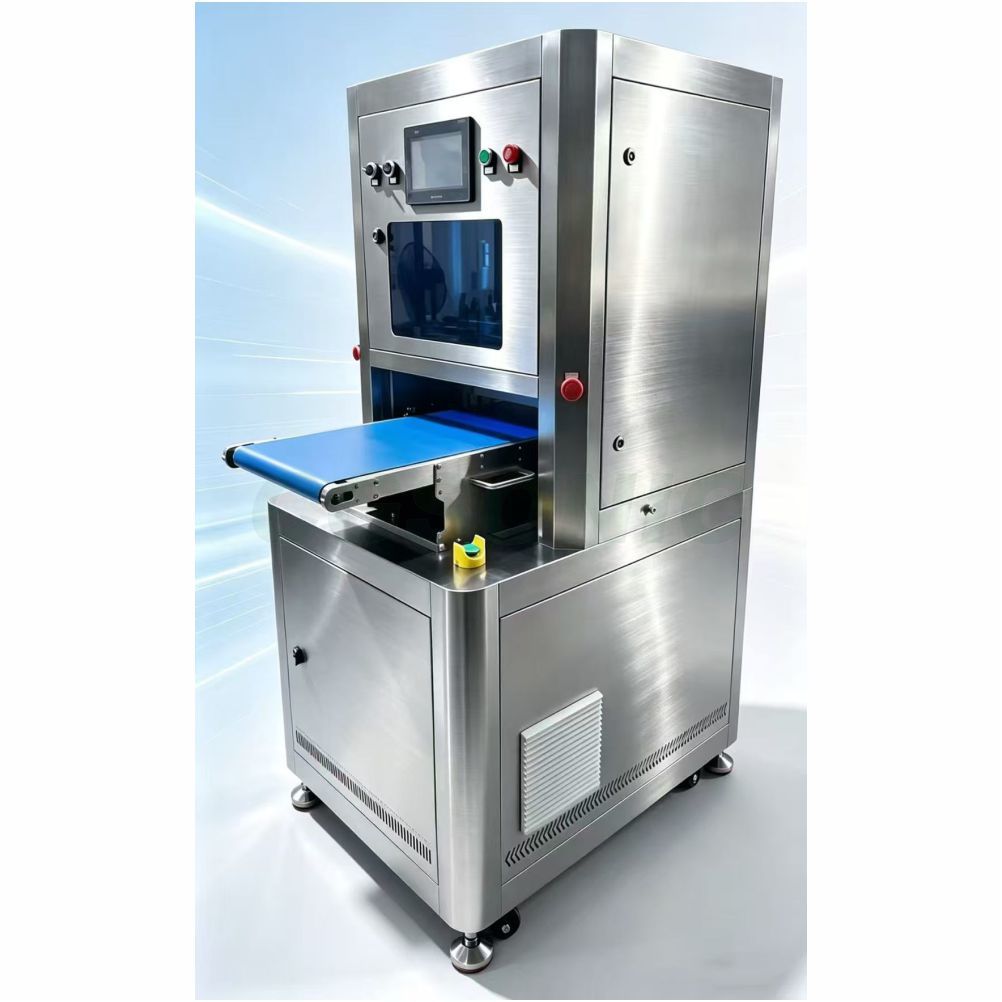
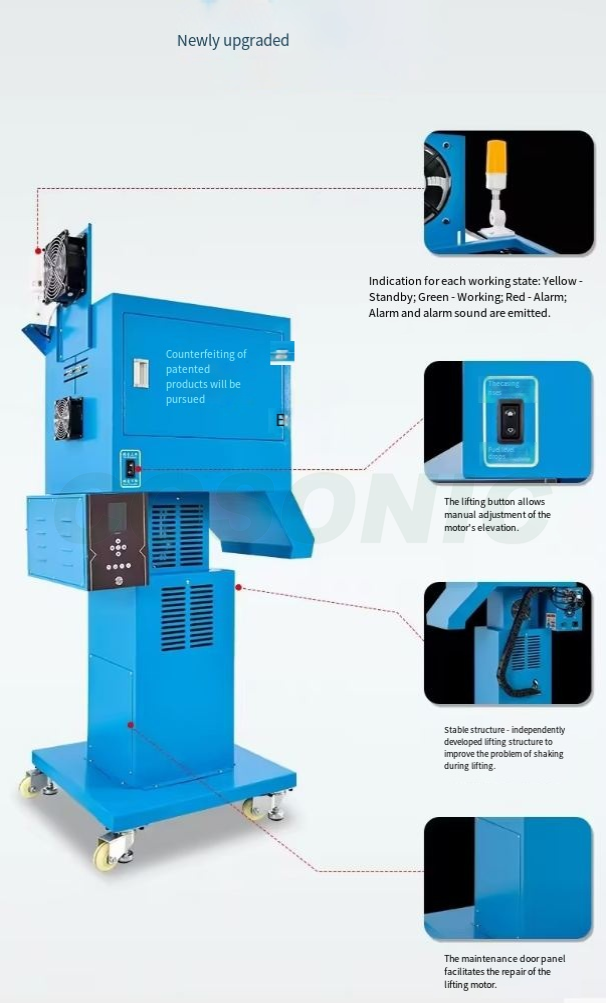
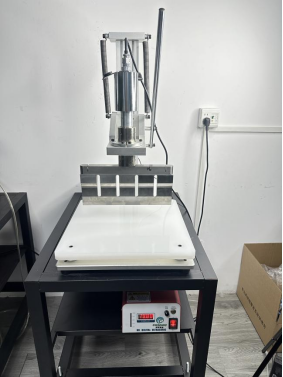
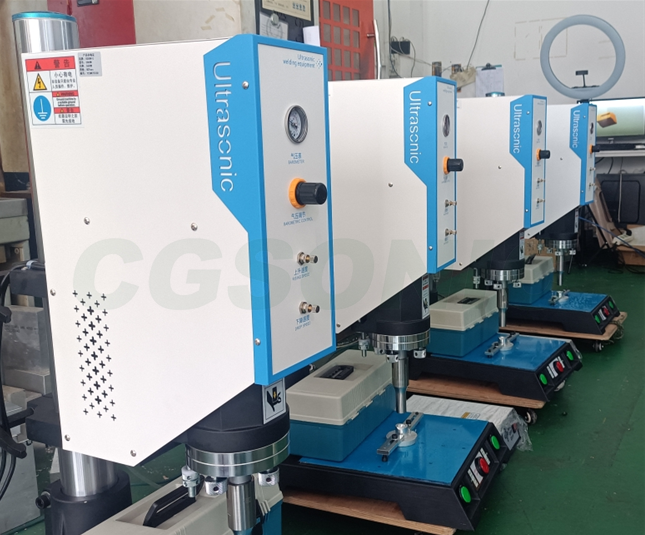
Ultrasonic welding machines are devices that use high-frequency vibrations to cause friction between two or more objects at the molecular level, thus joining materials. They offer the following advantages:
1. High efficiency: Compared to traditional welding methods, ultrasonic welding is faster, significantly improving production efficiency.
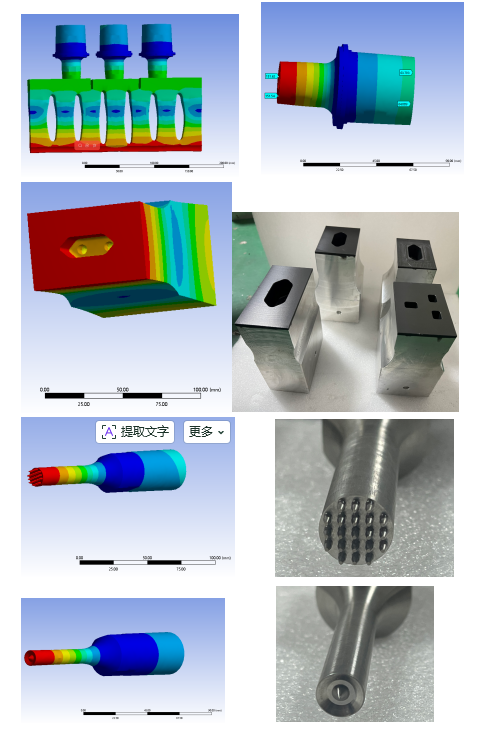
2. Precision: By adjusting the vibration frequency and amplitude, the weld quality can be precisely controlled.
3. Environmentally friendly: No chemical agents or other materials are required, resulting in no pollution.
4. Economical: Operating costs are lower due to the minimal energy and material consumption.
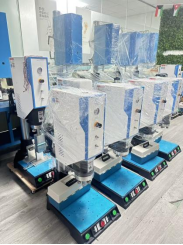
Suitable industries for using ultrasonic welding machines
Currently, ultrasonic welding technology is widely used in new energy, automotive, electronics, medical devices, and home appliances. Industries and companies suitable for using ultrasonic welding
machines include, but are not limited to:
Electronics manufacturers: Electronic products such as mobile phones and tablets typically use plastic casings and require precise assembly. Ultrasonic welding machines are needed to connect the
components in these applications.
Automobile manufacturers: Automotive interior parts are usually made of plastic and require high strength and aesthetics. Ultrasonic welding machines are also needed to connect the components
in these applications.
Medical device manufacturers: Medical devices typically require a sterile environment and must not be contaminated. Therefore, ultrasonic welding technology, which requires no added chemicals or other materials, is very suitable.
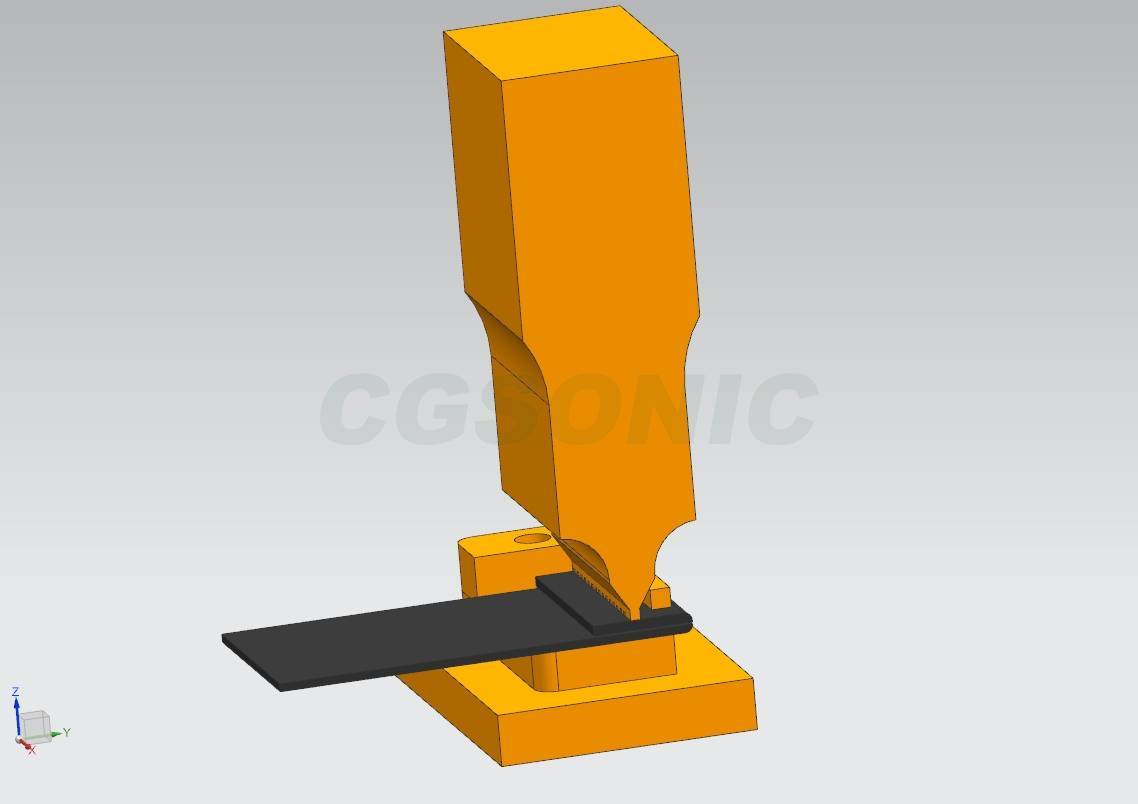
New energy-related industries: In the field of metal welding, ultrasonic welding has the advantages of welding dissimilar materials, extremely low resistance, fast cooling, and high efficiency. Therefore,
it is widely used in products such as automotive wiring harnesses, copper-aluminum braces, wiring harness terminals, CCS, IGBTs, and battery tabs.
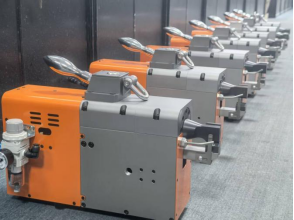
Requirements of Product Materials for Ultrasonic Welding Machines
- Since different materials require different frequencies and power levels, when choosing to purchase an ultrasonic welding machine, factors such as the type and thickness of the materials to be processed must be considered.
- In terms of plastic welding, rigid plastics (such as ABS) are easier to join than flexible plastics (such as PVC); at the same time, thinner materials are more likely to be joined successfully.
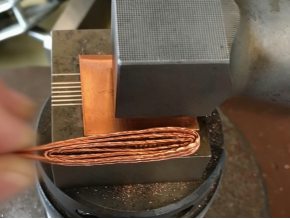
- For metal welding, materials such as gold, silver, copper, aluminum, nickel, and platinum, with a thickness of ≤3mm, are suitable for ultrasonic welding.
Factors to consider when purchasing an ultrasonic welding machine
When purchasing an ultrasonic welding machine, the following factors should also be considered:
1. Equipment brand and performance specifications;
2. Equipment price and after-sales service;
3. Equipment safety and stability;
4. Ease of operation and maintainability;
5. Whether the equipment scale and capacity meet your needs, etc.
Operating procedures and precautions for ultrasonic welding machines
During operation, please note the following:
1. Before operation, please confirm that the selected frequency matches the object to be processed and adjust the amplitude accordingly;
2. Place the object to be processed on the processing table and adjust its position for processing;
3. Turn on the main power switch and start the processing program. Do not stop or change the parameter settings during processing to avoid affecting the processing effect;
4. After processing, please turn off the main power switch and clean the residual objects in the processing area for the next operation.