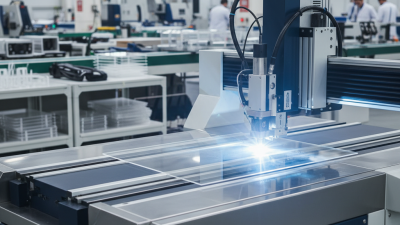
You know, Composite Material Welding is really shaking things up across various industries. It’s all about making products stronger and performing way better. I came across a report from Grand View Research that says the global market for composite materials could hit around $49.5 billion by 2025—talk about big growth! That just shows how much more companies are craving advanced welding methods in their manufacturing processes.
I also read insights from Dr. Emily Carter over at Composites Engineering Innovations, and she really stresses how important this technology is. She mentioned, “Composite Material Welding opens new avenues for structural integrity and design flexibility,” which pretty much sums it up. Her take just highlights how crucial it is for us to keep up with modern engineering needs.
Of course, it’s not all smooth sailing—there are some hurdles to jump. Plenty of manufacturers are finding it tough to produce consistent quality and to justify the initial costs. Still, the perks like being lighter and stronger can’t be ignored. And as industries look for more sustainable options, I’d say Composite Material Welding is definitely a step in the right direction.
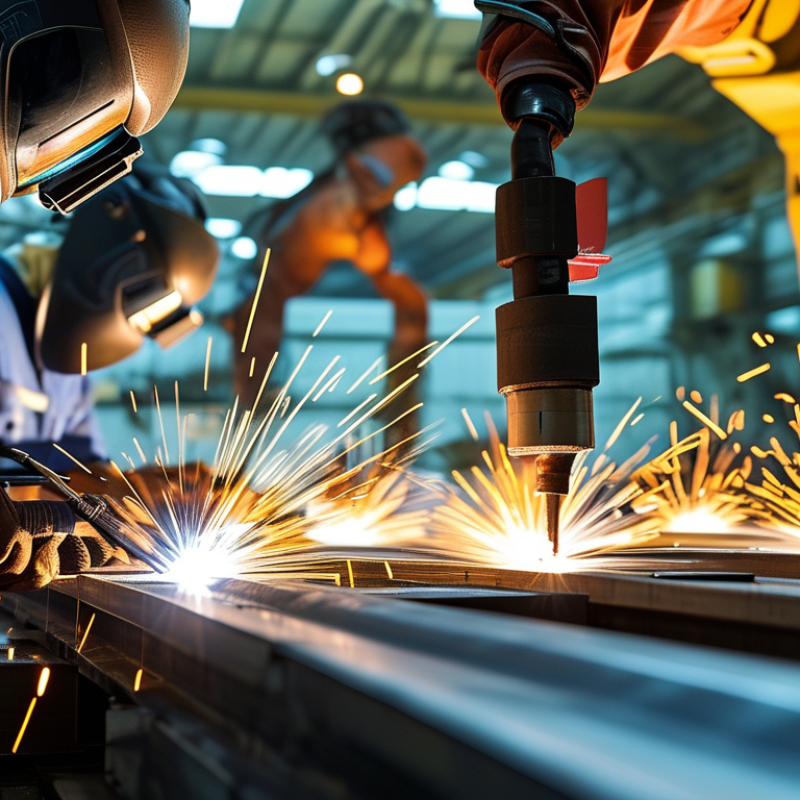
Understanding Composite Materials in Welding Applications
Composite materials are increasingly recognized in welding applications for their unique properties. These materials, made from two or more constituent substances, offer advantages such as lightweight, strength, and corrosion resistance. In welding, composites can significantly enhance product durability and performance, making them ideal for various industries, from aerospace to automotive.
When considering welding with composite materials, it's important to understand their behavior under heat. The melting point and fiber orientation can influence the welding process. Not all composites can be welded using traditional methods, which may lead to unexpected failures. Careful selection of welding techniques is critical for achieving reliable joints. Some composites may require specialized equipment or specific techniques, which could present a learning curve.
Proper preparation is key. Ensure that the surfaces to be welded are clean and free of contaminants. This small step can prevent larger issues during the welding process. Always perform tests on similar materials to determine the best approach. Remember, each composite is unique, and your techniques might need adjustments. Experimentation and adaptation can often yield the best results in optimizing your welding processes.
Key Advantages of Composite Material Welding Compared to Traditional Methods
Composite material welding presents several advantages over traditional welding methods. One significant benefit is its weight reduction. A report from the American Society of Mechanical Engineers indicates that using composite materials can lead to a weight saving of up to 40% compared to metals. This weight reduction can enhance fuel efficiency in aerospace and automotive industries. Additionally, composites can exhibit higher corrosion resistance, increasing the lifespan of products in harsh environments.
Another advantage lies in enhanced design flexibility. Composites can be molded into complex shapes that are often impossible with metals. This flexibility can lead to innovative solutions and improved performance. According to a study by the International Journal of Advanced Manufacturing Technology, designers are increasingly opting for composite welding to take advantage of these capabilities. However, this approach does require a skilled workforce familiar with new technologies.
Despite these benefits, challenges remain. For instance, the initial cost of composite materials can be higher, which may deter some buyers. Additionally, the welding process itself is still developing, and ongoing research is needed to improve reliability and efficiency. While composite welding is advancing, it is essential to stay informed about best practices and innovations.
Cost-Efficiency of Composite Welding for Global Buyers
Cost-efficiency is a crucial aspect of composite material welding that attracts global buyers. A recent industry report indicates that composite materials can reduce production costs by up to 25%. This significant reduction comes from decreased labor costs and shorter assembly times. Moreover, lightweight composites often lead to lower transportation expenses. When products are lighter, shipping costs drop, benefiting both manufacturers and end users.
The durability of composite welded materials enhances their cost-effectiveness. These materials resist corrosion and wear, resulting in lower maintenance needs. According to a study by the American Composites Manufacturers Association, lifespan longevity can increase by 30% with composite materials. This longevity translates into fewer replacements and repairs, impacting the overall budget positively.
However, there are challenges. Not all manufacturers possess the necessary expertise to properly execute composite welding. Improper techniques can lead to weaknesses, diminishing potential savings. Training and experience in this area are vital for optimal results. Additionally, the initial investment for advanced welding technologies may appear high, but the long-term savings often outweigh these costs. Investing in quality leads to sustainable gains over time.
Enhanced Durability and Performance of Welded Composite Structures
Welding composite materials has become crucial for various industries. These materials offer enhanced durability. They withstand harsh environments and heavy loads better than traditional metals. This leads to longer service life and reduced maintenance costs. Many manufacturers have noted significant improvements in product performance after switching to welded composites.
The process involves fusing different composite materials. This creates strong, lightweight structures that perform exceptionally well. Often, the welded joints exhibit superior strength compared to the parent materials. However, the welding process is not without challenges. It requires skilled operators and precise techniques to achieve optimal results. Misjudgments can lead to weak points in the welds, which may compromise the overall integrity. This highlights the importance of continuous training and evaluation in the welding practices used.
Investing in advanced welding technologies pays off. They allow for better control and consistency in the welding process. While the initial costs may be higher, the long-term benefits often outweigh these expenses. This shift towards welded composites represents a trend toward more sustainable engineering practices. As industries evolve, the demand for innovation pushes the boundaries of what’s possible with composite material welding.
Top Benefits of Composite Material Welding for Global Buyers
| Benefit | Description | Impact on Performance | Durability Rating (1-10) |
| Lightweight | Composite materials reduce overall weight compared to traditional metals. | Improves fuel efficiency and handling in applications like aerospace. | 9 |
| Corrosion Resistance | Resistance to environmental factors increases lifespan. | Reduces maintenance costs and improves reliability. | 8 |
| High Strength-to-Weight Ratio | Provides better performance in structural applications. | Enables the design of lighter and stronger products. | 9 |
| Design Flexibility | Allows for complex shapes and designs that are difficult with metals. | Enhances aesthetic and functional aspects of products. | 7 |
| Thermal Stability | Maintains properties under varying temperatures. | Ensures consistent performance in extreme conditions. | 8 |
Environmental Benefits of Using Composite Materials in Manufacturing
Composite materials have gained attention for their environmental benefits in manufacturing. These materials are often lighter than metals. They consume less energy during transportation. This energy efficiency can lead to reduced carbon emissions. Moreover, composite materials can be produced from recycled substances, promoting a circular economy.
Using composite materials can also minimize waste in production processes. Their unique properties allow for precision in manufacturing. This precision reduces the need for excess materials. However, many manufacturers still face challenges in integrating these materials into existing systems. There is a learning curve, and practices need to adapt to new technologies. The initial cost can be a hurdle, but the long-term benefits often outweigh these.
The durability of composites extends their lifecycle, reducing the frequency for replacements. This durability means less material disposal over time. However, the disposal process of composites can pose challenges, as they are not always recyclable. The industry must continue to innovate, improving the recycling methods for these robust materials. Environmental stewardship requires ongoing reflection and adaptation in practices.
Top Benefits of Composite Material Welding for Global Buyers
This bar chart illustrates the top benefits of composite material welding, highlighting key advantages such as lower weight, higher strength, corrosion resistance, sustainability, and cost efficiency. Each aspect shows the potential percentage of impact or importance for global buyers considering the use of composite materials in manufacturing.
Applications of Composite Material Welding Across Various Industries
Composite material welding is making waves in various industries. The aerospace sector utilizes advanced composites to reduce weight and enhance fuel efficiency. This welding technique allows manufacturers to join dissimilar materials, improving overall performance. Engineers often face challenges, such as ensuring compatibility between materials.
In automotive applications, composites offer safety and durability. Welding these materials leads to lighter vehicles with better fuel economy. However, imperfections in joints can affect performance. Thus, meticulous processes are necessary during production to prevent issues.
Marine industries also benefit from composite welding. Boats and submarines constructed with these materials show excellent resistance to corrosion. Still, the complexity of working with different composites requires skilled professionals. Developing a thorough understanding of welding parameters is vital. Competence in this field contributes to higher reliability and longevity of marine vessels.
Future Trends in Composite Material Welding Techniques and Technologies
The field of composite material welding is rapidly evolving. As industries seek lightweight and strong materials, innovative welding techniques are gaining traction. Laser welding, for instance, offers precision and minimal thermal distortion. This technology can enhance the integrity of composite structures while satisfying stringent safety standards.
Emerging trends focus on automation in welding processes. Automated systems reduce human error and increase efficiency. Robotics are now commonplace in manufacturing environments, helping achieve consistent quality. However, the integration of automation raises questions. How can companies ensure workers are trained for these new roles?
Research and development continue to explore new materials and methods. The utilization of Ultrasonic Welding is on the rise. This method merges components without needing additional materials. It is vital for applications in aerospace and automotive sectors. Yet, challenges remain in cost and accessibility for smaller businesses. Companies must navigate these obstacles while remaining competitive.
FAQS
: Composite materials consist of two or more substances, offering unique properties. These include lightweight and corrosion resistance.
They enhance durability and performance. This makes them suitable for industries like aerospace and automotive.
The melting point and fiber orientation impact the welding process. Understanding these factors is crucial for success.
No, not all composites are suitable for traditional welding. Using the wrong method can lead to unexpected failures.
Clean and contaminant-free surfaces prevent larger welding issues. Proper preparation is essential for reliable joints.
Perform tests on similar materials. Each composite is unique, so techniques may require modification based on testing.
Ensuring compatibility between materials is a common challenge. Engineers must address these issues to improve performance.
Composites lead to lighter vehicles and better fuel economy. However, joint imperfections can negatively affect performance.
They offer excellent corrosion resistance for boats and submarines. Skilled professionals are needed to handle the complexity of composites.
A thorough understanding of welding parameters is vital. Competence directly affects the reliability of the final products.
Conclusion
Composite Material Welding offers significant advantages for global buyers seeking efficient and durable manufacturing solutions. By understanding the unique properties of composite materials, industries can harness key benefits such as enhanced durability, cost-efficiency, and environmental sustainability compared to traditional welding methods. The integration of composite materials not only improves the performance of welded structures but also reduces production costs, making it an attractive option for various applications across multiple sectors.
As the demand for innovative manufacturing techniques grows, the future of Composite Material Welding looks promising. Advancements in welding technologies are expected to further enhance the effectiveness of these materials, providing solutions that meet the evolving needs of industries. This shift towards composite solutions not only supports economic goals but also aligns with broader environmental objectives, marking a significant trend in the global manufacturing landscape.


 1Durch die gruppenweite Einführung und Harmonisierung unseres integrierten Managementsystems (IMS) werden alle bestehenden Unternehmens-, Qualitäts-, Umwelt- und Energiepolitiken durch diese Unternehmenspolitik ersetzt. Der Slogan „Textil hat Zukunft – auch in De