
Request a Quote
asdsd3
Leave Your Message
0%

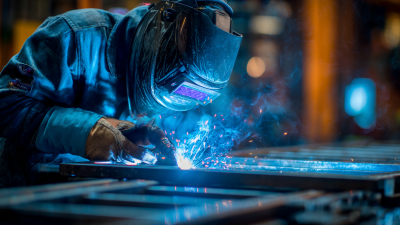
In today’s super competitive manufacturing world, picking the right equipment can honestly make or break your business. Take the High Frequency Welder, for example — it’s proving to be an absolute game-changer for lots of industries. This piece of gear helps you weld faster and more efficiently, giving your overall productivity a real boost. Companies like WeldTech have already tapped into its potential and seen some pretty impressive results.

Honestly, investing in a High Frequency Welder isn’t just about speeding things up — it also means you get better precision and higher quality finished products. Its quick cycle times and lower heat input help create items with hardly any distortion. But, here's the catch—this isn’t a one-size-fits-all kind of deal. You really need to think about whether it suits your specific needs before jumping in.

With the right guidance and a bit of know-how, you can definitely get some major benefits from it. Sure, the tech behind these welders is pretty complex, but the payoff can be huge. Sometimes, taking a good look at your current setup might show you that an upgrade is just what you need to stay ahead in the game. It’s worth considering how this tool can fit into your operational goals — just make sure you weigh the possible challenges too.

Why Choose a High Frequency Welder for Your Business?

Benefits of High Frequency Welding Technology in Industrial Applications

High-frequency welding technology has revolutionized the industrial sector. Its ability to bond materials efficiently offers several advantages. For instance, studies indicate that high-frequency welding can increase production speeds by up to 25%. This efficiency can be a game-changer for businesses aiming to meet rising demand.

In terms of energy consumption, a High Frequency Welding Machine uses significantly less power compared to traditional welding methods. Reports show an energy savings potential of around 30%. This reduction not only lowers operational costs but also contributes to environmental sustainability. Efficient energy use can lead to enhanced corporate responsibility, which many consumers now value.

However, transitioning to high-frequency technology may require a learning curve. Workers must be trained properly to harness the machine’s full capabilities. Companies might face initial challenges in adapting. Nonetheless, the long-term benefits often outweigh these short-term issues. Embracing high-frequency welding can position a business as an industry leader in innovation and sustainability.

Why Choose a High Frequency Welder for Your Business? - Benefits of High Frequency Welding Technology in Industrial Applications

Feature Description Benefits
Speed High frequency welding processes are typically faster than traditional methods. Increased production efficiency and reduced labor costs.
Versatility Can be used on a variety of materials, including plastics, metals, and composites. Flexibility to adapt to different projects and materials.
Cost-Effectiveness Reduction in energy consumption and waste compared to other welding methods. Lower operational costs and higher profit margins.
Quality of Weld Produces strong, durable welds with less thermal distortion. Improved product reliability and reduced returns or defects.
Automation Easily integrated into automated production lines. Increases throughput and reduces manual handling.

Key Features of High Frequency Welders for Enhanced Productivity

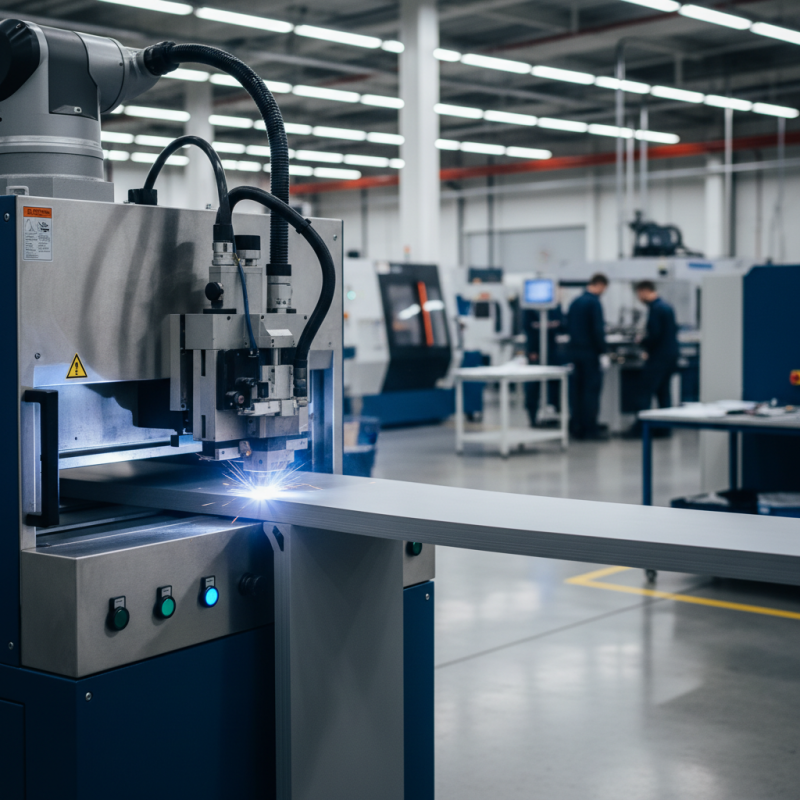
High-frequency welders stand out for their efficiency and precision. A key feature is their ability to create strong bonds through rapid electrical pulses. This method significantly reduces the time needed for welding, allowing for a quicker production cycle. Businesses can benefit from heightened output with less manpower, which is essential in today's competitive market.

Another vital aspect is the adaptability of high-frequency welders. They can work on various materials, making them versatile tools in manufacturing. Whether it’s plastics or textiles, these welders deliver consistent quality. However, their complexity may require skilled operators to maximize their potential. Without proper training, businesses may face challenges in achieving optimal results.

Maintenance is also crucial for high-frequency welders. Regular checks ensure that the equipment operates at peak efficiency. Neglecting this can lead to decreased productivity and increased costs. The initial investment may seem steep, but the long-term benefits often outweigh the price. Recognizing these features is essential for anyone considering high-frequency welding solutions in their operations.

Cost-Effectiveness: Analyzing the Investment in High Frequency Equipment

Investing in high frequency equipment can lead to significant cost savings. According to a recent industry report, High Frequency Sealing Machines can reduce production time by up to 30%. This increase in efficiency can directly translate into higher output and improved profitability. Aligning production processes with high frequency technology often results in less material waste, which is vital for budget-conscious businesses.

Initial investments may seem high, but the long-term benefits outweigh these costs. The average return on investment for high frequency equipment is approximately 20-25% within the first year. Maintenance costs for High Frequency Sealing Machines are generally lower compared to traditional methods. However, there may be a learning curve. Employees may need training to maximize efficiency. Adapting to new technology poses challenges, but the payoff can be substantial.

Reliable data indicates that businesses using high frequency systems report 40% fewer defects in their products. This improvement enhances customer satisfaction and reduces rework expenses. Yet, transitioning to high frequency systems is not without risks. Companies must evaluate their specific needs and operational context. Careful analysis is essential to ensure that the switch to high frequency technology aligns with overall business goals.

Applications of High Frequency Welding Across Various Industries

High frequency welding has seen growing applications across various industries, from textiles to automotive. This technology utilizes high-frequency electromagnetic fields to create strong, durable seams. Notably, the global high frequency welding market is projected to reach $3.6 billion by 2026, reflecting its increasing adoption.

In the textile industry, high frequency welding is transforming how materials are joined. For instance, manufacturers use this method for waterproof seams in outdoor gear. According to a report by Smithers Pira, high-frequency welding offers a 30% faster production rate than conventional methods. This speed can meet rising consumer demands while maintaining quality.

In the automotive sector, high frequency welding is pivotal for joining plastic components. Research shows that it enhances structural integrity, crucial for safety applications. Connecting various components helps reduce the weight of vehicles, potentially improving fuel efficiency by 10%.

Tip: Evaluate your production needs carefully before investing. Seek advice from industry experts to align your goals. Regular training for staff on high frequency welding techniques can further enhance output quality.

Tip: Check for energy efficiency in your High Frequency Welding Machines. Efficient machines can reduce long-term operational costs. Notably, tracking energy usage can reveal insights for future savings.

Comparative Analysis: High Frequency vs. Traditional Welding Methods

High Frequency Vibration Welding offers several advantages over traditional methods. One major benefit is its ability to achieve precise control during the welding process. This technique uses high-frequency vibrations to join materials, leading to strong and durable seams. In contrast, traditional welding often relies on heat alone, which can cause material distortion and weak joints.

Another aspect to consider is the speed of High Frequency Vibration Welding. This method significantly reduces production time. While traditional processes may involve lengthy heating and cooling periods, high-frequency welding minimizes these steps. However, it’s essential to ensure that operators are trained properly. Mismanagement in settings can lead to poor weld quality.

Tips: Always assess the materials you are working with. Some materials may react better to High Frequency Vibration Welding than others. Ensure the equipment is calibrated correctly for the specific tasks. Regular maintenance will help sustain the effectiveness and reliability of the welder, preventing unexpected downtimes.

Choosing between these methods can be complicated. Reflect on the project requirements. Sometimes traditional welding techniques may still be the best fit for specific applications. Be open to experimenting with both techniques to find the right balance for your business needs.

Maintenance and Longevity of High Frequency Welding Machines

Why Choose a High Frequency Welder for Your Business?

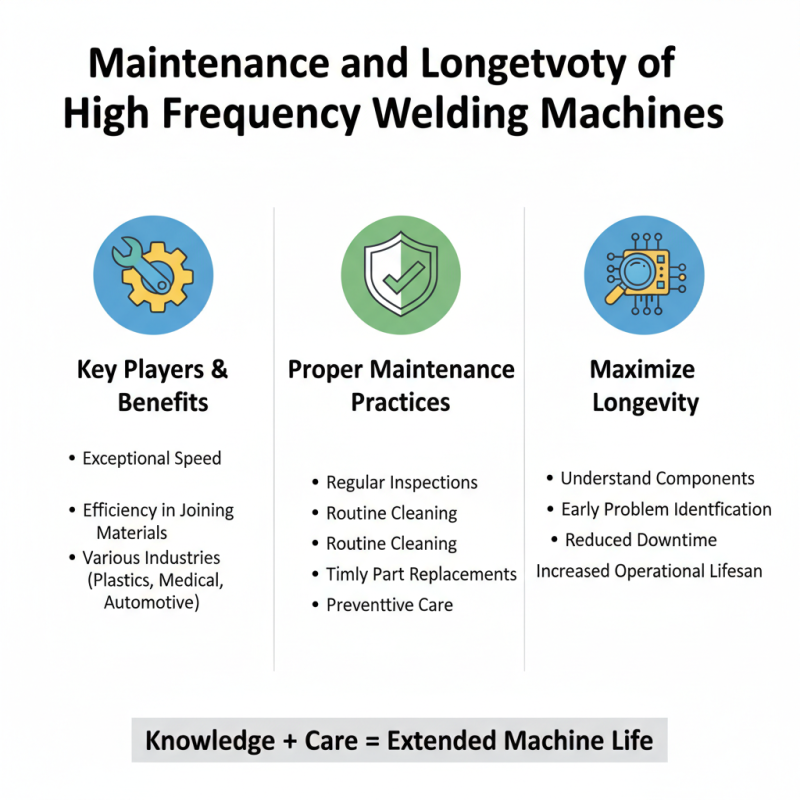
High Frequency Welding machines are key players in various industries. They offer exceptional speed and efficiency in joining materials. However, their longevity depends significantly on proper maintenance practices. Regular inspections, cleaning, and timely part replacements can prevent issues before they arise. Understanding the machine's components can also help in identifying potential problems early.

For example, the electrodes in High Frequency Welding machines require frequent monitoring. A worn-out electrode can lead to poor weld quality. Regularly checking and adjusting the pressure settings is essential too. Regular maintenance not only extends the life of the machine but also ensures consistent performance. Operators should log maintenance activities to track any patterns that may indicate underlying issues.

A common oversight is neglecting software updates. High Frequency Ultrasonic Welding technology continues to evolve, and outdated software can lead to inefficiencies. Training staff on these machines fosters a culture of care and responsibility. Encouraging questions and discussions about machine performance can reveal valuable insights. A proactive approach to maintenance creates a more reliable production environment.

Future Trends: Innovations in High Frequency Welding Technology

High-frequency welding technology is evolving rapidly. Industry experts project significant growth in this sector. According to a recent market analysis report, the high-frequency welding market is anticipated to reach $5.5 billion by 2026, growing at a compound annual growth rate (CAGR) of 6.3% from 2021. This trend indicates a strong interest in efficiency and cost-effectiveness in manufacturing.

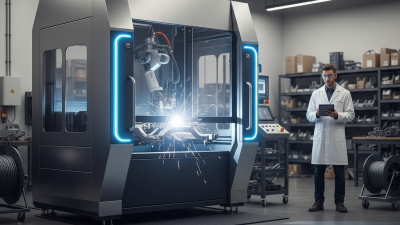
Recent innovations focus on improving energy efficiency and reducing production time. Some companies are investing heavily in automated systems. These systems integrate advanced sensors and IoT technology for real-time monitoring. This can reduce errors and increase precision. Despite these gains, adapting to new technology can be challenging. Companies must train staff to effectively use these systems.

Sustainability is another vital aspect. High-frequency welding produces less waste compared to traditional methods. Reports show that it can cut material waste by up to 30%. However, companies face challenges in balancing sustainability and cost. Some may hesitate to fully invest in these eco-friendly technologies due to upfront costs. The path forward involves careful consideration of both innovation and practicality.

High Frequency Welding Technology Trends

This chart illustrates the growth trends in high frequency welding technology, focusing on the percentage adoption across various industries from 2021 to 2025.

FAQS

: What are the main advantages of high-frequency welding technology?

: High-frequency welding technology significantly boosts production speeds and reduces energy consumption. It can increase speeds by up to 25% and save energy by around 30%.

How does high-frequency welding contribute to sustainability?

The technology lowers operational costs through reduced energy use. This aligns with consumer values about environmental responsibility.

Is there a learning curve when switching to high-frequency welding?

Yes, transitioning requires training for workers. Companies may struggle initially but benefits usually outweigh these challenges.

What are the potential cost savings from high-frequency equipment?

Investments can lead to major savings. Projects report up to 30% less production time and a return on investment of 20-25% in the first year.

Do businesses see fewer defects with high-frequency systems?

Yes, firms report approximately 40% fewer defects. This improvement helps in reducing rework expenses and enhances customer satisfaction.

What maintenance practices are essential for high-frequency welding machines?

Regular inspections, cleaning, and timely part replacements are crucial. Monitoring machine components helps prevent future issues.

How important are software updates for maintenance?

Very important. Outdated software can cause inefficiencies and hinder machine performance. Regular updates are often overlooked.

What common mistakes do operators make regarding maintenance?

Operators sometimes neglect monitoring electrodes and pressure settings. This can lead to poor weld quality.

Can training affect the maintenance culture around these machines?

Yes, training fosters responsibility. Encouraging discussions about performance yields valuable insights for improvements.

What is a common challenge when adopting high-frequency technology?

The shift can introduce challenges in adaptation and efficiency. Companies must carefully evaluate their operational contexts.

Conclusion

High Frequency Welders have become increasingly popular in various industrial applications due to their numerous benefits, including enhanced productivity and cost-effectiveness. These machines utilize advanced welding technology, which enables faster processing times and produces high-quality joints. Key features of High Frequency Welders, such as precise control and efficiency, significantly contribute to increased operational output.

Moreover, a comparative analysis highlights the advantages of High Frequency Welding over traditional methods, showcasing its flexibility across a wide range of industries. Regular maintenance and an understanding of the longevity of these welding machines are crucial for maximizing their value. As industries continue to evolve, the future trends in High Frequency Welding technology promise further innovations, enhancing the capabilities and applications of these powerful machines.

Ethan

Ethan

Ethan is a seasoned professional with over 20 years of expertise in the field of ultrasonic plastic welding at Chengguan. His deep understanding of ultrasonic technology enables him to provide valuable insights into the company's wide array of products, including ultrasonic plastic welding systems,......
Previous China Best OEM CE Certification Ultrasonic Welding Psa Card Manufacturer Insights?