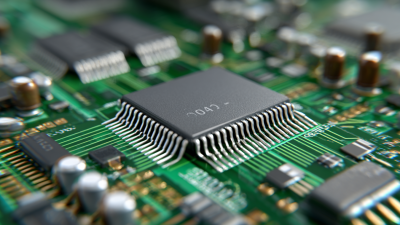
These days, in the super fast-paced world of electronics, making sure your Electronic Component Packaging is done right is more important than ever. I mean, a report from IPC points out that almost 30% of electronic failures actually come down to packaging problems. That really underscores just how crucial your choice of materials and design are — picking the right encapsulant or casing can make all the difference in how well your device performs.
And get this — a study by the Electronics Packaging Association found that over half of the companies (about 57%) struggle with thermal management. If not handled properly, that can lead to overheating and, honestly, shortening the lifespan of your product. So, understanding the properties of different materials isn’t just useful — it’s a must. Staying up-to-date with the latest tech advances in packaging can really give you a leg up.
Oh, and here’s another thing often overlooked: environmental factors. Things like moisture and temperature swings can seriously mess with packaging integrity, causing components to degrade faster. Companies really should step back and evaluate whether their current practices are up to scratch, and consider adopting best practices from industry experts. Plus, investing in proper training and skill-building is crucial — if not, it becomes a huge challenge to keep reliability high in Electronic Component Packaging. Bottom line? Staying vigilant and continuously learning is key to keeping your stuff working properly.
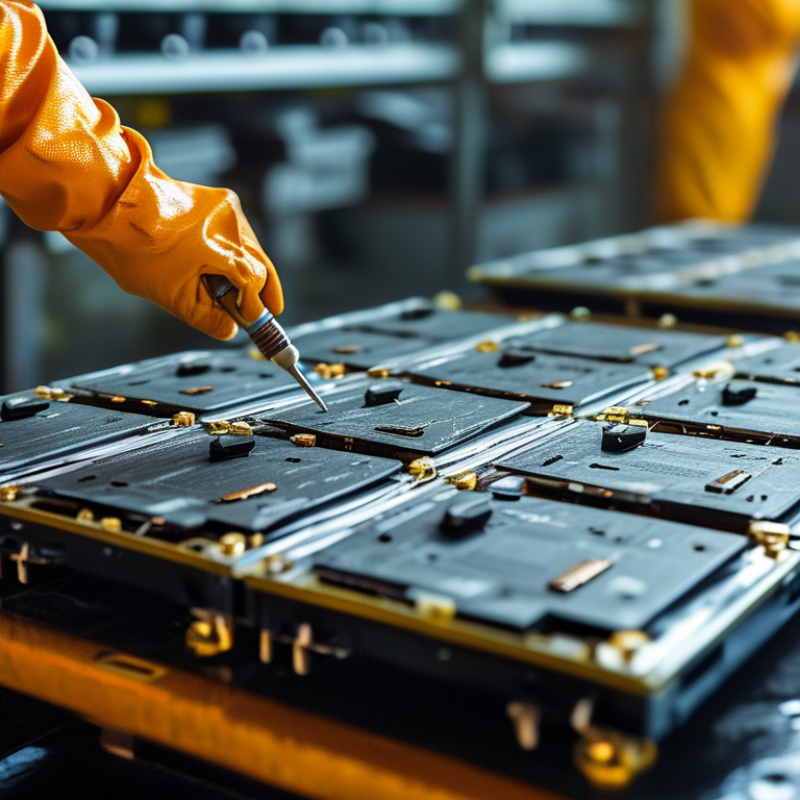
Understanding the Importance of Packaging in Electronics Manufacturing
In electronics manufacturing, packaging plays a crucial role that often goes unnoticed. Effective packaging protects components from environmental factors, ensuring reliability. According to a report by the IPC, poor packaging can lead to a 30% increase in failure rates during Electronic Component Welding. This statistic highlights the need for robust and efficient packaging solutions.
The right packaging not only preserves sensitive components but also enhances supply chain efficiency. It reduces shipping costs and minimizes product returns due to damage. In fact, research shows that well-designed packaging can reduce shipping damages by up to 25%. However, many manufacturers overlook this aspect, leading to preventable losses and decreased customer satisfaction.
Additionally, many companies fail to adapt to new packaging technologies, which can compromise product safety. A study conducted by Smithers Pira revealed that nearly 40% of electronics manufacturers do not regularly review their packaging strategies. This lack of reflection can hinder progress and innovation. Addressing these packaging shortcomings is essential for enhancing product integrity and ultimately driving success in the competitive electronics market.
Key Considerations for Material Selection in Component Packaging
When selecting materials for electronic component packaging, various factors play a crucial role. Understanding the properties of different materials can enhance both performance and reliability. For instance, using thermoplastic materials often contributes to better thermal stability. This is increasingly vital for applications facing extreme temperature fluctuations. Reports indicate that proper material selection can lead to a 30% increase in component lifespan.
Moisture barrier properties are another vital consideration. Components exposed to humidity can face serious risks. The right encapsulants can provide protection against such environmental factors. A reliable study shows that choosing suitable materials can reduce failure rates by up to 40%. Moreover, electrical insulation properties are critical. Components must maintain performance without risking short circuits.
The reality of material sourcing can complicate decisions. Shortages or cost fluctuations can lead to compromises. Engineers must often balance ideal circumstances against practical limitations. It's worth noting that overemphasis on cost savings can lead to future issues during the "Electronic And Electrical Welding" process. Taking time to evaluate the long-term effects is necessary. Consider not only the immediate outcomes but potential future challenges as well.
Impact of Environmental Conditions on Electronic Component Longevity
Environmental conditions play a crucial role in the longevity of electronic components. Humidity, temperature, and exposure to dust can significantly impact performance and lifespan. For instance, high humidity levels can lead to corrosion, while extreme temperatures can cause thermal stress. These factors should be addressed during the packaging process.
Packaging materials must be selected carefully. They should provide protection from moisture and temperature fluctuations. Using moisture barrier films can help prevent humidity-related damage. Additionally, controlled environments during storage and transportation are necessary. Without these precautions, components risk degradation before they even reach the end-users.
Sustainable practices need consideration as well. Some eco-friendly packaging solutions may not offer the same level of protection as traditional materials. This raises questions about balancing environmental responsibility with reliability. It's essential to evaluate the trade-offs to ensure long-term success. The choice of packaging should be a reflection of both environmental goals and the need for durability in electronic components.
Best Practices for Designing Protective Packaging Solutions
When designing protective packaging solutions for electronic components, attention to detail is vital. Proper packaging can prevent damage during transit and storage. Start by choosing materials that cushion and support electronic parts. Foam, bubble wrap, and antistatic materials are popular options. Each choice must align with the specific needs of the components.
One tip is to test your packaging in real-world scenarios. This helps identify weaknesses you may not have considered. For example, excessive movement inside the package can be an issue. Conduct drop tests to see how your design holds up. It’s crucial to refine your design based on these tests. If you notice areas where improvement is needed, take time to adjust. A small change can make a significant difference.
Design for the end-user is another critical factor. Understand how your packaging will be handled after leaving your facility. Easy opening features can enhance the user experience. Consider using graphics or labels to convey handling instructions. These elements improve reliability and build customer trust in your products. Keep questioning your methods. Continuous improvement leads to better packaging solutions.
Essential Tips for Electronic Component Packaging Success - Best Practices for Designing Protective Packaging Solutions
| Tip | Description | Materials | Testing Method |
| Use Anti-Static Materials | Protects sensitive components from electrostatic discharge (ESD) | ESD foam, conductive bags | ESD testing equipment |
| Cushioning Design | Minimizes impact during transportation | Bubble wrap, molded pulp | Drop test |
| Moisture Barrier | Prevents corrosion and damage from humidity | Moisture barrier bags, desiccants | Humidity testing |
| Labeling and Documentation | Ensures proper handling and identification of components | Self-adhesive labels, printed documentation | Compliance checks |
| Sealing Techniques | Prevents contamination and exposure during shipping | Heat seal, adhesive tape | Seal integrity tests |
Innovative Technologies in Electronic Packaging and Their Benefits
Innovative technologies in electronic packaging are shaping the future of electronics. Advanced materials such as thermally conductive plastics and nano-coatings play a significant role in enhancing heat dissipation. According to a report by the Electronics Packaging Industry Council, improved thermal management can extend the lifespan of components by up to 50%. These innovations also dramatically reduce the size and weight of electronic devices.
3D packaging techniques are gaining traction. This method allows for vertical stacking of integrated circuits. The result is a substantial reduction in interconnection lengths, which improves signal integrity. A study published in the International Journal of Electronics states that 3D packaging can potentially increase circuit density by 70%. However, this complexity in design may lead to challenges in manufacturing and testing.
Another noteworthy development is the rise of bio-compatible materials for medical devices. These materials not only ensure safety but also enhance performance in sensitive applications. However, the transition to innovative materials requires careful consideration of compatibility and reliability. Supply chain disruptions could also impact the pace of these advancements. The industry must remain agile and adaptable to overcome these hurdles.
Regulatory Standards and Compliance for Electronic Packaging
In the arena of electronic component packaging, regulatory standards play a pivotal role. Compliance with these standards is mandatory for successful packaging operations. According to a recent industry report, 70% of packaging failure can be traced back to a lack of compliance with established guidelines. This statistic underscores the need for thorough understanding and adherence to these requirements.
Different regions have distinct regulations that impact packaging design. For instance, the EU RoHS directive and the US EPA regulations often dictate materials used in Disposable Instrument Packaging. A study revealed that non-compliance could lead to fines exceeding $100,000 and reputational damage. Companies often overlook these standards, leading to costly mistakes that could have been avoided.
Staying informed about changes in regulations is crucial. Regular training for staff can help. However, many organizations struggle to keep their teams updated on the latest requirements. Regular audits can be beneficial but are often neglected. As a result, firms may find themselves unintentionally non-compliant, risking their market position. This reflects a broader issue: the need to prioritize regulatory education in packaging processes.
Cost-Effective Strategies for Efficient Packaging in Electronics Industry
Cost-effectiveness is critical in the electronics industry. According to the latest report from the Electronics Packaging Association, about 20% of total production costs come from packaging. Companies must prioritize efficient strategies to reduce these expenses. One effective way is optimizing supply chain logistics. Streamlined processes can significantly cut down waste and time.
Sensor Packaging Welding is another vital area for cost efficiency. This technique involves precision joining methods that improve product performance. A recent study found that companies utilizing advanced welding technologies saw a 15% reduction in defects. This not only lowers returns but also enhances customer satisfaction.
Incorporating sustainable materials can also lead to savings. The global market for eco-friendly packaging is expected to grow by 12% annually. Companies that adopt these strategies not only reduce costs but also boost their reputation. Yet, it’s important not to overlook regular assessments of packaging performance. Continuous improvement is necessary to stay ahead in this competitive market.
FAQS
: Packaging protects components from environmental factors, ensuring reliability and performance.
Well-designed packaging can reduce shipping damages by up to 25%, minimizing costs and returns.
Nearly 40% of electronics manufacturers do not regularly review their packaging strategies.
Optimizing supply chain logistics can significantly reduce waste and improve efficiency.
Advanced welding technologies can reduce defects by 15%, enhancing product quality and customer satisfaction.
Yes, incorporating eco-friendly materials can lead to cost savings and improve brand reputation.
Many manufacturers fail to conduct regular assessments, which may hinder their progress.
By ensuring effective packaging and reducing product returns through reliable solutions.
Continuous reflection on packaging strategies is crucial to remain competitive in the market.
Conclusion
Electronic Component Packaging plays a crucial role in the electronics manufacturing industry, as it not only protects components but also enhances their longevity and performance. Understanding the importance of proper packaging is essential, with key considerations including material selection to withstand environmental conditions, which can significantly impact the durability of the electronic components.
Adopting best practices in designing protective packaging solutions, along with utilizing innovative technologies, can lead to improved efficiency and compliance with regulatory standards. Moreover, implementing cost-effective strategies is vital for optimizing packaging processes without compromising on quality. Ultimately, a comprehensive approach to Electronic Component Packaging can drive success and sustainability within the electronics sector.


 1Durch die gruppenweite Einführung und Harmonisierung unseres integrierten Managementsystems (IMS) werden alle bestehenden Unternehmens-, Qualitäts-, Umwelt- und Energiepolitiken durch diese Unternehmenspolitik ersetzt. Der Slogan „Textil hat Zukunft – auch in De