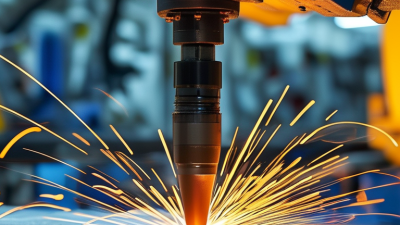
You know, Thermoplastic Weldinghas really become a game-changer in manufacturing today. According to a report from Research and Markets, the global market for thermoPlastic Welding is expected to hit over $3 billion by 2025. That’s mainly thanks to advances in both technology and materials — pretty impressive! This boom shows how industries like automotive and aerospace are craving faster, more efficient ways to produce parts.
From what I’ve seen, speed and flexibility are huge advantages here. Unlike the old-school methods, techniques like ultraSonic Welding can snap components together in just seconds, which really cuts down on production times. Companies like Branson Ultrasonics and Herrmann Ultrasonics are pushing the envelope, coming up with new stuff that makes welds even better and more reliable. Still, it’s not all smooth sailing — investing in proper training and equipment can be a bit of a hurdle for some businesses.
And, honestly, it’s not a perfect process. Things like operator experience and material compatibility can cause problems if not handled carefully. It’s really important for manufacturers to keep improving their skills and understanding of the materials to get the best results. Overall, by facing these challenges directly, companies can unlock the full potential of Thermoplastic Welding and better integrate it into their production lines.
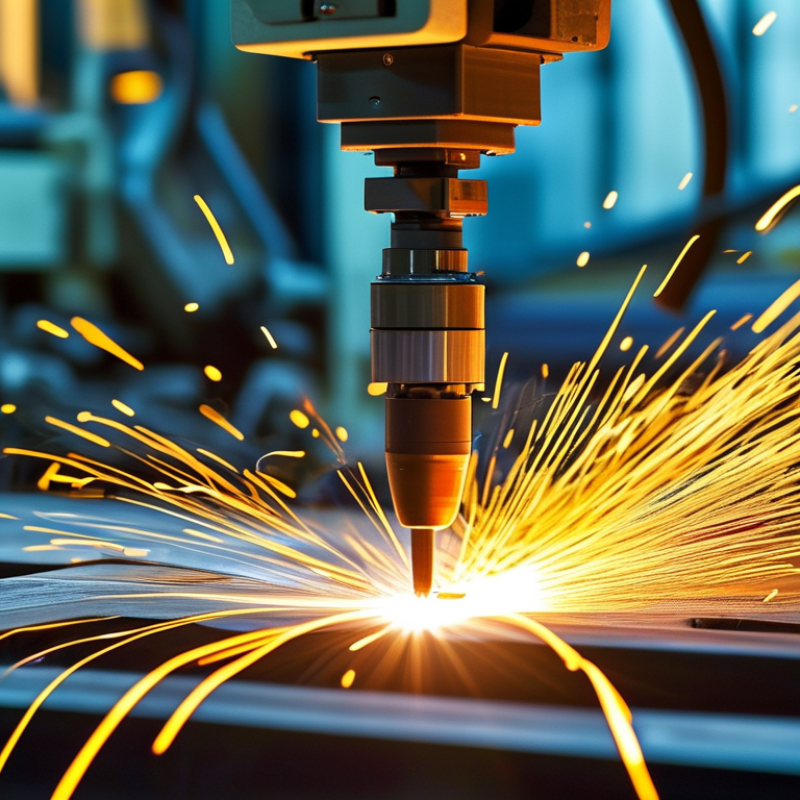
Overview of Thermoplastic Welding Techniques
Thermoplastic welding techniques are essential for various industries. They offer efficient bonding solutions, particularly for manufacturing processes involving plastic materials. Common processes include hot air welding, ultrasonic welding, and laser welding. Each technique has its own strengths and applications.
A significant advantage of thermoplastic welding is its versatility. Hot air welding is widely used due to its simplicity. The technique can be easily adapted for different material thicknesses. Ultrasonic welding is invaluable for assembling delicate parts, especially in Electronic Component Welding. It generates localized heat to create strong bonds without damaging surrounding materials. However, this method may require precise control over parameters.
Laser welding offers high precision and speed, making it ideal for complex shapes. Yet, the cost of equipment can be a barrier for smaller operations. While these techniques are efficient, they may produce waste material that requires further management. Companies must also consider the training needed for workers. Adapting to new methods may take time and resources. Ultimately, selecting the right technique depends on specific production needs and constraints.
Key Principles Behind Thermoplastic Welding Processes
Thermoplastic welding offers various methods to join materials efficiently. A key principle in these processes is the control of heat application. Precision in temperature is vital. Too much heat can damage the materials, while insufficient heat may lead to weak joints. Understanding the thermal properties of the thermoplastics being used allows for better outcomes. Careful calibration can significantly elevate the quality of welds.
Another important concept is joint design. Effective joint designs enhance the strength of the weld while accommodating the properties of Dissimilar Materials Welding. The interaction between different materials can be unpredictable. Engineers often face challenges when combining materials with varying melting points and thermal expansion rates. Reflecting on past projects helps improve future decisions regarding joint designs.
The choice of welding technique also matters. Techniques like hot gas welding or ultrasonic welding can produce different results based on the materials involved. Factors such as energy input and cooling rates can determine the weld's overall strength. Maintaining an open mind about evolving techniques is essential. As new methods emerge, the industry continues to refine these processes for better efficiency and reliability.
Ultrasonic Welding: Fast and Efficient Joining Method
Ultrasonic welding is a powerful joining technique. It utilizes high-frequency ultrasonic vibrations to bond thermoplastic materials. This process is rapid and efficient, making it popular in various industries. By using high-energy sound waves, ultrasonic welding creates localized heat. This heat melts the surfaces of the parts to be joined, allowing them to fuse together.
One of the key advantages of ultrasonic welding is speed. The entire process can take mere seconds. This is crucial in high-volume production settings. However, it requires proper machine calibration and material selection. Mistakes here can lead to weak joints. Not every material responds well to ultrasonic techniques, so careful testing is essential.
Despite its many benefits, ultrasonic welding is not without challenges. It may not be suitable for complex geometries. Additionally, the initial setup costs can be high. This requires manufacturers to weigh these factors seriously. Investing in the right technology is essential for achieving optimal results in both efficiency and quality.
Laser Welding: Precision Joining for Complex Shapes
Laser welding has gained prominence in thermoplastic applications, especially for complex shapes. This technique offers a high degree of precision, making it ideal for intricate designs. The process involves focusing a powerful laser beam on the thermoplastic material. As the laser melts the surface, it creates a strong bond without affecting the surrounding area. A notable advantage is the minimal heat input, reducing warping and distortion.
However, laser welding comes with its own set of challenges. Controlling the intensity and focus of the laser is critical. Any miscalculation can lead to inadequate welds or even damage the parts. Material compatibility also plays a significant role. Not all thermoplastics respond equally to laser welding, necessitating thorough material testing beforehand.
The efficiency of laser welding can greatly improve production times. When executed correctly, it streamlines the assembly process. On the downside, initial setup costs for laser welding equipment can be high. Companies must weigh the benefits against these costs. Overall, while laser welding offers exceptional precision, careful planning and execution are essential for successful outcomes.
Hot Plate Welding: Reliable Method for Thick Materials
Hot plate welding is a well-established method for bonding thermoplastic materials, especially those that are thick. This technique involves heating two surfaces until they reach a melting point. Once adequately heated, the surfaces are pressed together, allowing them to fuse. This creates strong, durable joints. Many industries utilize hot plate welding for its reliability and efficiency.
The process is not without its challenges. Achieving the right temperature is crucial. Too high a temperature can degrade the material, while too low may result in weak joints. Precision and control are essential throughout the welding process. Operators must monitor the heating time carefully to avoid inconsistencies. Operator training is vital for ensuring high-quality results.
Despite its advantages, hot plate welding remains a learning experience for many practitioners. Each material behaves differently under heat. Even slight variations in thickness can lead to unexpected results. Continuous improvement and adjustment are key to mastering this method. It's important for professionals to remain open to feedback and innovation in their approach.
Vibration Welding: Versatile Solution for Different Geometries
Vibration welding stands out as a versatile technique in thermoplastic welding. This method is ideal for joining complex geometries. It uses mechanical vibrations to generate heat at the interface of two thermoplastic parts. The result is a strong, durable bond, suitable for various applications.
One advantage of vibration welding is its adaptability. It can effectively weld parts of different shapes and sizes. It works well for both large and small components. Some applications include automotive parts and electronic housings. The equipment required for this process is often more affordable compared to other methods, like ultrasonic welding. However, achieving optimal results requires careful consideration of parameters.
Despite its strengths, there are limitations. Not all thermoplastic materials are suitable for vibration welding. Challenges may arise with specific combinations of materials. Additionally, the process is sensitive to alignment and fixture design. These factors may affect the quality of the weld. Observing these nuances is essential for engineers.
Spin Welding: Quick Assembly for Circular Parts
Spin welding stands out as a favored technique in thermoplastic welding, particularly for circular parts. This method employs friction generated by rotational motion to bond materials seamlessly. As components spin, heat builds up at the joint. This allows the adjacent surfaces to reach a melting point quickly. The result is a strong and durable bond, ideal for various applications.
However, spin welding does have limitations. The parts must have a cylindrical shape, which restricts its applicability. Moreover, precision is crucial. Inaccurate alignment can lead to weak spots in the weld. Operators must ensure the correct setup for optimal results. Mistakes here can result in compromised integrity, undermining the entire production.
Additionally, while spin welding can enhance efficiency, it requires careful monitoring of parameters. Too much friction can cause overheating, damaging the parts. Operators must balance speed and pressure to achieve a reliable bond. Continuous training and skill development are essential for effective use of this technique. It's a mix of art and science, emphasizing the need for constant evaluation and improvement.
Top 10 Thermoplastic Welding Techniques for Efficient Production
| Welding Technique | Material Type | Application | Speed (seconds) | Strength (MPa) |
| Spin Welding | Polypropylene | Automotive Parts | 5-10 | 30-40 |
| Ultrasonic Welding | Polyethylene | Medical Devices | 1-2 | 25-35 |
| Laser Welding | Polycarbonate | Electronics Housing | 3-5 | 50-60 |
| Friction Welding | PVC | Piping Systems | 10-15 | 20-30 |
| Hot Air Welding | Acrylic | Signage | 15-20 | 18-28 |
| Thermal Welding | Nylon | Textiles | 8-12 | 22-32 |
| Electrofusion Welding | Polyethylene | Gas Pipe Systems | 10-15 | 35-45 |
| Extrusion Welding | Polypropylene | Industrial Liners | 5-10 | 20-30 |
| Plasma Welding | PTFE | Chemical Processing | 4-6 | 40-50 |
| Resistance Welding | Polyester | Automotive | 7-9 | 15-25 |
Electrofusion Welding: Effective for Pipe Joining Applications
Electrofusion welding is widely recognized for its effectiveness in pipe joining applications. This technique utilizes electrical current to create a seamless bond between thermoplastic materials. The process involves heating the fusion zone, allowing the edges of the pipes to melt and join together. This method is particularly useful for joining polyethylene pipes in various applications, such as water distribution.
One advantage of electrofusion welding is its simplicity. Workers need minimal training to operate the equipment, enhancing efficiency on the production floor. The consistency of the weld quality is crucial for long-term durability. However, challenges exist. Operators must ensure proper surface preparation to prevent defects. Additionally, maintaining the right temperature during the welding process is essential. Any oversight may result in weak joints, undermining the reliability of the system.
In the realm of Consumer Electronics Welding, electrofusion techniques are increasingly relevant. As manufacturers aim for lightweight, durable materials, finding the correct welding method is critical. While this method offers many benefits, companies must continue to refine their processes. Exploring new technology could improve effectiveness and reduce waste. Industry professionals should stay informed about best practices to achieve the best results.
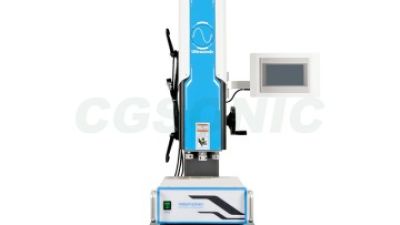
Analyzing the Market Trends and Innovations in Ultrasonic Welding: A Close Look at CGSF Servo Ultrasonic Plastic Welding Machine
The advancement of ultrasonic welding technology has ushered in a new era for plastic manufacturing, particularly highlighted by the emergence of servo ultrasonic plastic welding machines. These innovative devices stand at the forefront of automation and precision in welding applications, making significant contributions to the efficiency and quality of production processes. At the core of these machines lies the servo system, which guarantees high welding precision by providing accurate control over welding position, depth, and other crucial parameters. This precision fosters product consistency, essential for meeting rigorous quality standards in today's competitive market.
Furthermore, the stable energy output of ultrasonic welding machines is a critical factor that sets them apart. The consistent delivery of ultrasonic energy ensures adaptability to various plastic materials and welding requirements, culminating in superior weld quality. These machines are designed not only to accommodate diverse applications but also to operate intelligently. By incorporating preset welding parameters with storage and recall functions, they enhance ease of operation and support automated production. The result is a system that not only improves reliability but also reduces the potential for human error.
The efficiency of servo ultrasonic plastic welding machines is another compelling advantage. With fast welding speeds and short cycle times, these machines significantly boost productivity, allowing manufacturers to optimize their workflow. As the industry continues to evolve, the incorporation of such advanced ultrasonic welding technologies will undoubtedly play a pivotal role in shaping the future of plastic processing, driving innovations that align with market trends and operational demands.
FAQS
: These techniques bond plastic materials efficiently, using methods like hot air, ultrasonic, and laser welding.
It's easy to adapt to different material thicknesses and is straightforward to use in various applications.
It generates localized heat, allowing delicate parts to be assembled without damaging nearby materials.
The equipment is often expensive, making it less accessible for smaller businesses or operations.
Achieving the right temperature is crucial. If the temperature is too high, materials can degrade, creating weak joints.
Proper training ensures high-quality results and helps operators monitor heating times accurately to maintain consistency.
Different materials behave uniquely under heat. Variations in thickness can lead to unexpected welding results.
The choice depends on specific production needs and constraints faced by the industry.
Continuous feedback and adjustment are essential. Embracing innovation can lead to better outcomes in welding techniques.
Conclusion
Thermoplastic welding encompasses various techniques ideal for efficient production across industries. This article explores several key methods, each suited to specific applications. Ultrasonic welding stands out for its speed, making it perfect for rapid assembly, while laser welding offers precision, allowing complex shapes to be joined seamlessly. Hot plate welding is reliable for thicker materials, ensuring strong connections, whereas vibration welding provides versatility for components with varying geometries. Spin welding is a quick solution for circular parts, enhancing productivity during assembly. Additionally, electrofusion welding proves effective in joining pipes, making it a critical method in plumbing and infrastructure.
Understanding the principles behind these thermoplastic welding techniques allows manufacturers to optimize their processes and select the most appropriate method for their specific needs, leading to enhanced efficiency and productivity in production.


 1Durch die gruppenweite Einführung und Harmonisierung unseres integrierten Managementsystems (IMS) werden alle bestehenden Unternehmens-, Qualitäts-, Umwelt- und Energiepolitiken durch diese Unternehmenspolitik ersetzt. Der Slogan „Textil hat Zukunft – auch in De