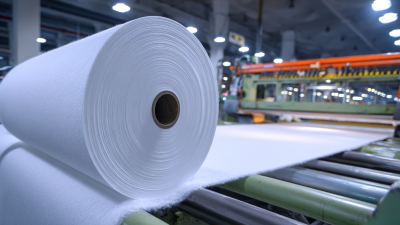
By 2026, buyers around the world are thinking differently about how fabrics are joined, sealed, and finished. There's this cool technology called Ultrasonic Sewing Machines—basically, they use high-frequency vibrations to bond compatible thermoplastic materials without needing needles or thread. It’s pretty nifty because it can give you clean seams, cut down on puncture marks, and even speed up production in certain cases. You’ll find different types out there, like rotary wheel systems, spot welders, lace machines, and tape-sealing setups—each designed for a specific task.
In this guide, I’ll walk you through the main types of ultrasonic sewing machines used across industries like apparel, medical textiles, hygiene products, packaging, and technical fabrics. We’ll look at things like how strong the seams are, what materials they work best with, how fast they run, their energy efficiency, what kind of maintenance they need, and how easy they are for operators to use.
Compared to traditional sewing machines, ultrasonic ones might reduce thread consumption and make some finishing tasks simpler. But honestly, the results really depend on the fabric you're working with—things like fabric type, thickness, horn design, pressure, and vibration settings all play a part. For example, a machine that seals polypropylene nonwovens might not be so great with coated polyester or layered fabrics. So, testing on your actual materials is a must.
When you’re evaluating options, it’s smart to do sample trials, check how they perform during continuous runs, make sure spare parts are easy to get, and see what kind of support the supplier offers. It’s better to rely on measurable test results instead of just shiny promises. Also, look for independent certifications, clear quality procedures, and transparent warranties—that stuff helps you feel more confident about your purchase. Just remember, no single machine is perfect for every factory. It’s worth taking a second look and finding a reliable balance between productivity, seam quality, safety, ease of maintenance, and long-term costs.
This overview should give you a solid starting point to compare options globally and pick equipment that really fits your actual production needs.
Ultrasonic Sewing Machine Basics and Operating Principles
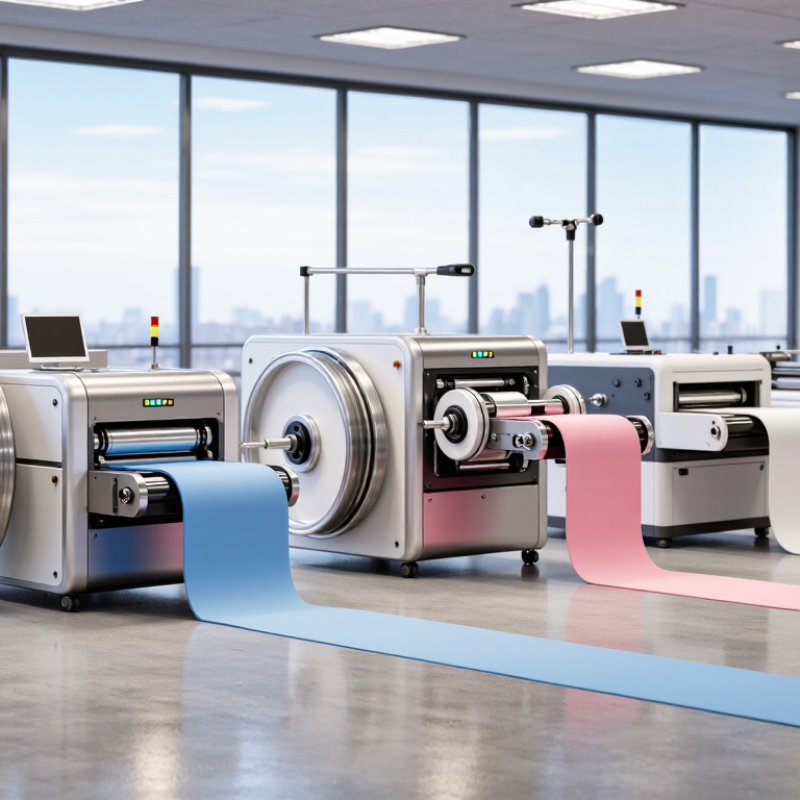
An Ultrasonic Sewing Machine joins thermoplastic fabrics without thread, needles, or liquid adhesive. It uses high-frequency vibration, commonly around 20–40 kHz, between a horn and an anvil. Pressure and friction create localized heat. The fabric edges soften, merge, and cool into a sealed seam within fractions of a second.
The method suits polyester, polypropylene, nylon, and many coated materials. Natural fibers alone usually respond poorly. The machine needs correct amplitude, pressure, welding time, and fabric tension. Small changes matter. A seam may look clean but fail during flexing.
In production trials, operators often test peel strength, air leakage, and repeated bending before approval. A thicker fabric may need slower feeding or greater energy. Too much energy can leave shiny marks or brittle edges.
Market context supports this focus. Smithers’ 2024 study, The Future of Global Nonwovens to 2028, estimates the global nonwovens market could grow from about US$60.8 billion in 2023 to US$87.4 billion by 2028. That expansion increases demand for fast, threadless joining in medical, filtration, packaging, and protective textile applications. However, market growth does not guarantee process stability. Dust, uneven coatings, and worn tooling still affect seam quality. The weak point is easy to miss. Buyers should request material-specific trials, measured settings, and documented test results before selecting equipment.
Key Types of Ultrasonic Sewing Machines in 2026
In 2026, global buyers will find several key types of Ultrasonic Sewing machines. Rotary-wheel systems are widely used for continuous seams on nonwoven bags, medical fabrics, and technical textiles. Their heated-free bonding creates clean edges and reduces thread consumption. Intermittent ultrasonic machines work better for short seams, shaped parts, and precise pattern control. They pause, bond, and reposition fabric with consistent pressure.
Ultrasonic Quilting Machines add patterned seams to multilayer materials. They suit bedding, filtration products, protective covers, and lightweight composites. Slitting and edge-sealing models combine cutting with bonding, helping reduce fraying during high-speed production. Compact tabletop units can support sampling or small workshops, although their output may not match automated lines. No single type wins every trial. Material thickness, fiber content, seam strength, and production speed can change the result. A beautiful sample can still fail after washing or repeated flexing.
Tips: Test the actual fabric, not a similar substitute. Check horn width, roller design, power range, and pressure adjustment. Measure seam strength after heat, moisture, and repeated bending. Operators should receive practical training and use suitable guards. Buyers should also verify electrical standards, documentation, spare-part access, and local service support. Small mistakes matter. Over-compression may mark delicate fabric, while insufficient pressure can create weak seams. A short production trial often reveals more than a detailed brochure.
Material Compatibility and Fabric Handling Capabilities
2026 Top Ultrasonic Sewing Machine Types for Global Buyers
Material Compatibility and Fabric Handling Capabilities
Ultrasonic sewing machines perform best with thermoplastic materials. Polyester, nylon, polypropylene, acrylic, and coated textiles usually bond cleanly. Natural cotton and wool alone can be difficult because they do not melt. Blended fabrics may work when their synthetic content is high enough. Always test the actual fabric, not only its specification sheet.
In production trials, thin films and nonwoven layers handled smoothly under moderate pressure. Slippery satin-like fabrics needed edge guides and controlled feeding. Heavy laminated textiles required slower movement and careful horn alignment. Too much pressure can flatten the seam or mark the surface. Too little pressure creates weak bonding. The correct balance changes with thickness, coating, humidity, and machine frequency. No setup is perfect. Small variations matter.
Tips: Prepare test swatches with the final number of layers. Check seam strength, appearance, flexibility, and wash resistance. Record pressure, speed, and fabric direction. A simple peel test can reveal hidden weaknesses. I once approved a clean-looking seam that failed after repeated bending. That mistake reinforced a basic rule: appearance is not proof of durability. Operators should also inspect the anvil and horn regularly. Dust or residue can disturb fabric feeding and produce uneven seams. When buying globally, request compatibility trials before choosing a machine type.
2026 Top Ultrasonic Sewing Machine Types for Global Buyers
The chart compares common ultrasonic sewing machine configurations using a practical suitability index from 1 to 5. Continuous rotary systems are designed for long, consistent seams in thermoplastic nonwovens and synthetic fabrics, while stationary-horn systems are better suited to localized seams, multilayer assemblies, and controlled pattern work. Ultrasonic bonding is most effective on thermoplastic materials such as polyester, polypropylene, nylon, and acrylic; natural fibers such as cotton and wool generally require a thermoplastic blend or coating.
Essential Features for Global Industrial Buyers
Global industrial buyers need more than ultrasonic stitching speed. They need stable performance across fabrics, shifts, and power conditions. A suitable machine should offer adjustable welding pressure, vibration frequency, and horn amplitude. These controls help operators handle synthetic textiles, coated materials, and multilayer seams.
Rotary ultrasonic sewing machines suit continuous seams and high-volume production. Intermittent models provide better control around corners and small components. Some buyers search for a Machine Sewing Machine when comparing these systems, but specifications matter more than naming. Check seam width, maximum material thickness, sound levels, and cooling performance. A clear digital panel reduces setup errors. It should also store repeatable settings for different materials.
Global factories should examine electrical compatibility, spare-part access, and operator training before purchase. A machine may perform well during a short demonstration, then struggle after eight hours of heat and dust. That detail is easy to overlook. Request a sample test using your actual fabric, thread substitutes, and production speed. Inspect seam strength after washing, stretching, and repeated folding. Safety guards, emergency stops, and documented maintenance procedures are essential. Low noise is valuable, but it does not replace reliable bonding. No machine is perfect. Even experienced buyers should leave room for testing, adjustment, and honest review.
Production Speed, Precision, and Energy Efficiency Comparison
2026 Top Ultrasonic Sewing Machine Types for Global Buyers
Ultrasonic sewing machines join thermoplastic layers without conventional thread or needles. Rotary systems suit continuous seams on bags, filters, and medical textiles. Stationary-head models offer controlled sealing for small panels and shaped components. Handheld units provide flexibility, but their output depends heavily on operator skill.
Production speed varies with material weight, seam width, and pattern complexity. Continuous rotary equipment can maintain steady motion across long rolls. Stationary machines usually deliver better positioning accuracy on short, detailed seams. A Non Woven Sewing Machine should create clean edges without crushing the fabric structure. Small adjustments to pressure and vibration can prevent weak spots. That balance takes testing.
Energy efficiency is another practical difference. Ultrasonic systems generate heat mainly at the bonding interface, rather than warming an entire plate. They may reduce warm-up time and idle consumption. Actual savings depend on duty cycles, generator settings, and compressed-air requirements. Buyers should compare energy use per sealed meter, not only rated power. The shortcut is tempting. It can mislead.
In production trials, inspect seam strength after repeated flexing, washing, or handling. Check the first pieces and the last pieces. Temperature, humidity, and fabric variation can change results. I have seen fast settings create attractive seams that failed under tension. That experience is easy to overlook. Reliable purchasing requires samples, measurable tolerances, and operator feedback before installation.
How to Select the Right Ultrasonic Sewing Machine Supplier
2026 Top Ultrasonic Sewing Machine Types for Global Buyers
How to Select the Right Ultrasonic Sewing Machine Supplier
Ultrasonic sewing machines vary by structure and application. Tabletop models suit short runs and sampling. Rotary-wheel models support continuous seams on nonwoven fabrics, films, and synthetic textiles. Automated systems fit stable, high-volume production.
The machine type matters, but supplier capability matters more. Ask for a live sample using your actual fabric, seam width, and production speed. A clean demonstration is not enough. Request repeated testing.
Check the supplier’s technical experience carefully. Confirm working frequency, horn design, roller options, power stability, and adjustment controls. Ask how quickly spare transducers, rollers, and electrical parts can be supplied.
Review safety documents, electrical test records, warranty terms, and installation support.
A reliable supplier should explain limitations clearly, not promise every material will weld perfectly. That honesty is valuable.
Tips: Compare total operating cost, not only the machine price. Inspect a production line through video or an approved visit. Ask for references from similar applications. Test seam strength after washing, stretching, or heat exposure when relevant. Keep written acceptance standards.
Small details matter. A low quote can become expensive when training is weak or parts arrive late. I have seen buyers focus too heavily on speed and overlook operator skill. That choice may need reconsideration.
Supplier evaluation should include communication quality, technical records, and practical after-sales response. Reliable support protects production when settings drift or materials change.
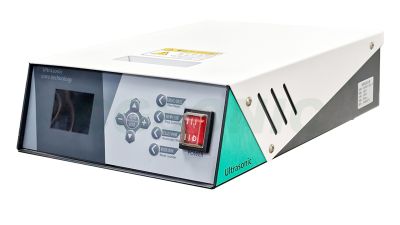
CG00 Series Ultrasonic Generator: Precision Power for Advanced Ultrasonic Applications
The CG00 Series Ultrasonic Generator delivers precision power for advanced ultrasonic applications, providing stable, multi-frequency electrical signals at common operating points such as 15 kHz, 20 kHz, 28 kHz, 30 kHz, 35 kHz, and 40 kHz. By matching the selected frequency to the connected transducer, it helps convert electrical energy into consistent mechanical vibrations and ultrasonic waves. This makes it suitable for processes that require controlled energy delivery, repeatable operation, and accurate ultrasonic performance.
Its core system combines an oscillator circuit, amplifier, and matching circuit to support efficient signal generation and power transmission. The oscillator establishes the operating frequency, while the amplifier supplies the required electrical energy and the matching circuit improves compatibility between the generator and transducer. With precise frequency control and dependable output, the unit can support ultrasonic cleaning, welding, processing, and other equipment configurations where stable vibration intensity and responsive adjustment are essential. Its flexible frequency options also allow users to select an appropriate operating mode for different transducer designs and application requirements.
FAQS
A horn vibrates against an anvil, creating heat through pressure and friction. Softened edges merge and cool quickly. No thread is used.
Polyester, polypropylene, nylon, and many coated fabrics usually perform well. Natural fibers alone often respond poorly. Material trials remain important.
Amplitude, pressure, welding time, fabric tension, and feeding speed all matter. Small changes matter. Thick fabric may need slower feeding.
Yes. A seam may appear smooth but fail during flexing. Test peel strength, air leakage, bending, washing, and stretching.
Rotary machines suit continuous seams and high-volume work. Intermittent machines offer better control around corners and small components.
Check adjustable pressure, frequency, amplitude, seam width, material thickness, cooling, and sound levels. A clear control panel reduces setup mistakes.
Use the actual fabric, coating, seam design, and production speed. Review measured settings and test results. A short demonstration is not enough.
Dust, uneven coatings, worn tooling, heat, and unstable power can reduce seam quality. The weak point is easy to miss.
Confirm safety guards, emergency stops, maintenance procedures, electrical compatibility, spare parts, and operator training. Low noise does not guarantee reliable bonding.
No. Performance depends on fiber content, thickness, coatings, and seam demands. No machine is perfect. Testing may expose an inconvenient limitation.
Conclusion
This guide explains the working principles of an Ultrasonic Sewing Machine, showing how high-frequency vibrations create strong, clean seams without conventional thread, needles, or adhesive. It reviews the main machine types expected in 2026, including systems designed for continuous edge sealing, spot bonding, pattern stitching, and automated production lines. Readers will also learn how different models handle synthetic fabrics, nonwoven materials, laminated textiles, films, and other heat-sensitive substrates, as well as how adjustments in pressure, vibration, and material thickness affect seam quality.
For global industrial buyers, the article compares essential features such as operating speed, precision, energy consumption, control systems, tooling flexibility, maintenance requirements, and workplace usability. It also provides practical guidance for selecting a reliable supplier by evaluating customization capability, technical support, spare parts availability, quality inspection, delivery coordination, and long-term service. Together, these considerations help manufacturers choose an efficient, durable, and application-appropriate ultrasonic solution for modern textile and material processing.


 1Durch die gruppenweite Einführung und Harmonisierung unseres integrierten Managementsystems (IMS) werden alle bestehenden Unternehmens-, Qualitäts-, Umwelt- und Energiepolitiken durch diese Unternehmenspolitik ersetzt. Der Slogan „Textil hat Zukunft – auch in De