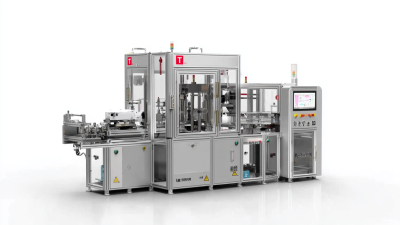
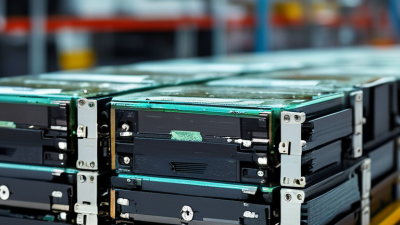
China has really become a go-to hub for sourcing Thin Film Welding equipment, especially when it comes to flexible packaging, medical films, solar materials, or industrial membranes. But here’s the thing — the ‘best’ manufacturer isn’t universal; it really depends on factors like the film’s structure, how fast you need to produce, the kind of weld geometry required, and your quality standards. For example, a machine optimized for processing polyethylene might not perform so well with multilayer laminates or delicate, heat-sensitive barrier films.
Dr. David Grewell, a well-respected welding researcher, once pointed out, “Process control is more important than how fast the machine can go.” And honestly, that hits the nail on the head when it comes to Thin Film Welding. Things like stable temperature, precise pressure, accurate sealing time, and consistent tension in the film often matter way more than raw speed. Because, let’s be honest—pushing for high output doesn’t mean much if your seals end up with wrinkles, pinholes, or weak edges.
If you’re buying from a China-based manufacturer, I’d say don’t skip the application testing before you make a decision. Ask for sample welds, see measured peel strength, check temperature logs, and find out how they perform during continuous runs. It’s also smart to take a close look at the controller, the sealing bar, the cooling system, and how they handle spare parts. These little details tell you a lot more than just a fancy brochure!
Look for manufacturers who have documented quality procedures, seasoned engineers on staff, clear support for commissioning, and traceable sourcing for all components. And don’t forget—good communication is key. A small misunderstanding today can lead to big headaches down the road.
Now, no list of suppliers is perfect. Some might offer very attractive prices but skimp on providing detailed process data. Others might build great machines but respond pretty slow after the sale. That gap is worth paying attention to. The best choice is one that balances solid engineering, customization options, reliable service, and reasonable operating costs. This guide will help you ask the right, practical questions when comparing China’s top Thin Film Welding manufacturers, so you can make a smarter, more informed decision.
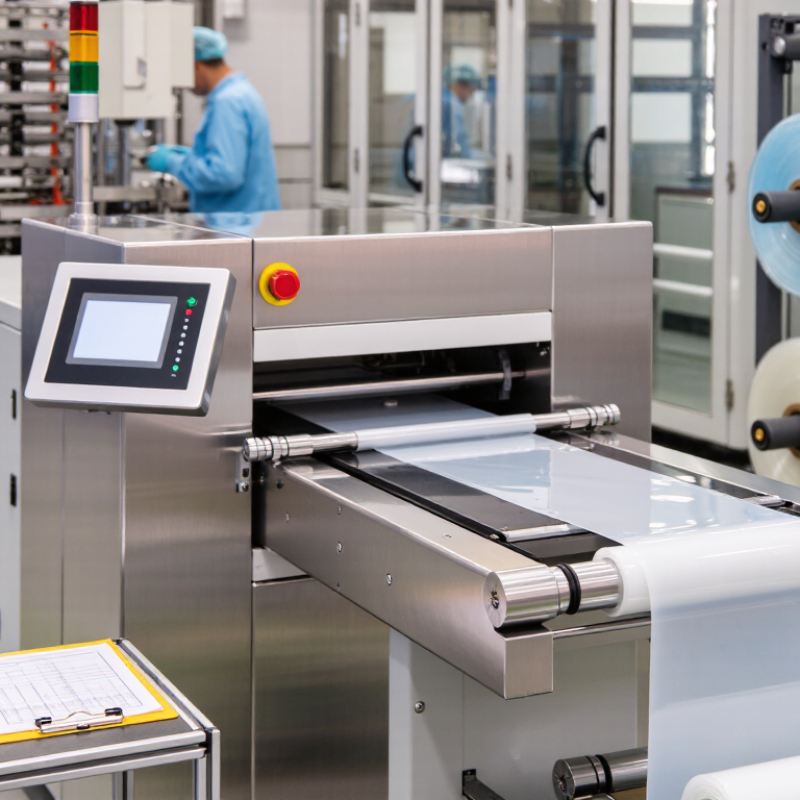
What Is a Thin Film Welding Machine?
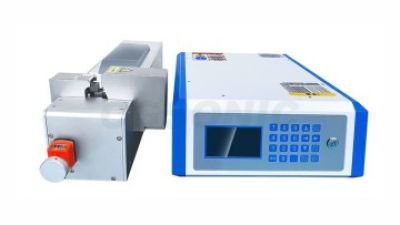
A thin film welding machine joins delicate polymer films using controlled heat, pressure, or ultrasonic energy.
It creates a narrow, continuous seal without adding bulky materials. The machine usually includes a heating bar, sealing rollers, temperature controls, and pressure adjustment. Some advanced models use sensors to monitor alignment and weld strength.
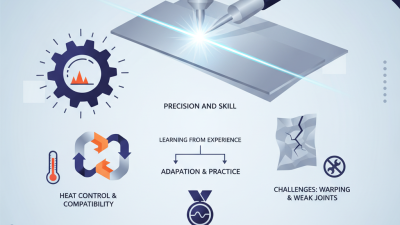
Operators must match the welding method to the film’s thickness, coating, and melting range. Even a small temperature change can cause wrinkles, weak seams, or surface damage.
A clean work area matters. Dust can become trapped inside the joint. Real production results may differ from laboratory tests, so trial welding remains necessary.
Tips:
Check film compatibility before purchasing a machine. Test several pressure and speed settings. Inspect seals under bright, angled light. Record temperature, dwell time, and defect patterns. Do not trust one successful sample. Repeated testing gives more reliable evidence. Maintenance also deserves attention, especially around heating surfaces and alignment parts. A simple inspection schedule can prevent inconsistent welds, although it may feel slow during busy production.
Key Applications of Thin Film Welding Technology in China
China’s thin film welding technology serves photovoltaic, battery, flexible electronics, and precision packaging industries. IEA PVPS Trends 2024 reports that China installed about 217 GW of new photovoltaic capacity in 2023. This expansion increases demand for stable, low-damage joining processes.
In thin-film photovoltaic production, Welding Systems connect conductive layers, seal flexible module edges, and join delicate metal ribbons.Laser welding offers narrow heat zones and repeatable energy control. UltraSonic Welding can join coated foils without adding solder. That matters when films are only a few hundred micrometres thick. Small defects can become visible under sunlight.
Battery manufacturing is another major application. Welding machines join aluminium and copper foils, pouch tabs, and protective film structures. The 2024 China Energy Storage Industry Development Report identifies rapid growth in lithium battery production capacity. However, production volume alone does not prove process reliability. Operators still need peel-strength tests, electrical resistance checks, and thermal-cycle validation.
Flexible circuits and electronic labels also use thin-film welding for conductive paths and polymer layers. In these lines, alignment accuracy often matters more than speed. A practical system should record weld energy, pressure, displacement, and inspection results. Real factories are less perfect. Dust, uneven coatings, and changing film tension can disrupt quality. Equipment selection should therefore follow verified trials, not catalog claims.
How to Evaluate Chinese Thin Film Welding Machine Manufacturers
China Best Thin Film Welding Machine Manufacturers?
How to Evaluate Chinese Thin Film Welding Machine Manufacturers
Evaluating Chinese thin film welding machine manufacturers requires more than comparing online prices. Request machine drawings, electrical specifications, welding speed ranges, and supported film thicknesses. A reliable supplier should explain how temperature, pressure, and dwell time remain stable during production. Ask for calibration records, inspection reports, and traceable component lists.
Request sample welding trials with your actual materials. Test seam strength, appearance, flexibility, and leakage after cooling. Include Dissimilar Materials Welding when your product combines films, laminates, or coated layers. A useful trial should run continuously, not just produce one attractive sample. Record the heating temperature, roller pressure, line speed, and seam width. Small changes can reveal weak control systems.
Visit the factory if possible, or arrange a live video audit. Look for organized assembly areas, documented quality checks, spare-part storage, and trained technicians. Ask whether an independent laboratory can verify performance claims. Clear acceptance criteria should appear in the contract, including output tolerance and response times for faults. After-sales support matters greatly when a heater fails during a night shift. Some suppliers communicate well before payment, then respond slowly later. That risk deserves direct questions and customer references. A polished showroom is not proof of dependable production. Even careful evaluations can miss hidden weaknesses, so a supervised factory acceptance test remains valuable.
Leading Manufacturer Categories and Product Capabilities
China Best Thin Film Welding Machine Manufacturers?
Leading Manufacturer Categories and Product Capabilities
Thin-film welding equipment manufacturers usually fall into three categories: laser, resistance, and ultrasonic systems. Laser machines suit narrow conductive layers and flexible substrates. They offer small heat-affected zones and precise energy control. Resistance systems remain practical for repeatable metal-tab connections. Ultrasonic equipment can join delicate layers with limited thermal exposure. The right category depends on film thickness, coating structure, line speed, and acceptable distortion.
The IEA PVPS Trends 2024 report recorded more than 400 GW of new photovoltaic capacity installed globally in 2023. That expansion increases demand for stable, high-throughput joining equipment. Manufacturers should provide programmable welding energy, vision alignment, automatic tension control, and traceable quality records. In production trials, operators should inspect edge curling, microcracks, and contact resistance after thermal cycling. Small defects often appear later.
MarketsandMarkets projects continued growth in the industrial laser market, supported by automation and electronics manufacturing. This supports laser adoption, but market growth does not guarantee process suitability. Buyers should request sample welds using their actual film stack. They should also verify maintenance access, electrode life, software permissions, and local technical support. Published specifications can look impressive. Real-line results matter more. Calibration data should be repeatable, not merely attractive in a brochure.
Essential Technical Specifications for Machine Selection
China Best Thin Film Welding Machine Manufacturers?
Essential Technical Specifications for Machine Selection
Selecting thin film welding equipment requires more than comparing purchase prices. Film thickness, material structure, and seal geometry directly affect weld quality. A practical machine should support the target film range, such as 0.05–0.30 mm, with adjustable pressure and controlled energy delivery. Ultrasonic Welding Equipment is often suitable for heat-sensitive multilayer films because it limits the heated area and reduces distortion.
Frequency matters. Many industrial ultrasonic systems operate near 20 or 35 kHz. Higher frequencies can support finer weld patterns, while lower frequencies often deliver stronger penetration. Check rated power, amplitude control, horn life, and weld-width tolerance. A 2 mm change in sealing width can affect package integrity. The 2024 MarketsandMarkets report projects the ultrasonic welding machine market to grow at about 7% annually through 2028, reflecting wider automation demand.
Speed must be tested with real film, not only listed in a brochure. Ask for trials using your exact laminate, coating, and tension settings. Inline sensors should monitor pressure, energy, time, and temperature. Data logging also supports traceability during production. ISO 11607 emphasizes process validation for packaging seals, but compliance is not achieved by equipment alone. Operator training, maintenance intervals, and sample testing remain essential. I would also question impressive cycle-rate claims. They may exclude loading, cooling, or rejected parts.
Quality Standards, Customization, and After-Sales Support
Choosing China’s best thin film welding machine manufacturer requires more than comparing prices. Quality begins with documented control. ISO 9001 certification supports process consistency, while ISO 12100 and IEC 60204-1 help address machinery risk and electrical safety. Buyers should request weld-strength test records, temperature stability data, and factory acceptance results. A 2°C temperature drift can create weak seals, wrinkles, or burned film edges. Small details matter.
Customization should match the film, product shape, and production rhythm. Ask whether the manufacturer can adjust jaw pressure, heating zones, welding time, conveyor height, and control software. Deloitte’s 2024 Smart Manufacturing Survey reports that 86% of manufacturing leaders expect smart manufacturing to become a major competitiveness factor within five years. That supports useful features, such as alarm history, recipe storage, remote diagnostics, and production data export. Yet automation is not always better. An overly complex interface may slow operators during changeovers.
After-sales support often separates a reliable supplier from a risky purchase. Confirm response times, spare-parts availability, training hours, installation assistance, and warranty exclusions in writing. PMMI industry reports continue to identify labor efficiency and automation as key packaging investment drivers. Still, a fast reply cannot repair poor documentation. Request wiring diagrams, maintenance schedules, troubleshooting videos, and a named technical contact. I would also test support before ordering. Send a realistic fault scenario and measure the response. Many buyers skip this step. That is a mistake worth reconsidering.
How to Choose the Best Manufacturer for Your Requirements
China Best Thin Film Welding Machine Manufacturers?
Choosing a manufacturer requires more than comparing machine prices. Examine their experience with your exact film structure, thickness, and production speed. A supplier skilled in packaging may not understand Consumer Electronics Welding requirements. Ask for sample welds using your actual materials, not standard laboratory films. Inspect the finished seam under magnification. Uneven edges, bubbles, or slight discoloration often indicate unstable heat control.
Request practical evidence before signing. Review weld-strength data, calibration records, maintenance procedures, and production traceability. A reliable manufacturer should explain how temperature, pressure, speed, and cooling time affect the welding window. Their engineers should also discuss tooling changes and operator training clearly. Visit the facility if possible. Watch one complete test cycle, from film alignment to inspection. Small details matter.
Do not choose solely from a polished brochure. A low quotation may exclude fixtures, spare heating elements, software changes, or validation tests. That can become expensive later. I would also question suppliers promising perfect results without testing your materials. Real production includes dust, film variation, and hurried operators. The selection process should include peel tests, visual checks, and repeated trials. Some requirements may need revision after testing. That is not failure. It is useful evidence for choosing a machine that remains stable during daily production.
Ultrasonic Wire Harness Welding Machine: Precision & Efficiency Trends from MarketsandMarkets and IDTechEx Reports
The global ultrasonic welding market is projected by industry research to grow from approximately US$1.8 billion in 2023 to nearly US$3.0 billion by 2028, representing an annual growth rate of about 10%. This expansion reflects rising demand for cleaner, faster, and more repeatable joining processes in automotive electronics, energy storage, and industrial cable production. Related mobility research also indicates that electric-vehicle manufacturing will continue expanding rapidly through the next decade, increasing the need for reliable wire harness connections that support compact designs, high current loads, and automated assembly.
Our Ultrasonic Wire Harness Welding Machine is designed for this evolving production environment. Using high-frequency mechanical vibration rather than solder, flux, or external heating, it joins copper, aluminum, and tinned copper harnesses with low thermal impact and consistent electrical conductivity. The solid-state process helps reduce oxidation, connection resistance, material waste, and cycle time while delivering strong, stable welds. With straightforward operation, adaptable tooling, and dependable performance, the equipment is suitable for automotive harnesses, electronic assemblies, battery systems, and other high-volume applications where precision and efficiency directly influence product quality and manufacturing output.
FAQS
Common applications include photovoltaic modules, batteries, flexible circuits, electronic labels, and precision packaging.
Laser welding creates a narrow heat zone.
Yes, ultrasonic welding can join coated foils without adding solder.
Machines may join aluminium foils, copper foils, pouch tabs, and protective film structures.
Request weld samples using your actual films.
Useful features include alignment control, recipe storage, alarm history, and production-data export.
Ask for calibration records, weld-strength data, temperature stability results, and factory acceptance records.
Confirm response times, spare-parts availability, training hours, installation help, and warranty exclusions in writing.
Price should not be the only deciding factor.
Conclusion
Thin Film Welding machines are specialized systems designed to join plastic films, multilayer materials, membranes, and other flexible substrates with controlled heat, pressure, and sealing speed. In China, Thin Film Welding technology is widely used in packaging, medical products, agriculture, construction materials, electronics, and renewable-energy components. When evaluating manufacturers, buyers should examine engineering experience, production capacity, equipment stability, process control, and their ability to support different film types and production environments.
Important selection criteria include welding temperature range, sealing width, operating speed, pressure control, automation level, material compatibility, energy efficiency, and integration with existing production lines. Reliable manufacturers should provide clear technical documentation, consistent quality inspection, customization options, operator training, spare parts, and responsive after-sales service. The best choice depends on the required output, product dimensions, welding strength, production volume, and budget. A careful comparison of machine capabilities, testing results, certifications, delivery terms, and long-term support can help buyers select a dependable solution for their specific manufacturing requirements.


 1Durch die gruppenweite Einführung und Harmonisierung unseres integrierten Managementsystems (IMS) werden alle bestehenden Unternehmens-, Qualitäts-, Umwelt- und Energiepolitiken durch diese Unternehmenspolitik ersetzt. Der Slogan „Textil hat Zukunft – auch in De