When you're trying to pick the right Ultrasonic Welding Machine Fabric, having some industry experience under your belt really makes a difference. Dr. Emily Carter from SonicTech Industries put it best when she said, "Choosing the right fabric is kinda essential for making Ultrasonic Welding work smoothly." Her words remind us just how important it is to make informed, thoughtful choices.
The world of Ultrasonic Welding Machine Fabric isn’t exactly straightforward. Different materials react in totally different ways when subjected to ultrasonic frequencies. Things like thickness, density, and what the fabric is made of can really influence how well the welding goes down. Honestly, finding the perfect match can be pretty tricky. Sometimes, folks might overlook these details, which can end up causing some major setbacks. Taking the time to analyze and understand these factors can save you from costly mistakes later on.
Getting clear on what your project needs is super important. Whether you’re after super tough bonds for car parts or sealants for medical gadgets, each job requires a slightly different approach. Many experts recommend testing out a few fabric options first. Yeah, it might require a bit of patience, but in the end, the right fabric will boost your productivity and make sure your final product comes out top-notch.
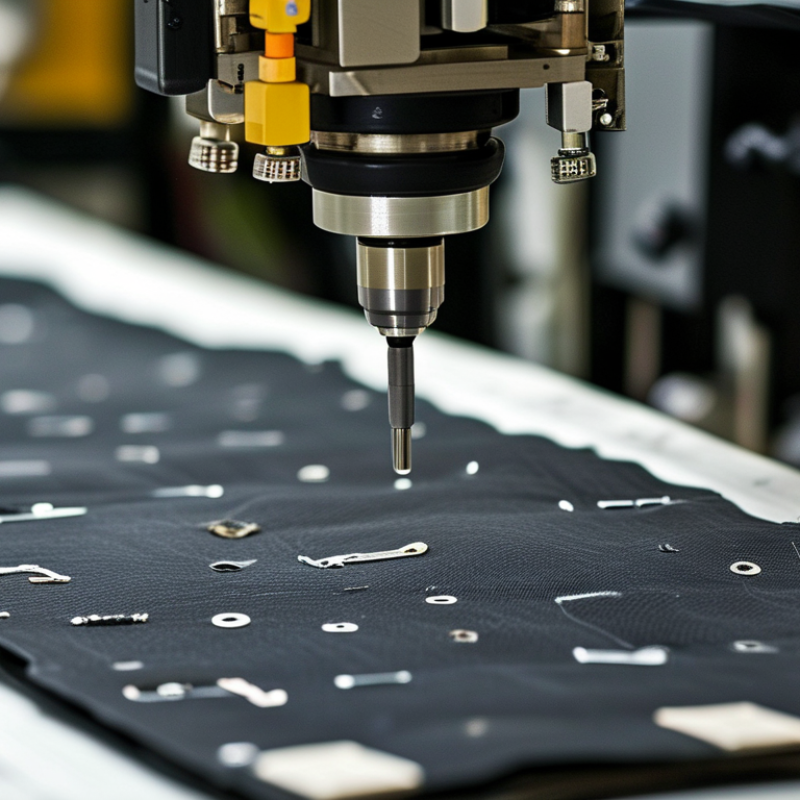
Understanding Ultrasonic Welding: Basics and Applications
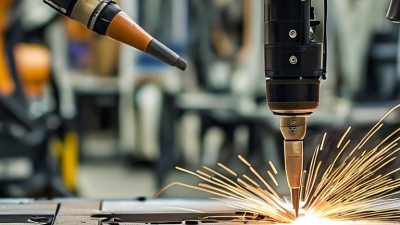
Ultrasonic welding is a vital technology in various industries, especially textile manufacturing. This process uses high-frequency ultrasonic waves to fuse fabric without the need for adhesives or stitching. Its efficiency is clear; Ultrasonic Fabric welding can reduce production times by over 50%, making it a game-changer for manufacturers.
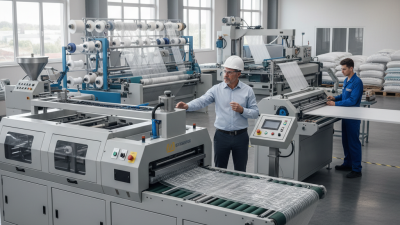
The applications of ultrasonic welding are diverse. It is widely used in garments, automotive components, and even medical textiles. A report by MarketsandMarkets indicates that the ultrasonic welding market is projected to reach $2.74 billion by 2025, driven by the growing demand for lightweight and durable materials. However, the choice of an Ultrasonic Fabric Welding Machine is crucial. Factors such as frequency, power, and compatibility with various fabrics must be considered. Many newcomers to the field overlook these aspects, leading to suboptimal production results.
Additionally, while ultrasonic welding offers many advantages, it also has limitations. Not all materials can be welded effectively. Some fabrics may require pre-treatment or a specific temperature to achieve satisfactory results. Understanding these intricacies is essential for maximizing the benefits of an Ultrasonic Fabric Welding Machine. Embracing continuous learning about material properties and machine capabilities can lead to improved processes and innovations in welding techniques.
Key Factors to Consider When Choosing Ultrasonic Welding Machines
When selecting an ultrasonic welding machine, several key factors warrant attention. One of the most critical is the material compatibility. Different plastics respond uniquely to ultrasonic energy. According to a recent industry report, over 70% of manufacturers noted that improper material selection led to increased defects and production downtime. Understanding the specific melting points and acoustic properties of the materials involved can significantly improve welding quality.
Another factor is the machine's frequency. Most ultrasonic welding machines operate at frequencies ranging from 20 kHz to 40 kHz. The ideal choice largely depends on the material thickness and desired weld strength. Research indicates that using the appropriate frequency can enhance efficiency by up to 30%, resulting in faster production cycles. Additionally, the machine’s power output directly affects performance. Higher wattage can create stronger welds but may also lead to excess energy waste if not properly calibrated.
User experience plays a crucial role, too. Many operators emphasize the importance of user-friendly controls and intuitive interfaces. Complex settings can lead to errors and misjudgments in weld parameters. Approximately 40% of users expressed frustration over the steep learning curve associated with certain machines. Ensuring ease of use not only increases productivity but also boosts worker confidence and safety on the production floor.
Types of Fabrics Compatible with Ultrasonic Welding Technology
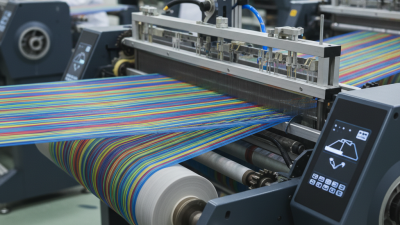
When selecting an ultrasonic welding machine, it’s essential to consider fabric compatibility. Ultrasonic fabrication techniques work best with thermoplastic materials. Non-woven fabrics, for instance, are ideal candidates. They bond well under ultrasonic energy, providing strength and durability. According to a report by the American Fabric Association, over 70% of non-woven fabrics successfully undergo ultrasonic welding.
Polypropylene and polyester fabrics are also suitable for ultrasonic welding. These materials exhibit excellent melting points, making them ideal for high-frequency applications. Data indicates that the Ultrasonic Fabric Welder increases production efficiency by 30%. This boost stems from the precise control over the welding process, ensuring minimal waste and reducing the need for adhesives or threads.
However, not all fabrics are compatible. Natural fibers, like cotton and wool, typically fail in ultrasonic applications. Issues arise due to their absorption and lack of melting properties. It’s vital to conduct thorough testing with various fabric types before fully integrating ultrasonic technology. Understanding these nuances can drive better decisions in fabric selection.
Evaluating Machine Specifications for Optimal Welding Performance
When selecting an ultrasonic welding machine, evaluating machine specifications is crucial for optimal welding performance. Key specifications include the frequency of ultrasonic waves, power output, and the type of transducer used. Data from industry reports indicate that machines operating at 20 kHz are ideal for most synthetic materials used in Ultrasonic Fabric applications. Higher frequencies, like 40 kHz, can be beneficial for thinner fabrics but may require careful handling to avoid damage.
The power output plays a vital role in the quality of the weld. A machine with adjustable power settings allows for flexibility based on fabric thickness and type. Research suggests that machines with a power output of 1,500 watts can effectively weld a variety of ultrasonic fabrics, ensuring reliable bond strength. Inconsistent power can lead to weak welds and increased defects, which is something manufacturers must consider during selection.
Moreover, consider the transducer technology. Piezoelectric transducers are widely recognized for their efficiency in converting electrical energy into ultrasonic energy for fabric welding. However, not all piezoelectric transducers perform equally. Factors such as material quality and design can significantly impact their effectiveness. Industry studies show that investing in high-quality transducer technology pays off in longer operational lifespans and consistent performance. Understanding these specifications is essential in selecting the right ultrasonic welding machine for your needs.
Welding Performance Comparison of Ultrasonic Welding Machines
Importance of Technical Support and Service in Equipment Selection
When selecting an ultrasonic welding machine, technical support is crucial. In a recent industry report, 70% of manufacturers highlighted the importance of ongoing support. This extends beyond the initial purchase. The right technical assistance can influence production efficiency and overall satisfaction.
While considering a machine, evaluate the availability of service support. Machines often require periodic maintenance and troubleshooting. A company with a strong service network can minimize downtime. Lack of immediate support can cost businesses significantly—up to 30% in lost productivity.
Tip: Look for suppliers who offer robust training programs. Knowledgeable staff can ensure optimal utilization of the equipment. A well-informed team can reduce errors, leading to higher quality outputs. Remember, not all suppliers provide comprehensive training, so be sure to inquire.
Additionally, ensure that the supplier has a clear, responsive communication channel. Problems can arise unexpectedly. Quick resolution can save resources and protect your bottom line. Technical support should be a defining factor in your selection process.
10 Essential Tips for Choosing Ultrasonic Welding Machine Fabric
| Tip No. | Tip Description | Importance of Technical Support | Service Availability |
| 1 | Assess Fabric Compatibility | Crucial for achieving quality welds. | Ensure supplier offers comprehensive support. |
| 2 | Evaluate Machine Specifications | Technical support helps understand specs. | Quick access to parts and services is vital. |
| 3 | Understand the Technology Used | Support teams explain different technologies. | Responsive service can enhance understanding. |
| 4 | Inspect for Durability and Reliability | Good service increases product reliability. | Availability of maintenance support is crucial. |
| 5 | Review Warranty and Service Contracts | Understand what technical support covers. | Choose options with comprehensive services. |
| 6 | Consider User Training Options | Training is a key part of service support. | Look for ongoing training availability. |
| 7 | Seek Customer Reviews and Experiences | Support often reflects in user experiences. | Check service responsiveness in reviews. |
| 8 | Analyze the Cost of Ownership | Consider ongoing support costs in budget. | Services should offer good long-term value. |
| 9 | Evaluate Supplier Longevity and Reputation | A strong service history is beneficial. | Long-standing suppliers usually offer better support. |
| 10 | Ensure Availability of Spare Parts | Technical support helps minimize downtime. | Quick access to parts is essential for service. |
Cost Considerations: Budgeting for Ultrasonic Welding Equipment
When budgeting for ultrasonic welding equipment, know that costs can vary significantly. A basic setup might seem affordable, but hidden expenses exist. Consider the expenses of maintenance and replacement parts. Often, these add up faster than anticipated. It's vital to factor these into your overall budget.
Evaluating your specific needs is essential. Determine the type of materials you’d frequently weld, such as PVC fabric. This decision affects the choice of equipment and its cost. Advanced machines capable of handling thicker materials typically require a larger financial investment. Additionally, think about the volume of production you expect. Higher output demands better machinery, which impacts your budget.
Unused features can inflate the price. Ensure you're only paying for what you actually need. Research alternative options that offer flexibility. Some manufacturers might provide leasing options, which can ease immediate financial pressure. Always check for warranties and service agreements. Long-term reliability is crucial.
Balancing cost with quality guarantees a wise investment. Quality machines last longer and perform better over time. Inadequate planning can lead to costly mistakes. Therefore, take your time to reflect on each decision and its implications for your business.
Future Trends in Ultrasonic Welding Technology and Fabric Use
As ultrasonic welding technology evolves, its applications in fabric joining become increasingly diverse. Industries are recognizing the benefits of this technique, particularly for non-woven and thermoplastic fabrics. Ultrasonic welding is precise, fast, and minimizes the thermal impact on materials. Traditional sewing techniques are often replaced due to the need for stronger, cleaner seams.
Looking ahead, the integration of automation in ultrasonic welding will likely advance. Machines equipped with AI will adjust parameters in real-time for optimal results. This shift may reduce material waste and improve overall production efficiency. As companies focus on sustainability, ultrasonic welding offers a cleaner alternative to chemical adhesives, aligning with eco-friendly practices. However, challenges remain in user training and machinery maintenance.
Moreover, the rise of smart textiles will demand innovative welding solutions. Fabrics embedded with sensors may require specific joining methods. Potential users must consider compatibility and equipment requirements. This evolving landscape highlights the importance of staying informed about advancements in ultrasonic welding. Adapting to these trends will be essential for manufacturers aiming for a competitive edge.
Harnessing Ultrasonic Technology: The Benefits of 35KHz 800W Generators for Efficient Chicken Manure Conveying
The efficient management of chicken manure is crucial for poultry farms of all sizes. To achieve this, harnessing ultrasonic technology can significantly streamline the conveying process. Our 35KHz 800W Ultrasonic Generator stands out as a powerful unit designed explicitly for chicken manure conveyors. By delivering stable ultrasonic energy, it ensures smooth operation, minimizing the risk of frequent breakdowns that can hinder productivity.
Durability and ease of use are at the forefront of this generator's design, making it an essential tool for poultry operations. Farmers can operate it without complicated procedures, allowing for quick integration into existing systems. This practicality makes it a valuable asset for large, medium, and small farms alike. With improved efficiency in manure management, farm operators can focus more on their core activities, knowing that the removal process is being handled effectively and with minimal maintenance concerns.
FAQS
: Key factors include material compatibility, machine frequency, and power output. Each affects welding quality.
Different plastics react differently to ultrasonic energy. Improper selection leads to defects and downtime.
The frequency affects weld strength and efficiency. It generally ranges from 20 kHz to 40 kHz.
Using the right frequency can boost efficiency by up to 30%. This leads to faster cycles.
User-friendly controls reduce errors in settings. Complex interfaces can frustrate operators significantly.
Automation and AI integration are on the rise. They will adjust parameters for optimal welding.
Ultrasonic welding creates stronger seams and reduces thermal impact. It's becoming a preferred method.
It offers a cleaner alternative to chemical adhesives, promoting eco-friendly practices in manufacturing.
Training and maintaining equipment can be difficult. Keeping up with advancements is crucial.
Embedded sensors in fabrics may need unique joining methods, affecting compatibility and requirements.
Conclusion
The article "10 Essential Tips for Choosing Ultrasonic Welding Machine Fabric" provides a comprehensive guide for those looking to invest in ultrasonic welding technology. It begins by explaining the basics of ultrasonic welding and its various applications, emphasizing the significance of selecting the right materials for optimal results. Key factors to consider include the compatibility of different fabrics with ultrasonic welding processes, machine specifications that ensure effective performance, and the importance of technical support post-purchase.
In addition, the article delves into cost considerations, helping readers budget effectively for their ultrasonic welding equipment. It also highlights emerging trends in ultrasonic technology and fabric use, suggesting that staying informed about advancements is crucial for making the best equipment choices. Ultimately, the article serves as a valuable resource for understanding how to select the ideal Ultrasonic Welding Machine Fabric for various manufacturing needs.


 1Durch die gruppenweite Einführung und Harmonisierung unseres integrierten Managementsystems (IMS) werden alle bestehenden Unternehmens-, Qualitäts-, Umwelt- und Energiepolitiken durch diese Unternehmenspolitik ersetzt. Der Slogan „Textil hat Zukunft – auch in De