In the world of manufacturing, Thin Film Weldinghas really become a pretty important technique. You see it used a lot in industries like electronics and medical devices. Getting a good handle on the ins and outs of Thin Film Welding can actually make a big difference in how great your products turn out. That said, many engineers run into some pretty common hurdles—things like adhesion problems or inconsistency in weld quality. It’s not unusual to face these issues, but knowing how to troubleshoot them helps a lot.
As companies push for higher precision, mastering this welding method is more important than ever. You definitely can't overlook the role of controlling temperature or checking if your materials work well together—that stuff really can make or break the weld. Every project may throw a few surprises your way, so sometimes you gotta get a bit experimental, testing and adjusting along the way. Places like TechWeld Innovations stress how crucial proper training and experience are—being knowledgeable really helps reduce mistakes and get better results.
At the end of the day, reliable Thin Film Welding isn’t just a nice-to-have; it’s key to making sure your final products perform well. Engineers need to stay sharp about spotting flaws that might cause problems down the line. Investing time into learning and reflecting on past projects can give you some serious insights and help you improve over time. Basically, keeping that growth mindset and staying eager to learn is what makes someone really good at Thin Film Welding.
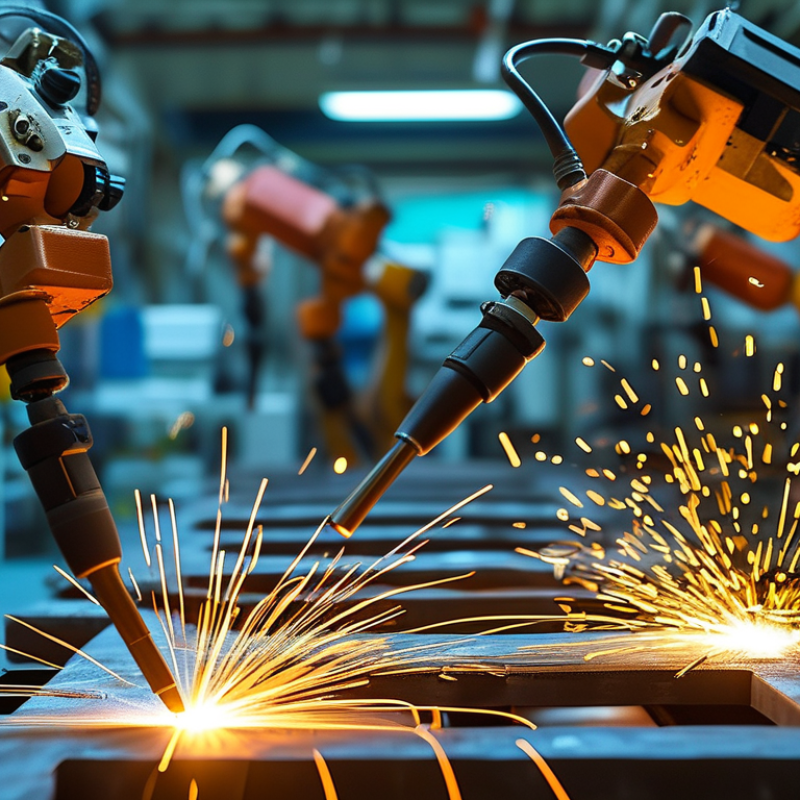
Understanding Thin Film Welding: Key Concepts and Applications
Thin film welding is a crucial process in various industries. It creates thin layers of material that bond securely. This technique has applications in electronics, especially in the realm of Electronic Component Welding. The method allows for the creation of high-quality connections that can withstand environmental stress.
Understanding the principles of thin film welding is key to ensuring effectiveness. Factors such as temperature control, pressure, and substrate material play significant roles. Consistency in these parameters is vital for reliable welds. The challenge lies in balancing these variables; even slight deviations can affect the outcome. Practical experience highlights the importance of precision.
Data-driven insights are beneficial if you want to enhance thin film welding techniques. Analyzing previous projects can reveal common pitfalls. For example, variations in material may lead to inconsistent weld strength. Continuous improvement requires reflection on past work. Embracing challenges in Electronic Component Welding can lead to innovative solutions and improved techniques.
Types of Thin Film Welding Techniques and Their Advantages
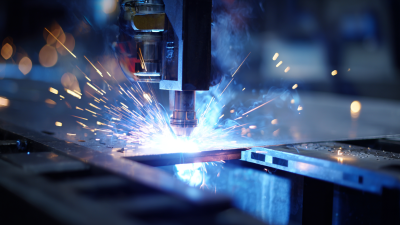
Thin film welding offers several techniques, each with unique advantages. Laser and ultraSonic Welding are popular choices. Laser welding provides precision and speed. It produces minimal thermal distortion. This is crucial for delicate applications. On the other hand, ultrasonic welding is effective for joining thermoplastics. It uses high-frequency sound waves to create heat. This method is particularly useful for thin materials.
Another technique is friction stir welding. It is ideal for Dissimilar Materials Welding. This process creates a joint without melting the materials. Instead, a rotating tool stirs the two pieces together. It can reduce impurities and enhance the joint strength. However, it requires specialized equipment and skilled operators. The challenge lies in maintaining optimal parameters.
Hot plate welding is also worth mentioning. This method is effective for large assemblies. It provides consistent heat across surfaces. However, it can lead to surface degradation if not monitored properly. Each technique has its nuances. They require careful consideration during the selection process. Understanding these details can lead to better outcomes in thin film welding.
Thin Film Welding Techniques and Their Advantages
Preparing Surfaces for Optimal Thin Film Welding Results
Preparing surfaces properly is crucial for achieving strong results in thin film welding. Cleanliness is the first step. Contaminants like dust or grease can weaken the weld. Use solvents or specialized cleaners to ensure surfaces are spotless. Pay attention to the type of material; some may require specific cleaning agents.
Surface roughness also plays a key role. A smooth surface enhances adhesion, while rough surfaces can lead to uneven welds. Consider using techniques like grit blasting, which can improve the bonding area. However, too much roughness might create stress points. Understanding the balance is essential. Experimenting with different textures can provide insights into optimal surface conditions.
Ultrasonic Welding Equipment can be beneficial during this process. It helps clean and prepare surfaces without damaging them. Be mindful of the settings used. Excessive energy can lead to surface degradation. Therefore, practice becomes necessary to refine the technique. Every project may require adjustments and reflections on past experiences to perfect your approach.
Essential Equipment and Tools for Thin Film Welding
Thin film welding requires precise tools for effective results. Essential equipment includes high-precision welding machines, suitable for nanoparticles and thin layers. Reports show that over 70% of manufacturers rely on laser welding for its accuracy and speed. This method reduces thermal distortion and minimizes defects, crucial for maintaining integrity in thin films.
Another vital tool is an appropriate gas delivery system. Proper gas flow prevents oxidation during the welding process. Studies indicate that inadequate gas coverage can lead to a 25% increase in defects. Using the right shielding gases ensures a cleaner weld, enhancing durability.
While these tools are critical, there's room for reflection on operator skill and setup. Variability in technique can lead to inconsistent quality. Training and experience matter greatly. Welding parameters must be regularly reviewed to adapt to different materials and conditions. Relying on data-driven approaches can help in optimizing performance and reducing errors, leading to successful outcomes in thin film welding.
Common Challenges in Thin Film Welding and Their Solutions
Thin film welding presents unique challenges that require careful navigation. One common issue is the formation of defects, such as voids or bubbles. These can compromise the integrity of the welded material. To combat this, maintain optimal temperature and pressure during the process. It’s essential to monitor these parameters closely. A small deviation can lead to significant flaws.
Another challenge is achieving uniformity in the weld. Inconsistent materials can lead to variances in thickness. This issue often arises in Consumer Electronics Welding, where precision is crucial. Using reliable quality control measures can help mitigate this problem. Regular inspections and adherence to strict material sourcing can keep inconsistencies at bay.
Additionally, operator skill plays a critical role in the success of thin film welding. Inadequate training can result in poor technique and unsatisfactory weld quality. Investing in comprehensive training programs can enhance the overall process. Addressing these challenges thoughtfully can lead to improved outcomes, even if the path isn't always smooth. Each attempt offers lessons to refine practices further.
Essential Tips for Successful Thin Film Welding Techniques - Common Challenges in Thin Film Welding and Their Solutions
| Challenge | Description | Solution |
| Inconsistent Thickness | Variability in film thickness can lead to poor bonding and defects. | Implement precise control systems to monitor and adjust thickness during the welding process. |
| Poor Surface Preparation | Contaminants on surfaces can hinder adhesion. | Ensure surfaces are cleaned and appropriately treated before welding. |
| Thermal Distortion | Heat can cause warping and irregular shapes in thin films. | Optimize welding parameters to minimize heat input and control cooling rates. |
| Insufficient Bond Strength | Weak joints can lead to early failure in applications. | Select proper welding techniques and parameters to enhance bond strength. |
| Bubbles and Voids | Air pockets can form during the welding process, resulting in defects. | Use vacuum systems to remove unwanted air and control welding atmospheres. |
Quality Control Measures in Thin Film Welding Processes
Quality control measures are crucial in thin film welding processes. These measures ensure the integrity and functionality of welded materials. A systematic approach helps identify defects early. Regular inspections reduce the risk of failures and costly repairs.
Monitoring temperature during the welding process is vital. Incorrect temperatures can weaken the bond. Use thermocouples to track changes in real-time. Visual inspections are also important. Operators should look for signs of delamination or uneven surfaces. Documentation of these findings supports continuous improvement.
Establishing a feedback loop is beneficial but often overlooked. Collect data from each welding session. Analyze trends over time. This practice fosters a culture of quality. Teams may sometimes forget the importance of consistency. Emphasizing quality control can significantly enhance overall productivity.
Future Trends and Innovations in Thin Film Welding Technology
The landscape of thin film welding technology is shifting rapidly, driven by innovations and industry demands. Advanced techniques are emerging, improving efficiency and precision. For instance, laser welding is gaining traction due to its high energy density and adaptability to various materials. This method allows for minuscule heat-affected zones, reducing the risk of thermal distortion.
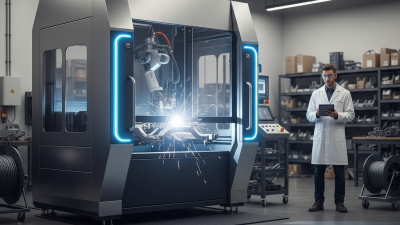
Moreover, integrating automation into the welding process enhances consistency. Automated robots can perform thin film welding tasks with remarkable speed and accuracy. However, this shift towards automation raises questions about workforce skills. Training programs must evolve to keep pace with technological advancements and ensure workers are equipped to operate these sophisticated systems.
Sustainability is another focal point. The industry is increasingly adopting eco-friendly practices. Utilizing renewable energy sources in welding processes is becoming commonplace. Yet, achieving a full circular economy in thin film production remains a challenging task. Advances in material science could create more recyclable thin films. Still, the journey towards sustainability is ongoing and requires collaboration among stakeholders.
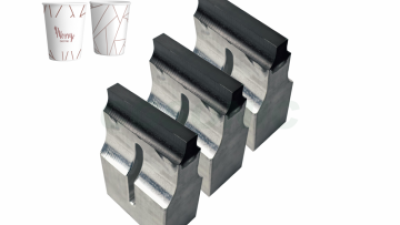
Comprehensive Guide to the 20K90X12 Ultrasonic Welding Head for Efficient Paper Cup Production
In the realm of automated paper cup production, the 20kHz 2600W ultrasonic welding head stands out as an indispensable tool, driving efficiency and enhancing product quality. As industries increasingly shift towards automation, this welding head is designed to meet the rigorous demands of modern production lines. Its compatibility with a range of ultrasonic welding equipment makes it a versatile choice for critical processes such as side sealing, base fixing, lid assembly, and sealing ring bonding. This adaptability positions it as a pivotal component in streamlining operations within the food packaging and catering sectors.
The ultrasonic welding technology employed by the 20K90X12 head operates on a frequency of 20kHz, delivering a robust output of 2600W. Such specifications ensure that the welding process not only achieves high sealing strength without the use of adhesives but also contributes to a more environmentally friendly manufacturing approach. A report from an industry authority indicates that transitioning to ultrasonic welding can reduce production time by approximately 30%, while also lowering material costs associated with traditional bonding methods. This results in significant savings and improved sustainability for manufacturers, reinforcing the importance of investing in advanced technology for production efficiencies.
In an era where product integrity and consumer safety are paramount, the 20kHz ultrasonic welding head is essential for ensuring high-quality paper cup production. By eliminating the need for chemical adhesives, manufacturers can enhance the appeal of their products while meeting regulatory standards and consumer preferences for safer packaging solutions. As the industry continues to evolve, embracing such innovative technologies is vital for staying competitive and responsive to changing market demands.
FAQS
: Thin film welding creates secure bonds between thin layers of material in various industries.
Temperature control ensures effective welds. Deviations can affect the weld's strength and integrity.
Clean surfaces are vital. Contaminants like dust can weaken the weld significantly.
A smooth surface promotes adhesion. Too much roughness may create stress points, compromising the weld.
Voids and bubbles can form, affecting weld integrity. Close monitoring of temperature and pressure can help.
Variations in material thickness can lead to uneven welds. Quality control measures are essential to maintain consistency.
Skilled operators produce better weld quality. Inadequate training may lead to poor techniques and unsatisfactory results.
Reflecting on past experiences can reveal common pitfalls, leading to enhanced welding techniques.
Every project may require tailored settings. Continuous practice and reflection are necessary for improvement.
Ultrasonic cleaning prepares surfaces without damage. However, settings must be carefully managed to avoid degradation.
Conclusion
Thin Film Welding is a specialized technique crucial for various applications across industries, characterized by its precision and efficiency. This process involves understanding key concepts and the different types of welding techniques available, each with unique advantages. To achieve optimal results, thorough surface preparation is essential, alongside the utilization of specialized equipment and tools tailored for this purpose.
Nevertheless, practitioners often face common challenges during the Thin Film Welding process, which require effective solutions to ensure quality outcomes. Implementing stringent quality control measures is vital to maintaining the integrity of the welds. Looking ahead, the industry is witnessing exciting trends and innovations that promise to enhance Thin Film Welding technology, paving the way for more advanced applications and improved performance.


 1Durch die gruppenweite Einführung und Harmonisierung unseres integrierten Managementsystems (IMS) werden alle bestehenden Unternehmens-, Qualitäts-, Umwelt- und Energiepolitiken durch diese Unternehmenspolitik ersetzt. Der Slogan „Textil hat Zukunft – auch in De