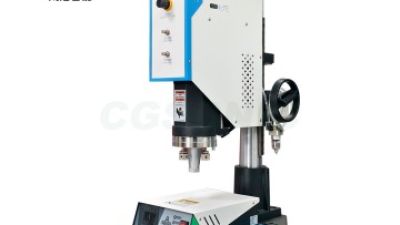
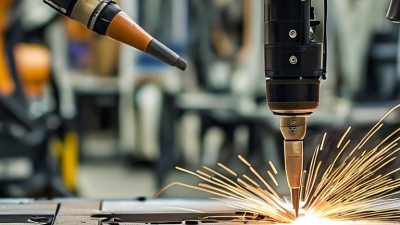
In today’s fast-moving manufacturing world, finding the right Ultrasonic Welding Machine isn’t just a nice-to-have — it’s actually pretty critical for keeping things efficient and cost-effective. Around the globe, more and more companies are turning to this advanced tech because of its precision and quick turnaround times. Brands like Branson and Rinco offer a bunch of options, each designed to suit different needs. What really sets their machines apart is how sturdy and versatile they are.
That said, navigating the market can sometimes feel a bit overwhelming. With so many choices out there, it’s easy to get lost or confused. The key is really understanding the specifics of each machine and what you actually need it for. Some models work great with certain materials, while others might be better in different environments. Getting a good handle on these details can save you from making a mistake and help you make smarter decisions.
Take the Ultrasonic Card Welding Machine, for instance. It’s pretty awesome at bonding materials with almost no heat, making it perfect for delicate or sensitive applications. But, not everyone might realize all the benefits it offers. Sometimes, folks overlook features that could really boost their productivity. Doing a thorough comparison of the available models and features can make a big difference. In the end, choosing the right Ultrasonic Welding Machine really comes down to matching it up with what your operation needs most.
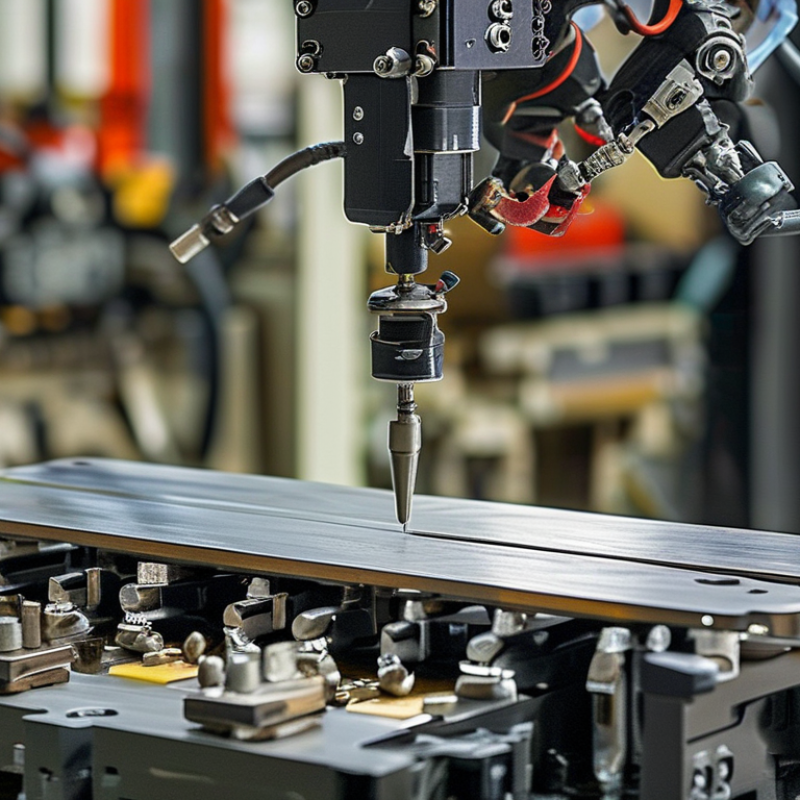
Understanding Ultrasonic Welding: Principles and Applications
Ultrasonic welding is a powerful technique used for joining materials. It primarily involves high-frequency ultrasonic vibrations. This process generates heat that melts the small areas of the materials. The result is a strong bond without the need for additional adhesives or fasteners. It's widely applied in industries such as automotive, medical, and electronics.
When selecting a suitable Ultrasonic Spot Welding Machine, one should consider its frequency and power output. Different materials require different settings for optimal performance. Knowledge of the specific joining requirements is crucial. Even minor miscalculations can lead to weak welds. This is a common challenge faced by practitioners. Additionally, operator training is essential for maximizing efficiency and ensuring safety.
Ultrasonic welding presents unique advantages, but it’s not without limitations. Some materials are not compatible with this method. Understanding these limitations is important for decision-making. Operators often need to experiment to find the right settings. The variability in material properties can lead to unexpected results. Continuous learning and adaptation are key to mastering the process.
Key Features to Look for in Ultrasonic Welding Machines
When considering ultrasonic welding machines, it's essential to identify key features that suit your sourcing needs. One critical factor is the power output. Machines typically range from 500 watts to over 3000 watts. A higher output often leads to quicker welding times, which increases production efficiency.
Another significant feature is the adjustable frequency. The ability to modify frequency can enhance the quality of welds for various materials. According to industry reports, optimal frequency adjustments can result in a 20% reduction in material deformation. The design of the ultrasonic stack also plays a pivotal role. A well-designed stack minimizes energy loss, ensuring a more consistent welding process.
Pay attention to the machine's size and portability. Compact models may offer versatility in multi-facility operations. However, larger machines often provide more stability and power. Reflect on the trade-offs between size and capability as this can affect long-term efficiency.
Timing is critical when optimizing operations. Regular maintenance is essential to avoid unexpected downtimes, which can cost manufacturers thousands annually. Operators should be trained not only in the technical aspects of the machine but also in recognizing signs of wear and tear. This awareness can improve machine longevity and overall production quality.
Top Brands in Ultrasonic Welding Technology
Ultrasonic welding technology is essential in various industries. Its efficiency and precision make it a preferred choice for joining plastics and metals. Several top brands lead the market, innovating continually to enhance welding performance. These brands focus on user-friendly designs and advanced features to support global sourcing needs.
Choosing the right ultrasonic welding machine can be challenging. Look for features such as adjustable frequency and power settings. This allows you to customize the machine based on your specific materials. Ensure that the equipment is compatible with the types of components you work with. A well-matched machine enhances efficiency and reduces waste.
Welding quality varies among different machines. It's critical to assess your production requirements carefully. Consider the volume of parts and the complexity of the joint. Regular maintenance can prevent many issues and increase the machine's lifespan. Pay attention to feedback from users and reviews. This can provide insights into reliability and performance that specifications alone can't offer.
Comparative Analysis of Ultrasonic Welding Machines
Ultrasonic welding is a popular method for joining thermoplastics and metals. This technology uses high-frequency vibrations to create heat between materials. According to industry reports, the ultrasonic welding market is expected to grow significantly, reaching over $1 billion by 2025. Companies must choose the right ultrasonic welding machines based on their specific needs. Key differentiators include power output, frequency range, and the size of the welding area.
For those exploring options, consider the machine's capability to handle various materials. Higher power output often results in stronger welds. While a more powerful Ultrasonic Metal Welding Machine can improve efficiency, it may require additional training for operators. Additionally, it's essential to evaluate the machine's maintenance requirements and operational cost. Regular maintenance can enhance the lifespan and reliability of these machines.
Evaluating user reviews can also provide valuable insights. Many users report difficulties with settings and adjustments. Interpreting this feedback can help in making better informed choices. Understanding common pitfalls is crucial. Always prioritize machines that offer detailed user manuals and support resources. This can mitigate potential issues and enhance your overall experience with ultrasonic welding technology.
Sourcing Guidelines for Global Procurement of Welding Machines
When sourcing ultrasonic welding machines, consider multiple factors. The quality of the machines should always be a priority. Reliability in operation affects your overall production efficiency. Ensure the equipment meets your specific requirements. Each industry may have unique needs that might not align with generic models.
For optimal performance, inspect the Ultrasonic Welding Machine Fabric utilized in your machines. The materials should withstand intensive use without degrading. Perform a checklist of features your machines must have. Review the technical specifications carefully. Understanding these details contributes to a successful purchase.
Sometimes, the lowest price attracts buyers. However, this can lead to poor performance and maintenance issues. Research manufacturers and suppliers thoroughly. Seek feedback from previous customers. Their experiences will provide valuable insights. Always choose reliability over cost when prioritizing your investments.
Cost Considerations for Ultrasonic Welding Machines
When considering ultrasonic welding machines, cost plays a vital role. The initial investment can vary widely based on machine type and capabilities. Basic models may be more affordable, but they often lack advanced features. Higher-end models usually come packed with technology that improves efficiency and reduces waste. It’s essential to evaluate what you truly need versus what is merely attractive on a specification sheet.
Operational costs also matter. Regular maintenance can add up over time. Plus, consider the cost of replacement parts and training for staff. Many users underestimate these additional expenses. Effective budgeting involves looking beyond the purchase price. Allocating resources for ongoing expenses ensures smoother production processes in the long run.
Flexibility should also be considered. Some machines have limited capabilities, meaning additional investments might be needed down the line. Reflect on your production needs now, and anticipate future demands. A well-rounded approach balances upfront costs with long-term value. This way, you can maximize your return on investment while meeting global sourcing requirements efficiently.
Top Ultrasonic Welding Machines for Your Global Sourcing Needs
| Model | Power (W) | Frequency (kHz) | Weight (kg) | Price Range (USD) |
| Model A | 1500 | 20 | 45 | $5,000 - $7,000 |
| Model B | 2000 | 30 | 60 | $7,500 - $9,500 |
| Model C | 2500 | 40 | 75 | $10,000 - $12,000 |
| Model D | 3000 | 35 | 80 | $8,000 - $10,000 |
| Model E | 1800 | 25 | 50 | $4,500 - $6,500 |
Future Trends in Ultrasonic Welding Technology
The field of ultrasonic welding technology is evolving rapidly. Innovations are emerging to enhance efficiency and precision. Manufacturers are focusing on reducing cycle times while maintaining strong weld quality. This shift is crucial for industries like automotive, medical, and electronics, where reliability is essential.
One notable trend is the integration of smart technology into ultrasonic welding machines. Real-time monitoring systems provide valuable data. These systems help in ensuring consistent production standards. Additionally, advanced algorithms allow for better control over the welding process. This minimizes defects, which is often a point of concern.
Sustainability is another important aspect. Companies are seeking eco-friendly materials and processes. The Ultrasonic Fabric Welding Machine plays a role here by reducing waste and energy consumption. However, adapting to these technologies can be challenging. Organizations may need to reflect on their current processes to fully leverage these advancements. The balance between innovation and practical implementation remains an ongoing question.
Revolutionizing Manufacturing: The Advantages of the CGTC Series Ultrasonic Plastic Welding Machine for Seamless Production
The CGTC Series Ultrasonic Plastic Welding Machine is a game changer in the manufacturing sector, offering unparalleled efficiency and precision in production. Its thickened steel body and concentric straight axis design ensure a stable structure that enhances the accuracy of welding operations. This level of stability not only reduces the likelihood of defects but also streamlines the overall production process, accommodating a variety of materials, including steel, aluminum, and titanium molds thanks to its upgraded titanium alloy through-rod transducer.
Moreover, the CGTC Series is designed with user convenience in mind. The machine features a horizontal four-point adjustment system that allows for easy mold adjustments, catering to diverse application scenarios. Additionally, the capacitance digital matching with compatible yellow and black ceramic tiles ensures seamless integration with existing systems, enhancing operational flexibility. The brand new operating system further supports 485 communication and digital operations, making it a highly adaptable choice for modern manufacturing environments that require precision and efficiency.
FAQS
: Ultrasonic welding uses high-frequency vibrations to create heat for joining thermoplastics and metals.
Consider factors like power output, frequency range, and welding area size when selecting a machine.
Many users struggle with settings and adjustments, leading to frustration and inefficiencies.
Regular maintenance can enhance the machine's lifespan, but neglecting it may lead to costly repairs.
Yes, consider operational costs, replacement parts, and training. Users often underestimate these expenses.
Innovations focus on efficiency, with smart tech improving monitoring and control during the welding process.
Assess current needs and anticipate future demands to avoid additional investments later.
Companies are seeking eco-friendly methods to reduce waste and energy consumption in their processes.
Prioritize machines that come with detailed user manuals and support resources to avoid common pitfalls.
Maximize return on investment by balancing initial costs with long-term operational efficiencies and needs.
Conclusion
Ultrasonic welding technology offers efficient and precise joining solutions for various materials, making it essential for modern manufacturing. Understanding the fundamental principles and applications of ultrasonic welding helps in selecting the right Ultrasonic Welding Machine for specific needs. Key features to consider include power output, frequency range, and ease of integration into production lines.
In the competitive landscape of ultrasonic welding, a comparative analysis of available machines highlights distinctions in performance and capabilities. For global sourcing, it's crucial to follow thorough guidelines that ensure quality and compliance. Additionally, cost considerations impact the long-term ROI of ultrasonic welding investments. Keeping an eye on future trends, such as advancements in automation and smart technologies, will help manufacturers adapt their strategies for enhanced efficiency in ultrasonic welding processes.


 1Durch die gruppenweite Einführung und Harmonisierung unseres integrierten Managementsystems (IMS) werden alle bestehenden Unternehmens-, Qualitäts-, Umwelt- und Energiepolitiken durch diese Unternehmenspolitik ersetzt. Der Slogan „Textil hat Zukunft – auch in De