



- Ultrasonic system
- Ultrasonic horn
- Ultrasonic plastic welding machine
- Ultrasonic metal welding machine
- Ultrasonic sewing machine
- Ultrasonic cutting device
- Ultrasonic homogenizer
- Ultrasonic generator
- Ultrasonic transducer
- Ultrasonic spot welding, handheld welding
- Ultrasonic hose sealing machine
- Ultrasonic turntable machine
- Water outlet machine
- Flange
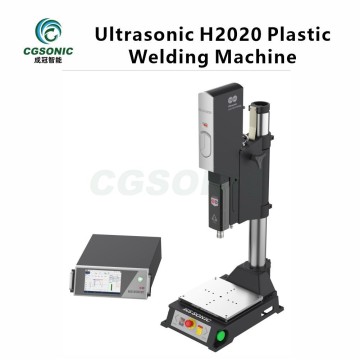
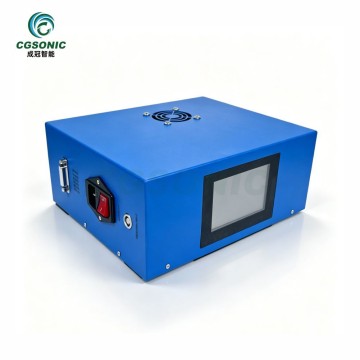
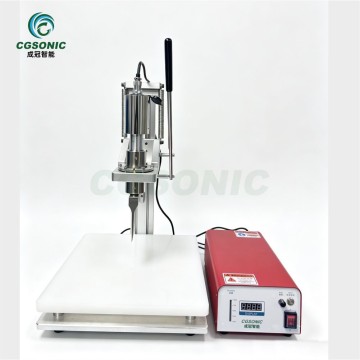

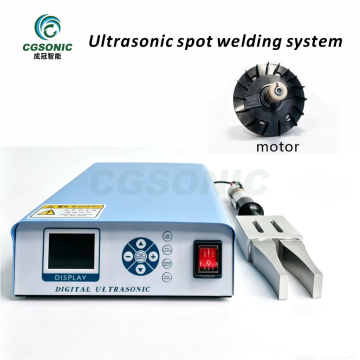
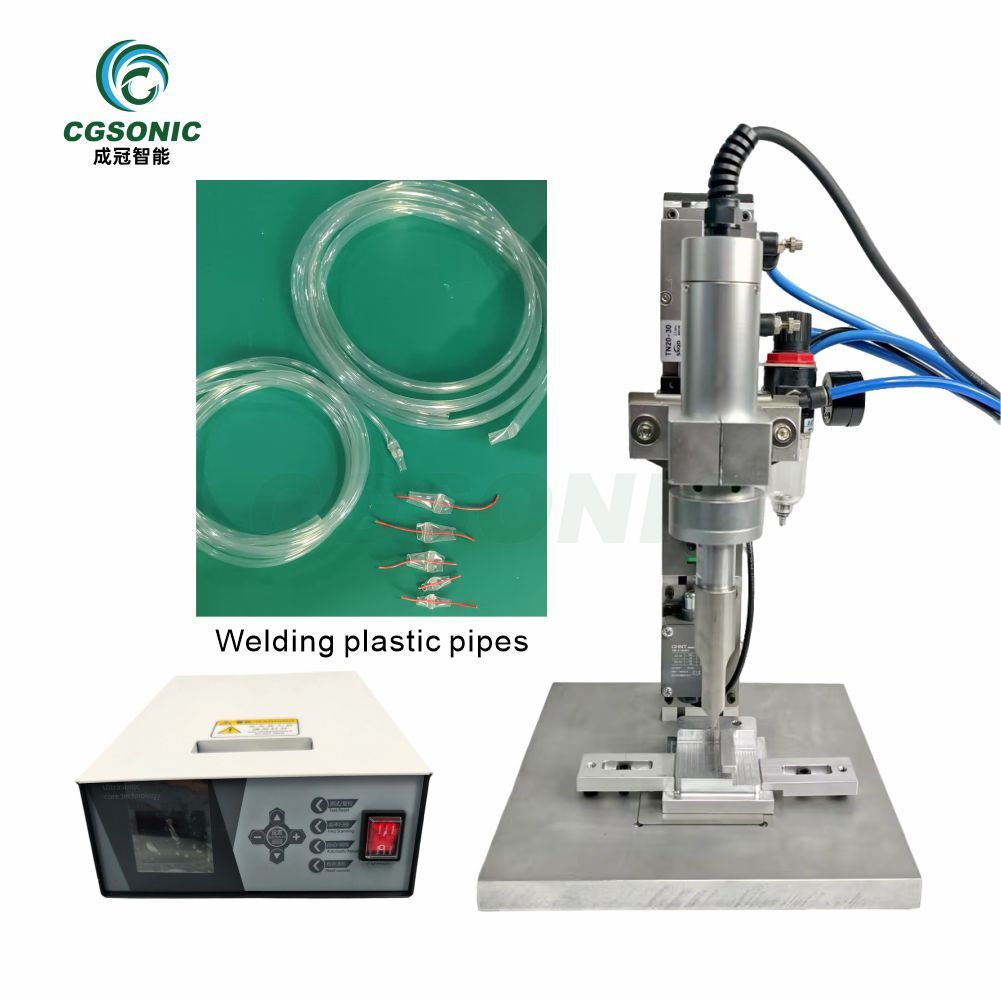
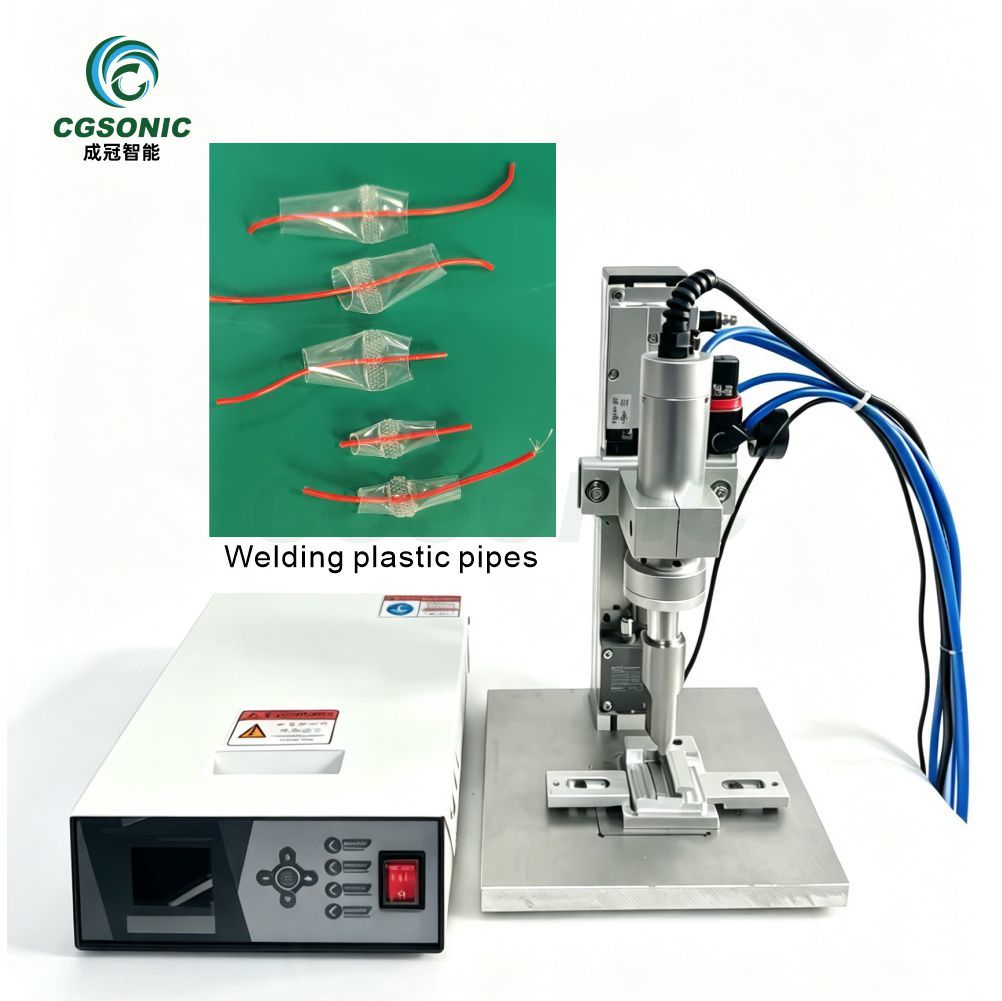
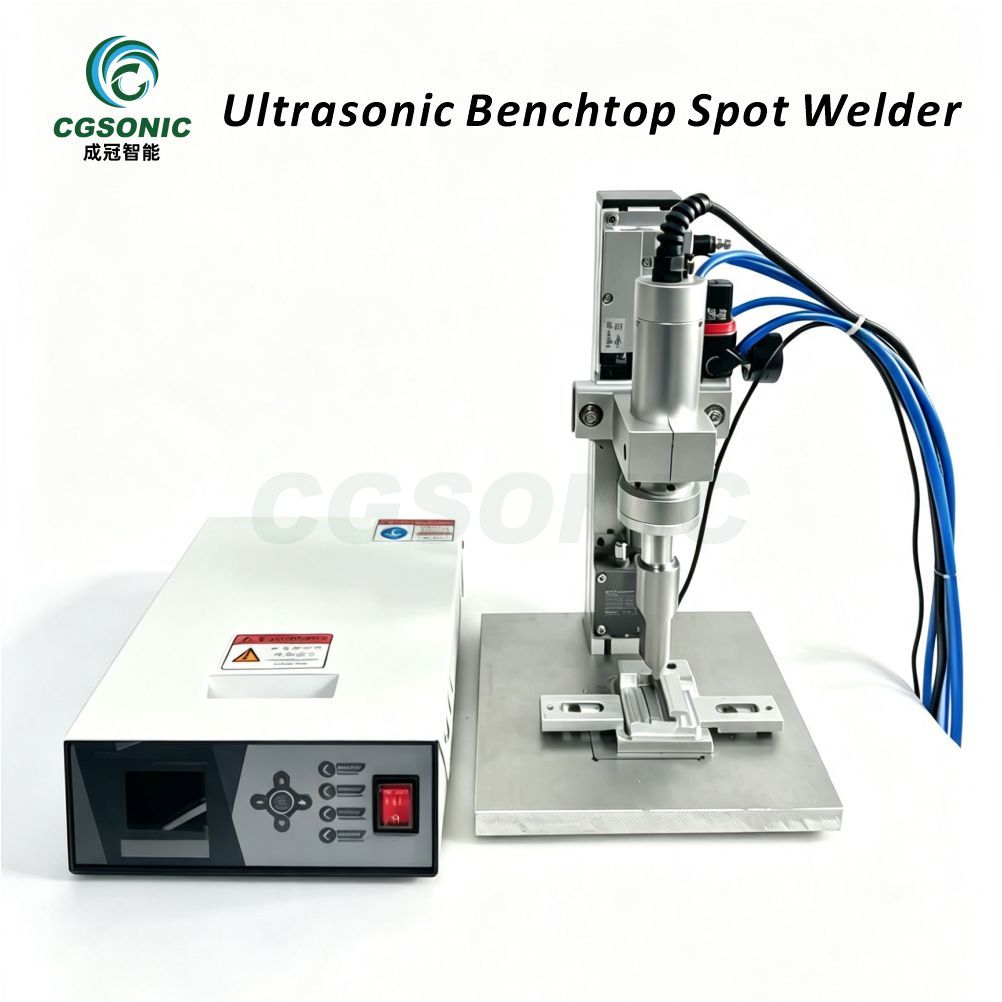
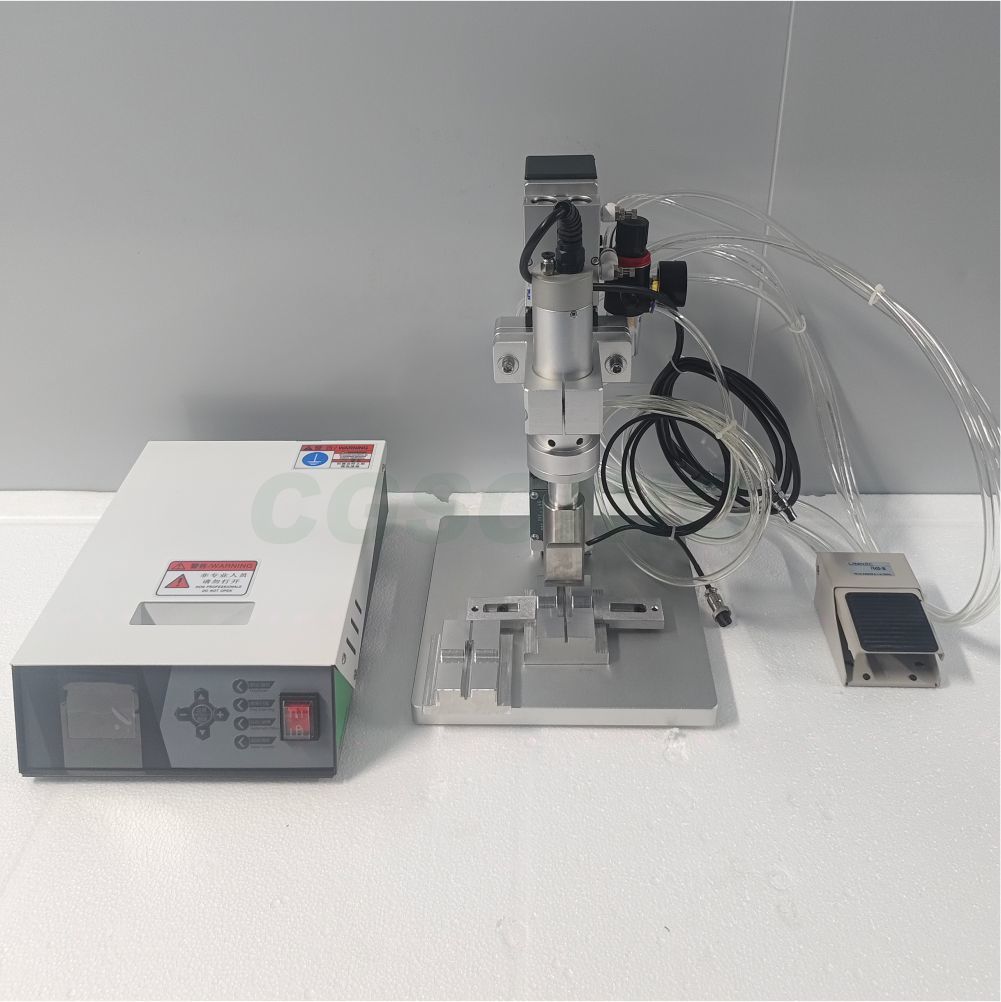
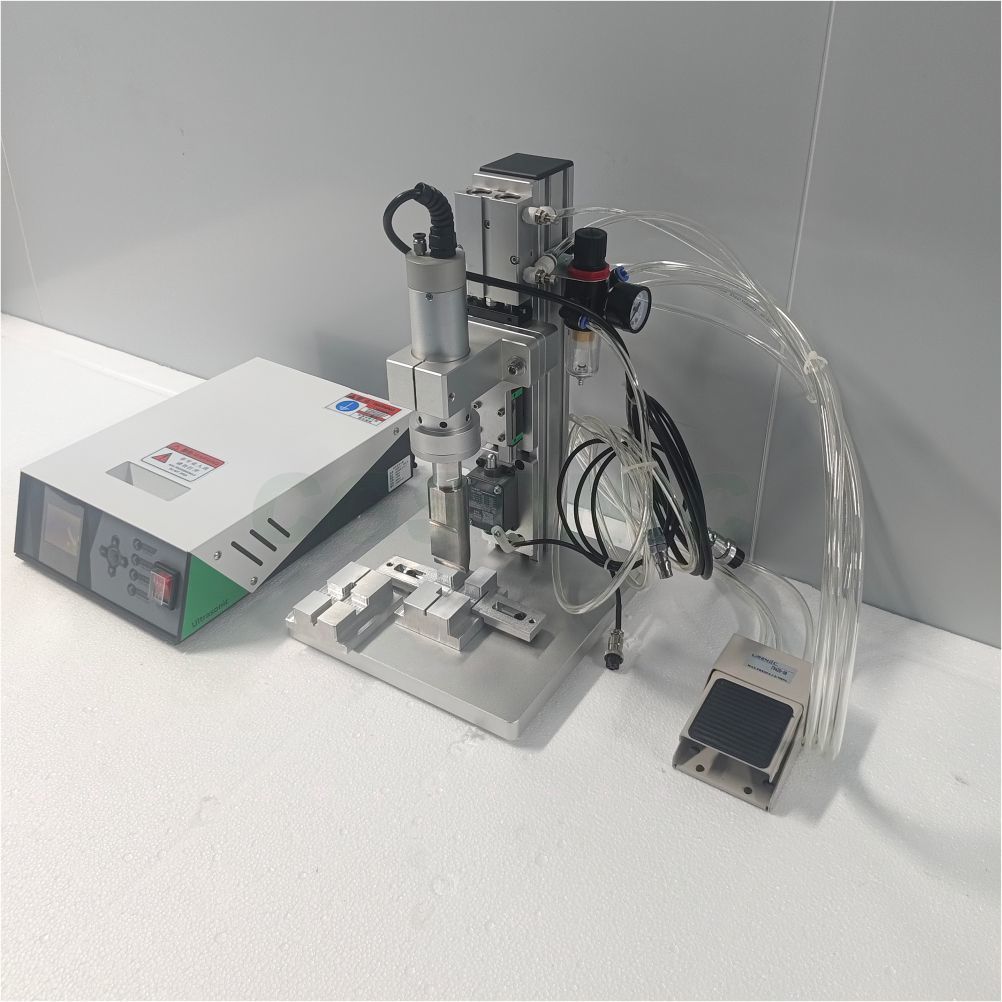
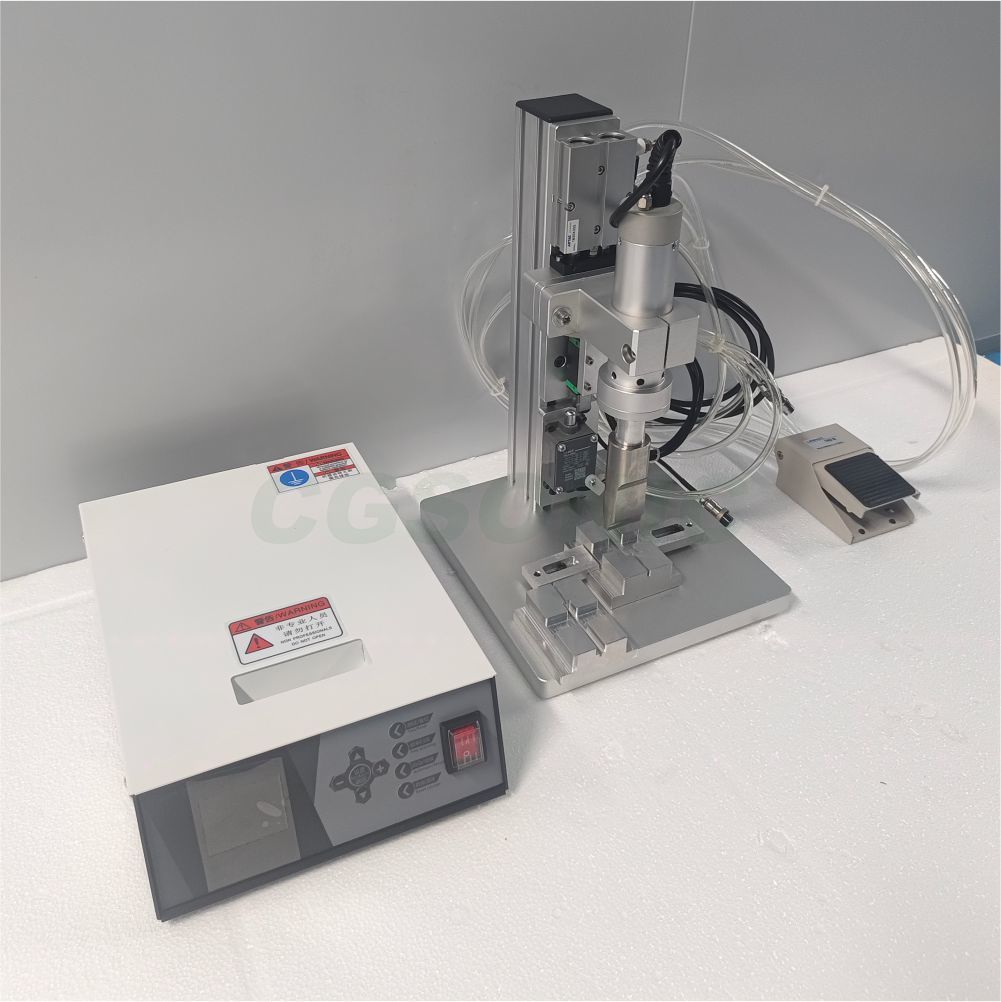
Compact Ultrasonic Benchtop Spot Welder
Product Overview
Core Advantages
Applicable Materials & Applications
Applications Position spot welding of small PVC tubes, partial sealing of pipe fittings, riveting & fixing of PVC accessories, PVC pipe sample prototyping, small PVC pipeline parts for home appliances, small bathroom PVC connectors, lab PVC specimen fabrication
Working Principle
FAQ
A: The P2 series upgrades digital frequency tracking technology and visualized pressure display, with four intelligent welding modes and millisecond-level response. It solves the frequency instability problem of traditional equipment, with higher welding accuracy, better stability and stronger production traceability, making it more suitable for high-standard batch production.
Q2: Can this machine adapt to different material welding?
A: Yes. Multiple intelligent welding modes and adjustable digital parameters support welding of various thermoplastic materials, fabrics and synthetic materials, with strong scene compatibility and flexible parameter matching.
Q3: Will ultrasonic pneumatic welding damage product appearance?
A: No. Adopting low-pressure instantaneous molecular fusion technology, the welding process is stable and controllable, with no extrusion deformation, no high-temperature scald and no surface residue, realizing zero-trace high-precision welding.
Q4: How do I choose between Time / Energy / Power / Force welding modes?
A: For stable materials and standard workpieces, choose Time mode; for slight material or thickness variation, choose Energy mode; when high power consistency is required, choose Power mode; for appearance parts that need zero-trace welding, choose Force mode.
Q5: Is on-site installation and training supported?
A: Yes. We provide installation guidance, parameter setting support and operator training videos. For batch orders, on-site engineer commissioning is available — please contact our sales team in advance.
Contact Us
Machine Power On:Press the power switch button to start the welding machine.
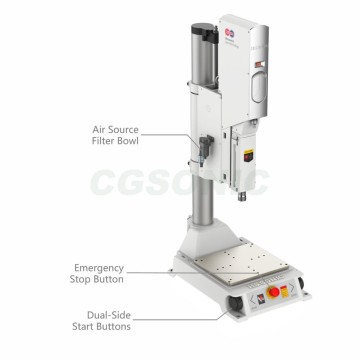
Starting Method:Press the start switch with both hands.
Welder Reset:
Manual Operation Mode: Press and hold the two operating switches until the machine reaches the ready state and output is enabled.
Automatic Operation Mode: The welder requires an external input signal, which is provided by an external source.
System Composition:System operation requirements depend on the system type, selected options, the user’s equipment and system interfaces, as well as the specific application.
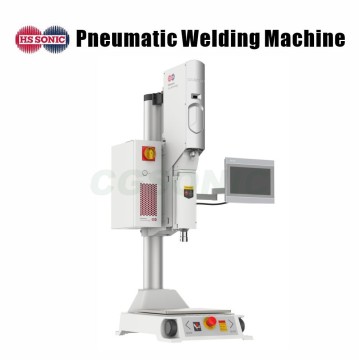
Control Process:The control of the welding process depends on the system structure. For generators equipped with a color front-panel display, users can control the welding process using the IGWA software operated through the HMI.
Quick Mold Change:In production scenarios involving multiple mold types, the One-Button Mold Change technology reduces labor costs and improves production efficiency.
Online Function:The MES system can identify and collect data from each welding operation, including output power, welding stroke, and welding time (connection to MES requires a pre-customized interface).
Pressure Test with Digital Display:Air pressure shown digitally.
Partners
details showcase
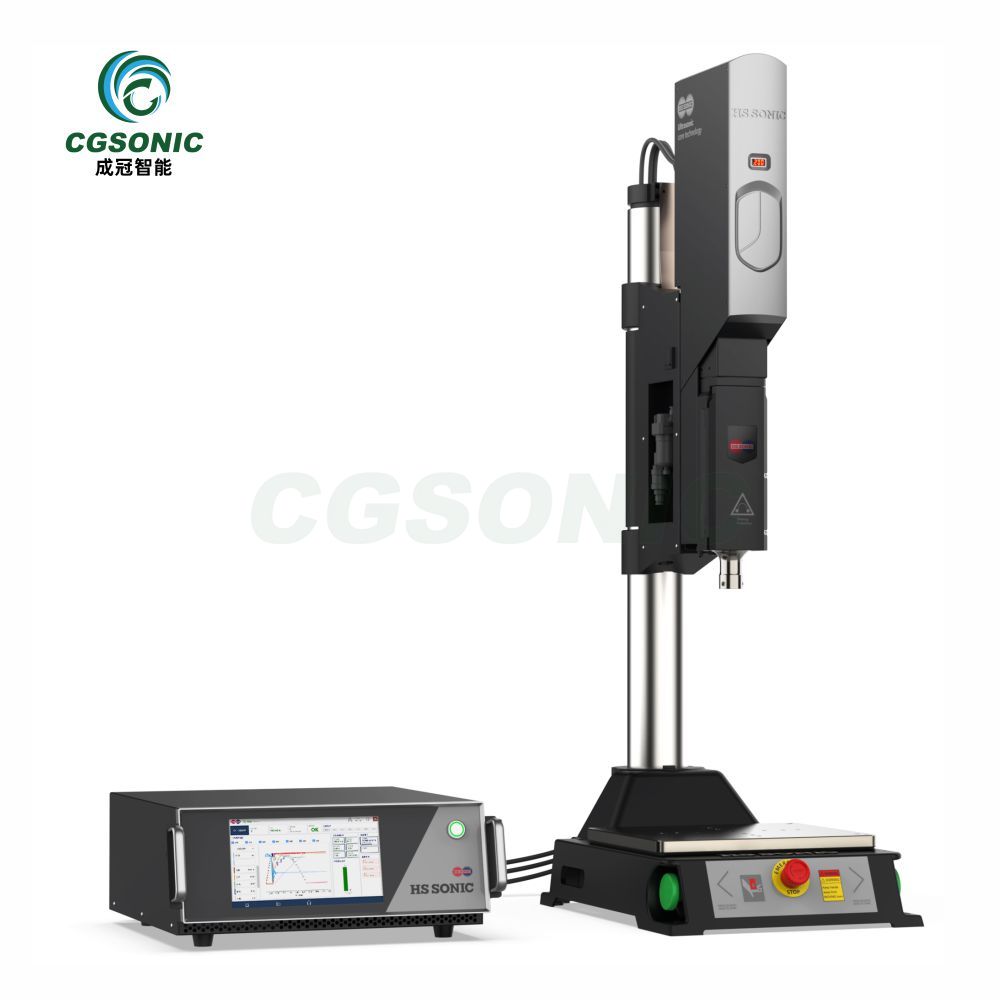
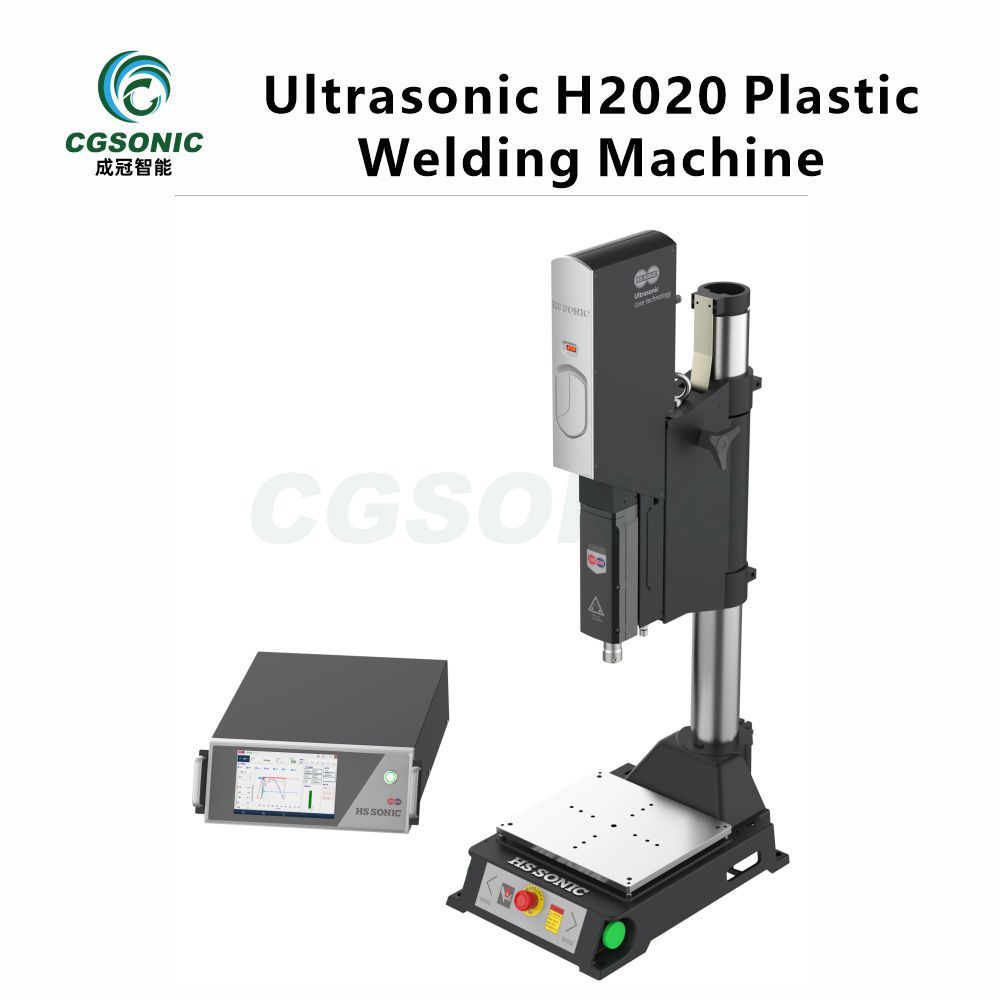
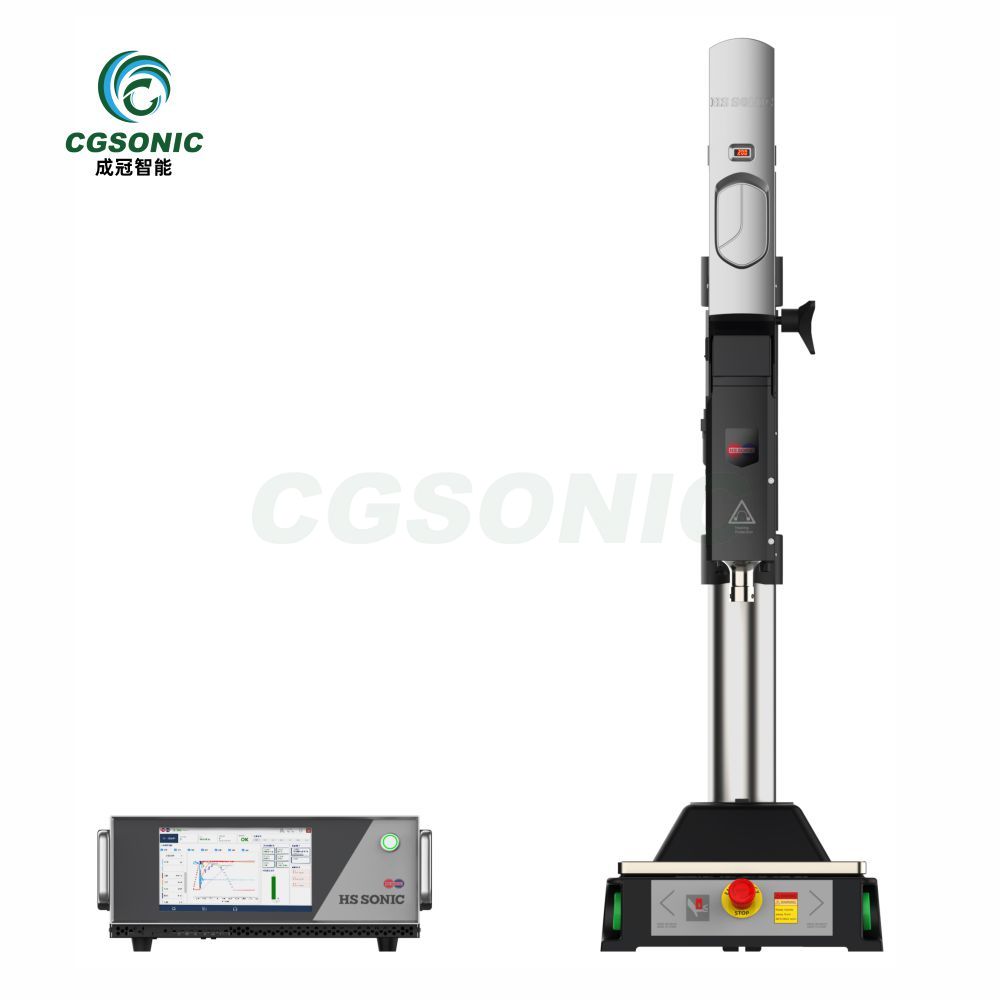
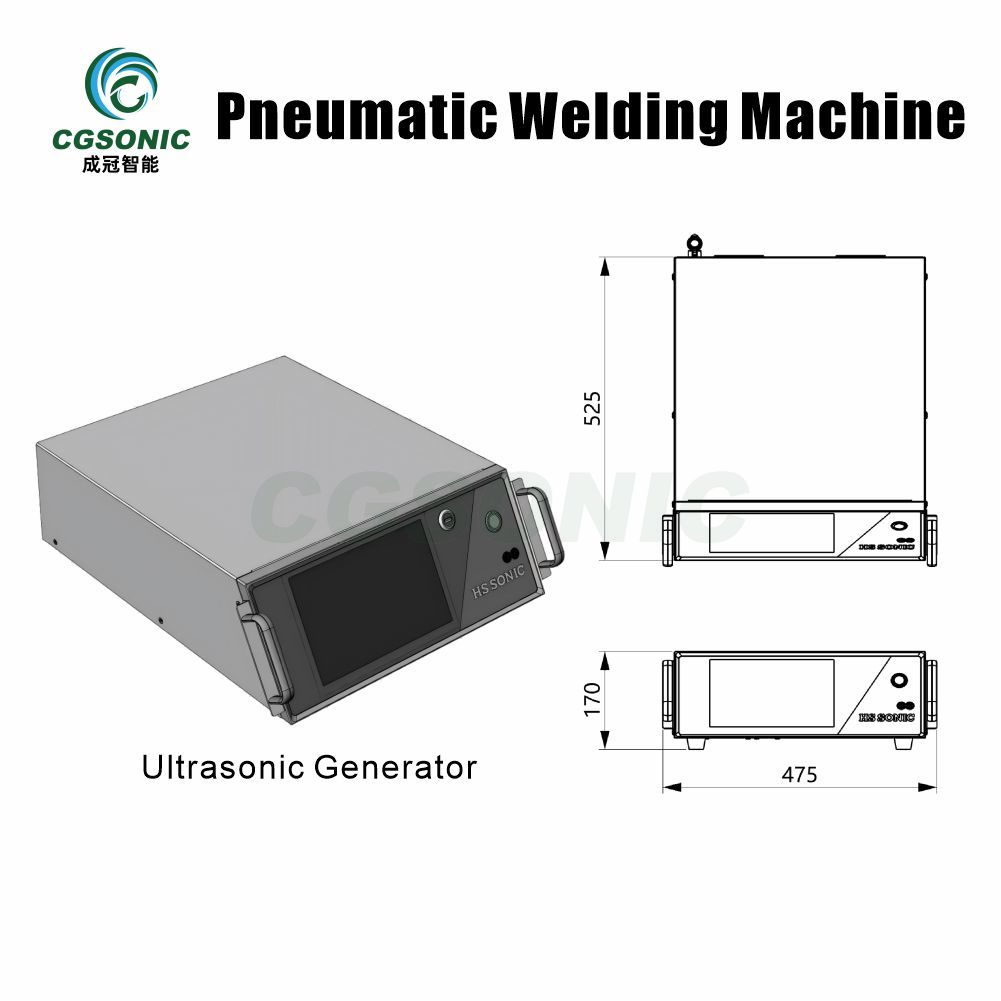
Product Parameters
Machine Maintenance
Ultrasonic generator : Wipe the machine body regularly with a clean, soft cloth to remove dust and stains, and prevent foreign objects from entering the interior and affecting performance . Check whether the wiring connections are loose, ensure good ventilation and heat dissipation, and prevent malfunctions caused by overheating.
Transducer and amplitude transformer : Check for cracks and wear, and ensure the connections are secure. Replace or tighten any faulty components promptly.
Welding head maintenance : Clean surface residue after each use, regularly check for wear, and replace it in time if the wear is severe to ensure welding effect.
Control system : Regularly check whether the control buttons and display screen are working properly to avoid accidental operation, and update the system software in a timely manner.
Regular inspections : The overall performance of the equipment is tested at regular intervals, such as welding strength and frequency stability, to ensure that the equipment is in optimal working condition.
After-Sales Service
Our warranty period is 1 year, and if you have any other questions, we will provide you with online technical support to help you.