



- Ultrasonic system
- Ultrasonic horn
- Ultrasonic plastic welding machine
- Ultrasonic metal welding machine
- Ultrasonic sewing machine
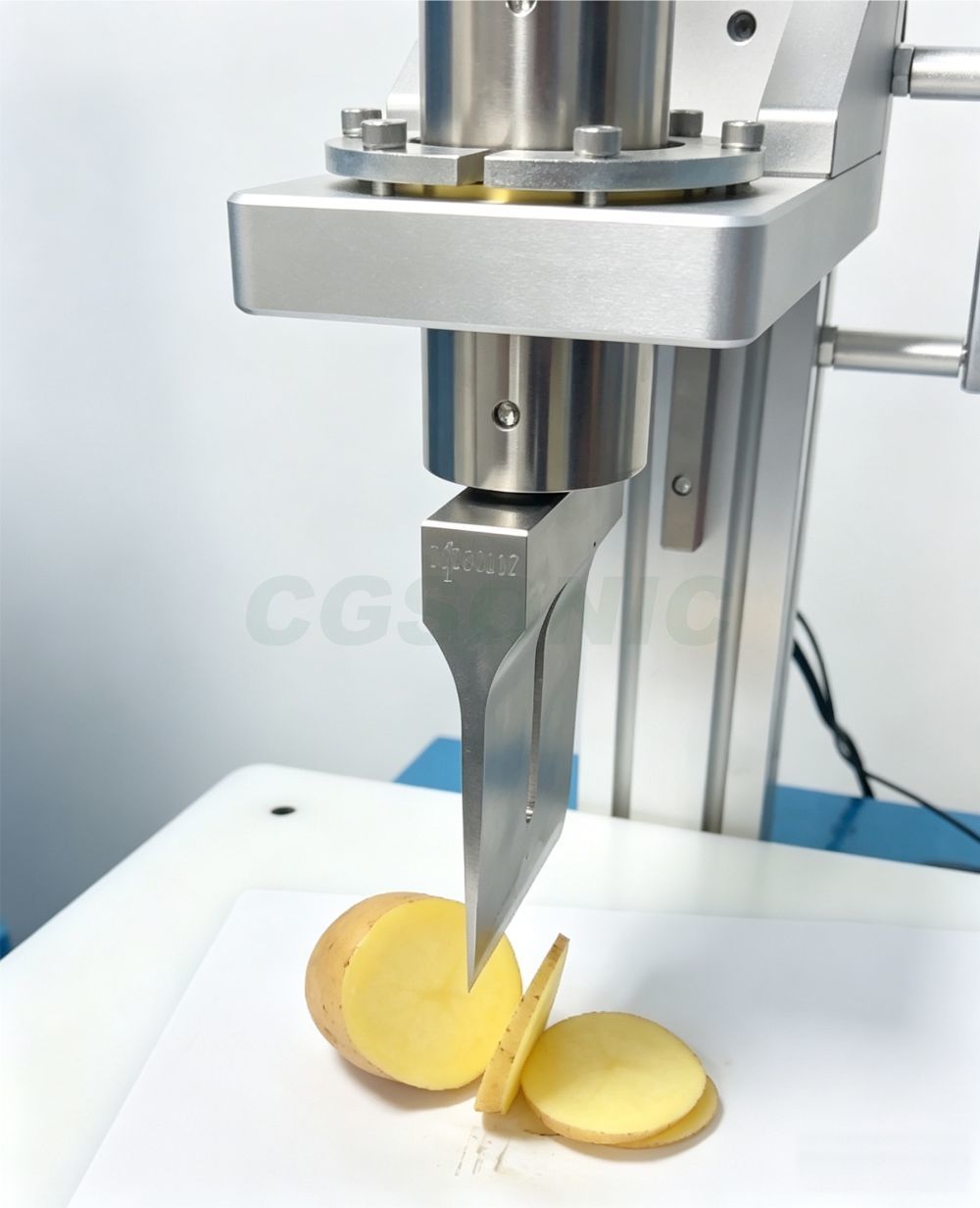
- Ultrasonic cutting device
- Ultrasonic homogenizer
- Ultrasonic generator
- Ultrasonic transducer
- Ultrasonic spot welding, handheld welding
- Ultrasonic hose sealing machine
- Ultrasonic turntable machine
- Water outlet machine
- Flange
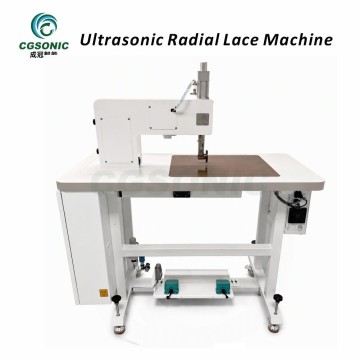
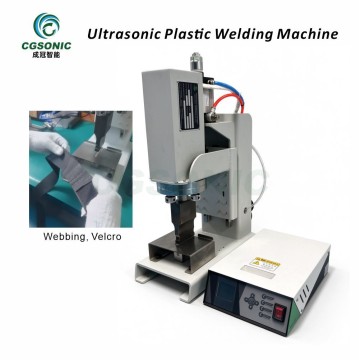

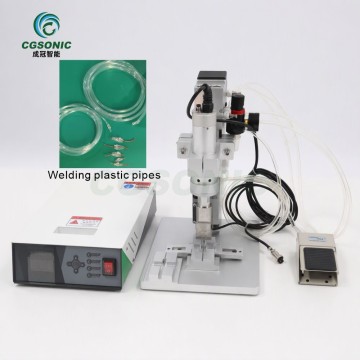
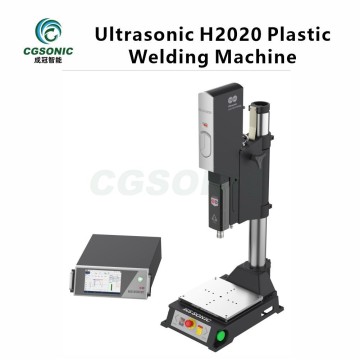
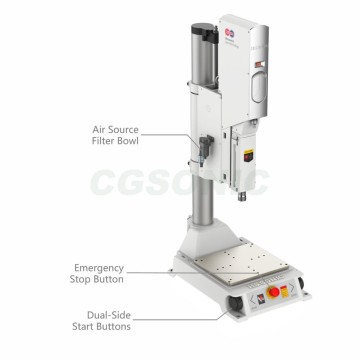
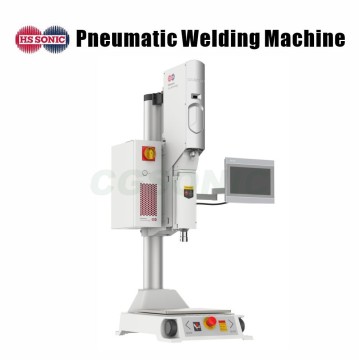

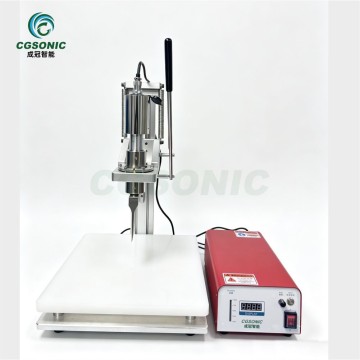
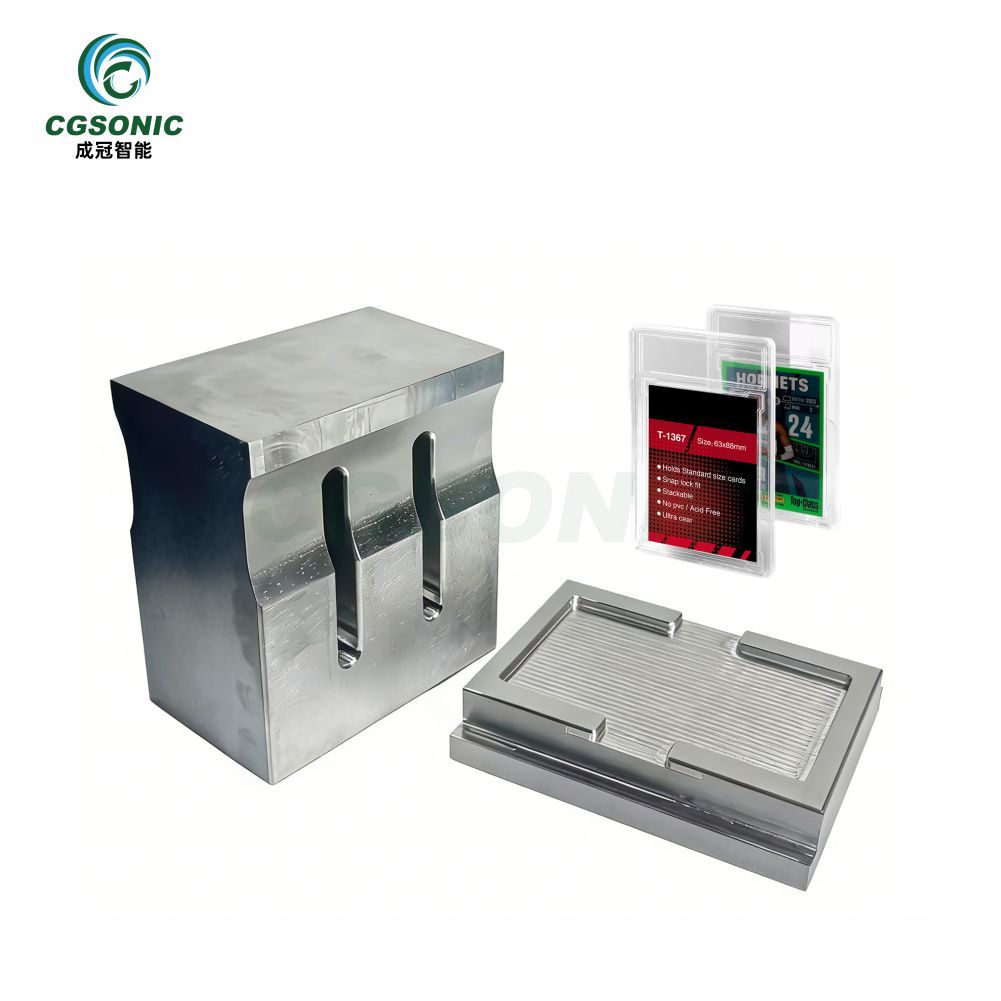
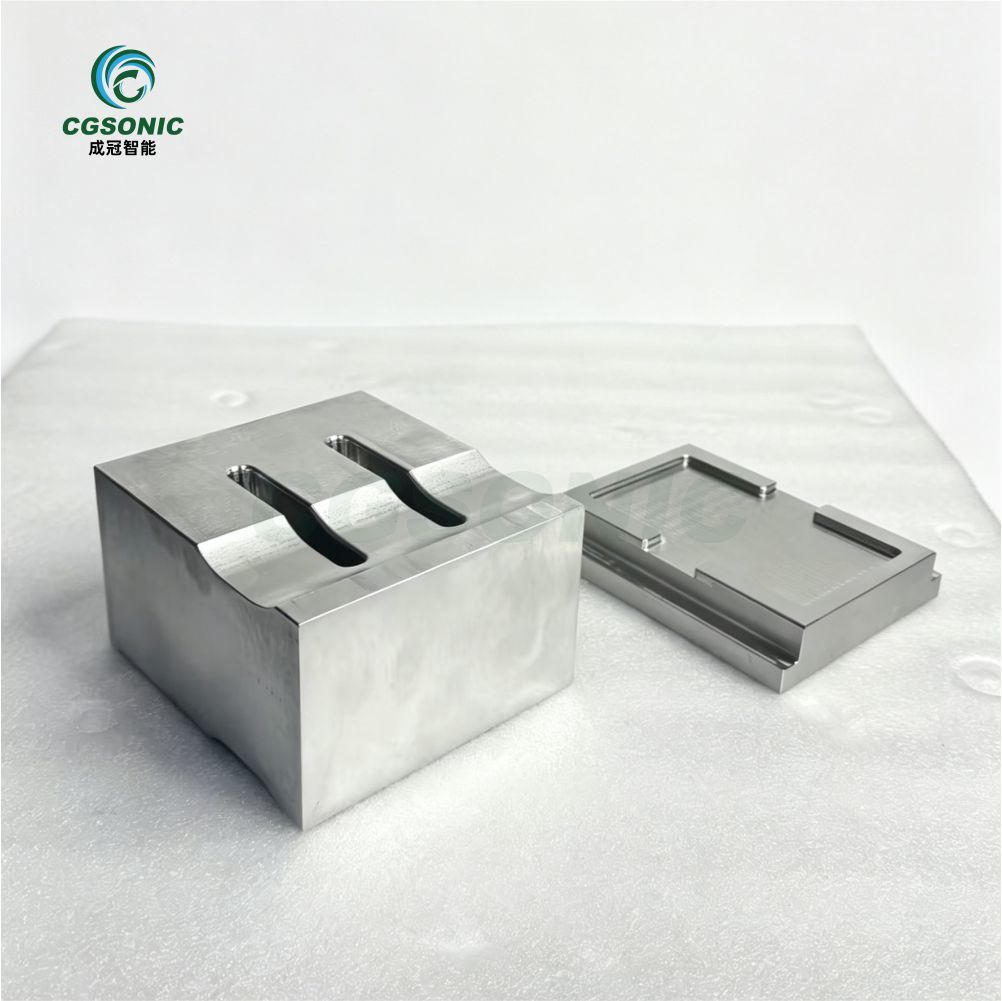
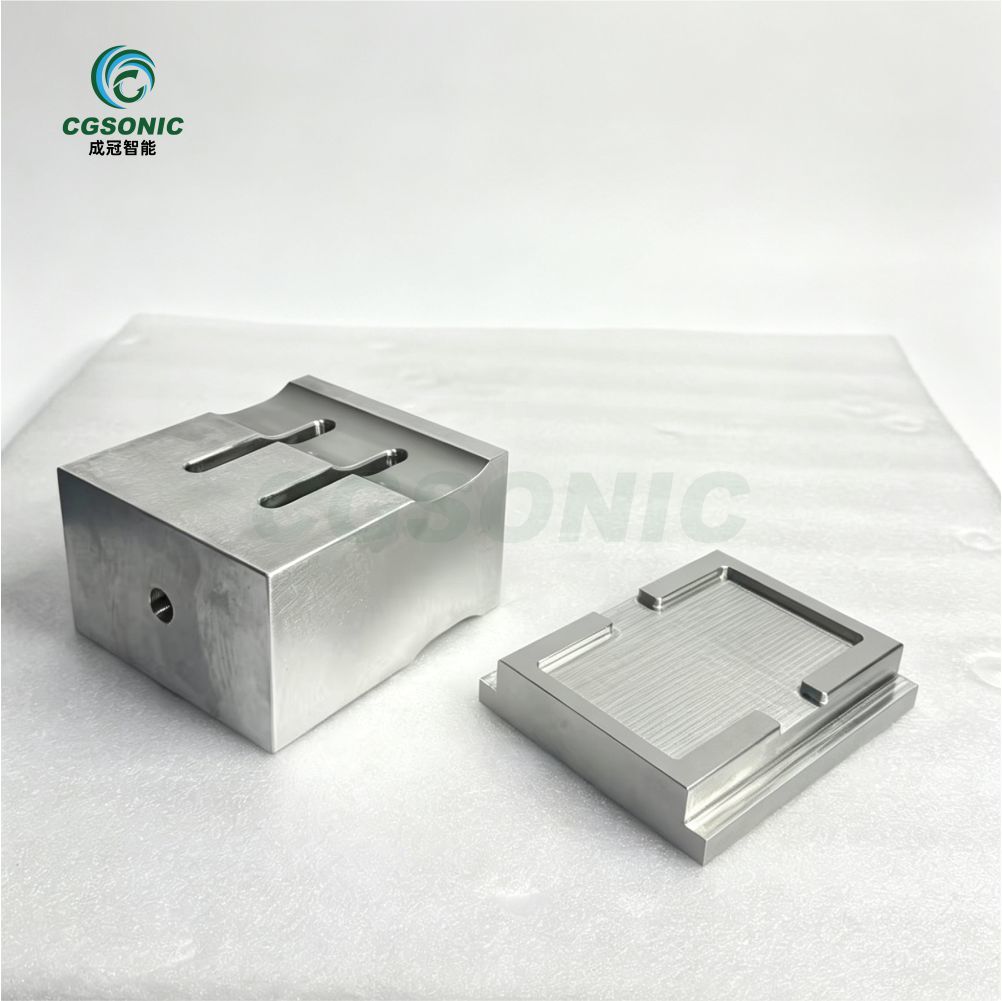
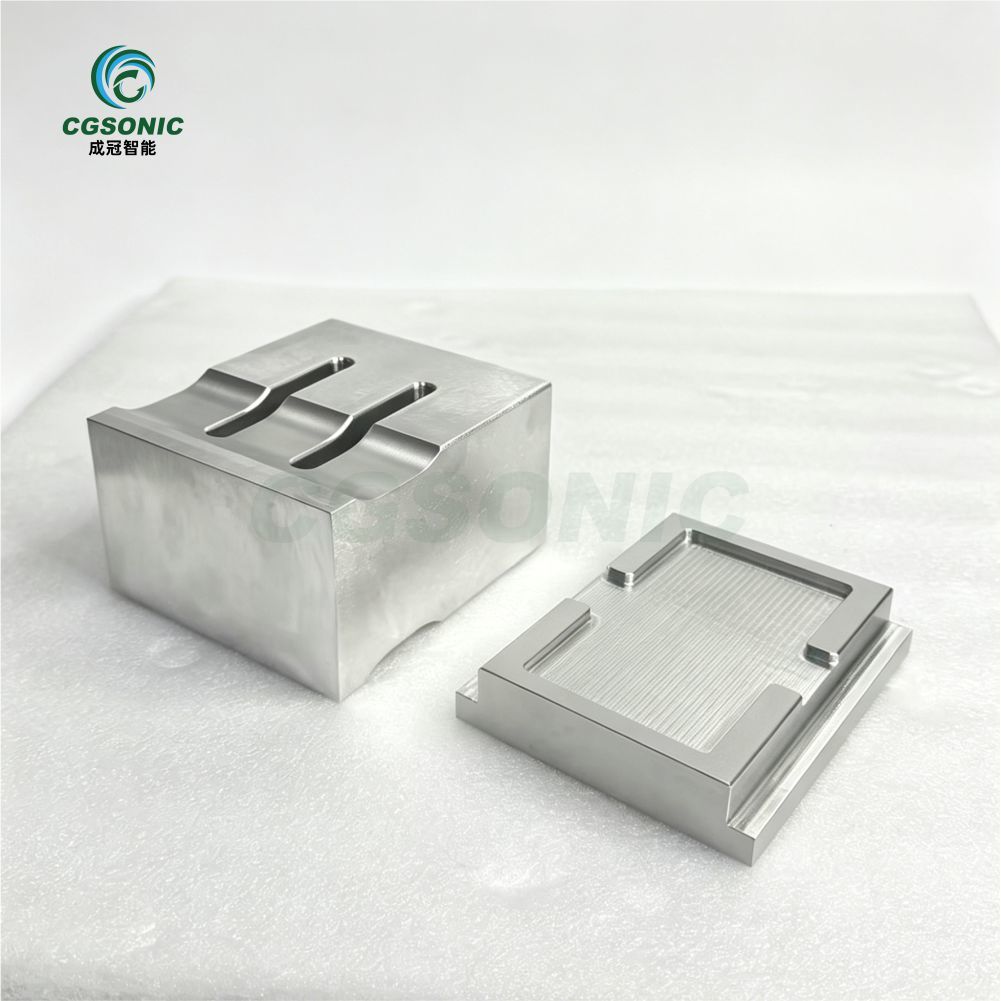
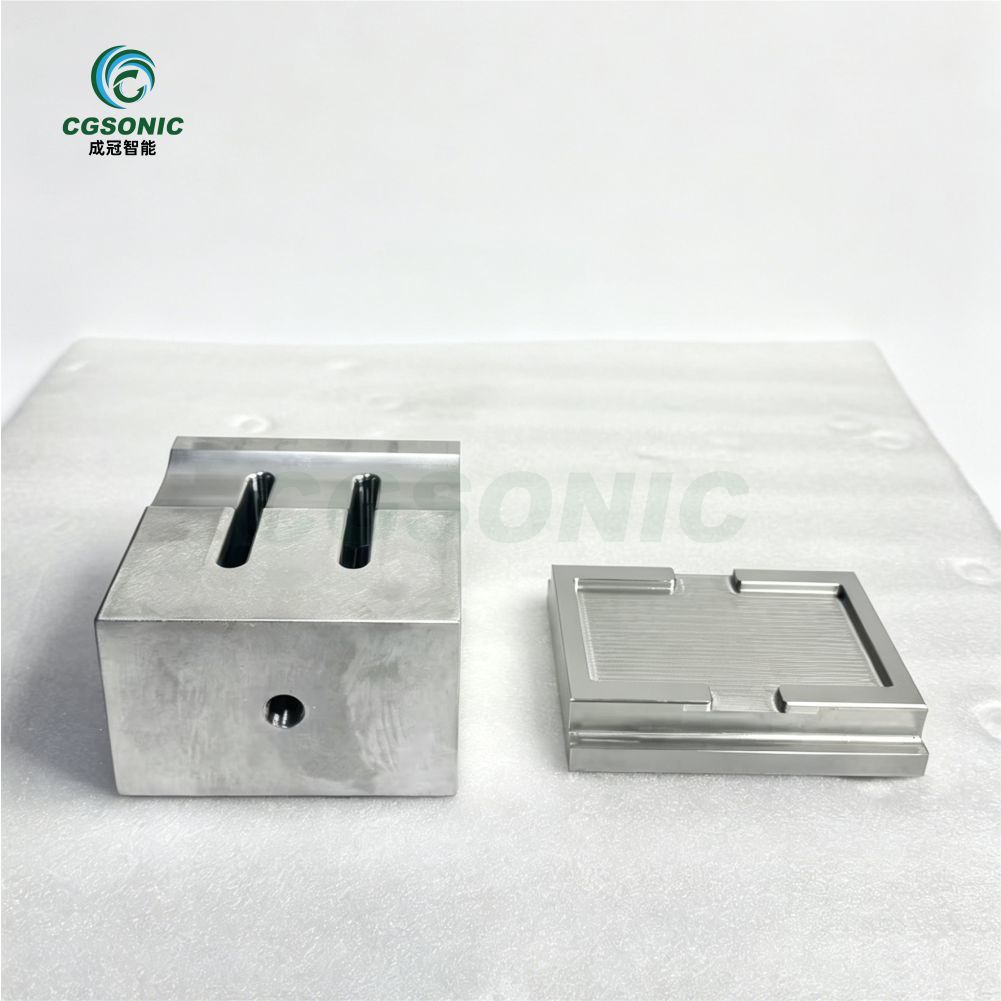
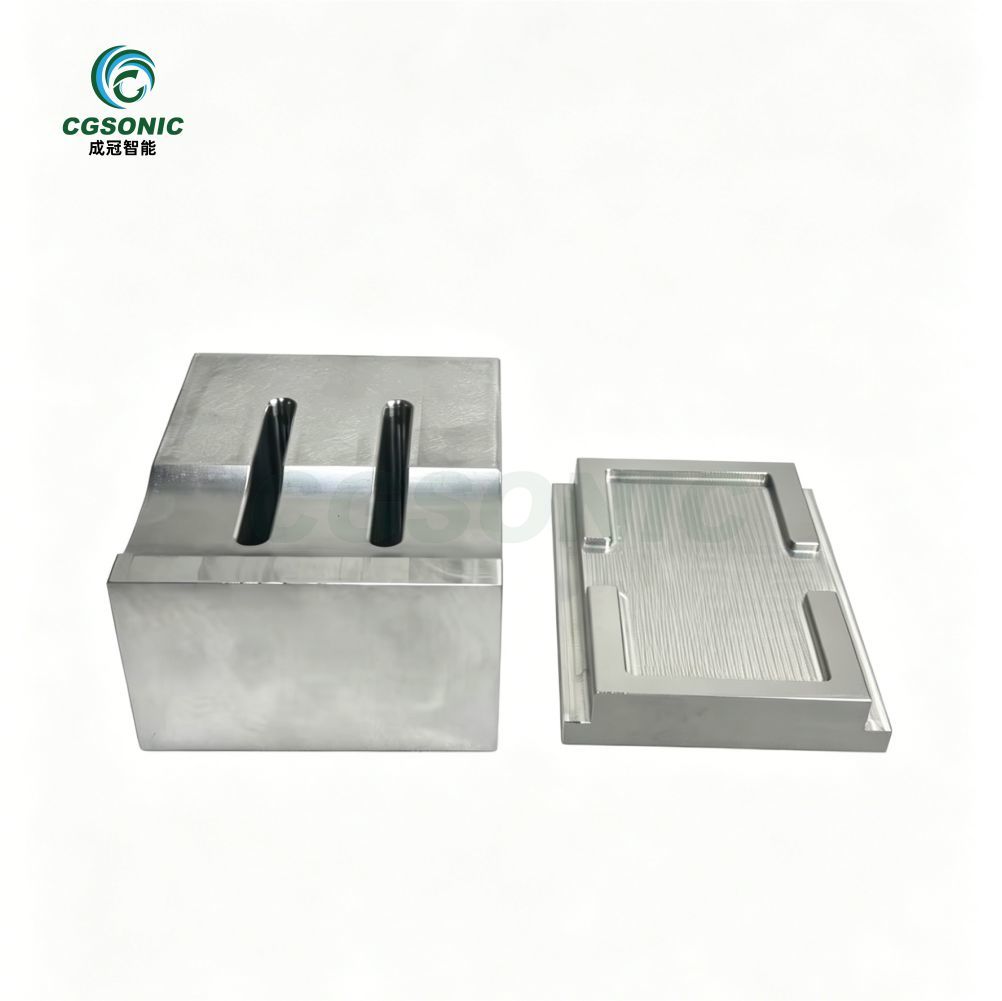
Customized ultrasonic molds with various frequencies
Three working principles
The ultrasonic mold, connected to the amplitude transformer, receives amplified mechanical vibrations and transmits them to the material being processed. The interaction between the mold and the material varies depending on the processing application.
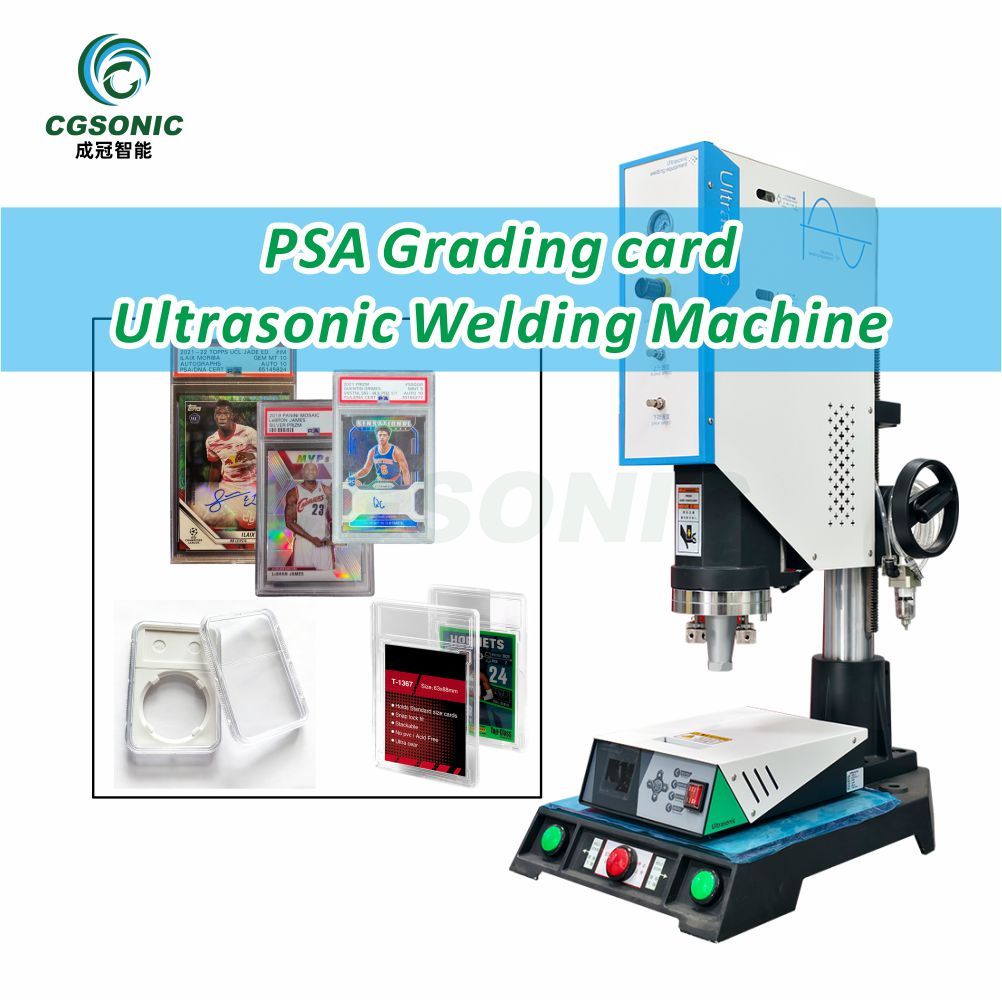
- Welding : In plastic welding, the high-frequency vibration of the mold causes rapid friction and heat generation at the contact surfaces of the plastic parts, leading to the melting of the plastic. Under pressure, the molten plastic fuses together, and after cooling, forms a strong weld joint. For metal welding, high-frequency vibration can remove the oxide film on the metal surface, promote the diffusion and bonding between metal atoms, and achieve solid-state welding of metals.
- Cutting : The mold comes into contact with the material being cut under high-frequency vibration. The resulting high-frequency, high-energy friction and shearing action causes the material to locally melt or soften, thus achieving cutting. This cutting method produces clean cuts without burrs.
- Grinding and polishing : The high-frequency vibration of the mold causes the grinding particles or polishing tools to interact strongly with the surface of the workpiece, which accelerates the removal of materials and the smoothing of the surface, improving the efficiency and quality of grinding and polishing.
Product Introduction
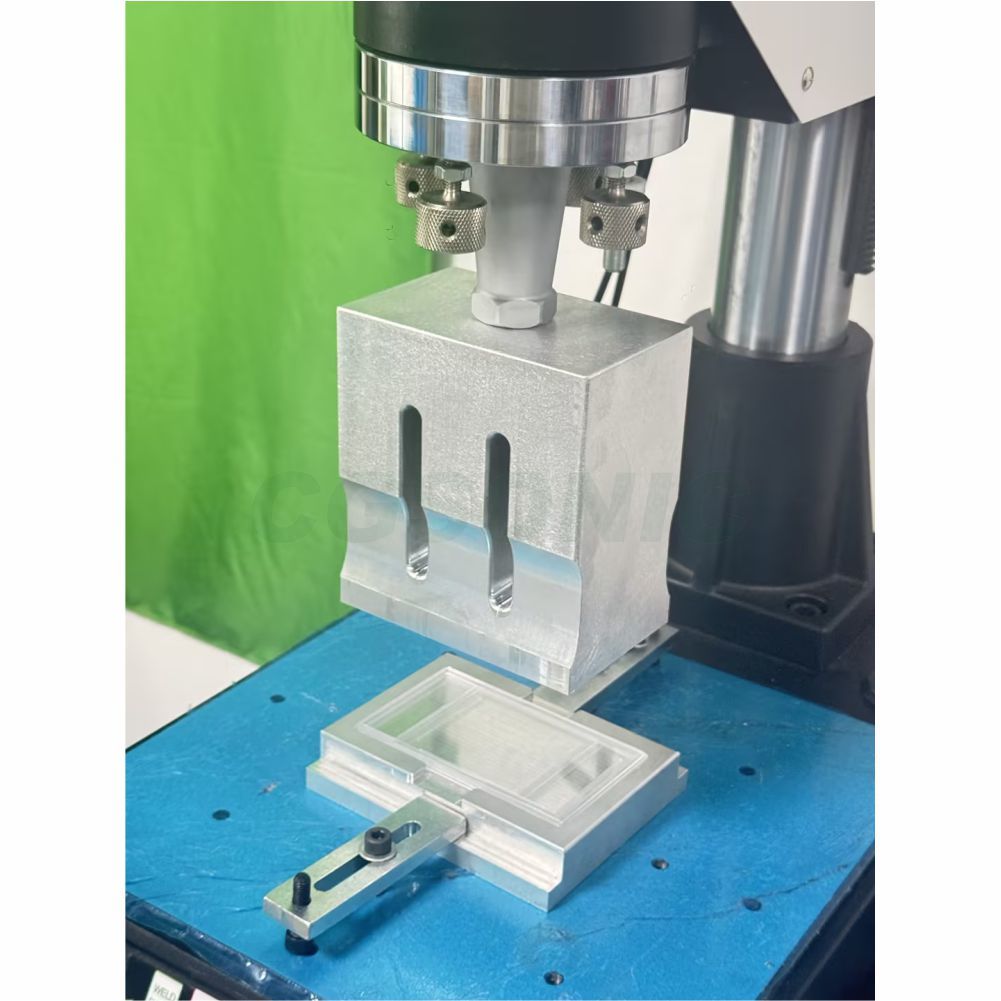
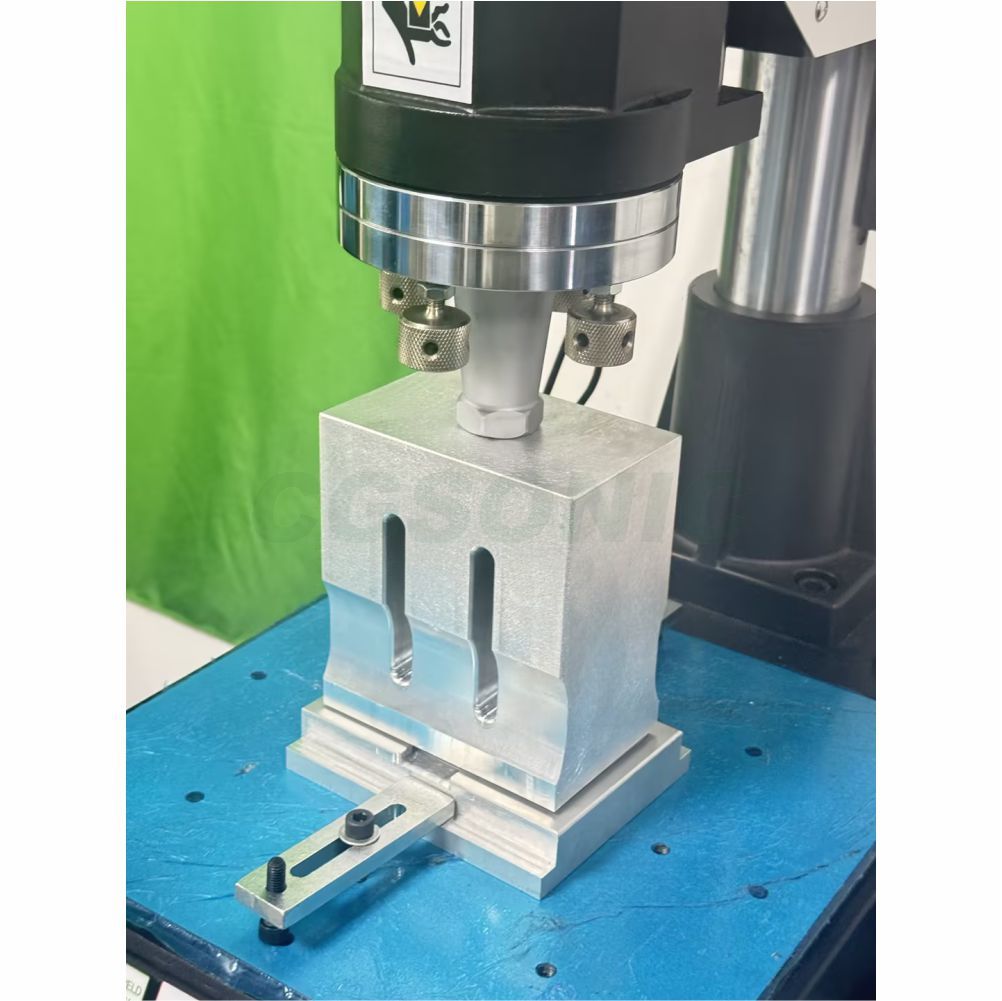
- Commonly used materials include aluminum alloys such as 7075, 2024, and 6061, which have the characteristics of high hardness, strong thermal conductivity, and good toughness; titanium alloys have extremely high toughness, good thermal conductivity, and high hardness, but are expensive; SCM8 is generally used for embedded screws and metal inserts, and has excellent toughness and high hardness.
- High wear resistance : Surface treatments such as spraying, electroplating, and chemical treatments improve the surface hardness and smoothness of the mold, reducing wear and extending its service life.
|
 |
Product Introduction
- Commonly used materials include aluminum alloys such as 7075, 2024, and 6061, which have the characteristics of high hardness, strong thermal conductivity, and good toughness; titanium alloys have extremely high toughness, good thermal conductivity, and high hardness, but are expensive; SCM8 is generally used for embedded screws and metal inserts, and has excellent toughness and high hardness.
- High wear resistance : Surface treatments such as spraying, electroplating, and chemical treatments improve the surface hardness and smoothness of the mold, reducing wear and extending its service life.
 |
 |
Five application areas
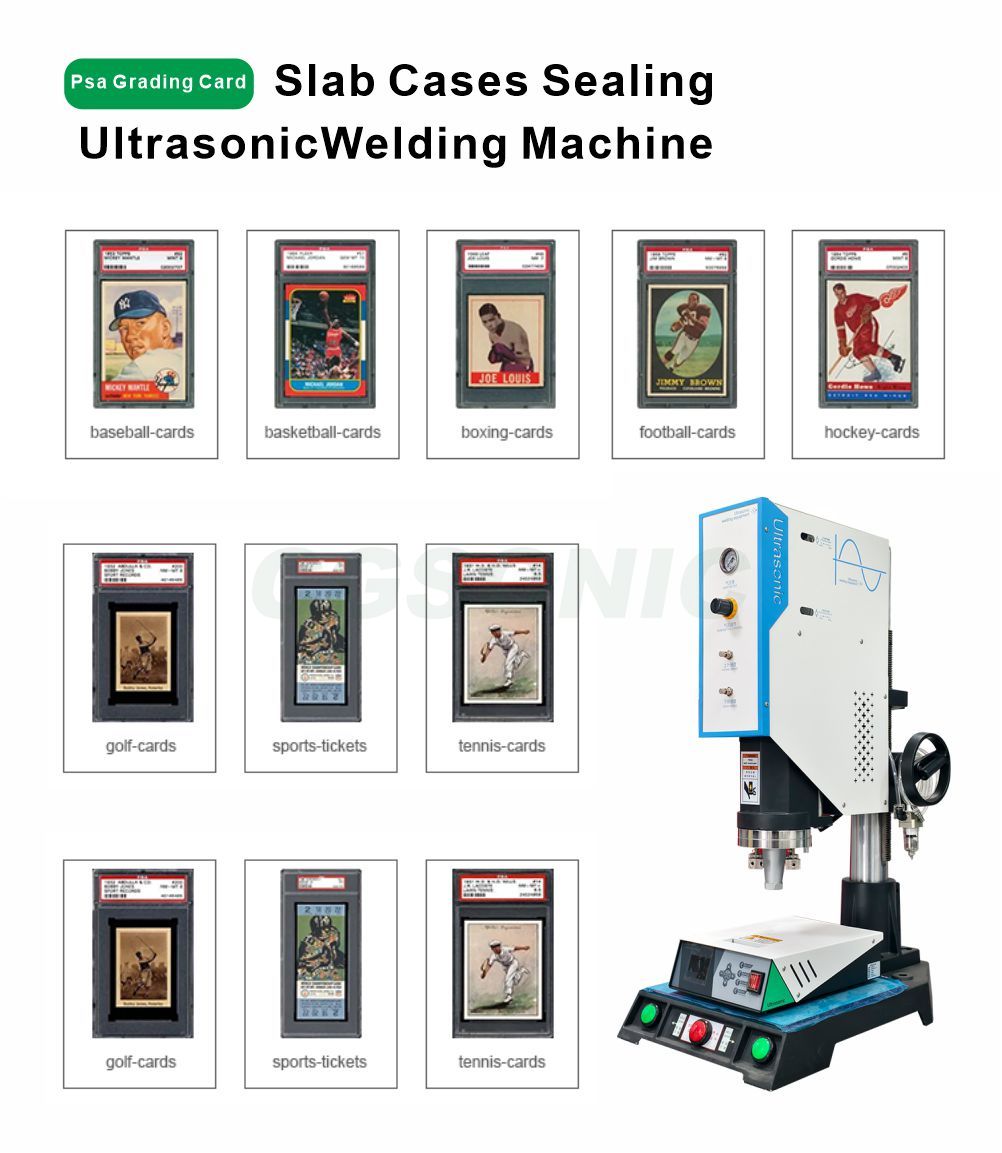
- Plastic processing : Used for welding plastics, such as automotive interior parts, plastic containers, and electronic device housings.
- Metal processing : Enables metal welding and can also assist in metal forming, such as welding of metals like aluminum and copper, and ultrasonic-assisted forging.
- Cutting and processing : Cutting materials such as plastics, rubber, leather, and fabrics, applicable to industries such as clothing, footwear, and packaging.
- Grinding and polishing : Grinding and polishing precision workpieces such as optical lenses and mold cavities to improve surface quality.
- Cleaning applications : Cleaning electronic components, mechanical parts, jewelry, etc., removing dirt and impurities.
- Chemical and food applications : Used for emulsification and dispersion in the chemical and food industries, such as in the preparation of cosmetic emulsions and food suspensions.
|
 |
Mold maintenance
Exterior cleaning : After each use, use a soft cloth dampened with mild detergent to carefully wipe the mold surface to remove residual materials and stains, so as to avoid corrosion of the mold and affecting the subsequent processing results.
Wear inspection : Regularly inspect the mold surface and working parts for wear, scratches, and deformation. If severe wear or damage to critical parts is found, replace them promptly to ensure machining accuracy and quality.
Connection points : Check the connection points between the mold and the amplitude transformer and the main body of the equipment to ensure that screws, nuts and other connecting parts are tight to prevent loosening from causing abnormal ultrasonic energy transmission, which would affect processing efficiency and mold life.
Ultrasonic system related maintenance : Since the mold is part of the ultrasonic system, it is necessary to check whether the generator parameters are stable and whether the transducer is working properly to ensure that the mold works in a suitable ultrasonic environment.
Storage requirements : If the mold is not used for a long period of time, it should be cleaned and dried, and then placed in a dry, ventilated environment free of corrosive gases to avoid moisture, rust, or corrosion by chemicals.
After-sales service
Our products come with a one-year warranty, fully protecting your right to use them during the warranty period. Furthermore, if you encounter any problems or technical issues during use, our professional online technical support team is always ready to answer your questions and provide efficient and thoughtful solutions.