


- Ultrasonic Welding System
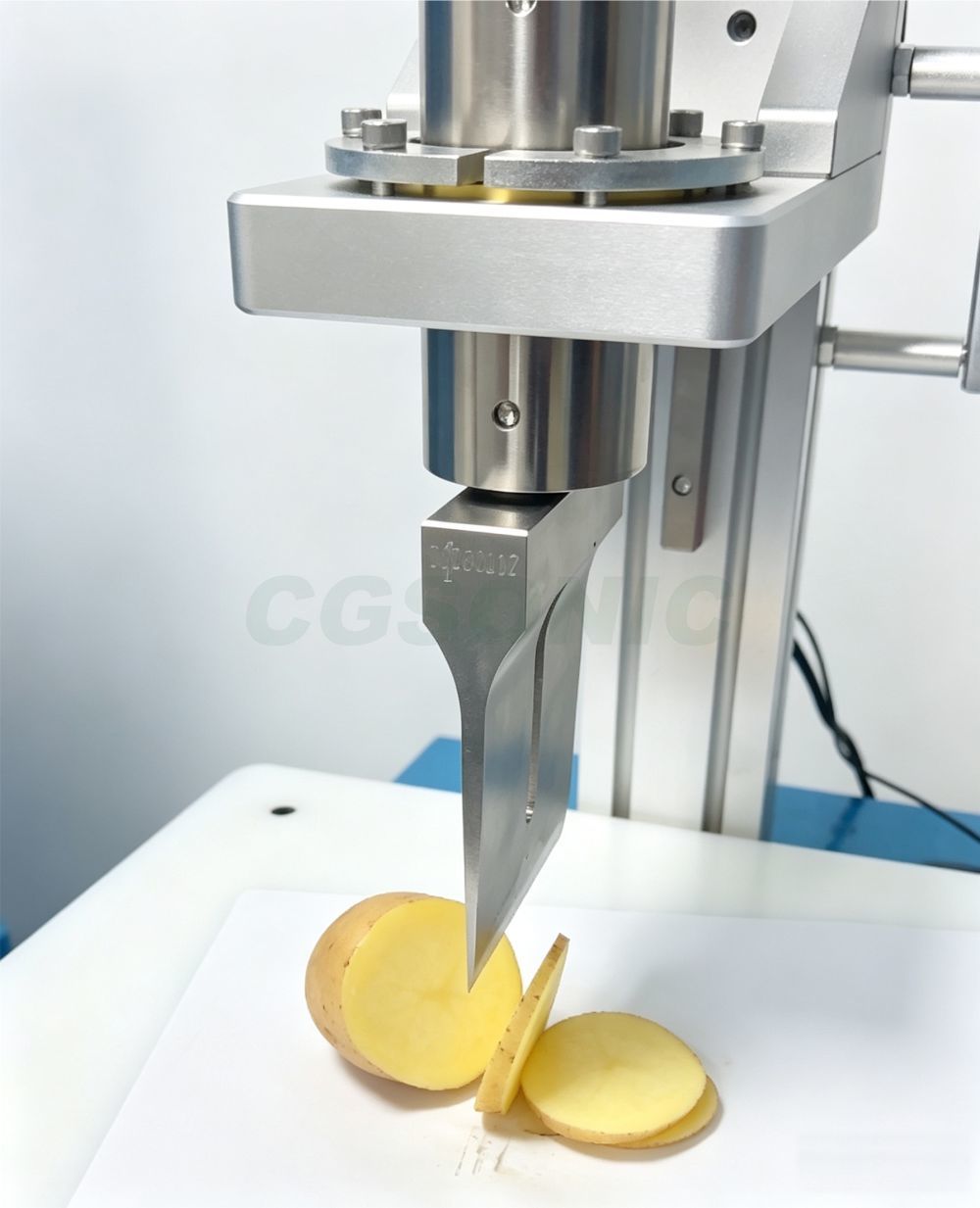
- Ultrasonic Welding Horn
- Ultrasonic Welding Machine
- Ultrasonic Metal Welder
- Ultrasonic Sewing Machine
- Ultrasonic Food Cutting Machine
- Ultrasonic Homogenizer
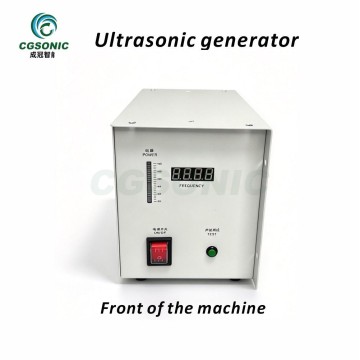
- Ultrasonic Welding Generator
- Ultrasonic Transducer
- Handheld Ultrasonic Welder
- Ultrasonic Tube Sealer
- Rotary Ultrasonic Welder
- Ultrasonic Degating Machine
- Flange
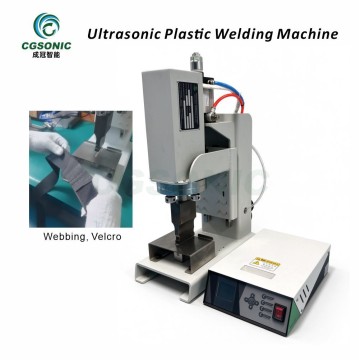
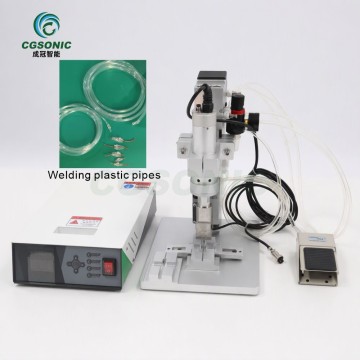
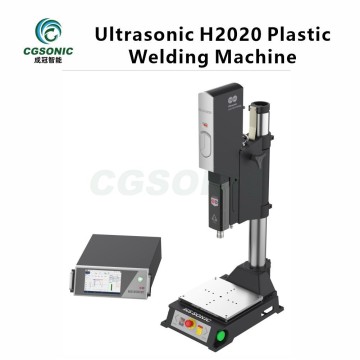
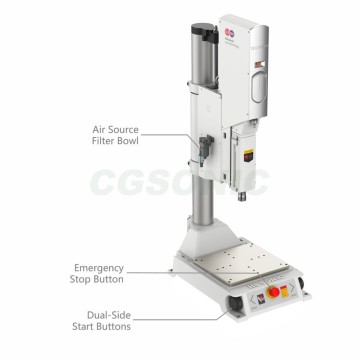
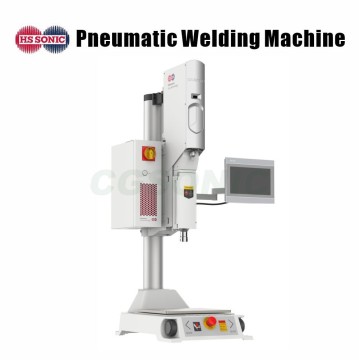
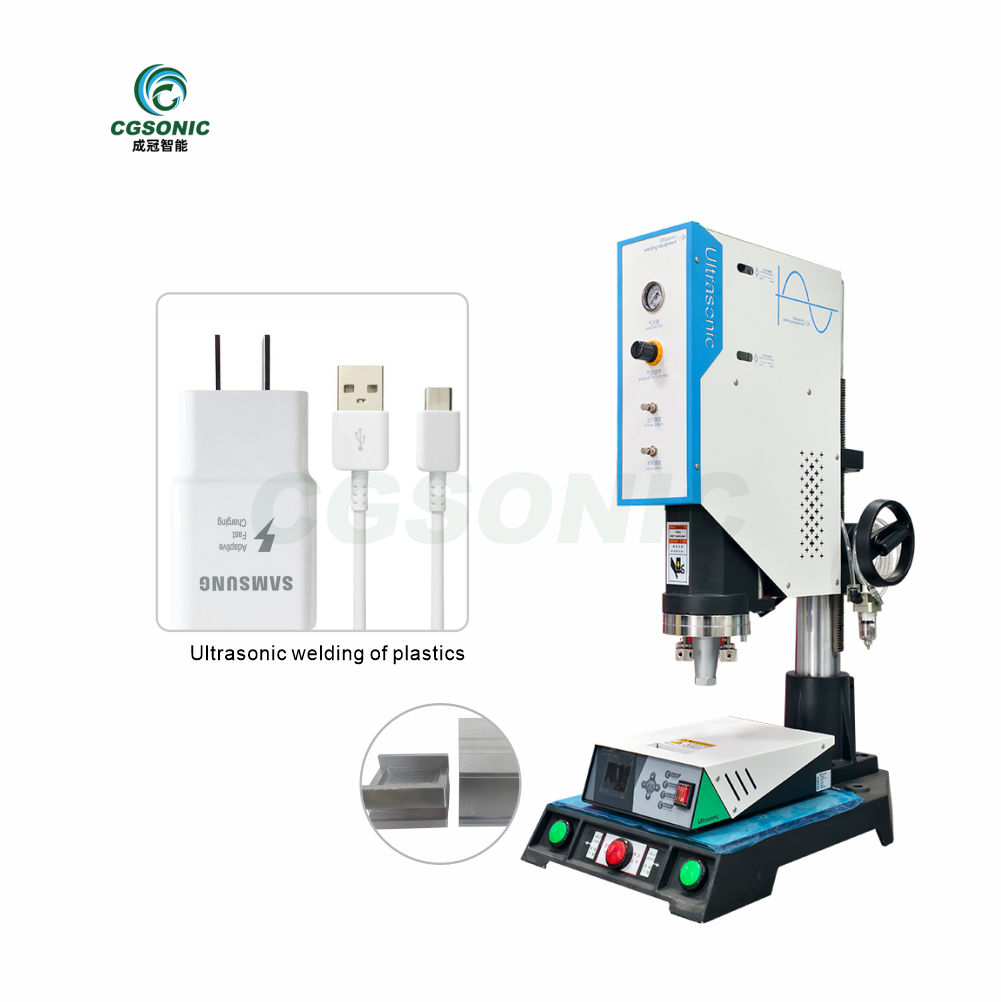
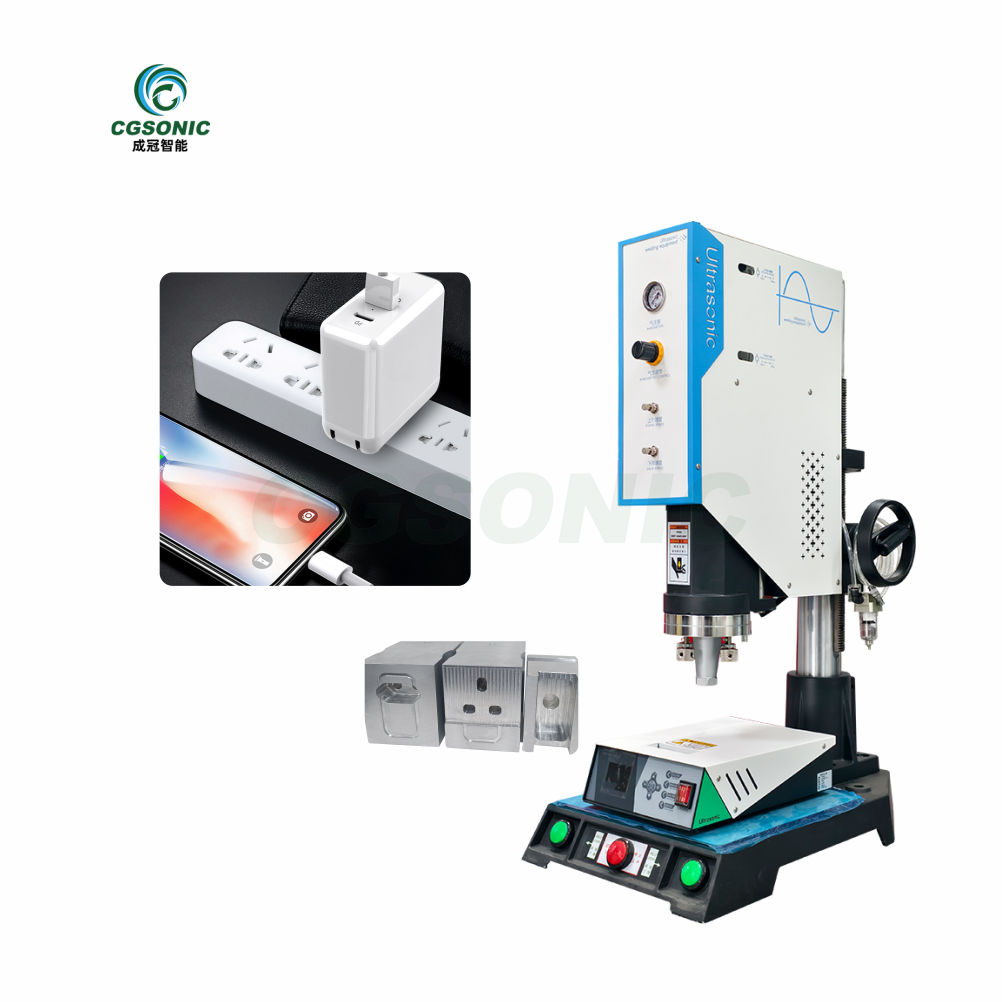
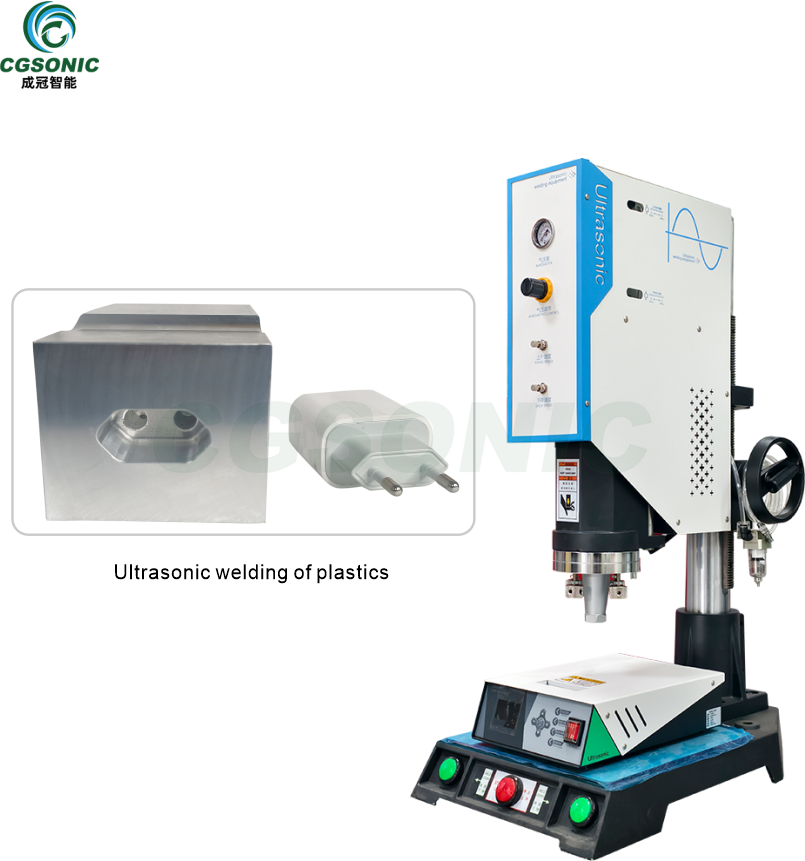
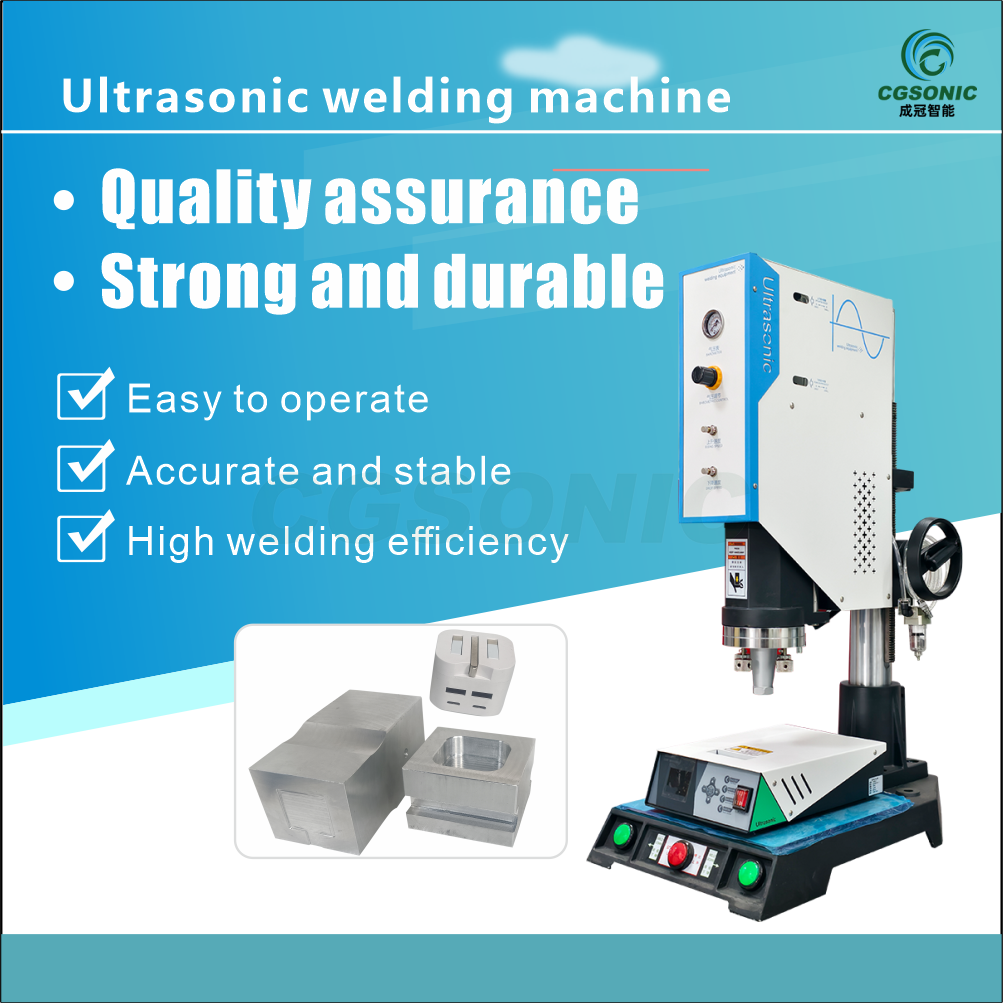
Ultrasonic Plastic Welding for Mobile Phone Chargers
Product Overview
Ultrasonic plastic welding is an effective joining solution for assembling mobile phone charger housings. It uses high-frequency mechanical vibrations to generate localized heat at the joint interface of compatible thermoplastic materials, allowing plastic components to bond together without conventional adhesives or additional mechanical fasteners.
For mobile phone charger manufacturing, an ultrasonic plastic welding machine can be used to join the upper and lower housing components, creating a consistent welded joint while maintaining the product's external appearance.
CGSonic provides ultrasonic plastic welding equipment designed for industrial plastic assembly applications, including electronic product housings and mobile phone charger enclosures.
Core Advantages
Application of Ultrasonic Welding in Mobile Phone Charger Manufacturing
A mobile phone charger typically consists of an external plastic housing and internal electronic components. During the manufacturing process, the upper and lower plastic housing sections need to be securely assembled to protect the internal components and maintain the required product structure.
An ultrasonic plastic welding machine can be used for the following applications:
1. Charger Upper and Lower Housing Welding
Ultrasonic energy only acts on the plastic joint part without overall high-temperature heating. It will not damage card surface patterns, foil stamping, holographic layers, ink layers and coin surface textures. No slab warping, fogging or yellowing, retaining the original premium appearance of collectibles.
2. Plastic Enclosure Assembly
For compatible thermoplastic charger enclosures, ultrasonic welding provides an alternative to adhesive bonding and mechanical fastening.
3. Electronic Product Housing Welding
The same ultrasonic plastic welding technology can also be applied to other electronic product enclosures, depending on their material composition and structural design.
How Does Ultrasonic Plastic Welding Work?
Ultrasonic plastic welding uses high-frequency mechanical vibrations to join compatible thermoplastic components.
The welding process generally involves four steps:
Step 1: Component Positioning
The upper and lower charger housing components are placed into a customized welding fixture to ensure correct positioning.
Step 2: Pressure Application
The ultrasonic welding horn moves downward and applies controlled pressure to the plastic components.
Step 3: Ultrasonic Energy Transmission
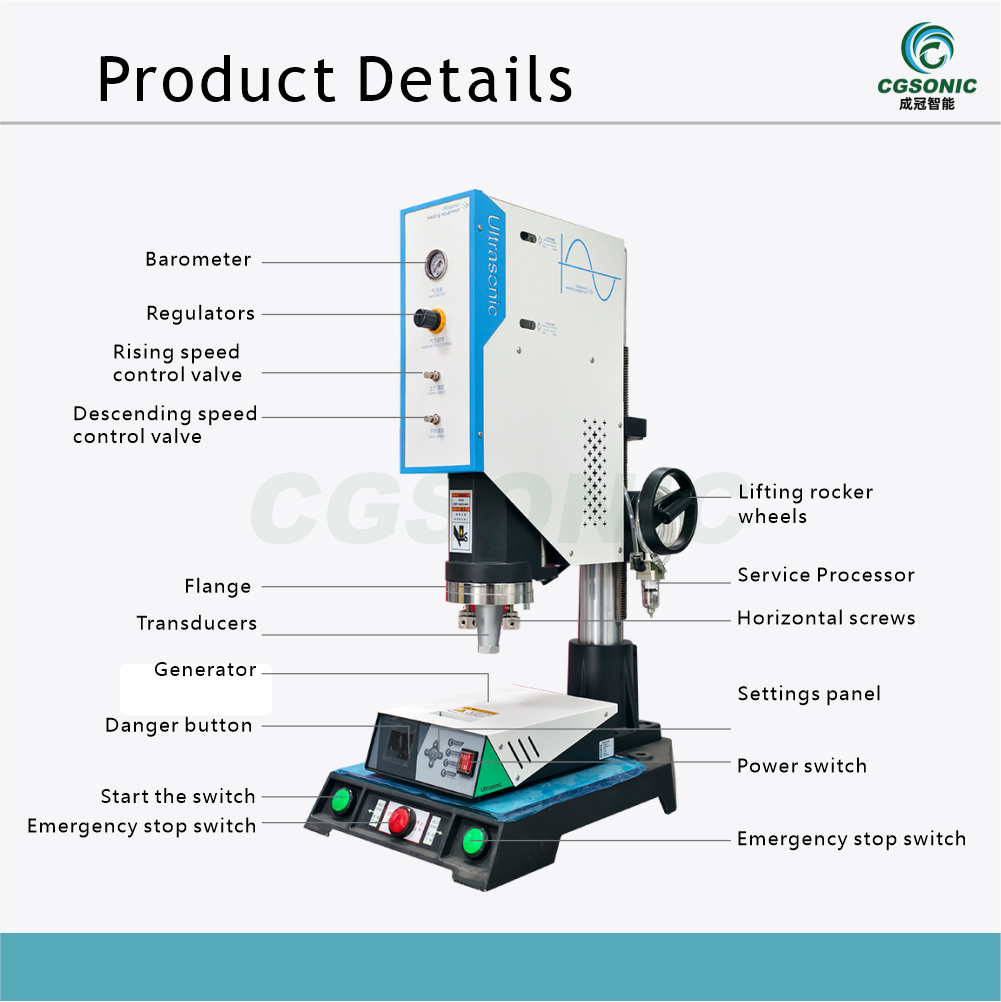
The ultrasonic generator supplies electrical energy to the transducer, which converts it into mechanical vibrations. These vibrations are transmitted through the horn to the plastic joint interface.
Localized heat is generated at the joint, causing the thermoplastic material to soften and melt.
Step 4: Cooling and Bonding
After ultrasonic vibration stops, pressure is maintained during the cooling stage. The melted plastic solidifies and forms a welded joint.
The welding parameters, including amplitude, pressure, welding time, and holding time, should be adjusted according to the charger housing material and structural design.
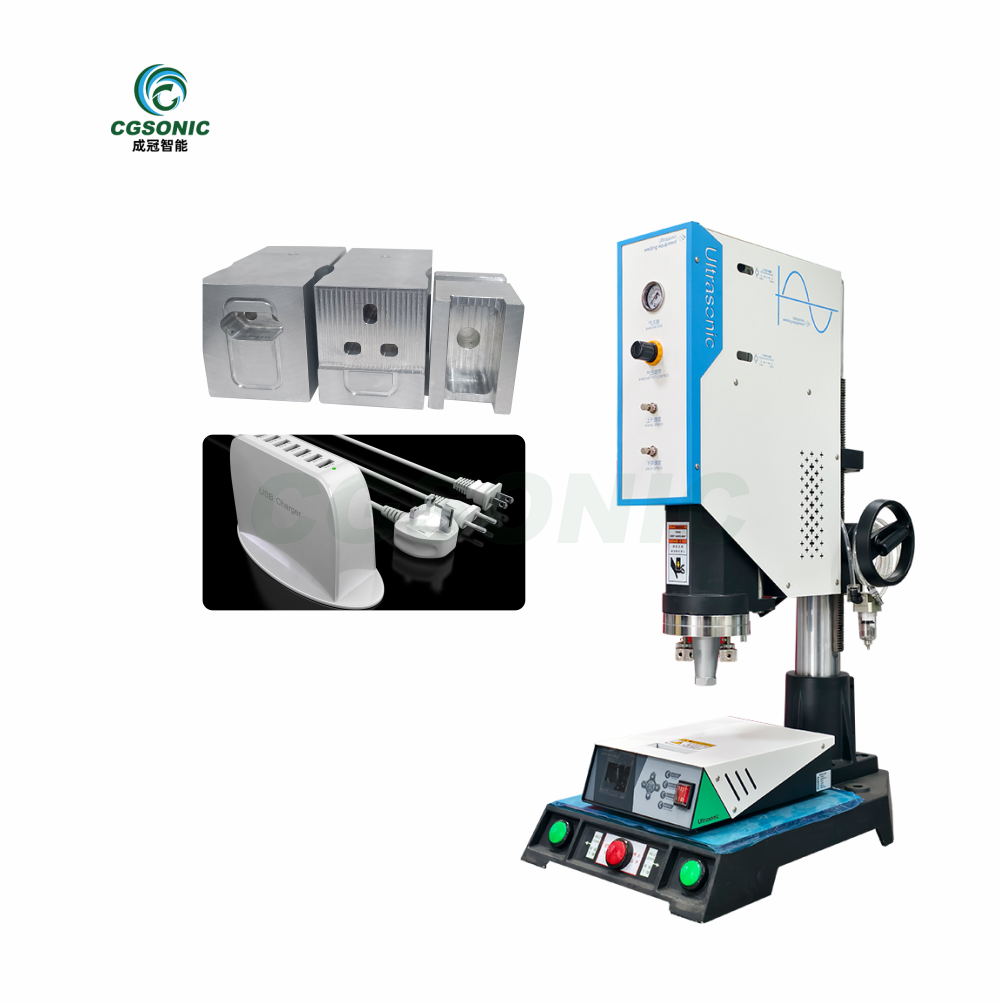
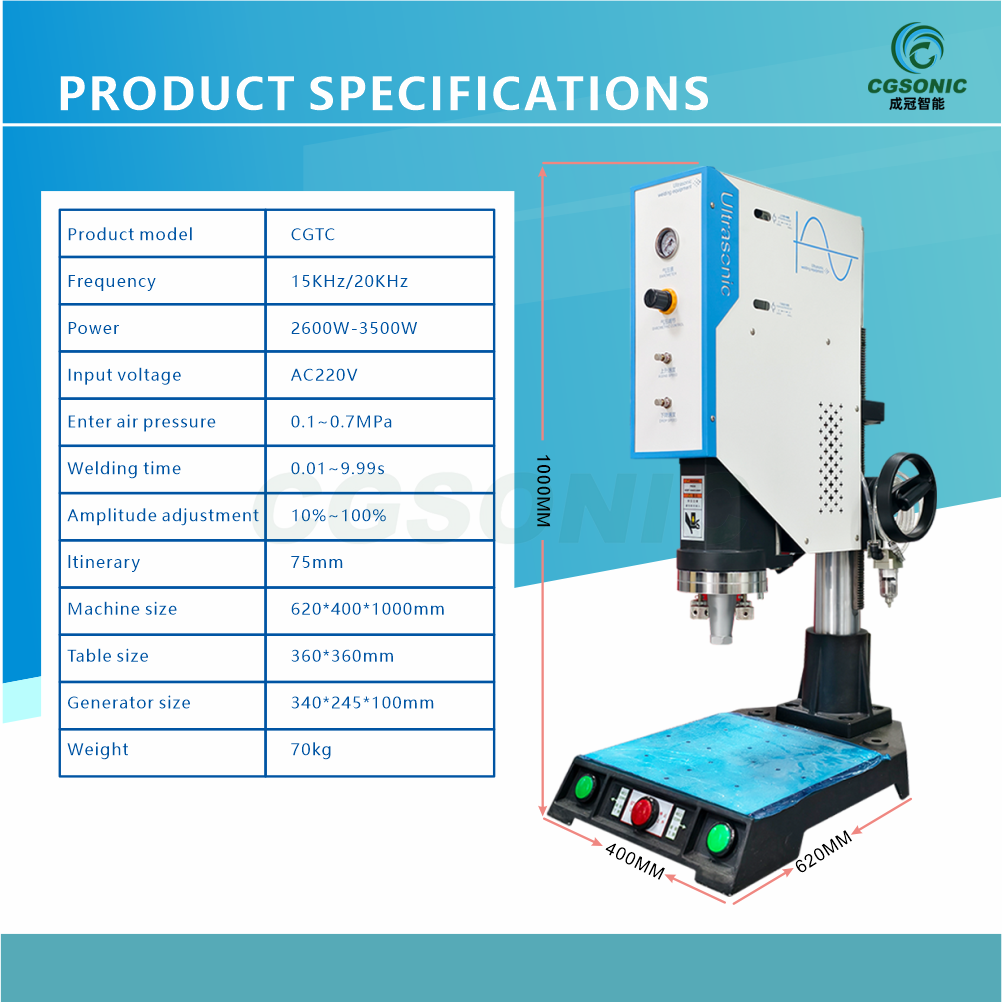
Product Details & Dimensions
Working Principle
The ultrasonic welding machine converts high-frequency electric energy into mechanical vibration energy through the ultrasonic transducer. The high-frequency friction vibration generates instantaneous local heat at the contact surface of the upper and lower plastic slabs, which melts the plastic joint instantly. Under stable pneumatic pressure, the molten plastic molecules diffuse and fuse with each other. After a short holding and cooling process, an integrated, firm and seamless sealing structure is formed.
This physical welding method avoids chemical residue of glue, realizes dust-free, waterproof and airtight sealing, and does not damage the internal collectibles. It is the most authoritative and mainstream sealing process for the international collectibles grading industry.
Application Scenarios & Industry
● Collectibles Grading Industry: Professional sealing for PSA, BGS, SGC graded card slabs, sports trading cards, championship honor cards, motion display cards
●TCG Game Collection Industry: Mass sealing for Pokémon cards, Yu-Gi-Oh cards, game trading card protective slabs
● Coin & Medal Collection Industry: Airtight sealing for commemorative coins, silver coins, gold coins, medal storage boxes
● Factory & Commercial Production: Custom processing of plastic protective shells for collectible products, batch supporting for collectible brand OEM
● Studio & Personal Hobby: Small-batch high-precision sealing for private collectors and independent grading studios
Applicable Materials
PC, ABS, PS, Acrylic and other thermoplastic plastic slabs for collectible protection